
Understanding Different Chiropractic Techniques
DS
By Deepak Sharma, DC
Medically reviewed
Owner & Doctor of Chiropractic · 6 min read · Published · Updated · Last reviewed

Are you seeking relief from an injury or chronic pain in Beaumont, TX? If so, you’ve likely considered or are already looking into chiropractic care. But did you know that not all chiropractic adjustments are the same? Understanding the different chiropractic techniques Beaumont TX practitioners use is the first step toward finding the most effective, personalized treatment for you.
This post is designed to be your comprehensive guide, offering an overview of the most common types of chiropractic adjustments Beaumont chiropractors employ. Our goal is to demystify the process and explain how your specific needs—whether from an auto accident, sports injury, or everyday stiffness—determine the best approach.
Why Different Chiropractic Techniques Matter
When dealing with discomfort, especially after an accident, the approach to treatment can make all the difference in your recovery time and comfort level. A chiropractor’s choice of technique is never arbitrary; it’s a critical decision guided by several factors:
- Your Condition: Is your issue acute recent and severe, like a whiplash injury or chronic long-lasting? Is the pain rooted in a joint, muscle, or nerve?
- Your Comfort and Preference: Some patients prefer the traditional hands-on approach, while others, particularly those who are elderly or highly sensitive, benefit from gentler, instrument-assisted adjustments.
- Chiropractor Expertise: Practitioners in the Beaumont TX area often specialize or are highly proficient in a specific set of techniques, allowing them to tailor care precisely to your body.
The variety of techniques ensures that treatment is personalized, not “one-size-fits-all,” maximizing effectiveness and minimizing discomfort.
Overview of Common Chiropractic Techniques
While an extensive list exists, here are four of the most popular and effective techniques you’ll find used by local chiropractors.
1. Diversified Technique
The Diversified Technique is perhaps the most widely recognized form of spinal adjustment and is often the bread and butter of a diversified technique chiropractor.
- What It Is: This is a classic, hands-on method characterized by a high-velocity, low-amplitude (HVLA) thrust. The practitioner uses their hands to deliver a quick, precise force to a specific joint. This is the adjustment most people associate with the “popping” sound, which is simply the release of gas nitrogen, oxygen, and carbon dioxide in the joint fluid.
- When It’s Used: It is highly effective for restoring proper alignment and motion to misaligned joints, particularly in the spine and extremities.
You can learn more about how we apply chiropractic adjustments in our practice.

2. Activator Method
For patients who prefer a gentler approach, the Activator Method is an excellent alternative. It is highly valued by an activator method chiropractor.
- What It Is: This technique uses a small, handheld, spring-loaded instrument called the Activator Adjusting Instrument. The device delivers a very controlled, light, and fast impulse to the joint.
- When It’s Used: Because the instrument’s impulse is faster than the body’s natural muscle reflexes, it’s a very gentle, precise way to adjust the spine and extremities. It’s often favored for pediatric, elderly, or highly sensitive patients, and those with certain types of acute pain.

3. Thompson Drop-Table Technique
The Thompson Drop-Table Technique is a systematic approach that utilizes specialized equipment to reduce the force required for the adjustment.
- What It Is: The patient lies on a segmented table. The chiropractor applies a light thrust, and simultaneously, the section of the table underneath the target area (e.g., the pelvis or chest) drops slightly.
- When It’s Used: The momentum from the dropping table piece assists the adjustment, meaning less manual force is needed. This makes it an ideal, gentle option for people with significant injuries, joint degeneration, or chronic pain conditions.
To understand the mechanics involved in these techniques further, read our article on the Chiropractic Adjustments vs Spinal Manipulation.

4. Gonstead Technique
The Gonstead Technique stands out for its meticulous and thorough approach to spinal analysis and adjustment.
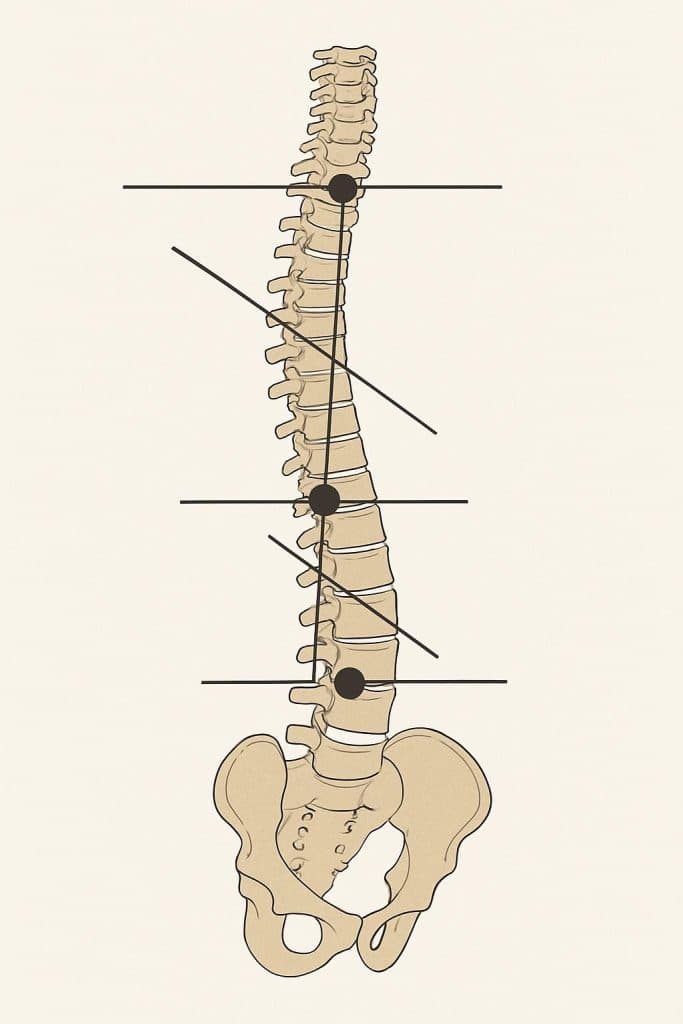
- What It Is: Practitioners focus on detailed analysis using full-spine X-rays, palpation feeling the spine, and instrumentation e.g., a nervoscope before every adjustment. The adjustment itself is hands-on and very precise, targeting only the areas that need correction, often with the patient seated or lying on their side.
- When It’s Used: It is favored for complex, chronic, or severe cases where highly accurate and specific adjustments are necessary to achieve lasting relief.
Choosing the Right Technique for You
It’s natural to wonder, “Which of these chiropractic techniques Beaumont TX chiropractors offer is best for me?” The answer always comes down to an individualized assessment.
Key factors that influence the choice include:
- Condition Severity and Type: A recent whiplash injury may require a gentler touch (like Activator or Thompson) initially, while chronic postural issues might respond better to the precision of Gonstead or the scope of Diversified.
- Patient Comfort and Trust: If you are nervous about the typical “popping” sound, your chiropractor will opt for a low-force technique to ensure you are comfortable and relaxed throughout the session.
- Practitioner Expertise: Your local chiropractor will recommend the technique they believe will provide the most efficient and comfortable path to healing, leveraging their deepest training.
The best way to determine the right approach is through a consultation and thorough initial assessment. Comprehensive chiropractic care should always begin with an in-depth conversation about your health goals.
What to Expect During Your Chiropractic Session
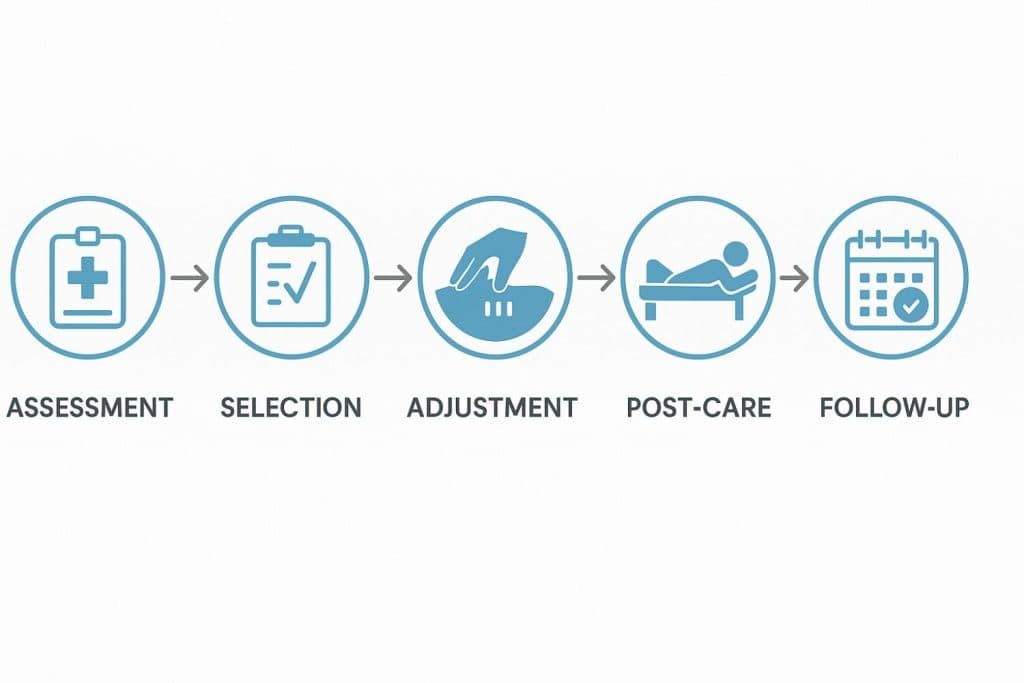
Regardless of the specific types of chiropractic adjustments Beaumont you receive, a typical session generally follows a predictable flow designed for your safety and success.
- Initial Assessment: This includes a review of your health history, current symptoms, and often an examination, which may involve orthopedic tests, palpation, and X-rays.
- Technique Selection: Based on the assessment, your chiropractor will explain the proposed technique e.g., why Diversified over Activator and why it’s best suited for your condition.
- The Adjustment: The technique is administered. Whether it’s a quick, manual thrust or a gentle impulse from an instrument, the goal is to safely restore optimal motion and function to your joints.
- Post-Adjustment Review and Follow-up: Your practitioner will check your body’s immediate response and discuss any necessary follow-up care, exercises, or lifestyle modifications.
Common Misconceptions About Chiropractic Techniques
Conclusion
Finding relief from pain in Beaumont, TX, starts with understanding your options. The world of chiropractic care is rich with varied, highly effective techniques—from the hands-on precision of Diversified Technique and Gonstead to the gentle, instrument-assisted approach of the Activator Method.
The core takeaway is that your care is personalized. A skilled chiropractor will use their knowledge of these varied chiropractic techniques Beaumont TX has available to create a treatment plan that aligns perfectly with your body’s needs and your recovery goals. Don’t settle for generalized care; seek a solution that is as precise as your problem.
Medically reviewed by
Verified
DS
Deepak Sharma
DC
Owner & Doctor of Chiropractic
Deepak Sharma, DC is a licensed Doctor of Chiropractic and the owner of Car Accident Cares in Beaumont, TX. He reviews the clinical content published across the site and works with a multidisciplinary network of MDs, chiropractors, imaging centers, and pain-management specialists focused on accurate diagnosis, evidence-based treatment, and complete recovery for motor-vehicle-accident victims across Beaumont and Houston.