Owner & Doctor of Chiropractic · 18 min read · Published · Updated · Last reviewed
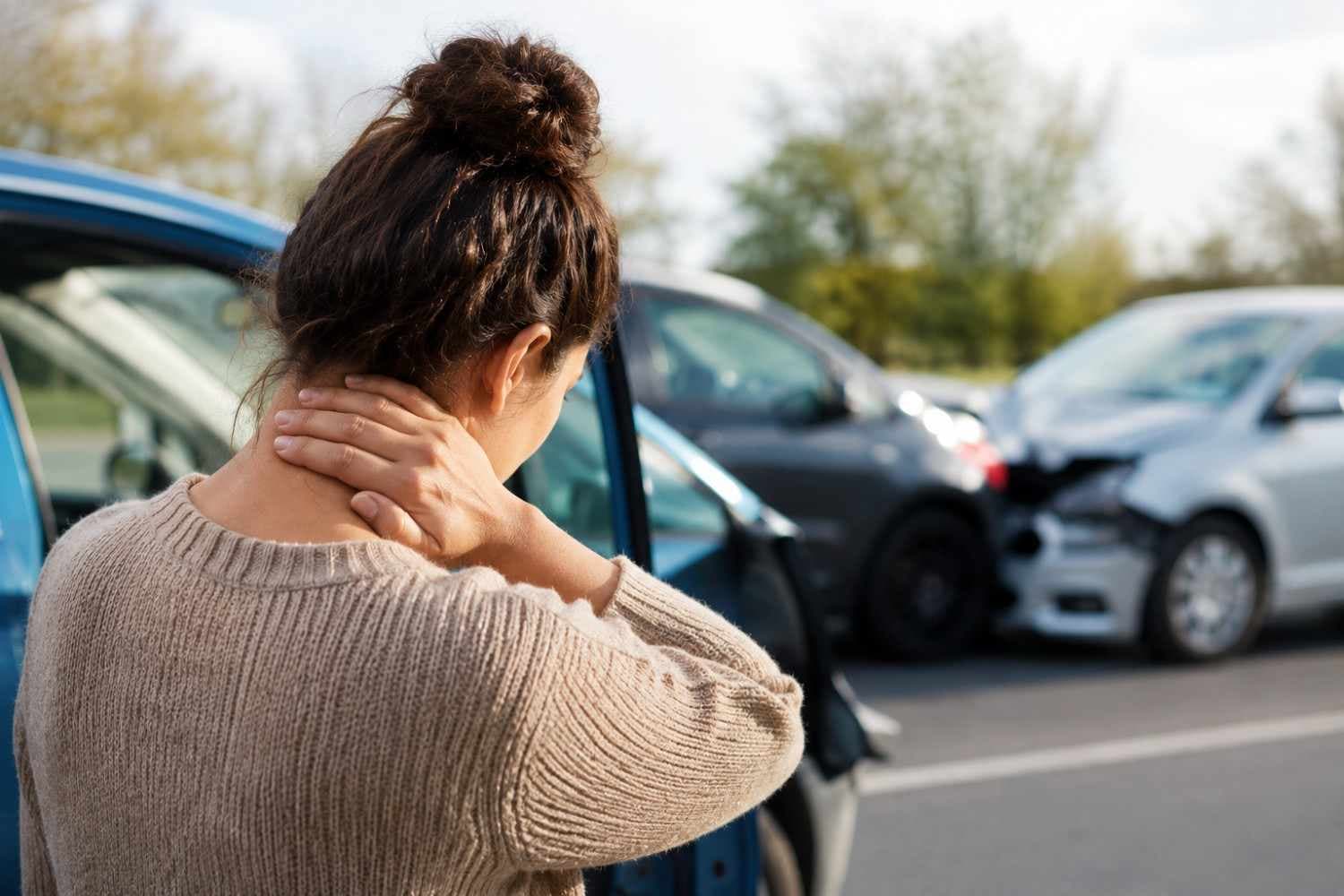
Driving through busy Beaumont TX—especially near intersections on Dowlen Road, along Interstate 10, or through the heavy traffic on College Street—means dealing with sudden stops, distracted drivers, and unpredictable road conditions every single day. If you have just been in a crash, you are likely stressed, shaken, and wondering why parts of your body hurt that were not even directly hit.
Understanding the types of car accident impacts and injuries is the first step toward feeling better and healing correctly. Right after a crash, your body floods itself with adrenaline—a natural survival chemical that masks pain. This is why so many accident victims feel completely fine at the scene, only to wake up two or three days later feeling like they were hit by a truck.
The direction your vehicle was hit tells us a lot about how your body was thrown around inside the car. By understanding your specific type of collision, our medical team can find exactly where your hidden injuries are and build a recovery plan that actually works for you.
Why Your Crash Type Matters for Your Recovery
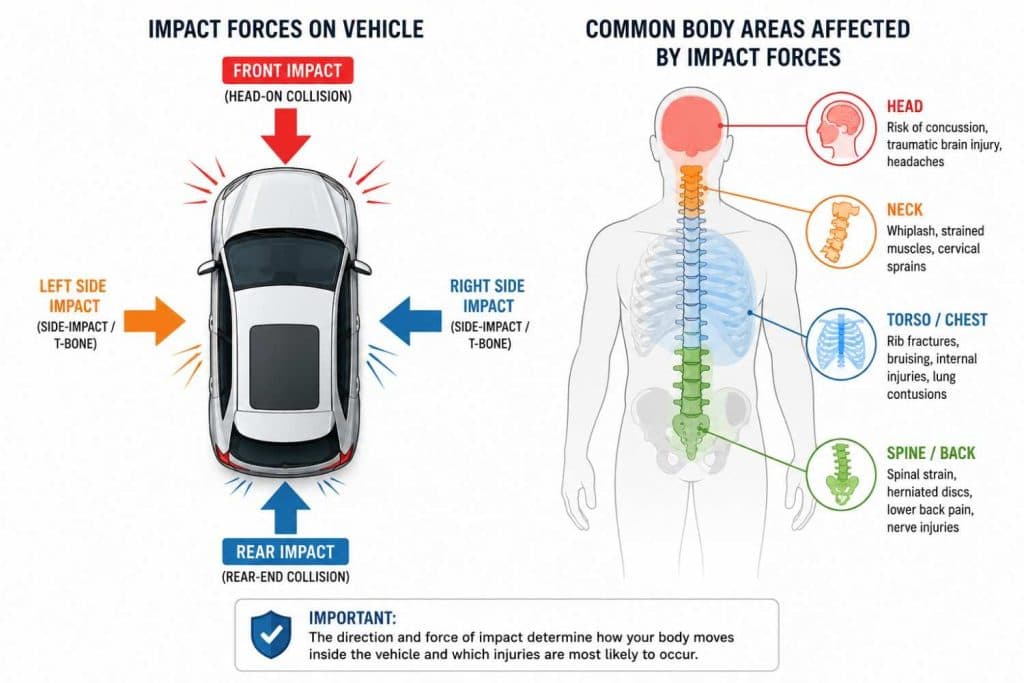
Different types of car accidents push, pull, and twist your body in completely different ways. Being rear-ended whips your neck violently back and forth. Getting T-boned shoves your ribs and shoulders sideways. Rolling over tosses your entire body in multiple directions at once.
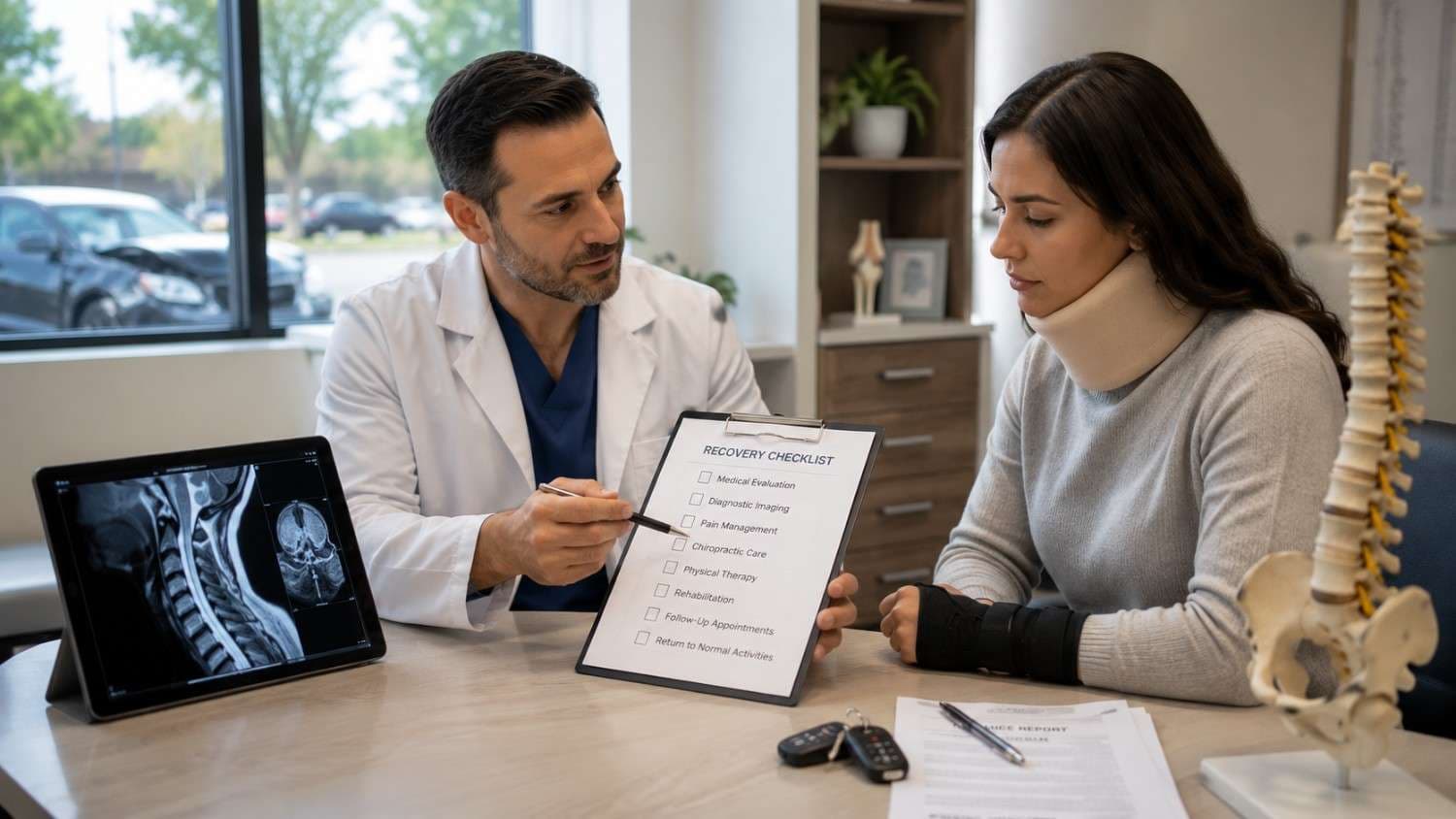
When you tell a doctor exactly how your crash happened, they immediately know what injuries to look for. This is how medical teams find hidden damage—like small muscle tears, stretched ligaments, or a pinched nerve—that a standard emergency room X-ray often misses entirely.
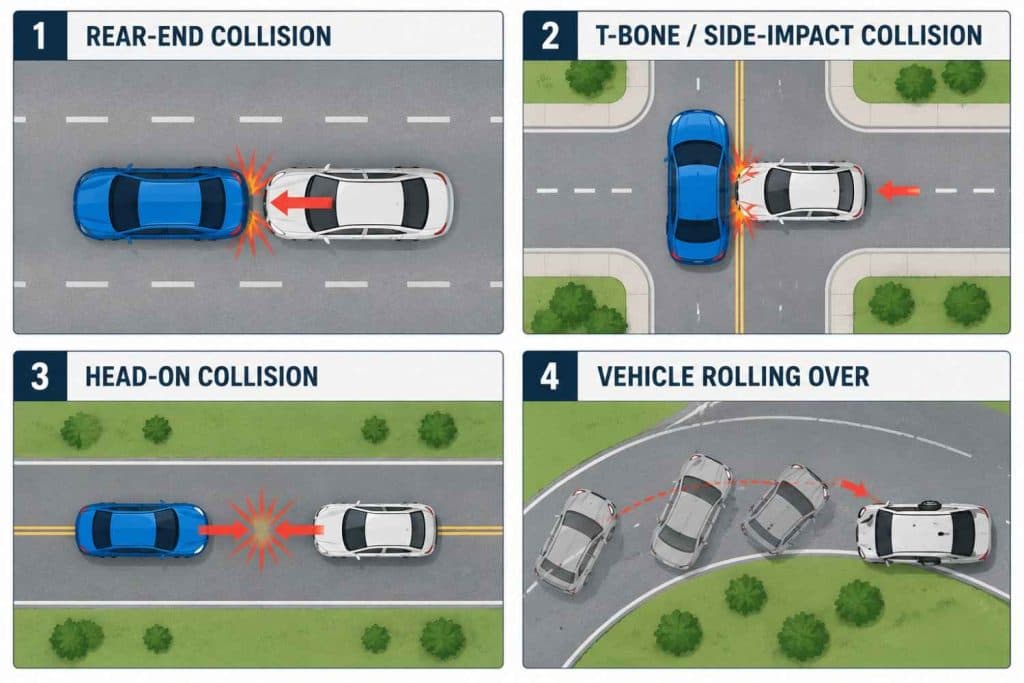
Before we talk about specific injuries, it helps to understand the most common types of car accidents on our local roads. Motor vehicle accidents in Beaumont generally fall into one of these categories:
Rear-end collision — hit from behind
Side-impact or T-bone accident — hit on the side
Sideswipe accident — grazed on the side while driving parallel
Single-vehicle accident — hitting a fixed object like a tree or guardrail
Head-on collision — two vehicles hitting front-to-front
Rollover accident — the vehicle flips onto its side or roof
Many car accidents are caused by distracted driving, running red lights, following too closely, or wet road conditions. Accidents can happen to anyone—even the most careful, experienced driver. Knowing which type of accident you were involved in is the very first question our medical team will ask, because the answer shapes your entire treatment plan.
How Your Crash Type Affects Your Car Accident Claim
Each type of collision causes a different pattern of injuries. Those injury patterns show up in your medical records, and those records matter—not just for your health, but for any car accident claim you may need to file. If you suffered injuries in a car accident, an experienced car accident lawyer or personal injury attorney can use your documented injuries to show exactly how the crash caused your pain. That is why getting evaluated early—and getting the right scans—is so important.
Rear-End Collision Injuries: The Most Common Crash Type
Rear-end accidents are one of the most common types of car accidents on Beaumont roads. A rear-end collision happens when the front of another vehicle strikes the back of yours. Even at speeds as low as 10 or 15 mph, these crashes cause serious and long-lasting neck and back injuries that many accident victims do not feel until days later.
How Whiplash Happens in a Rear-End Accident
When you are hit from behind, your car is pushed forward suddenly. Your seat pushes your body forward, but your head stays behind for a split second due to its own weight. This causes your neck to snap backward over the headrest—and then violently whip forward.
That snapping motion is what causes whiplash. It stretches and tears the soft muscles and ligaments in your neck. Many rear-end accidents happen at speeds under 20 mph, yet the damage they do to the neck and upper back is very real and very painful. Starting awhiplash and neck pain treatment plan quickly is essential to stop short-term pain from turning into a long-term problem.
Why Low-Speed Rear-End Crashes Still Hurt
One of the biggest myths about rear-end accidents is that if the cars are not badly damaged, neither are the people inside. That is simply not true. At speeds as low as 5 mph, the force on your neck can be several times the normal force of gravity. Your bumper bounces back—your neck does not.
If you were involved in a rear-end crash, do not wait for the pain to become unbearable before seeing a doctor.
Side-Impact and T-Bone Accident Injuries
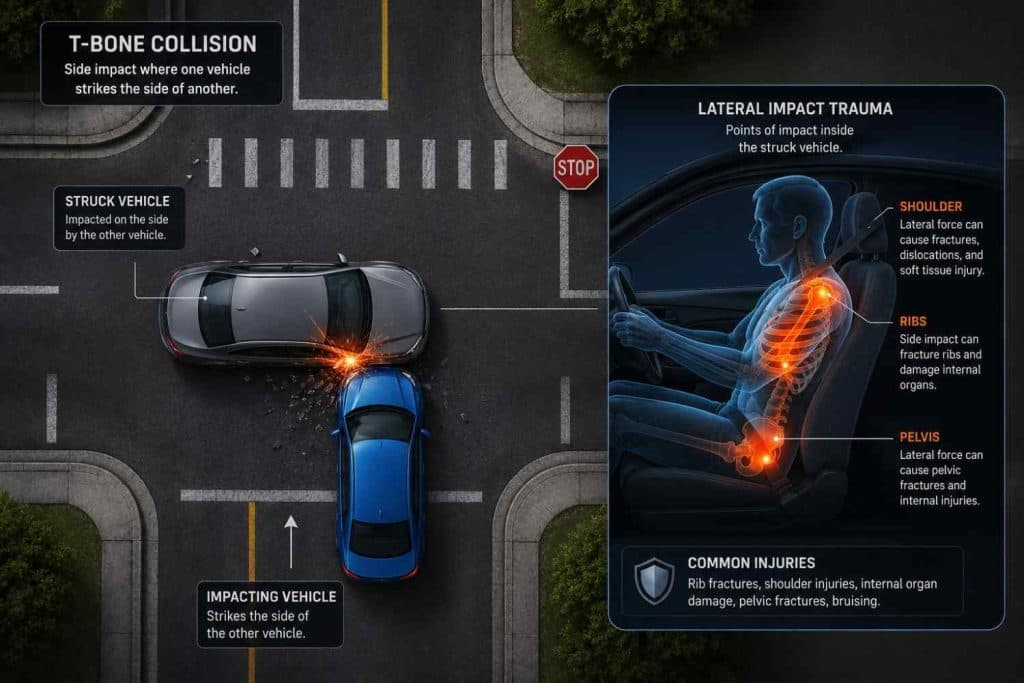
A side-impact collision—also known as a T-bone accident—usually happens at busy intersections when a driver runs a red light or fails to yield. These are among the most dangerous types of car accidents because the sides of your car (the doors) offer almost no protection compared to the front or rear of the vehicle. There is very little metal between you and the other car.
Why T-Bone Accidents Are So Dangerous
In a T-bone crash, the other vehicle hits very close to where you are sitting. Your body is violently pushed sideways—a direction your spine is simply not built to handle. Accidents caused by intersection failures, like running stop signs or red lights, are one of the leading causes of serious injury in Beaumont.
Common Injuries from Side-Impact Crashes
Chest and Rib Injuries: The door pushing inward commonly causes broken ribs and bruised lungs. If you have chest pain after a T-bone accident, see a doctor right away. Learn more aboutchest pain after a car accident.
Hip and Pelvis Pain: The force of the door against your hip can cause fractures or deep bruising.Lower back and pelvic pain treatment is often needed to restore normal movement.
Shoulder Injuries: Being shoved sideways puts enormous stress on your shoulder joint.Shoulder injuries from side-impact crashes are more common than most people realize.
Head Injuries: Your head may strike the side window or door frame, causing a concussion or worse.
Car accident victims involved in T-bone crashes often need 4 to 7 weeks of focused treatment before they start to feel like themselves again.
Sideswipe Accidents: More Serious Than They Look
A sideswipe accident occurs when 2 vehicles driving next to each other make contact along their sides. These crashes happen often on multi-lane highways like the Eastex Freeway and US-90 when a driver tries to merge without checking their blind spot.
People often think of sideswipe accidents as “minor scrapes,” but getting clipped at highway speed can jerk your car suddenly and violently. Your instinct is to yank the steering wheel to correct your lane position—and that sudden twisting motion commonly causes neck strain, shoulder pain, and wrist injuries from gripping the wheel too hard.
In some sideswipe accidents, the struck vehicle loses control entirely and crashes into another vehicle or a barrier, turning a “minor” sideswipe into a much more serious secondary crash. If you were involved in a sideswipe, do not dismiss it just because the damage looks small.
Single-Vehicle Accidents: One Vehicle, Serious Injuries
Not every serious crash involves 2 cars. A single-vehicle accident happens when a car runs off the road and hits a fixed object—like a tree, utility pole, guardrail, or concrete barrier. These accidents are often caused by:
Driver distraction or drowsiness
Tire blowouts or brake failure
Hydroplaning on wet Southeast Texas roads
Overcorrecting after drifting onto a soft shoulder
Striking road debris or an animal
When a car hits a solid, unmoving object, it stops almost instantly. The injuries in these crashes are very similar to head-on collisions. Common injuries include broken bones in the legs and knees (from the dashboard crushing inward), chest bruising from the seatbelt locking hard, and head injuries.
Head-On Collision Injuries: The Most Dangerous Crash Type
Head-on collisions are the most dangerous of all car accident types. When 2 vehicles driving toward each other collide, the combined speed of both cars doubles the impact force. Even with airbags and seatbelts doing their job, the sudden, violent stop puts enormous pressure on every part of your body.
Common Head-On Collision Injuries
Head and Brain Injuries: The sudden stop can cause your brain to slam against the inside of your skull. A professionalhead injury evaluation is critical—even if you feel alert and oriented at the scene.
Facial Injuries: The airbag or steering wheel can cause cuts, bruising, and broken bones in the face.
Chest and Leg Injuries: The seatbelt locks hard across your chest, causing deep bruising. The floorboard can crush inward, causing serious leg and knee fractures.
Head-on crashes account for a disproportionately high number of fatal and catastrophic injury cases among all motor vehicle accidents. If you were involved in one, getting a complete evaluation—including imaging like anMRI or CT scan—is non-negotiable.
Rollover Accident Injuries: Tossed in Every Direction
Rollover accidents happen when a vehicle tips onto its side or roof—sometimes rolling multiple times before stopping. They are most common with taller vehicles like SUVs and trucks, and they often start with a trip over a curb, a soft shoulder, or an uneven road surface.
Because the car is tumbling, the people inside get thrown in multiple directions at once. Even with a seatbelt on, you can hit the roof, the doors, and the steering column repeatedly in a matter of seconds. Rollover accidents commonly cause:
Back and Spine Injuries: From the roof pressing downward toward the occupants
Broken Bones: From arms and legs striking the interior of the vehicle
Emotional Trauma: Rollovers are terrifying.PTSD and anxiety after a serious crash are real medical conditions that deserve attention.
What accident victims must do after a rollover: Get emergency medical care immediately, even if you feel okay. Adrenaline is working overtime after a rollover, and hidden injuries are extremely common.
Injuries That Happen in Almost Every Type of Crash
No matter how your car was hit, there are 2 injuries that doctors see across nearly every type of car accident.
Bulging or Herniated Discs
Your spine is made up of bones stacked on top of each other, with soft, squishy cushions (called discs) sitting in between each one. The violent force of a car crash can squeeze those cushions so hard that they bulge out or rupture—pressing against nearby nerves.
If you feel sharp pain shooting down your arms or legs, or tingling and numbness in your hands or feet, you may have a damaged disc. Seeing aherniated disc doctor early is the key to avoiding permanent nerve damage. Studies show that up to 20% of accident victims involved in rear-end crashes develop a significant disc injury within the first 90 days—many of whom felt “fine” right after the crash.
Delayed Soreness and Stiffness
It is completely normal to feel okay at the scene of your crash and then wake up 2 or 3 days later feeling stiff, exhausted, and in serious pain. This is not in your head. As your adrenaline wears off, swelling and inflammation deep in your muscles and joints finally reach their peak—and that is when the real pain sets in.
Do not wait for the pain to get unbearable before reaching out for help. The sooner you are evaluated, the better your recovery will be.
5 Steps Every Accident Victim Should Take After a Crash
Your health comes first—always. If you have been involved in a car accident, here are the 5 most important steps to protect your body and your recovery:
See a doctor within 72 hours. Even if you feel fine. Adrenaline hides pain, and a specialist can find hidden injuries before they become permanent problems.
Get the right imaging done. A standard ER X-ray often misses soft tissue damage. Ask aboutMRI and diagnostic imaging to get the full picture.
Follow your treatment plan. Whether it ischiropractic care, physical therapy, orpain management, stick to your appointments. Missing sessions allows scar tissue to form, which causes lasting stiffness.
Tell your doctor about every symptom. New headaches, dizziness, trouble sleeping, or mood changes after a crash are all important medical information.
Talk to a personal injury attorney if needed. If someone else caused your accident, an experienced car accident lawyer can help you understand your options—but your medical recovery always comes first.
When to See an Auto Injury Specialist in Beaumont TX
You wouldn’t go to a dentist for a broken arm—and you should not go to just any doctor for a car accident injury. Auto injury specialists understand exactly how different types of car accidents hurt the body, and they know what to look for beyond the obvious.
Whether you are dealing with a stiff neck after a fender-bender on I-10, recovering from a scary T-bone crash at a local intersection, or still feeling shaken after a rollover on Phelan Boulevard, getting the right evaluation makes all the difference.
Do not wait for the pain to get worse. Contact our clinic today to schedule a complete evaluation with anauto injury specialist in Beaumont who will listen to your story, understand your crash, and help you get your life back to normal.
Frequently Asked Questions About Car Accident Care in Beaumont
What are the types of injuries in car accidents?+
Car accident injuries generally fall into 4 main categories: soft tissue injuries (like whiplash and muscle strains), bone fractures, spine and disc injuries (like bulging or herniated discs), and head injuries (like concussions). The specific injuries you experience depend heavily on how fast the vehicles were traveling and the direction your car was hit. Getting a full evaluation from an auto injury specialist—rather than just a general ER visit—is the best way to make sure nothing is missed.
What are the side-impact car accident injuries?+
Because the sides of cars offer very little protection, side-impact crashes often cause broken ribs, bruised lungs, hip and pelvis injuries, and shoulder damage on the side of the body closest to the impact. Head injuries from striking the window are also very common. These are some of the most complex car accident cases to recover from because so many different body parts are affected at once.
What is a rear-end collision?+
A rear-end collision happens when the front of one vehicle strikes the back of another. It is the most common cause of whiplash. The sudden push forward snaps your neck back and then forward, stretching and tearing the muscles and ligaments in your neck and upper back. Even at speeds as low as 5 mph, the force on your neck can be significant—which is why so many rear-end accident victims feel serious pain 2 to 3 days after the crash.
What are the 7 types of injuries after a crash?+
The 7 most common injury categories seen after motor vehicle accidents are: (1) Whiplash and muscle strains; (2) Concussions and head injuries; (3) Herniated or bulging discs; (4) Broken bones; (5) Internal bruising and organ injuries; (6) Cuts and road rash; and (7) Emotional trauma, including PTSD and anxiety about driving again. Understanding all 7 types of car accident impacts and injuries helps your medical team treat the whole person—not just the obvious pain.
Why do car accident symptoms take days to show up?+
Right after a crash, your body goes into survival mode and releases adrenaline—a natural painkiller. As that adrenaline wears off over the next 24 to 72 hours, the swelling and inflammation in your muscles and joints finally peak. This is why you might feel completely fine on the day of the accident but wake up on day 2 or 3 barely able to move. It is one of the most common experiences accident victims describe.
Can a minor car accident cause serious injury?+
Absolutely. Cars are designed to absorb low-speed bumps—human bodies are not. In a 10 mph crash where the bumper shows zero damage, the force can still violently whip your neck back and forth and cause hidden muscle tears, joint pain, and disc injuries. Many car accident victims are surprised to learn that vehicle damage and body damage are two completely separate things.
When should I see a doctor after a crash?+
Ideally within the first 3 days (72 hours) after your accident—even if you feel okay. An auto injury specialist knows exactly how to find the hidden damage, like small muscle tears and mild concussions, that standard emergency rooms often overlook. Early treatment is always better than waiting for the pain to become severe.
What are the most common head-on collision injuries?+
Because head-on collisions double the impact force of two moving vehicles, they often result in severe trauma. Common injuries include concussions or traumatic brain injuries, facial fractures from airbags, chest bruising from seatbelts, and leg or knee fractures from the floorboard crushing inward.
Can a sideswipe accident cause whiplash or shoulder pain?+
Yes. While people often think of sideswipe accidents as minor scrapes, getting clipped can violently jerk your vehicle. The sudden sideways motion, combined with your instinct to tightly grip and yank the steering wheel, frequently causes severe neck strain, shoulder injuries, and wrist damage.
Why do I need an MRI if my ER X-ray was clear?+
Standard ER X-rays are only designed to detect broken bones and life-threatening emergencies. They cannot see soft tissue damage, which makes up the vast majority of car accident injuries. Auto injury specialists rely on MRIs and advanced diagnostic imaging to reveal hidden damage like herniated discs, torn ligaments, and severe muscle strains.
Medically reviewed by
Verified
DS
Deepak Sharma
DC
Owner & Doctor of Chiropractic
Deepak Sharma, DC is a licensed Doctor of Chiropractic and the owner of Car Accident Cares in Beaumont, TX. He reviews the clinical content published across the site and works with a multidisciplinary network of MDs, chiropractors, imaging centers, and pain-management specialists focused on accurate diagnosis, evidence-based treatment, and complete recovery for motor-vehicle-accident victims across Beaumont and Houston.