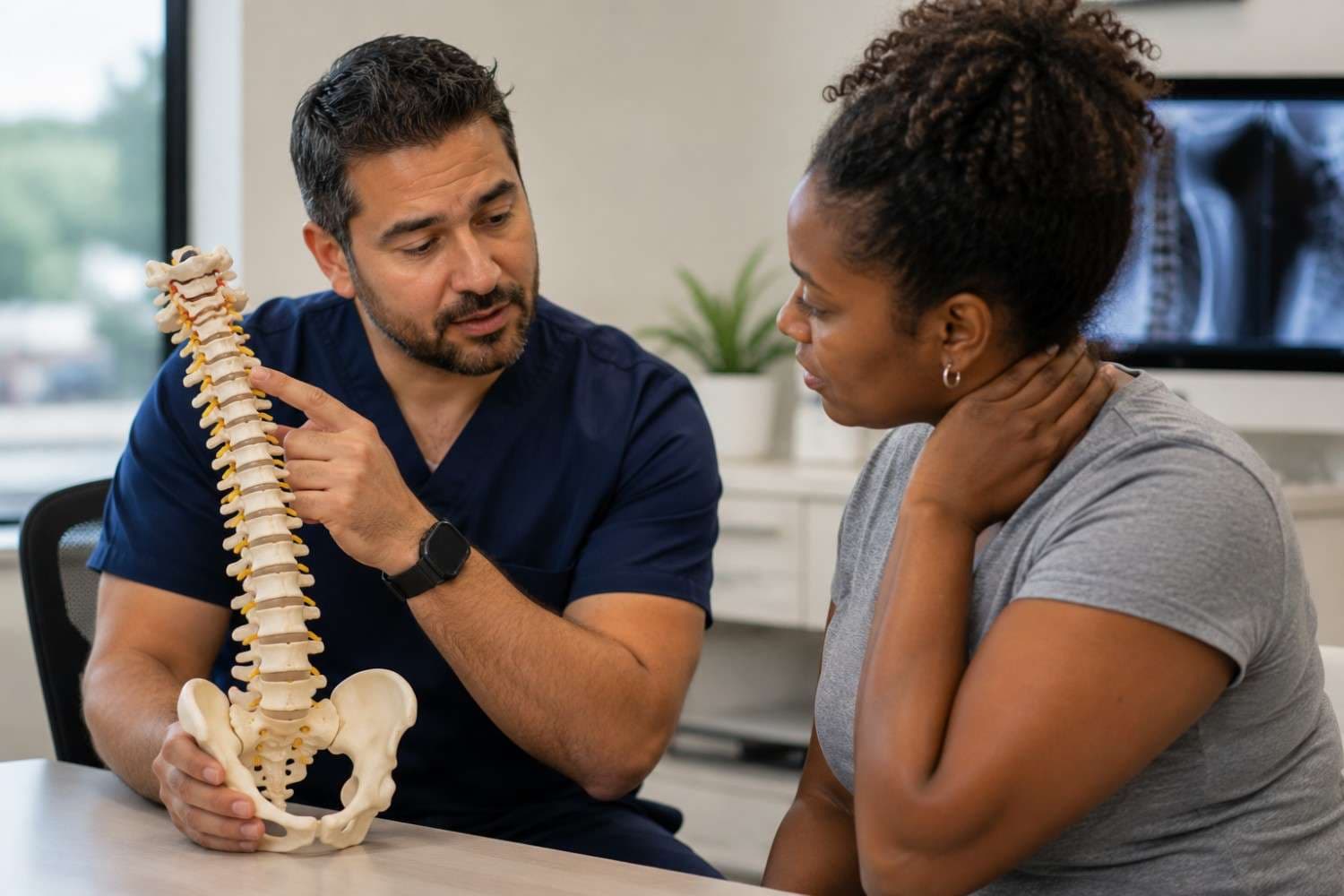
How Chiropractic Therapy Can Speed Up Your Post-Accident Recovery
DS
By Deepak Sharma, DC
Medically reviewed
Owner & Doctor of Chiropractic · 16 min read · Published · Updated · Last reviewed

Key Takeaways
1. Introduction to Post-Accident Recovery
Recovering from a car accident can be a challenging and lengthy process. The severity of injuries, the type of treatment received, and the timeliness of care all play crucial roles in determining recovery time. It’s essential to understand that timely medical intervention can prevent long-term complications and enhance overall recovery outcomes.
Car accident injuries often require a multifaceted approach to treatment. This can include traditional medical care, physical therapy, and chiropractic care. Among these, chiropractic therapy stands out for its non-invasive methods and holistic approach to healing.
2. Understanding Chiropractic Care
Definition and Principles of Chiropractic Care
Chiropractic care is a healthcare discipline that focuses on the diagnosis and treatment of neuromuscular disorders, primarily through manual adjustment or manipulation of the spine. The principle behind chiropractic care is that proper alignment of the spine and musculoskeletal structure will enable the body to heal itself without surgery or medication.
Chiropractors believe that the body’s structure, especially the spine, impacts its overall function. Misalignments or subluxations can interfere with the nervous system and lead to various health issues, including pain and impaired mobility.
The Role of a Chiropractor in Healthcare
Chiropractors play a crucial role in the healthcare system by providing an alternative or complementary approach to conventional medical treatments. They specialize in manual adjustments and other therapies designed to relieve pain, improve function, and support the body’s natural ability to heal itself. Chiropractors often work in conjunction with other healthcare providers to create comprehensive treatment plans for patients, especially those recovering from accidents.
3. Common Car Accident Injuries
Car accidents can result in a range of injuries, some of which may not be immediately apparent. It’s essential to seek a thorough medical evaluation, even if you feel fine immediately after the incident. Here are some of the most common injuries resulting from car accidents:
Whiplash and Neck Injuries
Whiplash is one of the most common injuries associated with car accidents, particularly rear-end collisions. It occurs when the head is suddenly jolted backward and then forward, causing strain on the neck muscles and ligaments. Symptoms may include neck pain, stiffness, and headaches.
Back Pain and Spinal Injuries
The force of a car accident can also lead to back pain, ranging from mild discomfort to severe spinal injuries. These injuries can affect the vertebrae, discs, and spinal cord, potentially leading to chronic pain and mobility issues.
Soft Tissue Damage
Soft tissue injuries, such as sprains, strains, and bruising, are common in car accidents. These injuries affect the muscles, ligaments, and tendons and can cause significant pain and swelling.
Nerve-Related Injuries
Nerve damage can result from direct trauma or compression during a car accident. This can lead to symptoms such as numbness, tingling, and weakness in the affected areas.
4. The Role of Chiropractic Care in Injury Recovery
Chiropractic care plays a vital role in the recovery process after a car accident. Its non-invasive techniques can help manage pain, restore mobility, and improve overall health without the need for surgery or medication.
How Chiropractic Care Can Help with Pain Relief
One of the primary benefits of chiropractic care is its ability to provide pain relief. Through spinal adjustments and other manual therapies, chiropractors can help reduce pressure on nerves, decrease inflammation, and alleviate pain in various parts of the body. This is particularly beneficial for those suffering from chronic pain due to car accident injuries.
Importance of Chiropractic Adjustments
Chiropractic adjustments are a core component of chiropractic care. These adjustments aim to correct misalignments in the spine, which can improve the function of the nervous system and promote natural healing. Regular adjustments can help maintain spinal alignment, enhance physical function, and prevent further injury.
Addressing Inflammation and Mobility Issues
Inflammation is a common response to injury, and while it is a natural part of the healing process, excessive inflammation can lead to further complications. Chiropractic care can help reduce inflammation through various techniques, including adjustments, massage, and specific exercises. Improving mobility is another critical aspect, as limited movement can impede recovery and lead to long-term disability.
Table: Common Car Accident Injuries and Chiropractic Treatment
5. Chiropractic Treatment Post-Accident
What to Expect During a Chiropractic Treatment Session
If you’ve been involved in a car accident and are seeking chiropractic care, it’s essential to know what to expect during your treatment sessions. Initially, the chiropractor will conduct a comprehensive assessment, including a physical examination and possibly imaging studies, to determine the extent of your injuries.
The treatment itself typically involves spinal adjustments, which are manual manipulations designed to realign the spine and reduce nerve pressure. Additionally, the chiropractor may use other therapies such as massage, ultrasound, and specific exercises to support your recovery.
Tailoring a Treatment Plan for Individual Needs
Chiropractic care is highly personalized. The chiropractor will develop a treatment plan tailored to your specific injuries and overall health condition. This plan may include a combination of spinal adjustments, physical therapies, lifestyle advice, and exercises to help you regain strength and flexibility.
Frequency and Duration of Treatments
The frequency and duration of chiropractic treatments will vary depending on the severity of your injuries and your response to treatment. In the initial stages, you may need to visit the chiropractor several times a week. As your condition improves, the frequency of visits can be reduced. The goal is to gradually restore your body to its optimal function and maintain your health.
6. Benefits of Chiropractic Care
Chiropractic care offers numerous benefits for those recovering from car accidents. These benefits are not only limited to pain relief but also extend to overall wellness and prevention of future injuries.
Speeding Up Recovery Time
One of the most significant benefits of chiropractic care is its ability to speed up recovery time. By addressing the root causes of pain and dysfunction, such as spinal misalignments and soft tissue injuries, chiropractic adjustments help the body heal more efficiently. This can be particularly beneficial for those who are eager to return to their daily activities and work.
Enhancing Mobility and Flexibility
Car accidents often lead to stiffness and reduced mobility. Chiropractic care focuses on restoring normal joint function, which can improve flexibility and range of motion. This is achieved through a combination of spinal adjustments, stretching exercises, and other therapeutic techniques.
Reducing Inflammation and Pain
Inflammation is a common response to injury and can cause significant discomfort. Chiropractic care can help reduce inflammation through spinal adjustments and other treatments that improve circulation and reduce pressure on affected nerves. This, in turn, leads to reduced pain and discomfort.
Supporting Long-Term Health and Well-Being
Beyond immediate recovery, chiropractic care also supports long-term health. Regular chiropractic visits can help maintain spinal alignment, prevent future injuries, and improve overall wellness. This holistic approach to health care promotes a better quality of life and can prevent chronic conditions from developing.
7. Chiropractic Care vs. Traditional Medical Treatments
When recovering from a car accident, patients often have multiple treatment options. Understanding the differences between chiropractic care and traditional medical treatments can help you make informed decisions about your health care.
Comparing Chiropractic Care with Physical Therapy and Medication
While both chiropractic care and physical therapy aim to restore function and alleviate pain, they do so through different methods. Chiropractic care primarily focuses on spinal adjustments to correct misalignments, whereas physical therapy often involves exercises and manual therapies to strengthen muscles and improve movement.
Medication, on the other hand, is commonly used to manage pain and inflammation. While it can be effective for short-term relief, it does not address the underlying causes of the pain. Chiropractic care, in contrast, seeks to treat the root cause of the issue, providing more sustainable long-term benefits.
Complementary Approaches to Post-Accident Recovery
Many patients find that combining chiropractic care with other treatments, such as physical therapy and medication, provides the best results. This integrated approach ensures that all aspects of the injury are addressed, promoting a more comprehensive recovery.
8. The Science Behind Chiropractic Adjustments
Chiropractic adjustments are a key component of chiropractic care, but how do they work? Understanding the science behind these adjustments can help you appreciate their effectiveness in the recovery process.
How Spinal Adjustments Promote Healing
Spinal adjustments involve the use of controlled force to move the spine into a more optimal position. This realignment helps reduce pressure on the nerves, improve joint function, and enhance the body’s ability to heal itself. By restoring proper alignment, chiropractic adjustments can also help improve the flow of cerebrospinal fluid, which plays a crucial role in nourishing the nervous system.
Impact on the Nervous System and Overall Health
The nervous system is the body’s control center, and any interference with its function can lead to various health issues. Misalignments in the spine, also known as subluxations, can disrupt nerve signals, causing pain and other symptoms. Chiropractic adjustments help restore proper nerve function, which can have a positive impact on overall health and well-being.
Table: Chiropractic Adjustments and Their Benefits
9. Case Studies: Successful Recovery Stories
Real-Life Examples of Post-Accident Recovery with Chiropractic Care
Many individuals have experienced significant recovery and pain relief through chiropractic care after car accidents. For example, one patient who suffered from severe whiplash and chronic headaches reported a substantial reduction in pain and improved range of motion after a series of chiropractic adjustments.
Another patient, dealing with lower back pain from a car accident, found that chiropractic care helped them regain mobility and return to their normal activities. These real-life examples demonstrate the effectiveness of chiropractic care in treating car accident injuries and enhancing overall quality of life.
Patients often share their positive experiences with chiropractic care, highlighting the compassionate care and personalized treatment plans they receive. Many appreciate the holistic approach that focuses not just on alleviating symptoms but also on promoting long-term health and well-being.
10. Chiropractic Care for Specific Injuries
Chiropractic care is not a one-size-fits-all approach. Different injuries require tailored treatment plans to ensure optimal recovery.
Treating Whiplash with Chiropractic Adjustments
Whiplash is a common injury resulting from rear-end collisions. Chiropractic care can be particularly effective in treating whiplash by addressing the misalignments in the cervical spine, reducing muscle tension, and improving neck mobility.
Managing Back Pain Through Chiropractic Techniques
Back pain, whether from a herniated disc or muscle strain, can be debilitating. Chiropractic adjustments help realign the spine, reduce nerve pressure, and alleviate pain. In addition, chiropractors may use other techniques, such as decompression therapy and targeted exercises, to support the recovery process.
Addressing Soft Tissue Injuries
Soft tissue injuries, including sprains and strains, often require a combination of chiropractic adjustments, massage therapy, and physical therapy. Chiropractors can help reduce inflammation, improve circulation, and promote healing in soft tissues.
11. Creating a Comprehensive Treatment Plan
01
Collaborating with Other Healthcare Providers
Recovery from a car accident often requires a multidisciplinary approach. Chiropractors frequently collaborate with other healthcare providers, such as physical therapists, orthopedic specialists, and primary care physicians, to develop a comprehensive treatment plan. This collaboration ensures that all aspects of a patient’s health are addressed, from acute injury management to long-term rehabilitation and wellness.
02
Incorporating Chiropractic Care into a Holistic Recovery Plan
A holistic recovery plan considers not just the physical symptoms but also the overall well-being of the patient. Chiropractic care, with its focus on spinal health and nervous system function, integrates well into a holistic approach. This plan may include nutritional counseling, exercise regimens, stress management techniques, and regular chiropractic adjustments to support overall health and prevent future injuries.
12. The Importance of Regular Chiropractic Visits
01
Preventive Care and Maintenance
Regular chiropractic visits are not only for treating injuries but also for preventive care. These visits help maintain spinal alignment, reduce the risk of injury recurrence, and enhance overall health. Preventive chiropractic care can be especially beneficial for those with physically demanding jobs or those who engage in sports and other activities that put stress on the body.
02
Long-Term Benefits of Consistent Chiropractic Adjustments
Consistent chiropractic care offers numerous long-term benefits, including improved posture, enhanced immune function, and better overall health. By maintaining proper spinal alignment, individuals can experience fewer episodes of pain and greater physical and mental well-being.
13. How Chiropractic Care Can Speed Up Recovery
01
Mechanisms by Which Chiropractic Care Accelerates Healing
Chiropractic care accelerates the healing process by addressing the root causes of pain and dysfunction. Spinal adjustments help restore proper alignment, which improves nerve function and reduces inflammation. This allows the body to heal more effectively and efficiently, shortening the recovery time.
02
Evidence-Based Outcomes and Research Findings
Numerous studies support the effectiveness of chiropractic care in reducing pain and improving function after car accidents. For example, research has shown that chiropractic adjustments can significantly reduce the severity of whiplash symptoms and enhance the recovery process. Patients often report quicker return to daily activities and improved quality of life with chiropractic care.
14. Common Misconceptions About Chiropractic Care
01
Debunking Myths and Misconceptions
Despite its growing popularity, chiropractic care is often surrounded by misconceptions. Some people believe that chiropractic adjustments are unsafe or that they only provide temporary relief. However, when performed by licensed professionals, chiropractic adjustments are safe and effective for a wide range of conditions.
02
Understanding the Safety and Efficacy of Chiropractic Treatments
Chiropractic care is a highly regulated and evidence-based practice. Chiropractors undergo extensive training and education to ensure they provide safe and effective care. The safety of chiropractic treatments has been well-documented, with a low risk of complications. Moreover, many patients find chiropractic care to be a valuable complement to other medical treatments.
15. When to Seek Chiropractic Care Post-Accident
01
Identifying Signs and Symptoms That Warrant Chiropractic Evaluation
It’s important to seek chiropractic care after a car accident, even if you don’t immediately experience symptoms. Some injuries, such as whiplash, may not become apparent until days or even weeks after the accident. Symptoms that warrant a chiropractic evaluation include neck or back pain, headaches, numbness or tingling, and reduced mobility.
02
Early Intervention and Its Benefits
Early intervention is crucial for the best outcomes. Seeking chiropractic care promptly after an accident can prevent minor injuries from becoming chronic conditions. It also facilitates faster recovery, reduces the need for pain medications, and supports overall well-being.
16. Integrating Chiropractic Care with Other Therapies
01
Combining Chiropractic Care with Physical Therapy
Chiropractic care and physical therapy often work hand-in-hand to enhance recovery. While chiropractic adjustments focus on spinal alignment and nerve function, physical therapy helps strengthen muscles, improve flexibility, and restore mobility. Together, these therapies provide a comprehensive approach to recovery.
02
The Role of Massage Therapy and Other Complementary Treatments
Massage therapy can complement chiropractic care by relieving muscle tension and improving circulation. Other complementary treatments, such as acupuncture and nutritional counseling, can also support the healing process. A well-rounded treatment plan that includes multiple modalities can enhance recovery and promote overall health.
17. Navigating the Road to Recovery
01
Setting Realistic Recovery Goals
Setting realistic goals is an essential part of the recovery process. Your chiropractor can help you set achievable milestones and develop a plan to reach them. This plan may include regular chiropractic visits, physical therapy sessions, and lifestyle modifications.
02
Monitoring Progress and Adjusting Treatment Plans
Regular assessments and adjustments to your treatment plan are crucial for tracking progress. As your condition improves, your chiropractor may adjust your treatment frequency or introduce new therapies to support continued recovery. Open communication with your healthcare providers ensures that your treatment plan remains effective and responsive to your needs.
18. Chiropractic Care and Pain Management
01
Non-Invasive Approaches to Pain Relief
One of the primary benefits of chiropractic care is its non-invasive approach to pain management. Chiropractic adjustments and other therapies can effectively reduce pain without the need for surgery or medication. This is particularly beneficial for those looking to avoid the side effects and dependency associated with pain medications.
02
Reducing Dependence on Medications
Chiropractic care can reduce the need for pain medications by addressing the underlying causes of pain. This holistic approach not only provides immediate relief but also supports long-term health. Patients often find that with regular chiropractic care, they can reduce or eliminate their reliance on medications.
19. The Role of Chiropractic Care in Preventing Future Injuries
01
Strengthening the Body to Avoid Re-Injury
Chiropractic care not only helps with recovery but also plays a role in preventing future injuries. Regular adjustments help maintain spinal alignment, improve posture, and strengthen the musculoskeletal system. This makes the body more resilient to injuries and reduces the risk of re-injury.
02
Education on Proper Body Mechanics and Posture
Chiropractors often provide education on proper body mechanics and posture, which is crucial for preventing injuries. Learning how to sit, stand, and move correctly can help prevent strain on the spine and other parts of the body. This education is particularly valuable for individuals with physically demanding jobs or those who engage in repetitive activities.
20. Conclusion
Chiropractic care is a powerful tool in the recovery process after a car accident. It offers a holistic, non-invasive approach to healing, focusing on the root causes of pain and dysfunction. Whether you’re dealing with whiplash, back pain, or soft tissue injuries, chiropractic care can help speed up your recovery, enhance your mobility, and improve your overall well-being.
At Car Accident Cares, we specialize in providing comprehensive care tailored to your specific needs. Our experienced chiropractors work closely with other healthcare providers to ensure you receive the best possible care. Don’t hesitate to contact us for a consultation or visit our website for more information.
Frequently Asked Questions (FAQs)
- What should I expect during my first chiropractic visit?
During your first visit, the chiropractor will conduct a comprehensive assessment, including a medical history review and physical examination. They may also recommend imaging studies, such as X-rays, to better understand your condition. Based on this evaluation, a personalized treatment plan will be developed. - How long does it typically take to recover with chiropractic care?
Recovery time varies depending on the severity of the injuries and the individual’s overall health. Some patients may experience significant improvement after a few sessions, while others may require longer-term care. Your chiropractor will provide an estimated timeline based on your specific case. - Is chiropractic treatment safe after a car accident?
Yes, chiropractic treatment is generally safe when performed by a licensed professional. Chiropractors are trained to manage car accident injuries and can provide effective, non-invasive care. It’s essential to choose a chiropractor with experience in treating accident-related injuries. - Can chiropractic care help with chronic pain post-accident?
Chiropractic care can be very effective in managing chronic pain resulting from car accidents. By addressing spinal misalignments and other underlying issues, chiropractic adjustments can provide long-term relief from chronic pain. - How often should I see a chiropractor for maintenance care?
The frequency of maintenance visits depends on your individual needs and lifestyle. Some people benefit from monthly visits, while others may need less frequent care. Your chiropractor will recommend a maintenance schedule that suits your health goals.
For any further inquiries or to schedule an appointment, contact us at Car Accident Cares, where our dedicated team is ready to assist you on your road to recovery.
Medically reviewed by
Verified
DS
Deepak Sharma
DC
Owner & Doctor of Chiropractic
Deepak Sharma, DC is a licensed Doctor of Chiropractic and the owner of Car Accident Cares in Beaumont, TX. He reviews the clinical content published across the site and works with a multidisciplinary network of MDs, chiropractors, imaging centers, and pain-management specialists focused on accurate diagnosis, evidence-based treatment, and complete recovery for motor-vehicle-accident victims across Beaumont and Houston.