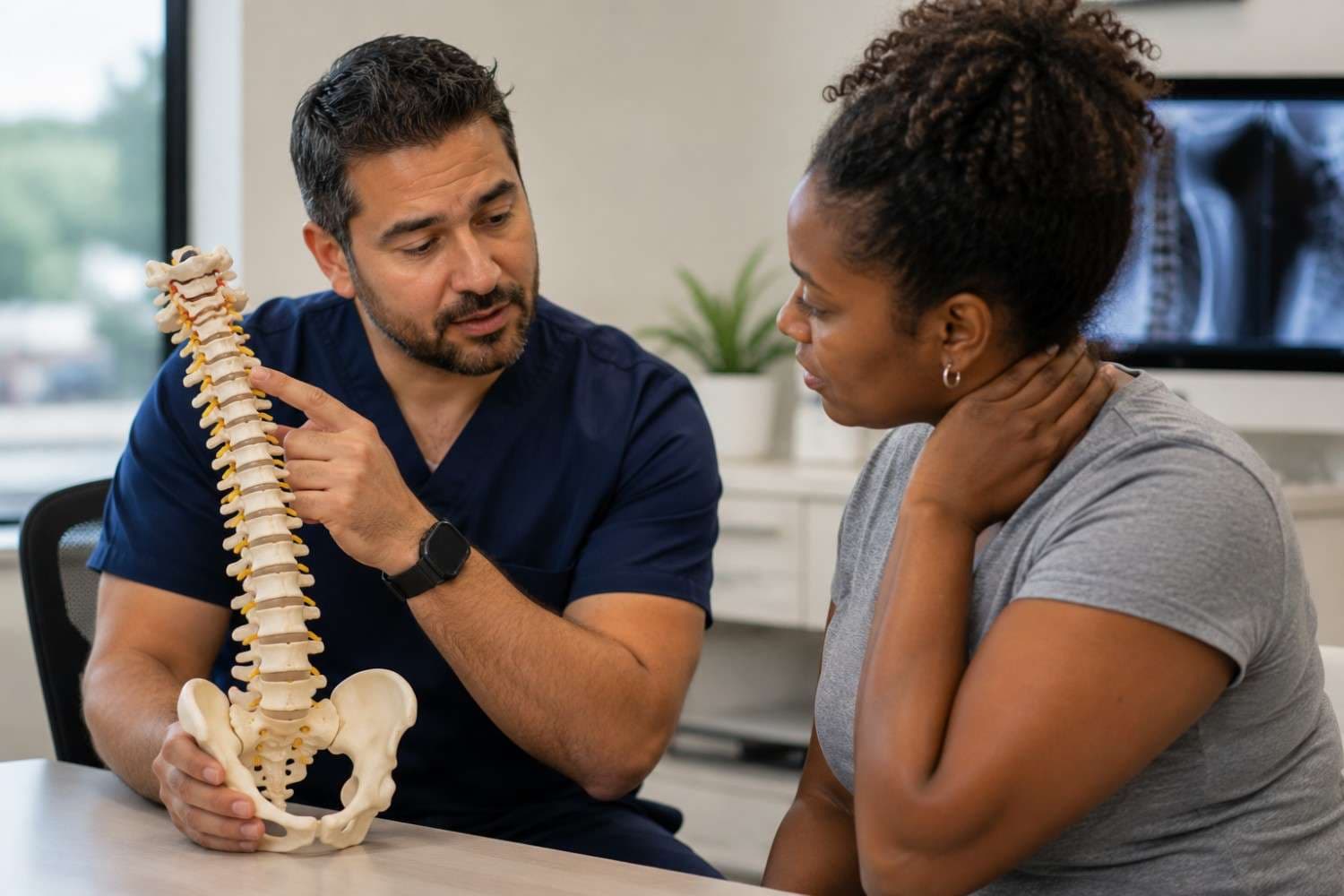
Understanding Whiplash: Symptoms and Treatment in Beaumont
DS
By Deepak Sharma, DC
Medically reviewed
Owner & Doctor of Chiropractic · 16 min read · Published · Updated · Last reviewed

Introduction
Whiplash is a common yet often misunderstood injury, frequently occurring as a result of sudden, forceful movements of the neck, most notably during car accidents. This rapid back-and-forth motion can strain and damage the complex structures of the cervical spine. For individuals living in Beaumont, TX, understanding whiplash is particularly relevant. Our city, located at the crossroads of major highways and serving as a hub for industries involving significant vehicle traffic like the oil and gas sector, unfortunately experiences a high rate of auto accidents. These collisions, especially rear-end impacts, are a primary cause of whiplash injuries among residents.
Whiplash is more than just a temporary stiff neck. Untreated or improperly managed whiplash can lead to persistent neck pain, headaches, reduced mobility, and a range of other debilitating symptoms that can significantly impact daily life, work, and overall well-being. Texas crash statistics, while showing fluctuations, consistently highlight the reality of traffic incidents that can result in these types of injuries across the state, including in Jefferson County and the Beaumont area. Understanding the potential long-term consequences of whiplash underscores the critical importance of timely and effective intervention.
This comprehensive guide is designed specifically for residents of Beaumont, TX, providing a deep dive into the topic of whiplash. We will explore the precise mechanics of how these injuries occur, detail the wide spectrum of symptoms you might experience from immediate signs to delayed onset, explain the diagnostic process used by medical professionals and whiplash specialists in Beaumont, and outline the various whipllash treatment Beaumont TX approaches available, including the benefits of chiropractic care and multidisciplinary treatment options tailored to help you recover.
Recognizing and addressing whiplash promptly is essential for a successful recovery. It is one of the most common car accident injuries treated in Beaumont. By the end of this guide, you will have a thorough understanding of whiplash and feel empowered to seek the appropriate whiplash treatment Beaumont TX offers.
What is Whiplash?
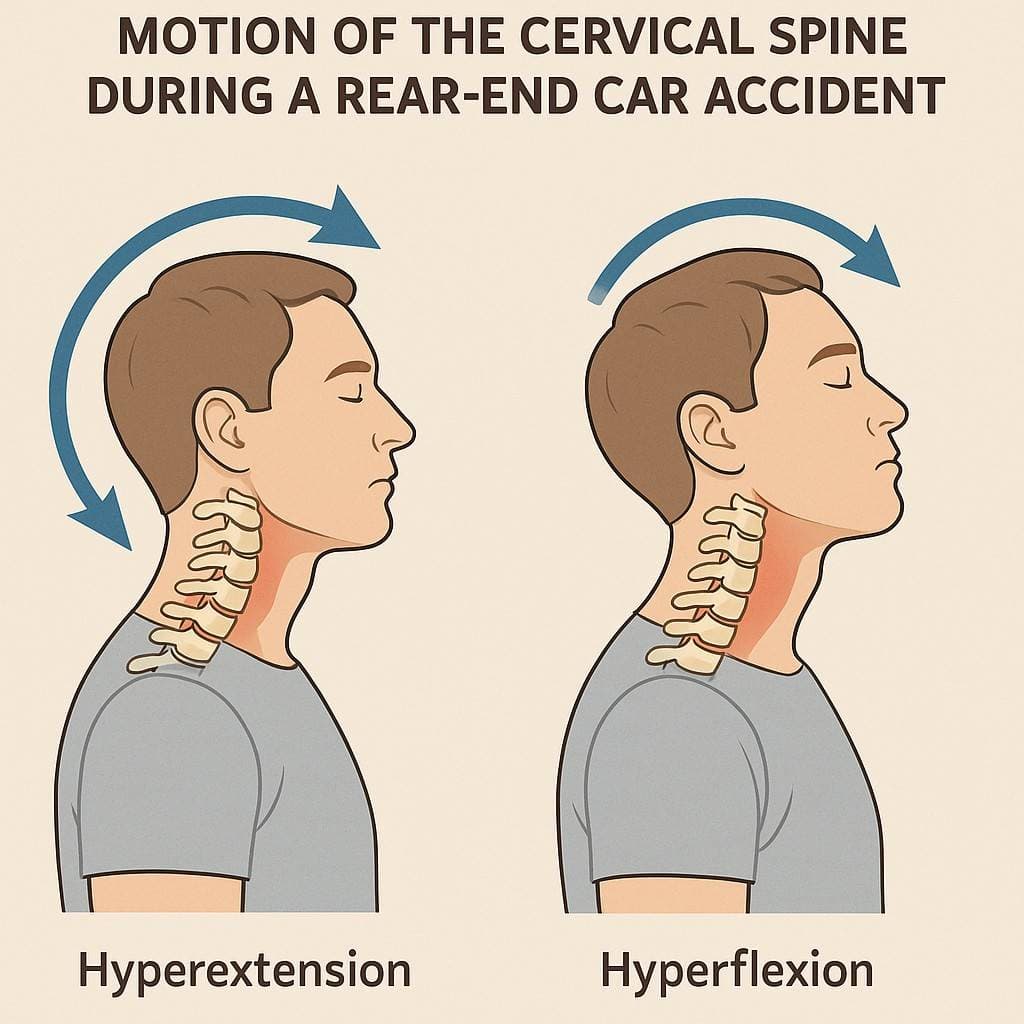
Defining whiplash as a neck injury caused by rapid back-and-forth motion is the starting point, but the reality of the injury involves complex biomechanics and potential damage to a variety of structures. Most commonly, whiplash occurs during rear-end vehicle collisions. When a vehicle is struck from behind, its occupants are propelled forward. The body is accelerated while the head initially lags behind due to inertia. This causes the neck to extend backward rapidly (hyperextension). Moments later, the head is whipped forward as the body decelerates or is stopped by restraints, causing the neck to flex forward beyond its normal range of motion (hyperflexion). This sequence of events, often occurring in less than a second, puts tremendous strain on the cervical spine.
The biomechanics of whiplash during rear-end collisions are extensively studied. The rapid extension and flexion create an unnatural S-shaped curve in the cervical spine, where the lower neck vertebrae are forced into hyperextension while the upper neck vertebrae are still in flexion. This complex motion, different from simple hyperextension, can injure intervertebral discs, facet joints, muscles, ligaments, nerves, and even the spinal cord itself.
Whiplash injuries are often differentiated into acute and chronic cases. Acute whiplash refers to symptoms that appear relatively soon after the injury typically within hours or days and are expected to resolve within weeks or a few months with proper care. Chronic whiplash, also known as Whiplash Associated Disorder (WAD), occurs when symptoms persist for longer periods, often beyond three to six months. Chronic cases can be more challenging to treat and may require a more intensive, multidisciplinary approach to whiplash treatment Beaumont TX.
How Whiplash Occurs
Describe cervical spine hyperextension/hyperflexion using findings from research. Research into whiplash using crash test dummies and human volunteers has provided significant insight into the precise biomechanics of the injury. Findings from studies confirm that the rapid acceleration and deceleration forces in a rear-end collision cause the distinct S-shaped motion of the cervical spine. The soft tissues, including muscles and ligaments, are stretched and potentially torn beyond their normal elastic limits. The intervertebral discs can bulge or herniate, and the facet joints can be compressed or injured.
Mention Beaumont-specific risk factors like highway traffic patterns. The high volume of truck traffic and the frequent congestion points on I-10 and Highway 69 in Beaumont increase the likelihood of rear-end collisions. The stop-and-go nature of traffic during peak hours or near industrial facilities is a prime scenario for whiplash-inducing impacts. Furthermore, the presence of large commercial vehicles means that collisions can involve significant force, increasing the potential severity of the whiplash injury for occupants of smaller passenger vehicles.
Types of Whiplash Injuries
Whiplash is a mechanism of injury, not a specific tissue diagnosis. The forces involved can lead to various types of injuries within the neck and surrounding areas. Compare ligament sprains, muscle strains, and facet joint injuries. Ligament sprains involve damage to the tough, fibrous bands that connect bones, providing stability to the spinal joints. Muscle strains involve damage to the muscle fibers themselves, often due to overstretching or tearing. Facet joint injuries occur when the small joints at the back of the vertebrae, which control spinal movement, are injured through excessive compression or stretching during the whiplash motion.
Reference diagnostic criteria from medical sources. Medical assessment often involves looking for specific signs and symptoms that align with different grades of Whiplash Associated Disorders (WAD), as outlined by the Quebec Task Force classification. Grade 0 indicates no neck complaints or physical signs. Grade I involves neck pain, stiffness, or tenderness without physical signs. Grade II includes neck complaints along with musculoskeletal signs like decreased range of motion or point tenderness. Grade III involves neck complaints and neurological signs like weakness or reflex changes. Grade IV includes neck complaints with fracture or dislocation. Identifying these specific injury types and grading the severity guides the whiplash treatment Beaumont TX plan.
Seeking specialized whiplash care in Beaumont is crucial for accurate diagnosis and a treatment plan tailored to your specific injury type.
Recognizing Whiplash Symptoms
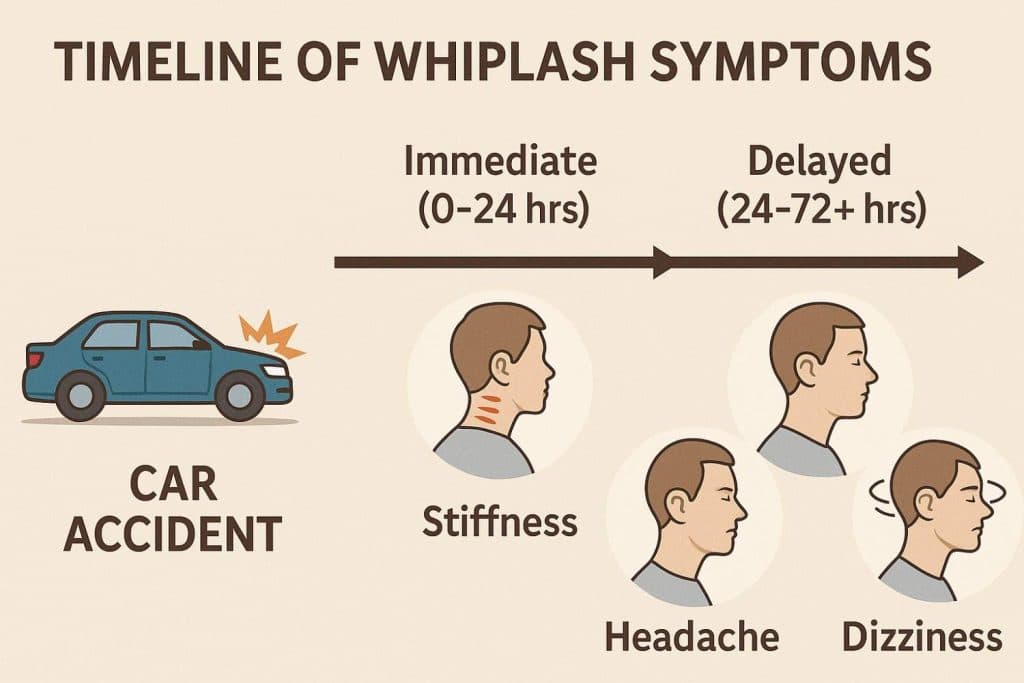
Recognizing whiplash symptoms can be challenging because they don’t always appear immediately after the accident. Emphasize symptom delay (24-72 hours) as per medical guidelines. It is very common for individuals who feel fine at the scene of the accident to develop significant pain and stiffness in the hours or even days following the collision. This delay is often attributed to the body’s adrenaline response to trauma, which can mask pain signals. Therefore, it’s crucial not to assume you are uninjured simply because you don’t feel pain immediately.
Symptoms can range widely in type and severity, affecting not just the neck but also other parts of the body.
Immediate vs Delayed Symptoms
Contrast early neck stiffness with delayed headaches/dizziness using data from clinical findings. While some people may experience immediate neck stiffness or mild pain at the scene, other symptoms frequently have a delayed onset. Early signs might include a feeling of tightness in the neck muscles or a slight headache. Delayed symptoms, often appearing 24 to 72 hours after the accident, can be more pronounced and may include:
- Increased neck pain and stiffness
- Headaches, often starting at the base of the skull
- Shoulder or upper back pain
- Dizziness or vertigo
- Fatigue
- Numbness or tingling in the arms or hands
- Jaw pain (TMJ dysfunction)
- Sleep disturbances
- Difficulty concentrating or memory problems (cognitive fog)
- Irritability or mood changes
Understanding that symptoms can develop over time is essential for monitoring your condition after an accident and seeking care even if initial discomfort is minimal.
Red Flags Requiring Emergency Care
While many whiplash symptoms are not life-threatening, there are certain red flags that require immediate emergency medical evaluation. These can indicate more serious injuries, such as a concussion, spinal fracture, or neurological damage. List neurological symptoms (numbness, vision changes) from medical resources. Seek immediate care at an emergency room in Beaumont if you experience any of the following after a car accident:
- Severe neck pain that is rapidly worsening
- Significant numbness, tingling, or weakness in your arms or legs
- Difficulty walking or coordinating movements
- Loss of bladder or bowel control
- Severe headache, especially if accompanied by nausea or vomiting
- Changes in vision, such as blurred vision, double vision, or sensitivity to light
- Difficulty speaking or slurred speech
- Confusion, disorientation, or memory loss
- Loss of consciousness, however brief
Include Beaumont ER locations. Beaumont is served by several hospitals with emergency departments equipped to handle severe injuries. Knowing where these facilities are located allows for prompt access to care if these red flags appear.
For urgent medical needs, it’s important to know the location of 24/7 accident care facilities.
Diagnosing Whiplash in Beaumont
Accurate diagnosis of whiplash requires a thorough evaluation by a healthcare professional experienced in musculoskeletal and auto accident injuries. Outline diagnostic protocol per Texas medical guidelines. A typical diagnostic protocol will involve a combination of a detailed medical history, a comprehensive physical examination, and sometimes imaging studies.
Physical Examination Techniques
Detail range-of-motion tests and palpation methods from medical assessment protocols. The physical examination is a cornerstone of whiplash diagnosis. The healthcare provider will assess your range of motion in the neck, asking you to perform various movements like flexing chin to chest, extending looking up, rotating turning head side to side, and laterally bending ear to shoulder. Restricted or painful movement is a key indicator of injury. Palpation involves the healthcare provider gently feeling your neck, shoulders, and upper back to identify areas of tenderness, muscle spasms, or swelling. They may also check your reflexes, strength, and sensation in your arms and hands to assess for potential nerve involvement.
Advanced Imaging Options
Compare X-ray, MRI, and CT scan uses with references to medical imaging guidelines. Imaging studies play a role in whiplash diagnosis, primarily to rule out more severe injuries like fractures or dislocations, or to visualize soft tissue damage.
- X-rays: Typically the first imaging study performed, X-rays are used to check for broken bones or spinal instability. They are good for visualizing bony structures but show limited detail of soft tissues.
- CT Scans: CT scans provide more detailed cross-sectional images of bone and some soft tissue. They are often used in emergency settings to rule out fractures or bleeding in the brain.
- MRI Scans: MRI is the preferred imaging method for visualizing soft tissues, including ligaments, muscles, tendons, discs, and nerves. An MRI can reveal disc herniations, ligament tears, muscle strains, or nerve compression that may be contributing to whiplash symptoms, even if X-rays are normal.
Mention local imaging centers. Beaumont has various medical facilities equipped with advanced imaging technology, including X-ray, CT, and MRI capabilities. Your healthcare provider will recommend the appropriate imaging study based on your symptoms and physical examination findings.
For detailed soft tissue assessment, diagnostic imaging services near you, such as an MRI, are invaluable.
Comprehensive Treatment Approaches
Effective whiplash treatment Beaumont TX utilizes a comprehensive, often multidisciplinary approach tailored to the individual’s specific diagnosis and symptom severity. Treatment plans typically progress through different phases, starting with pain and inflammation management, moving to restoring mobility and strength, and finally focusing on long-term recovery and prevention.
Conventional Medical Treatments
Conventional medical treatments often form the initial part of a whiplash management plan, focusing on symptom relief. Discuss pain medications and physical therapy protocols from medical guidelines. Common medical interventions include:
- Pain Medications: Over-the-counter pain relievers like NSAIDs (ibuprofen, naproxen) help reduce pain and inflammation. In some cases, prescription pain medication or muscle relaxants may be used for short-term relief of more severe pain or muscle spasms.
- Physical Therapy: Physical therapy is a cornerstone of whiplash rehabilitation. A physical therapist will design a program of exercises and stretches to help restore range of motion, strengthen the neck and upper back muscles, and improve posture. Modalities like heat, cold, and electrical stimulation may also be used to reduce pain and muscle tension.
Chiropractic Interventions
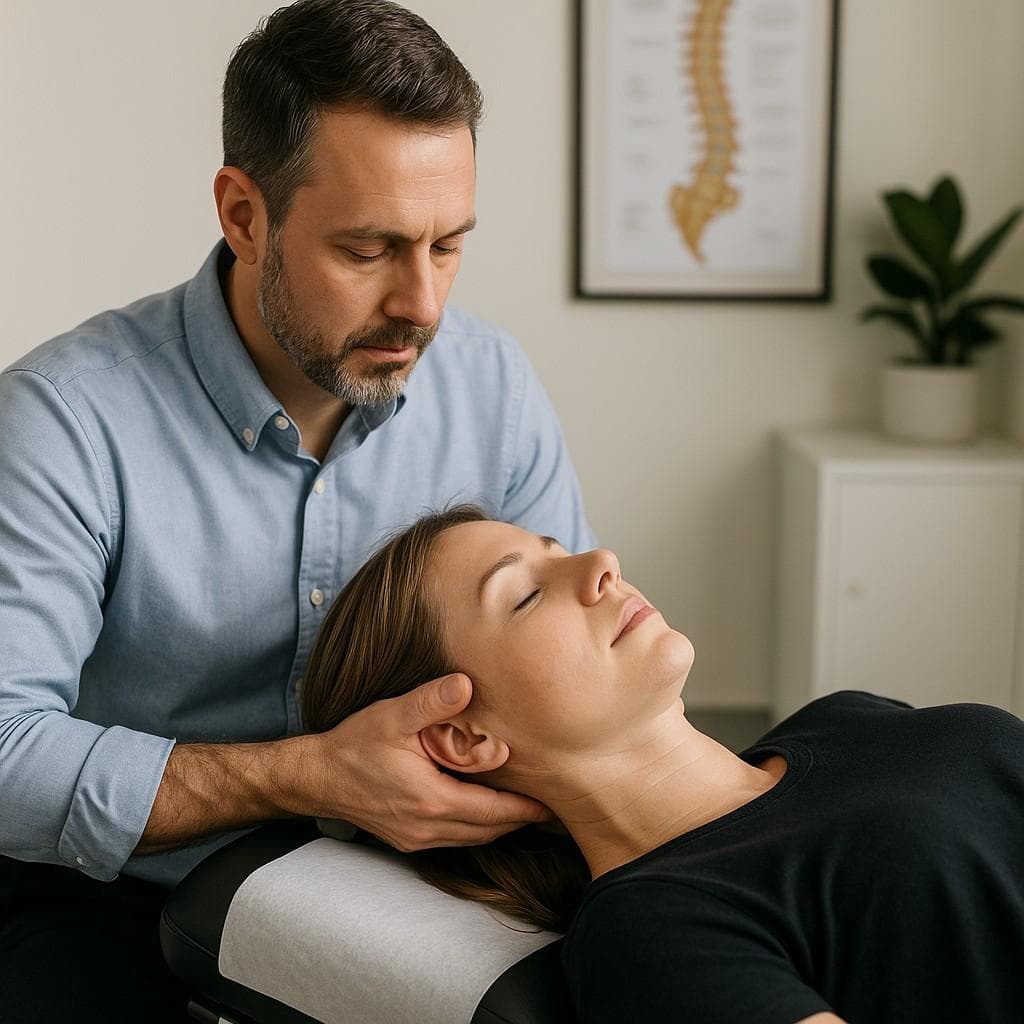
Chiropractic care is a widely sought-after and effective approach for whiplash treatment Beaumont TX, focusing on the relationship between the spine and nervous system. Chiropractors utilize manual adjustments and other techniques to address joint restrictions and reduce pain. Detail spinal adjustments, muscle release techniques, and rehabilitation exercises from clinical practices. Chiropractic interventions for whiplash may include:
- Spinal Adjustments (Manipulation): Gentle, controlled force is applied to specific spinal joints that are restricted or misaligned to restore proper movement and reduce nerve irritation.
- Muscle Release Techniques: Various manual techniques are used to reduce tension and spasms in the neck and upper back muscles.
- Rehabilitation Exercises: Chiropractors often prescribe specific exercises to help patients regain neck strength, flexibility, and endurance, complementing the adjustments.
Beaumont-Specific Chiropractic Protocols
Highlight specific chiropractic techniques used locally, citing common practices. Some chiropractors in Beaumont may utilize specific techniques known for their effectiveness in whipllash cases. The Graston technique, a form of instrument-assisted soft tissue mobilization (IASTM), uses stainless steel instruments to break up scar tissue and fascial restrictions in the muscles and ligaments of the neck and upper back. The flexion-distraction technique is a gentle, non-thrusting technique often used for disc-related pain, which can be a component of whiplash injuries. These specialized approaches, combined with traditional adjustments, form effective whiplash treatment Beaumont TX protocols.
To explore these options, learn about our whiplash chiropractic specialists.
Long-Term Recovery Strategies
While acute whiplash often resolves within weeks or months, some individuals can experience chronic symptoms. Implementing long-term recovery strategies is essential for preventing chronic whiplash and managing persistent pain.
Preventing Chronic Whiplash
Outline ergonomic adjustments and home exercises from medical recommendations. Preventing the transition from acute to chronic whiplash involves consistent care and proactive strategies. Ergonomic adjustments at work and home, such as ensuring proper computer monitor height, chair support, and sleeping posture, can reduce ongoing strain on the neck. Regular home exercises prescribed by a physical therapist or chiropractor, including gentle stretches and strengthening exercises, help maintain mobility and support the injured tissues. Avoiding activities that aggravate symptoms and gradually increasing activity levels are also crucial.
Pain Management Solutions
Describe trigger point injections and radiofrequency ablation from pain management practices. For individuals who develop chronic whiplash and persistent pain that doesn’t respond to conventional therapies, pain management solutions may be necessary. Trigger point injections involve injecting a local anesthetic and sometimes a steroid into painful muscle knots to release tension and reduce pain. Radiofrequency ablation uses heat to temporarily disrupt the nerves sending pain signals from the facet joints, providing longer-lasting pain relief for facet joint-related whiplash pain. These are advanced options available through pain management specialists.
If you are dealing with ongoing discomfort, you can consult with chronic neck pain specialists.
Why Choose Beaumont for Whiplash Care?
Choosing to seek whiplash treatment Beaumont TX offers several advantages for residents. Accessing local care means convenience and the ability to build a consistent relationship with your healthcare providers throughout your recovery journey.
Local Multidisciplinary Teams
Profile collaborative care between chiropractors, physiatrists, and neurologists using examples of local practices. Many reputable clinics and hospitals in Beaumont offer multidisciplinary teams or coordinate care effectively between different specialists. This means that your whiplash treatment Beaumont TX plan can involve collaboration between chiropractors for spinal adjustments, physiatrists physical medicine and rehabilitation doctors for overall rehabilitation planning and pain management, and neurologists for addressing headaches, dizziness, or other neurological symptoms. This collaborative approach ensures all aspects of your injury are addressed.
Insurance and Legal Considerations
Explain Texas personal injury protection (PIP) requirements related to treatment documentation. In Texas, Personal Injury Protection (PIP) coverage is designed to help cover medical expenses and lost wages after a car accident, regardless of who was at fault. Seeking prompt whiplash treatment Beaumont TX and maintaining thorough documentation of all medical visits, diagnoses, treatments, and expenses is crucial for supporting a PIP claim and any potential personal injury claim against the at-fault driver. Understanding your insurance policy and the documentation required is important.
Conclusion
Whiplash is a significant injury often resulting from the types of car accidents common in Beaumont, TX. Understanding its complex mechanics, recognizing the potential for delayed symptoms, and seeking timely, appropriate whiplash treatment Beaumont TX are crucial steps towards recovery.
We have detailed how whiplash occurs, the various types of injuries it can involve, and the importance of recognizing both immediate and delayed symptoms. We’ve outlined the diagnostic process in Beaumont, emphasizing the roles of physical examination and imaging. We also explored comprehensive treatment approaches, including conventional medical care, specialized chiropractic interventions, and strategies for long-term recovery and pain management.
Reiterate importance of early intervention and Beaumont-specific care pathways. Prompt evaluation by a healthcare professional experienced in auto injuries is vital, ideally within 72 hours of the accident, even if symptoms seem mild. Early diagnosis and treatment can significantly improve outcomes and help prevent the development of chronic pain. Choosing a provider in Beaumont ensures access to local resources and coordinated, multidisciplinary care tailored to the specific needs of residents.
To take the first step, book your initial consultation. For a broader understanding of recovery, explore our complete accident recovery guide.
Whiplash FAQ for Beaumont Residents
Here are some frequently asked questions about whiplash, with a focus on resources and considerations for residents of Beaumont, TX:
- How soon after a car accident in Beaumont should I get checked for whiplash? It’s highly recommended to get a medical evaluation within 72 hours of a car accident, even if you don’t have immediate symptoms. Whiplash symptoms often have a delayed onset.
- Can a whiplash specialist Beaumont diagnose whiplash without imaging? Yes, whiplash is primarily a clinical diagnosis based on the mechanism of injury, symptoms, and physical examination. Imaging is often used to rule out more severe injuries like fractures or disc herniations.
- What types of whiplash treatment Beaumont TX are most effective? A combination of approaches is often most effective, including physical therapy, chiropractic care, pain management techniques, and sometimes medication. The best plan depends on the individual injury. Explore our treatment approaches.
- Will my auto insurance cover whiplash treatment Beaumont TX? Most auto insurance policies in Texas, particularly Personal Injury Protection (PIP) coverage, should cover necessary medical treatment for whipllash sustained in a car accident, regardless of fault. Understand insurance and documentation.
- How long does it take to recover from whiplash? Recovery time varies depending on the severity of the injury. Many people recover within a few weeks or months with proper whiplash treatment Beaumont TX, but some can develop chronic symptoms.
- Can chiropractic adjustments help with neck pain after car accident? Yes, chiropractic adjustments are a common and often effective treatment for neck pain after car accident, including pain caused by whiplash, by addressing spinal misalignments and muscle tension. Learn about chiropractic care for neck pain.
- What are common symptoms of whiplash besides neck pain? Besides neck pain and stiffness (whiplash symptoms), common symptoms include headaches, dizziness, fatigue, shoulder pain, upper back pain, and sometimes numbness or tingling in the arms. See a full list of symptoms.
- Are there specific rehabilitation exercises for whiplash? Yes, physical therapists and chiropractors prescribe specific exercises to restore range of motion, strengthen neck muscles, and improve posture after whiplash.
- When should I see a whiplash specialist Beaumont vs. a general doctor? While a general doctor can provide initial assessment, a whiplash specialist Beaumont like an auto injury chiropractor, physiatrist, or neurologist has more specialized experience in diagnosing and treating whiplash and associated injuries.
- Can whiplash cause chronic headaches? Yes, headaches, particularly cervicogenic headaches originating from the neck, are a common chronic symptom of whiplash. Understand headaches after car accidents.
Medically reviewed by
Verified
DS
Deepak Sharma
DC
Owner & Doctor of Chiropractic
Deepak Sharma, DC is a licensed Doctor of Chiropractic and the owner of Car Accident Cares in Beaumont, TX. He reviews the clinical content published across the site and works with a multidisciplinary network of MDs, chiropractors, imaging centers, and pain-management specialists focused on accurate diagnosis, evidence-based treatment, and complete recovery for motor-vehicle-accident victims across Beaumont and Houston.