Owner & Doctor of Chiropractic · 13 min read · Published · Updated · Last reviewed
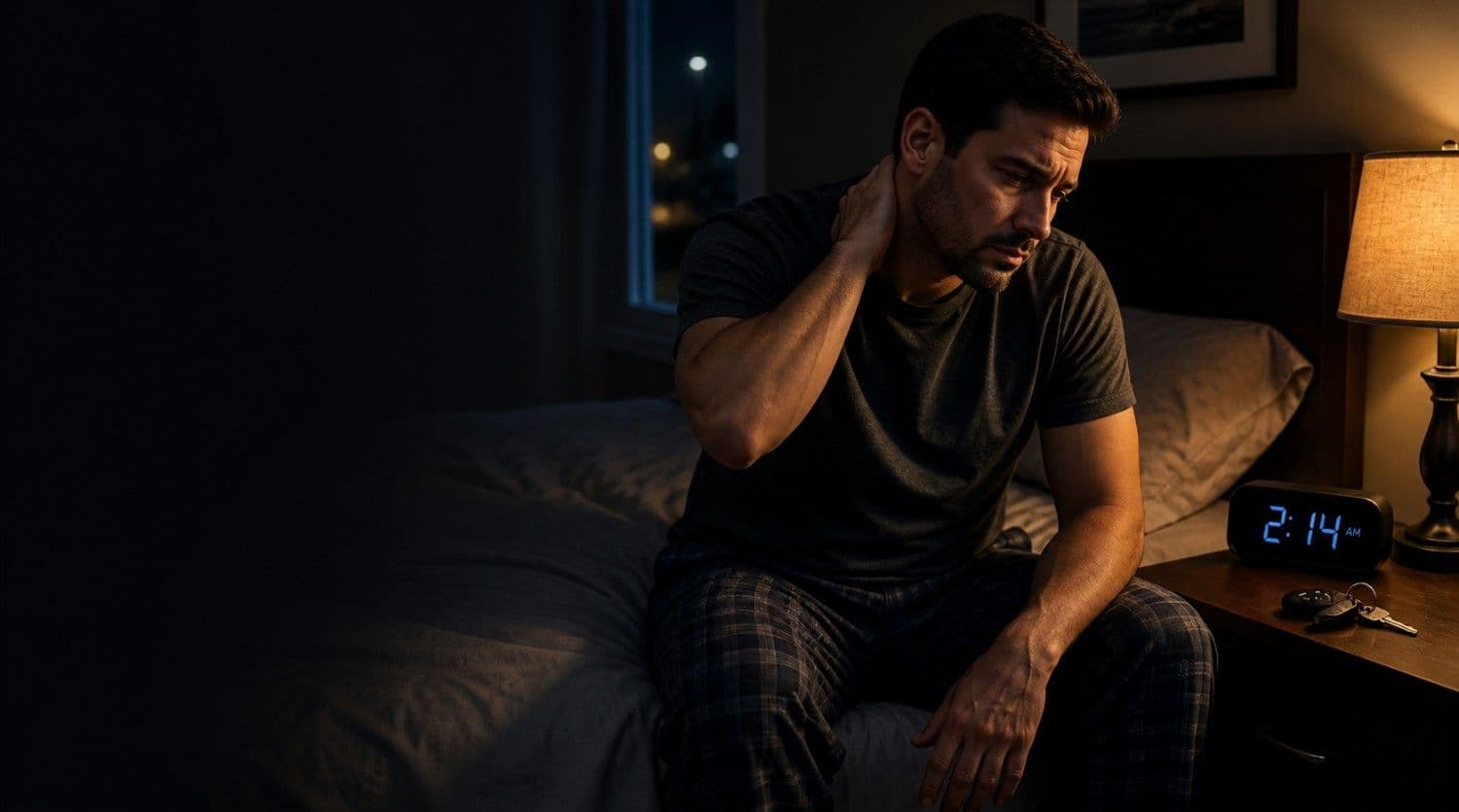
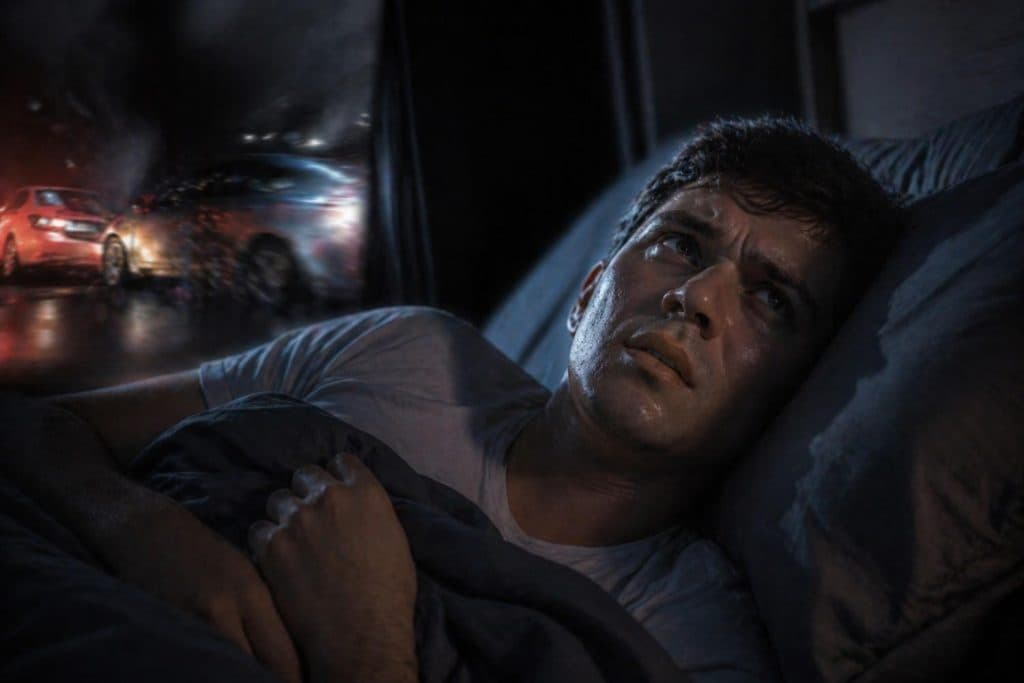
Imagine this scenario: It is 2am in Beaumont. The house is completely quiet, but your mind is racing at a million miles an hour. You adjust your pillow for the twentieth time, but that sharp, radiating ache in your neck simply won’t let you settle. It has been exactly two weeks since your collision on I-10, and you are utterly exhausted, yet sleep remains entirely out of reach.
If you are reading this right now in the middle of the night, please know this: your body is trying to tell you that something isn’t fully healed yet. Many people assume they are “just stressed” after a crash, but if you are looking for effective sleep problems after car accident Beaumont TX treatment, you first need to understand that your insomnia is very likely a direct physical symptom of an untreated injury. Let’s talk neighbor-to-neighbor about why you are struggling to sleep, and more importantly, how we can help you find true, lasting relief.
Why car accident survivors in Beaumont struggle to sleep — the real reasons
When you are involved in an auto collision, your body goes through a massive shock. In a fraction of a second, your nervous system is thrown into a severe “fight or flight” response. This evolutionary defense mechanism floods your system with adrenaline and cortisol to help you survive the immediate trauma. The problem? For many car accident survivors, the nervous system gets stuck in that heightened state of alert.
During the day, the hustle and bustle of Beaumont traffic, going to work, and taking care of your family serve as powerful distractions. You might feel a dull ache, but your mind is occupied. However, when night falls and those distractions disappear, your brain finally has the quiet space to process the trauma—and the pain. Furthermore, muscle tension from soft tissue damage causes intense positional pain. Every time you roll over or try to relax, your damaged muscles spasm, pulling you right back out of sleep. You might also be dealing with anxiety about getting back behind the wheel, mounting medical bills, and navigating the recovery process. All of these factors violently disrupt your sleep cycle. They are highly treatable, and we want to assure you: none of this is “just stress.”
The 4 physical causes of post-accident insomnia
If you cannot sleep, there is usually a mechanical or neurological reason why. Here are the four most common physical injuries that destroy sleep quality after a crash:
1. Whiplash and Cervical Spine Pain
Whiplash is notorious for ruining sleep. When your neck is violently snapped back and forth during an impact, the delicate ligaments and muscles supporting your cervical spine are torn and strained. Finding a comfortable neck position on a standard pillow becomes nearly impossible. Your neck requires structural support to rest, and without properwhiplash and neck pain treatment, you will constantly wake up the moment your muscles relax and lose their guard over your injured spine.
2. Herniated and Bulging Discs
The force of a collision can easily cause the soft discs between your vertebrae to bulge or herniate. When you lie down perfectly flat in bed, the spinal dynamics change, often increasing the pressure on surrounding nerves. This can cause a burning or tingling sensation down your arms or legs that makes sleep unbearable. Seeking out a specialized herniated disc doctor is critical to relieving that nerve compression so you can actually rest.
3. Soft Tissue Injuries and Muscle Spasms
Even without broken bones, the trauma to your muscles, tendons, and ligaments is profound. When you sleep, your body naturally tries to repair these micro-tears. However, as the muscles attempt to heal and contract, they can go into severe spasms. These sudden, sharp cramps will jolt you awake instantly. Comprehensive management for soft tissue injuries can help reduce the inflammation driving these nighttime spasms.
4. Concussions and Traumatic Brain Injuries (TBIs)
If you hit your head—or even if your brain was just violently rattled inside your skull—you may have suffered a mild traumatic brain injury (mTBI) or concussion. Concussions can fundamentally alter your brain’s natural sleep architecture. This biological disruption inhibits your ability to produce melatonin and enter the deep, restorative REM sleep cycles your brain desperately needs to heal.
How PTSD and anxiety disrupt sleep after a Beaumont car accident
Physical pain isn’t the only culprit; the emotional toll of a severe accident is equally disruptive. Roughly 20% to 30% of car accident survivors develop symptoms of Post-Traumatic Stress Disorder (PTSD). One of the hallmark symptoms of trauma is hyperarousal—an inability to mentally and physically “switch off.” You might close your eyes only to experience intrusive thoughts, vivid flashbacks of the crash, or an overwhelming sense of dread. Your brain perceives the vulnerable state of sleep as a threat, constantly waking you up to ensure you are safe.
If PTSD and anxiety are disrupting your sleep after the accident, please know that you do not have to suffer in silence. At Car Accident Cares, we recognize that mental health is a vital component of physical recovery. We facilitate access to proven PTSD treatments, including Cognitive Processing Therapy (CPT) and Eye Movement Desensitization and Reprocessing (EMDR). These therapies directly address how your brain processes trauma, allowing your nervous system to finally stand down and let you sleep. To better understand how trauma impacts your central nervous system, we highly recommend exploring the resources provided by theAmerican Psychological Association (APA).
Why treating the injury — not the insomnia — is the real solution
When you are desperately tired, it is tempting to ask your doctor for a prescription sleeping pill or to rely heavily on over-the-counter sleep aids. But here is the hard truth: sleeping pills only mask the symptom. If a herniated disc is pinching a nerve in your lower back, a sleeping pill won’t fix the disc. If your neck muscles are spasming from whiplash, a sedative won’t heal the micro-tears. The physical and psychological root causes will remain entirely untreated, and the moment the medication wears off, the pain and insomnia will return.
A true, comprehensive approach involves identifying exactly which underlying, untreated injury is driving the sleep disruption. By partnering with medical doctors, chiropractors, and a dedicatedpain management clinic in Beaumont, we can create a targeted treatment plan that addresses the root cause of your sleeplessness. When the inflammation goes down and the spine is stabilized, your body will naturally return to its normal sleep cycle. You can explore extensive clinical evidence supporting non-pharmaceutical, physical recovery methods through resources like theNational Library of Medicine (NLM).
What our sleep problems after car accident Beaumont TX treatment evaluation includes
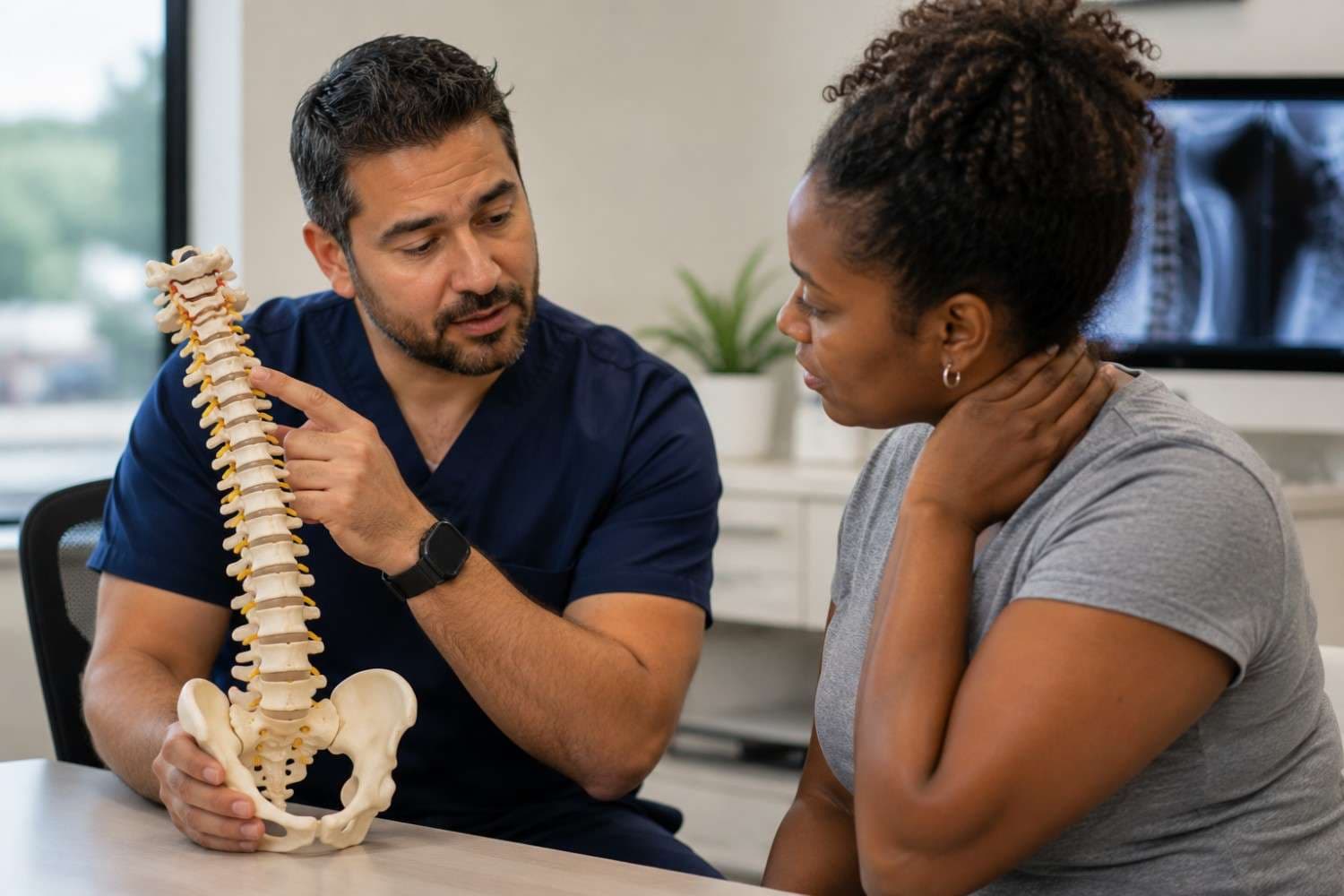
We don’t just guess at what is keeping you awake; we find out for sure. When you come into our Beaumont clinic for a post-accident sleep disruption evaluation, you can expect a comprehensive, 45 to 60-minute assessment.
First, our specialists will conduct a thorough physical and neurological exam to pinpoint areas of nerve compression, muscle spasm, and joint instability. If necessary, we will provide a referral for advanced diagnostic imaging, such as an MRI or CT scan, to get a clear picture of what is happening inside your body. From there, we focus on specialist matching. Depending on your specific injuries, we will connect you with top-tier chiropractic care, pain management doctors, or PTSD counseling. We also take the administrative burden off your shoulders by handling the insurance paperwork, allowing you to focus entirely on healing.
Book your same-day evaluation in Beaumont — transportation available
You have already been through enough trauma; getting to the doctor shouldn’t be another hurdle. We offer same-day evaluations so you don’t have to spend another sleepless night wondering what is wrong. With over 100 locations across the greater Houston and Beaumont areas, high-quality care is always nearby.
Furthermore, we understand that your vehicle might be totaled or you may be too anxious to drive. That is why we proudly offer transportation assistance to ensure you can make it to your appointments. There are no upfront out-of-pocket costs to worry about, as we work directly with auto insurance and medical liens. Don’t wait until the exhaustion breaks you down.
Conclusion
Lying awake night after night in pain is an incredibly isolating and exhausting experience. You do not have to simply “tough it out” or wait for the exhaustion to magically go away. The physical and emotional injuries keeping you awake are real, valid, and highly treatable.
Our dedicated medical team is ready to uncover the exact root cause of your pain, calm your nervous system, and help you achieve the deep, restorative rest your body desperately needs to heal. If you are looking for genuine sleep problems after car accident Beaumont TX treatment, you don’t have to face it alone. Don’t spend another night staring at the ceiling in pain. Reach out to our compassionate team today by visiting ourcar accident cares to schedule your same-day evaluation. Comprehensive care under one roof, we are here for you, every step of the way.
Frequently Asked Questions About Car Accident Care in Beaumont
Is it normal to have insomnia after a car accident?+
Yes, it’s completely normal. Your nervous system is jolted into a “fight or flight” response, flooding your body with adrenaline. Combined with physical pain from injuries, relaxing becomes impossible. If you need sleep problems after car accident Beaumont TX treatment, early medical care is crucial.
How long do sleep problems usually last after a car crash?+
Duration varies based on injury severity. While acute shock may fade in weeks, untreated structural damage or PTSD can cause chronic insomnia lasting months. Seeking prompt sleep problems after car accident Beaumont TX treatment helps address the root cause, accelerating your recovery and restoring restful nights sooner.
How does whiplash specifically cause sleep disruption at night?+
Whiplash tears delicate neck ligaments. During the day, you consciously guard your neck. At night, you lose that active muscle control. Without support, your damaged neck muscles spasm defensively to protect your unstable spine, repeatedly jolting you awake. Proper treatment stabilizes the spine so you can finally rest.
What is the best way to treat sleep problems after a car accident?+
The best approach targets the underlying injury, not just the symptom. A comprehensive recovery plan includes chiropractic adjustments, physical therapy, and pain management to heal physical damage, alongside PTSD therapies like EMDR to calm your hyperactive nervous system.
Should I take prescription sleeping pills to help me rest after an accident?+
Sleeping pills only mask the symptom without healing the underlying trauma. If a herniated disc is pinching a nerve, a sedative won’t relieve that pressure. Relying on sleep aids delays actual recovery. Instead, undergo a thorough evaluation to identify and actively treat the true root cause of your pain.
Can a concussion or head injury from a crash affect how I sleep?+
Absolutely. Even a mild traumatic brain injury disrupts the neurological pathways regulating your sleep-wake cycle. Concussions interfere with melatonin production, making it incredibly difficult to reach deep, restorative REM sleep. If you suspect a head injury, prompt neurological evaluation is vital for your post-accident recovery.
How do PTSD and anxiety from the accident keep me awake at night?+
Trauma forces your central nervous system into chronic hyperarousal. Your brain perceives the vulnerability of sleep as a threat, triggering racing thoughts, flashbacks, and adrenaline surges. Effective sleep problems after car accident Beaumont TX treatment incorporates proven therapies like CPT to help your nervous system finally feel safe again.
Does personal injury protection (PIP) or auto insurance cover treatment for sleep issues?+
Yes, if your sleep disruption stems from accident-related injuries like whiplash or PTSD, necessary interventions are typically covered by PIP or the at-fault driver’s insurance. We carefully document this connection and handle all insurance paperwork, ensuring you get proper care without worrying about upfront out-of-pocket costs.
Why does my pain feel so much worse right when I try to go to sleep?+
Daytime activities and noise naturally distract your brain from pain signals. In a quiet, dark room, your brain focuses entirely on your injuries. Additionally, lying still causes inflamed joints and traumatized muscles to stiffen rapidly, making nighttime the most painful and challenging part of your post-accident recovery.
What kind of doctor should I see for sleep problems after a car crash?+
You need an integrated medical team to evaluate all angles. Comprehensive treatment requires chiropractors for structural injuries, pain management specialists for nerve compression, and counselors for PTSD. Addressing physical, neurological, and emotional trauma under one roof ensures the most complete recovery.
Medically reviewed by
Verified
DS
Deepak Sharma
DC
Owner & Doctor of Chiropractic
Deepak Sharma, DC is a licensed Doctor of Chiropractic and the owner of Car Accident Cares in Beaumont, TX. He reviews the clinical content published across the site and works with a multidisciplinary network of MDs, chiropractors, imaging centers, and pain-management specialists focused on accurate diagnosis, evidence-based treatment, and complete recovery for motor-vehicle-accident victims across Beaumont and Houston.