Who to Call After a Car Accident in Beaumont: Your Essential Checklist
DS
By Deepak Sharma, DC
Medically reviewed
Owner & Doctor of Chiropractic · 4 min read · Published · Updated · Last reviewed
Introduction
Car accidents on Beaumont’s busy corridors—Interstate 10, U.S. 69, and College Street—happen fast, leaving little time to think clearly. In 2024 Texas logged 4,150 traffic fatalities and more than 18,200 serious-injury crashes, underscoring why every driver should know exactly whom to contact in the crucial first minutes after a collision. Follow this step-by-step checklist to protect your health, legal rights, and finances.
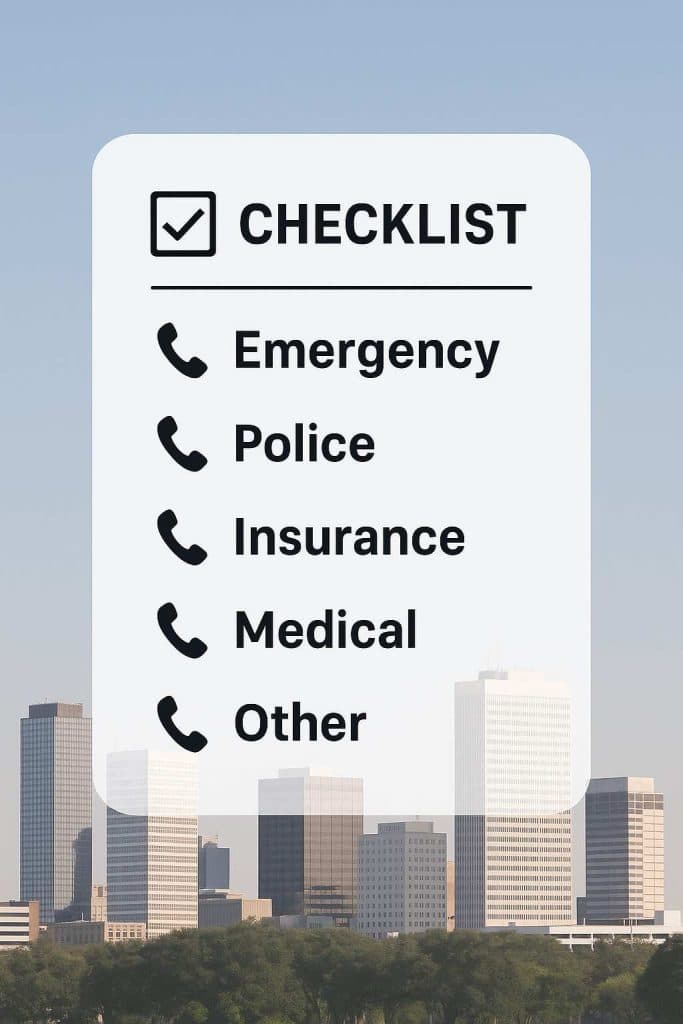
From securing the scene to ensuring proper medical and legal documentation, this checklist is your roadmap to navigating the immediate aftermath of a collision and receiving comprehensive post-accident support.
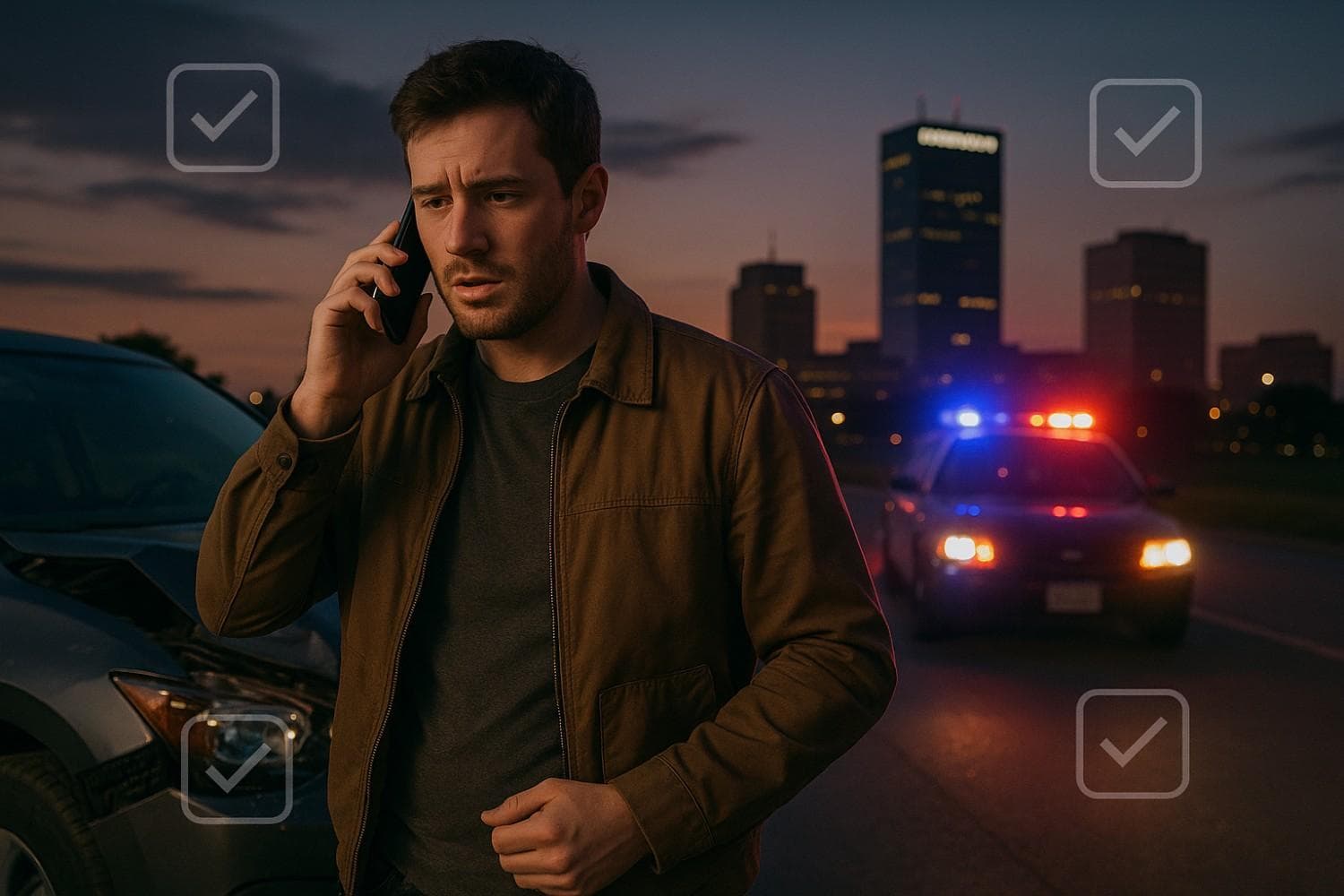
1. Dial 911 Before Anything Else
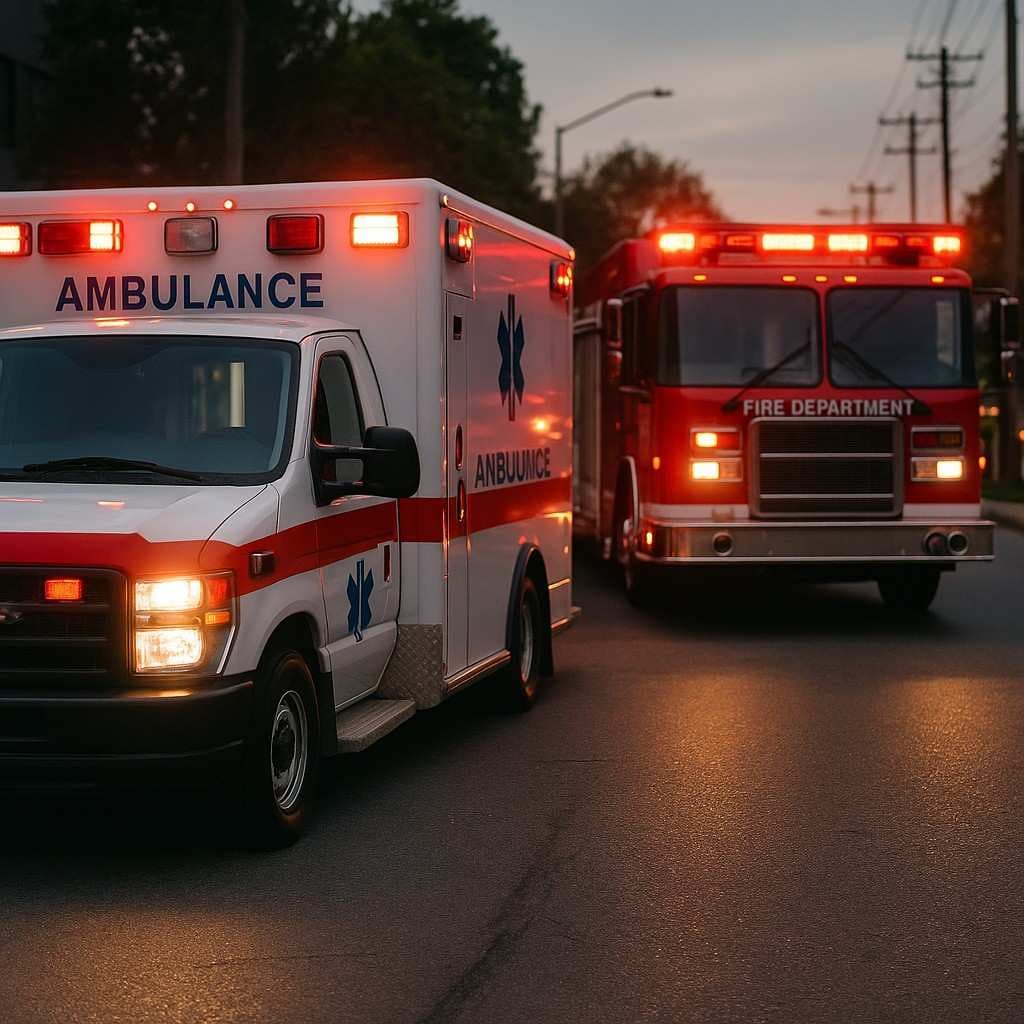
EMS crews in urban areas average a seven-minute arrival time once a 911 call is placed. Activate that clock immediately if:
- Anyone is hurt or complaining of pain
- Vehicles block traffic or leak fluids
- You suspect fire, smoke, or downed power lines
Give the dispatcher:
- Precise location (“northbound Eastex Fwy at Dowlen Road,” or a landmark such as Parkdale Mall)
- Number of vehicles and injured parties
- Visible hazards (fuel leak, trapped passenger, etc.)
Stay on the line until told to disconnect; the dispatcher may provide life-saving instructions while help is en route.
2. Notify the Beaumont Police Department
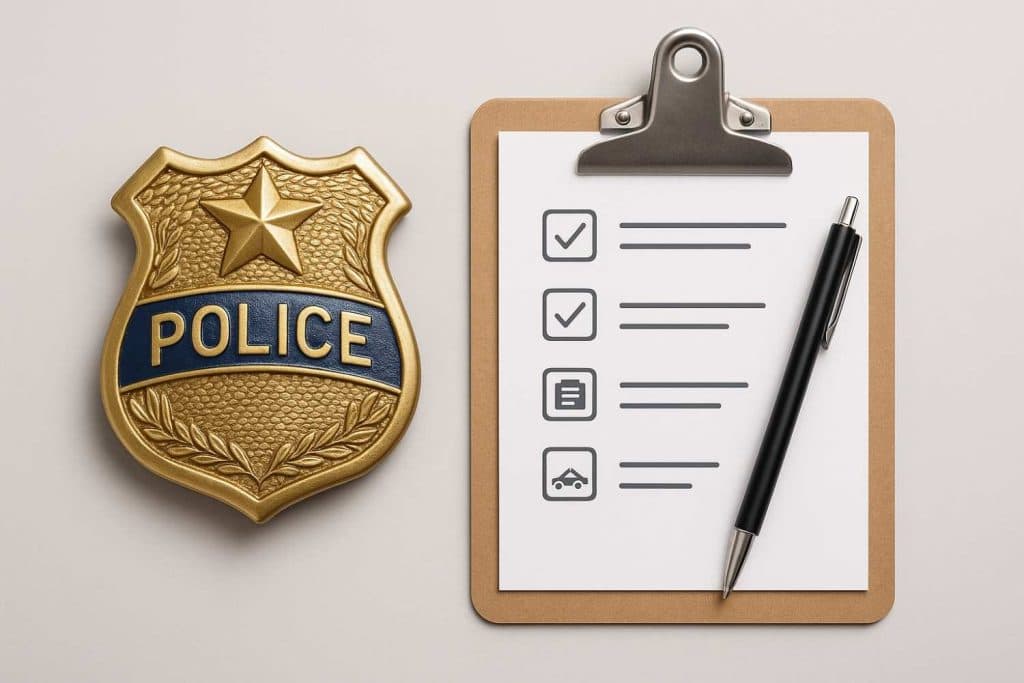
Texas law requires a police report whenever injuries occur, someone is killed, or property damage will exceed $1,000. That threshold is easy to cross—modern bumper repairs alone can top $1,500—so err on the side of calling the police even for a “minor” fender-bender.
An officer’s crash report supplies an unbiased narrative insurers rely on to assign liability. Ask the responding officer for:
- Report (CR-3) number
- Their name, badge, and agency
- Instructions for obtaining the final report (usually available in 7–10 days)
If traffic is clear and no one appears hurt, you may use the non-emergency line, but if in doubt call 911.
3. Contact Your Insurance Company Within 24 Hours
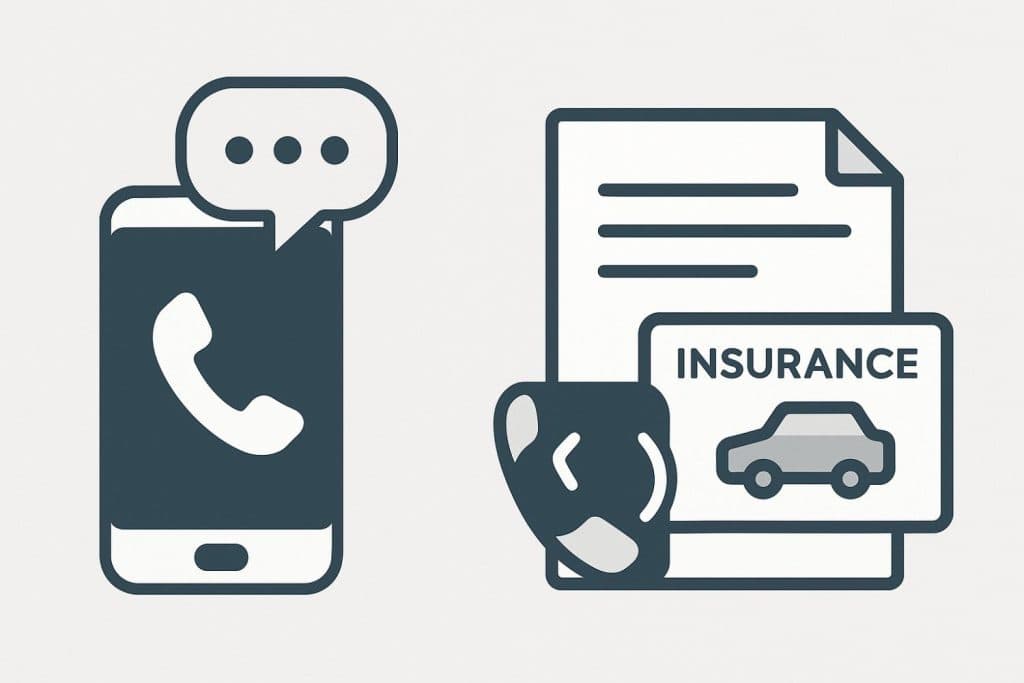
Most policies require “prompt notice,” generally interpreted as 24–72 hours. Have ready:
- Policy number
- Date, time, and exact location of crash
- Other driver’s name, insurer, and policy number
- Police report number
- List of witnesses and their phone numbers
- Objective description of damage and injuries (do not admit fault)
Timely reporting prevents your carrier from citing late notice as grounds to delay or deny a claim.
4. Seek Immediate Medical Evaluation
Roughly one in five accident victims develop delayed-onset symptoms because adrenaline masks pain in the first 24–72 hours. Concussions, whiplash, and internal injuries frequently surface after you leave the scene. A same-day medical examination:
- Documents injuries before an insurance adjuster claims they are unrelated
- Establishes a treatment plan, reducing the risk of chronic pain
- Fulfills Texas personal-injury-protection (PIP) policy requirements for reimbursement
If severe pain or neurologic symptoms appear later, return for re-evaluation—the gap is explained medically and will not invalidate your claim when documented promptly.

5. Alert Other Critical Contacts
Depending on circumstances, make these additional calls:
Contact
Why It Matters
Ideal Timing
Employer
Workers’ comp and fleet insurance if accident occurred on the job
Same day
Rental-car company
Contract requires immediate notice of damage
Within hours
Towing service
Remove undrivable vehicles from roadway
Before leaving scene
Family member or friend
Arrange transportation, emotional support
As soon as safe
Legal counsel (optional)
Advice on liability, evidence preservation
Within first week
Creating Your Personal Accident Contact Card
A printed and digital list reduces stress during an emergency. Include:
- Emergency Services: 911
- Beaumont Police non-emergency: (409) 832-1234
- Insurance claims hotline: ###-###-####
- Car Accident Cares Clinic: ###-###-####
- Primary-care physician: ###-###-####
- Preferred towing company: ###-###-####
- Trusted relative or friend: ###-###-####
Store one copy in your glove box beside your insurance card and registration; program contacts into your phone under a single “Accident ICE” group for quick access.
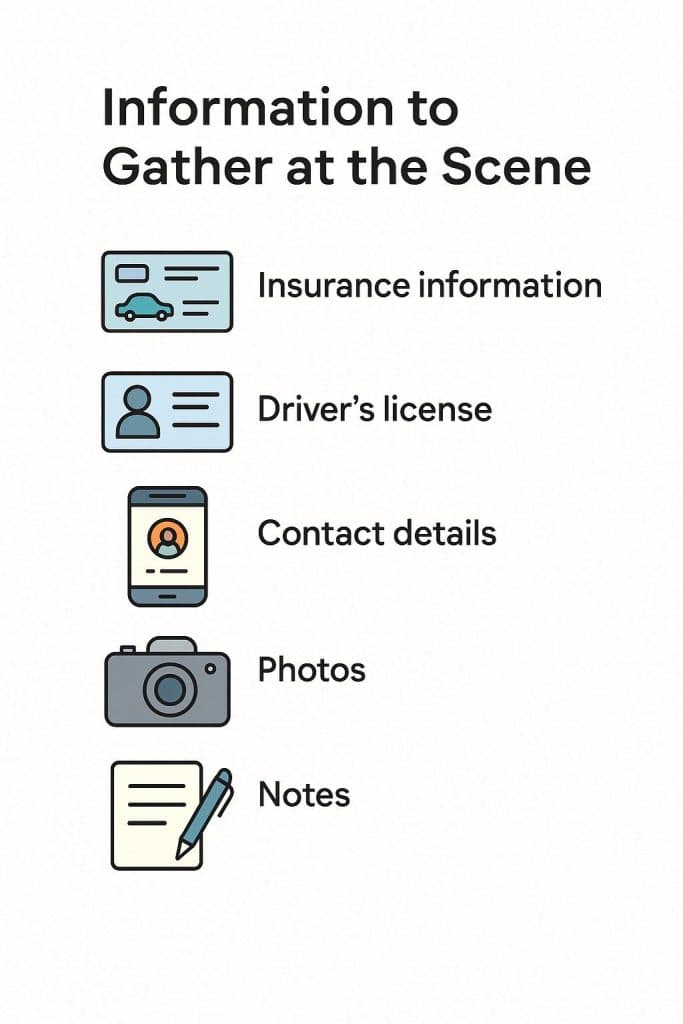
Information to Gather at the Scene
Before vehicles are moved (only if safe), photograph:
- License plates, damage, skid marks, roadway debris
- Driver’s licenses and insurance cards
- Wide-angle shots showing traffic signals, weather, and sight lines
Write down:
- Date/time and cross streets
- Vehicle make, model, and color
- Witness names, phone numbers, and brief statements
- Weather conditions (rain, fog, lighting)
Thorough documentation supports your version of events if disputes arise months later.
Why Speed and Sequence Matter
Delays in medical care or insurance notice give carriers grounds to downplay injuries or question liability. A police report filed at the scene establishes the $1,000 damage threshold mandated by Texas Transportation Code §550.026. Early EMS activation keeps response times inside the seven-minute urban median, proven to improve trauma outcomes.
Conclusion
Accidents are unpredictable; preparedness is not. Save essential numbers now, and follow this checklist in order—911, police, insurer, medical provider, then ancillary contacts. Taking these steps immediately after a collision in Beaumont safeguards your health, speeds claims processing, and preserves evidence if legal action is necessary.
Medically reviewed by
Verified
DS
Deepak Sharma
DC
Owner & Doctor of Chiropractic
Deepak Sharma, DC is a licensed Doctor of Chiropractic and the owner of Car Accident Cares in Beaumont, TX. He reviews the clinical content published across the site and works with a multidisciplinary network of MDs, chiropractors, imaging centers, and pain-management specialists focused on accurate diagnosis, evidence-based treatment, and complete recovery for motor-vehicle-accident victims across Beaumont and Houston.