When To See Which Type of Doctor After a Car Accident | Expert Medical Advice
DS
By Deepak Sharma, DC
Medically reviewed
Owner & Doctor of Chiropractic · 12 min read · Published · Updated · Last reviewed

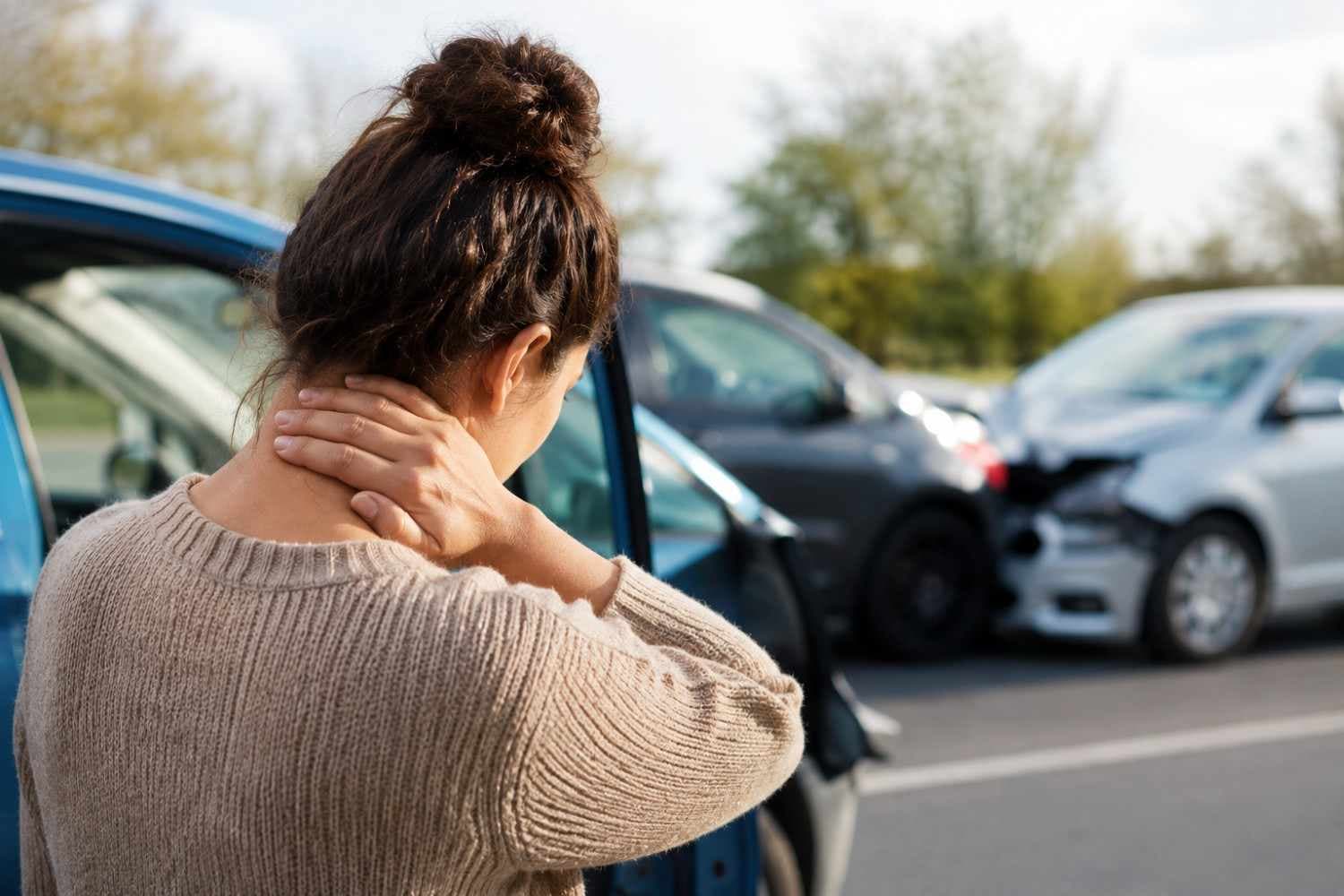
Accidents are sudden, traumatic, and can leave you feeling lost, especially when it comes to your health. Knowing what type of doctor to see after a car accident is crucial for both your physical recovery and any potential legal action. This guide aims to help you navigate the complex medical landscape you may face after a car accident.
For expert medical advice on when to consult different types of doctors following a car accident, explore the “Types of Injuries” section on Car Accident Cares. Our comprehensive resources offer guidance tailored to your specific injuries, ensuring you receive the appropriate care for a swift recovery.
For expert medical advice on when to see which type of doctor after a car accident, visit Car Accident Cares at /. Our team provides guidance on seeking the right medical attention for your specific injuries, ensuring you receive the proper care and support you need to recover effectively.
Identifying the Right Doctor After a Car Accident
The moments after a car accident are critical. Your first step should always be to assess the situation. If you or anyone else is in immediate danger or severely injured, calling emergency services is paramount. For less urgent injuries, you might consider seeing your primary care physician first. They know your medical history and can provide a comprehensive examination to determine if you need to see a specialist.
Primary Care vs. Emergency Care: Making the Right Choice
It’s essential to understand when to visit the emergency room versus when an appointment with your primary care doctor will suffice. If you’re experiencing severe pain, bleeding, or believe you may have broken bones, it’s best to go straight to the emergency room. For less severe symptoms that emerge hours or days after the accident, such as soreness or mild discomfort, schedule a visit with your primary care doctor.
Specialists to Consider Following a Car Wreck
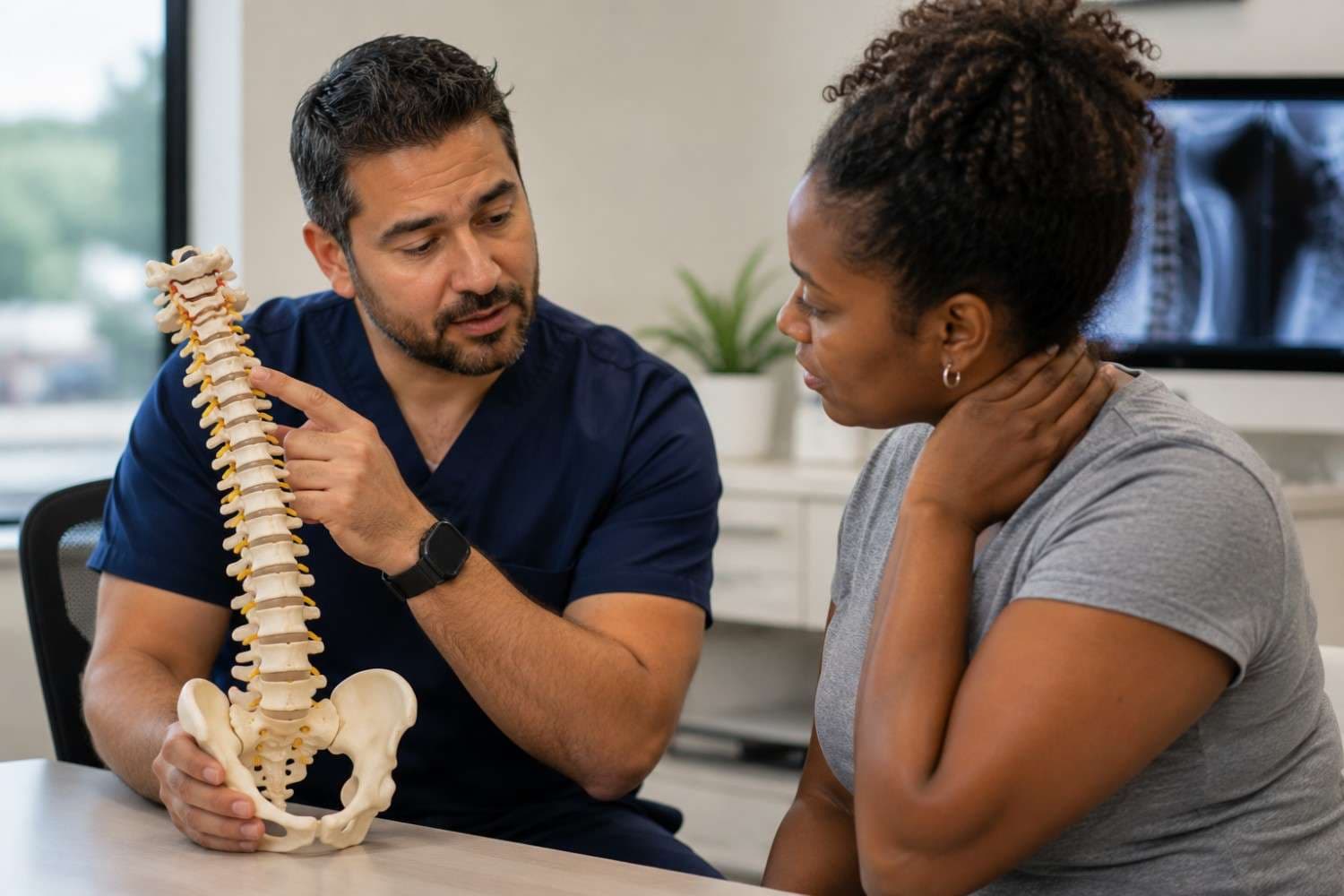
Depending on the nature of your injuries, you may need to see a specialist. Orthopedic doctors handle bone, muscle, and joint injuries, while neurologists deal with head injuries and any neurological complications that may arise. It’s not uncommon to require a team of specialists to fully address all the injuries caused by a car accident.
The Journey to Recovery: Medical Professionals You Need
Recovery from car accident injuries can be a long and arduous process. It often involves a team of healthcare professionals working together to help you regain your health and mobility.
Orthopedic Doctors: Healing Bone Injuries from Car Accidents
Orthopedic doctors specialize in the musculoskeletal system and are crucial in the recovery from fractures, dislocations, and other bone injuries commonly sustained in car accidents. They can provide both surgical and non-surgical treatments to help you recover.
Neurologists: Addressing Head Trauma and Concussions
Head injuries can be some of the most severe outcomes of car accidents. Neurologists are trained to deal with these types of injuries and can offer treatments that may include medication, rehabilitation, or even surgery, depending on the severity of the injury.
Seeking Medical Care: A Step-by-Step Guide
When to Go to the Emergency Room
Immediate medical attention is crucial after a car accident, especially if you experience any of the following symptoms:
- Severe Pain: If you’re in intense pain, don’t hesitate. Head straight to the emergency room. It could be a sign of fractures, internal bleeding, or other serious injuries.
- Bleeding: Profuse bleeding requires immediate attention. Apply pressure to the wound and seek medical help promptly.
- Difficulty Breathing: Any difficulty breathing, chest pain, or shortness of breath warrants an emergency room visit.
- Loss of Consciousness: If you or anyone involved in the accident loses consciousness—even briefly—call 911 or head to the ER.
- Head Trauma: Concussions and head injuries can have delayed symptoms. If you hit your head during the accident, get checked out.
Scheduling a Visit with Your Primary Care Doctor
While emergency rooms handle acute cases, your primary care doctor plays a critical role in your recovery. Here’s how to proceed:
- Contact Your Doctor: Call your primary care physician as soon as possible after the accident. Explain your situation and any symptoms you’re experiencing.
- Schedule an Appointment: If your injuries aren’t severe, schedule an appointment for a thorough examination. Your primary care doctor will assess your overall health and address any immediate concerns.
- Comprehensive Evaluation: Your doctor will ask about the accident, perform a physical examination, and order any necessary tests (X-rays, blood work, etc.). They’ll also consider your medical history and any pre-existing conditions.
- Referrals to Specialists: Based on their evaluation, your primary care doctor may refer you to specialists. Follow their recommendations diligently.
The Aftermath of a Car Accident: Navigating Personal Injury
The Role of Medical Care in Personal Injury Cases
Medical documentation is crucial for any personal injury claim. Even if you don’t feel injured immediately, seek medical attention promptly. Why?
- Hidden Injuries: Some injuries, like soft tissue damage or whiplash, may not manifest immediately. Documenting them early ensures a stronger case later.
- Causation: Linking your injuries directly to the accident is essential. Medical records provide evidence of this connection.
- Severity: Accurate medical records help determine the severity of your injuries, affecting compensation.
How a Personal Injury Lawyer Can Help with Your Medical Claims
Navigating personal injury claims can be overwhelming. A skilled personal injury lawyer can:
- Review Your Case: They’ll assess your situation, including medical records, accident details, and insurance coverage.
- Negotiate with Insurers: Lawyers negotiate with insurance companies to ensure you receive fair compensation for medical expenses, lost wages, and pain and suffering.
- Legal Expertise: If your case goes to court, a lawyer will represent you, ensuring your rights are protected.
Comprehensive Care: Finding the Right Medical Attention
The Importance of Timely Medical Attention After a Car Accident
Time matters when it comes to seeking medical care after a car accident. Even seemingly minor injuries can escalate if left untreated. Here’s why timely attention is critical:
- Hidden Injuries: As mentioned earlier, some injuries may not show immediate symptoms. Whiplash, for instance, often manifests hours or days later. By seeking medical attention promptly, you increase the chances of detecting and addressing these hidden injuries early.
- Preventing Complications: Delayed treatment can lead to complications. For example, untreated soft tissue injuries can result in chronic pain or reduced mobility. By seeing a doctor promptly, you can prevent such complications.
- Legal Considerations: If you plan to file a personal injury claim, medical records play a significant role. Insurance companies look for consistency in seeking care. If you delay, it may raise questions about the severity of your injuries or whether they were truly caused by the accident.
Coordinating Care Among Different Types of Doctors
Your recovery journey may involve multiple specialists. Here’s how to ensure effective coordination:
- Communication: Keep all your doctors informed. Share details about your accident, symptoms, and treatments. This helps them collaborate and tailor their approaches to your specific needs.
- Orthopedic Doctors and Physical Therapists: If you have bone injuries, orthopedic doctors will guide your treatment. Physical therapists play a crucial role in rehabilitation, helping you regain strength and mobility.
- Neurologists and Pain Management Specialists: Neurologists address head injuries and any neurological issues. Pain management specialists can help alleviate chronic pain resulting from the accident.
Medical and Legal Intersections: Understanding Your Rights
Personal Injury Protection: What It Covers
Personal Injury Protection (PIP) is a type of auto insurance coverage available in no-fault states. Here’s what it covers:
- Medical Expenses: PIP pays for your medical bills related to the accident, regardless of fault.
- Lost Wages: If your injuries prevent you from working, PIP can provide compensation for lost income.
- Funeral Expenses: In unfortunate cases, PIP covers funeral costs.
Working with Car Accident Attorneys for Comprehensive Support
Navigating the legal aspects of a car accident can be overwhelming. Here’s how an car accident lawyer can assist:
- Case Evaluation: A personal injury lawyer will assess your case, considering medical records, accident details, and insurance coverage.
- Negotiations: Lawyers negotiate with insurance companies to ensure you receive fair compensation for medical expenses, lost wages, and pain and suffering.
- Representation: If your case goes to court, your attorney will represent you, ensuring your rights are protected.
Long-Term Health Considerations After a Car Accident
Chronic Injuries and the Need for Ongoing Medical Attention
Car accidents can leave lasting effects on your health. Some injuries may not fully heal, leading to chronic pain or limitations. Here’s what to consider:
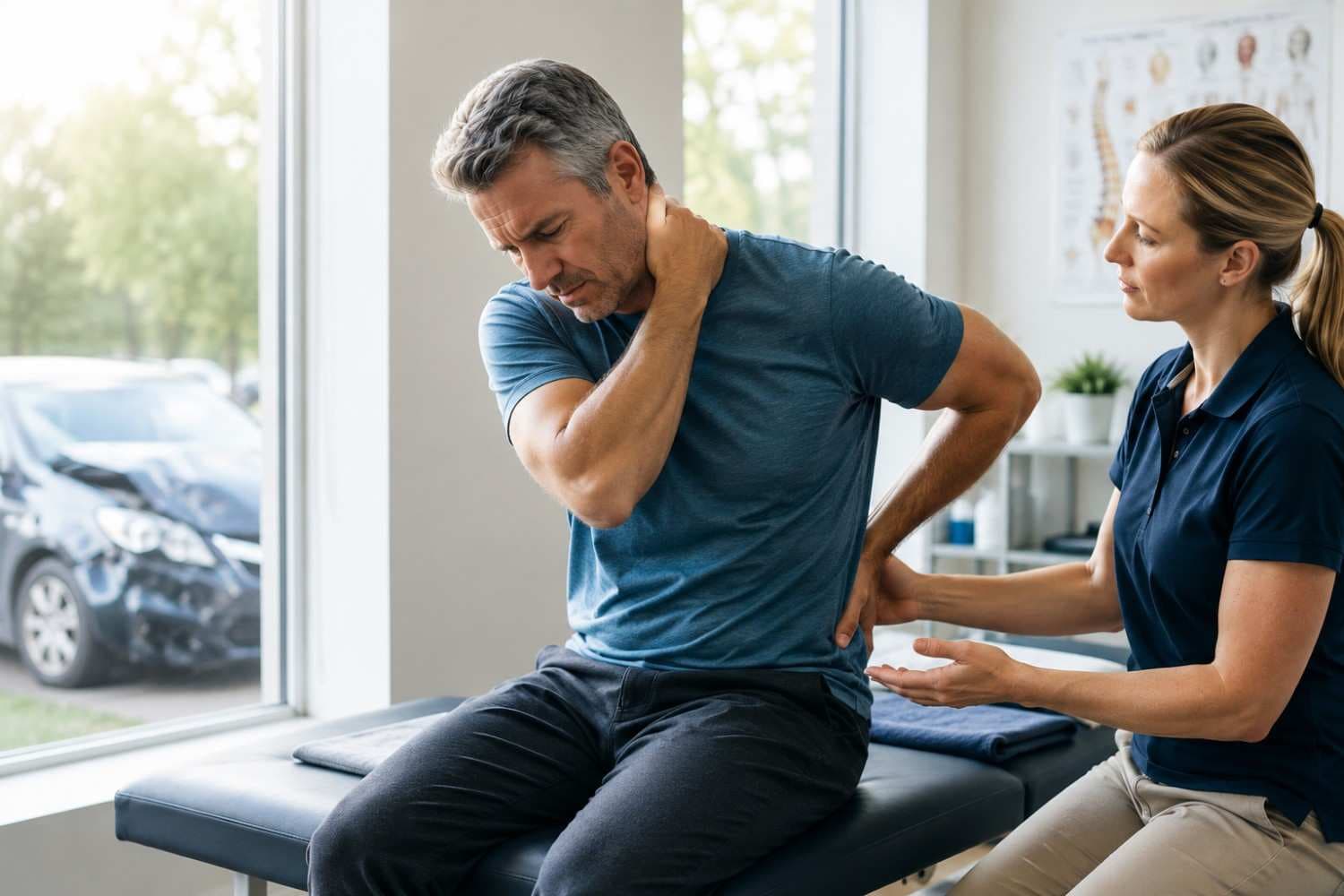
- Soft Tissue Damage: Whiplash, muscle strains, and ligament injuries fall into this category. While they might seem minor initially, they can become chronic if not managed properly. Physical therapy and ongoing care are essential.
- Back and Spinal Issues: Herniated discs, spinal misalignments, and nerve compression can result from car accidents. Regular visits to a chiropractor or orthopedic specialist can help manage these conditions.
- Psychological Impact: Don’t underestimate the emotional toll of an accident. Anxiety, depression, and post-traumatic stress disorder (PTSD) can persist long after the physical injuries heal. Seeking therapy or counseling is crucial for mental well-being.
Finding the Right Doctor for Long-term Injury Management
As you transition from acute care to long-term management, consider the following:
- Continuity of Care: Stick with the same doctors who treated you immediately after the accident. They’re familiar with your case and can provide consistent care.
- Specialists: Depending on your specific injuries, you might need ongoing care from specialists. Orthopedic doctors, pain management experts, and physical therapists can all play a role in your recovery.
- Pain Management: Chronic pain can significantly impact your quality of life. Consult with pain management specialists who can explore various treatments, including medications, injections, and alternative therapies.
Financial Aspects of Post-Accident Medical Care
Managing Medical Costs After a Car Wreck
Medical bills can pile up quickly after an accident. Here’s how to handle the financial aspects:
- Insurance Coverage: Understand your insurance policies—both health insurance and auto insurance. Some policies cover specific treatments or have limitations.
- Negotiate Bills: If you receive high medical bills, don’t hesitate to negotiate. Hospitals and providers often offer discounts or payment plans.
- Document Everything: Keep detailed records of all medical expenses, including prescriptions, therapy sessions, and transportation costs related to your care.
How Personal Injury Claims Can Support Your Medical Expenses
If the accident wasn’t your fault, consider filing a personal injury claim. Compensation can help cover:
- Medical Bills: From initial emergency room visits to ongoing treatments, your medical expenses should be part of your claim.
- Lost Wages: If your injuries prevent you from working, seek compensation for lost income.
- Pain and Suffering: Emotional distress and physical pain resulting from the accident can also be factored into your claim.
Psychological Impact: Addressing the Emotional Aftermath
The Importance of Mental Health Care Following a Car Accident
Physical injuries are visible, but the emotional toll of an auto accident can be equally significant. Here’s why mental health care matters:
- Post-Traumatic Stress: Car crashes can trigger post-traumatic stress disorder (PTSD). Symptoms may include flashbacks, nightmares, anxiety, and hypervigilance. Seeking therapy early can help manage these symptoms.
- Anxiety and Depression: The stress of an accident can lead to anxiety and depression. Talking to a mental health professional can provide coping strategies and emotional support.
- Adjustment Difficulties: Even if you escape physical harm, adjusting to life after an accident can be challenging. Therapy can help you navigate these changes.
Finding Support: Therapists Specializing in Trauma Recovery
Consider the following options for mental health support:
- Counseling: Individual or group counseling sessions can provide a safe space to express your feelings and learn coping mechanisms.
- Cognitive-Behavioral Therapy (CBT): CBT helps reframe negative thought patterns and manage anxiety related to the accident.
- Eye Movement Desensitization and Reprocessing (EMDR): EMDR is effective for treating trauma-related disorders like PTSD.
FAQs: Expert Answers to Your Post-Accident Questions
Common Injuries and the Type of Doctor to See
- Whiplash: An orthopedic doctor or chiropractor can assess and treat whiplash.
- Concussions: Neurologists specialize in head injuries and can guide your recovery.
- Soft Tissue Injuries: Physical therapists can help with rehabilitation.
How Soon Should You See a Doctor After a Car Accident?
Immediately: If you experience severe pain, bleeding, or head trauma, seek medical attention right away. For less urgent injuries, see your primary care doctor within a day or two.
When should I see a doctor after a car accident?
It is crucial to see a doctor right after a car accident to assess any potential injuries and receive appropriate medical treatment. Even if accident victims feel fine initially, certain injuries may become apparent later.
What type of doctor should I see after a car accident?
After a car accident, it is advisable to find a doctor who specializes in treating car accident injuries or an emergency room doctor who can assess and address any potential medical concerns related to the accident.
Should I consult a personal injury attorney for my car accident claim?
If you are considering filing a car accident claim due to injuries sustained, it is recommended to seek advice from a personal injury attorney who can guide you through the legal process and help you receive the compensation you deserve.
Do I need to see a doctor immediately if I am injured in a car accident?
Yes, it is important to see a doctor immediately if you have been injured in a car accident to ensure that any injuries are properly diagnosed and treated.
What are some common car accident injuries that require medical treatment?
Some common car accident injuries that may require medical treatment include traumatic brain injuries, whiplash, broken bones, and internal injuries.
Conclusion
In summary, seeking timely medical care after a car accident is essential for both physical and emotional well-being. Whether it’s coordinating with specialists or understanding your legal rights, prioritize your health during this challenging time.
Schedule Your Appointment Today! If you’re in Beaumont, TX, and need post-accident care, call Beaumont Chiropractic Clinic at +1 409-834-4100. Our experts are here to support your recovery.
Contact us for car accident care inquiries.Also Read : The Lasting Impact of TBI: Exploring Traumatic Brain Injuries from Car Accidents and Beyond
Medically reviewed by
Verified
DS
Deepak Sharma
DC
Owner & Doctor of Chiropractic
Deepak Sharma, DC is a licensed Doctor of Chiropractic and the owner of Car Accident Cares in Beaumont, TX. He reviews the clinical content published across the site and works with a multidisciplinary network of MDs, chiropractors, imaging centers, and pain-management specialists focused on accurate diagnosis, evidence-based treatment, and complete recovery for motor-vehicle-accident victims across Beaumont and Houston.