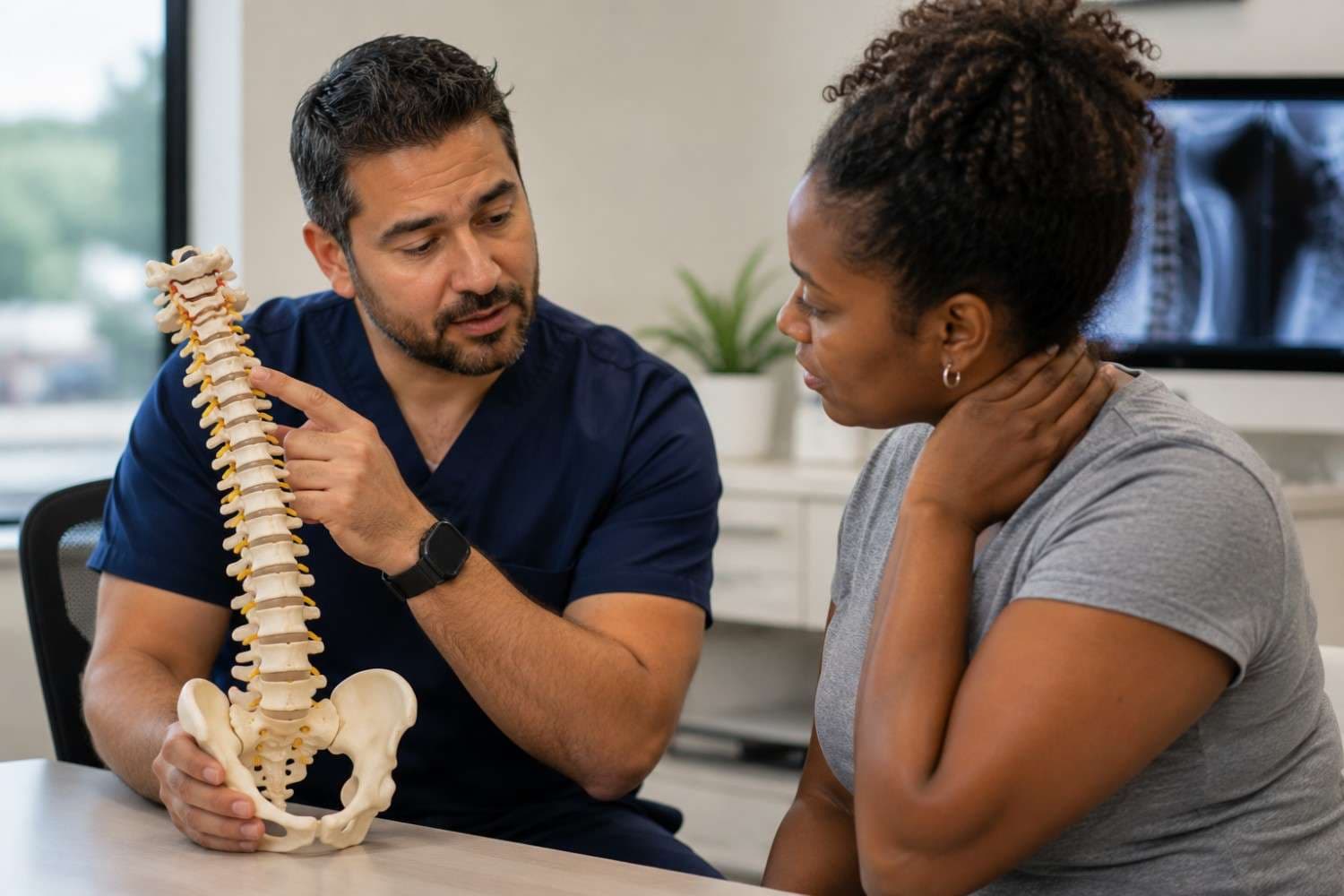
When Is Surgery Needed After a Car Accident Injury?
DS
By Deepak Sharma, DC
Medically reviewed
Owner & Doctor of Chiropractic · 6 min read · Published · Updated · Last reviewed

A car accident can turn your life upside down in an instant, and for residents of Beaumont, TX, and surrounding areas, navigating the aftermath can be overwhelming. Beyond the immediate shock, one of the most pressing questions you might face is about your physical recovery. While many injuries can heal with rest and non-invasive treatments, a select few are so severe that they require surgery. The prospect of an operation can be frightening, but understanding When Is Surgery Needed After a Car Accident Injury is the first step toward regaining control and getting the best possible care.
At car accident cares, our primary focus is on conservative, non-surgical treatment to help you heal. However, we also believe in giving you a complete picture of your medical options, including when surgery becomes a necessary part of the recovery journey.
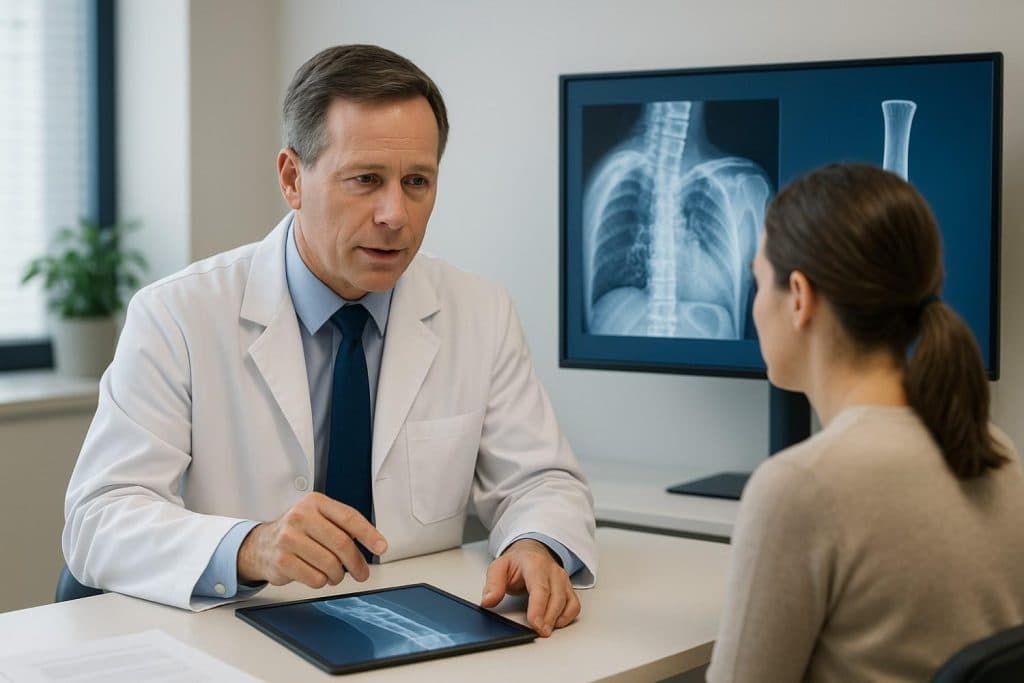
Understanding Car Accident Injuries and Treatment Approaches
Car accidents can cause a wide spectrum of injuries, from minor cuts and bruises to life-altering trauma. Common injuries include whiplash, sprains, strains, and fractures. Our approach to treatment is always a step-by-step process, starting with the least invasive options first. This can include:
- Initial care: Following the RICE method (Rest, Ice, Compression, Elevation) to manage immediate swelling and pain.
- Physical therapy: A cornerstone of recovery, physical therapy helps restore range of motion, strength, and function without medication or surgery.
- Interventional pain management: This can include injections or nerve blocks to provide targeted relief for persistent pain.
We prioritize these and other conservative auto injury treatment options before considering more drastic measures.
When Is Surgery Considered? Key Indicators
Surgery is a significant step and is only recommended when conservative treatments are insufficient or when an injury poses an immediate threat to your health and long-term function. Here are the key situations where surgery may be required.
1. Severe Fractures and Bone Displacement
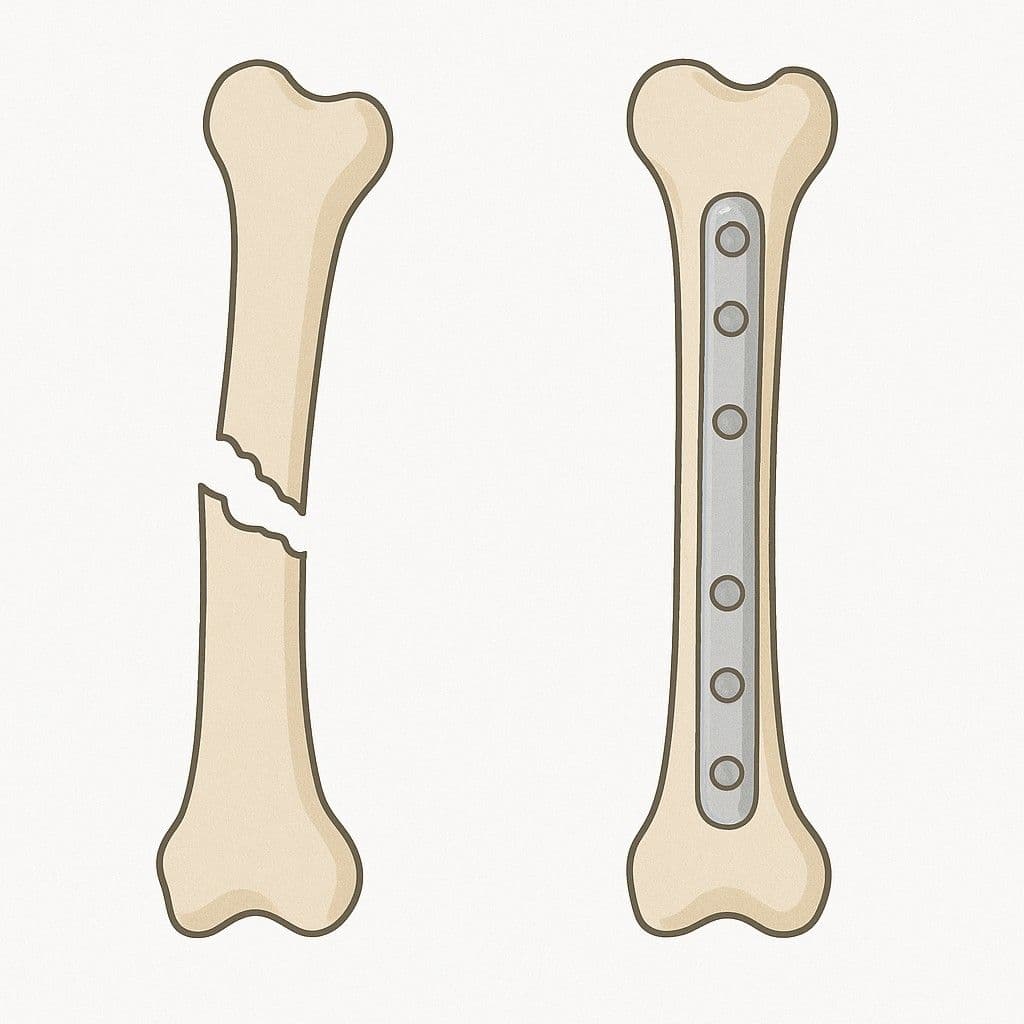
Not all fractures are created equal. A simple, clean break often heals with a cast or splint. However, surgery may be the only option for more complex breaks.
- Displaced fractures: Where bone fragments are misaligned and need to be realigned and stabilized with plates, screws, or rods.
- Comminuted fractures: The bone shatters into multiple pieces.
- Open (or compound) fractures: The bone breaks through the skin, creating a high risk of infection.
In these cases, a surgeon can realign the bones and secure them, which is crucial for proper healing and to prevent long-term deformity. This type of severe accident injury treatment is often essential for restoring mobility and function.
2. Spinal Cord or Nerve Compression
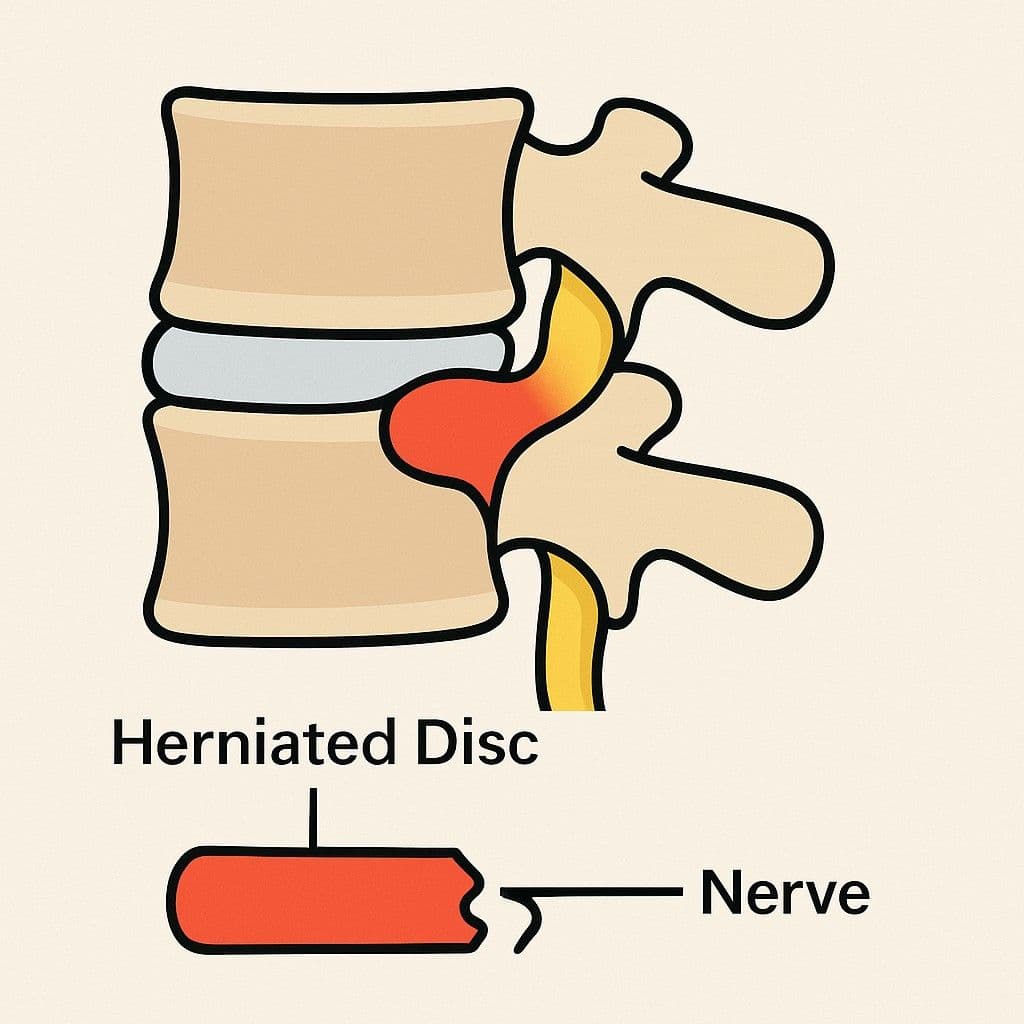
Spinal injuries are among the most serious outcomes of a car crash. The spine protects the spinal cord, which is the communication highway between your brain and the rest of your body. Any damage to the spinal column—such as a herniated disc, a fractured vertebra, or torn ligaments—can put pressure on the spinal cord or surrounding nerves.
Signs of neurological damage, like numbness, tingling, or weakness in your arms or legs, are red flags that require immediate attention. An MRI can reveal the extent of the damage, and if there is significant compression, surgery may be necessary to decompress the nerves and prevent permanent paralysis or loss of function. This is a critical part of a thorough spinal injury evaluation.
3. Internal Organ Damage and Vascular Injuries
Blunt force trauma from a car accident can cause catastrophic damage you can’t see from the outside. Internal bleeding or damage to organs like the spleen, liver, or kidneys can be life-threatening. Similarly, vascular injuries (damage to blood vessels) can lead to severe hemorrhage.
In these urgent situations, emergency surgery is required to stop the bleeding, repair the damaged organs, and save the patient’s life. Our clinic has a robust referral network to connect you immediately with a qualified referral to trauma surgeon in Beaumont, TX, and beyond, who can handle these critical cases.
4. When Non-Surgical Options Fail to Provide Relief
Sometimes, an injury doesn’t immediately seem to require surgery, but over time, non-invasive treatments just don’t work. If you’ve undergone physical therapy, pain management, or other conservative care for several months without significant improvement, your doctor may re-evaluate your condition. Persistent pain, limited mobility, and ongoing functional impairment can be indicators that an underlying issue, such as torn ligaments or chronic instability, needs surgical repair.
Orthopedic surgery after a car accident in Texas often falls into this category, aiming to reconstruct and stabilize joints that just aren’t healing on their own. Our clinic’s commitment to patient safety means we only recommend this step when all other evidence-based options have been exhausted.
Our Clinic’s Philosophy: Non-Surgical First
At car accident cares, we believe that the human body has an incredible capacity for healing. That’s why our model is built around a comprehensive, non-surgical approach to care. We offer a range of services designed to help you recover without going under the knife, including chiropractic care, physical rehabilitation, and various pain-relieving injections.
Our team works with you to develop a personalized treatment plan based on your specific injuries and needs. This approach not only helps you avoid the risks and lengthy recovery of surgery but also focuses on addressing the root cause of your pain. To begin your journey to recovery, we encourage you to schedule your consultation with our expert team.
The Surgical Referral and Consultation Process
If, after a thorough evaluation and non-surgical treatments, we determine that surgery is the best course of action, our team will guide you through the process with care and clarity.
- In-Clinic Evaluation: Our medical professionals will perform a detailed examination and review your medical history.
- Advanced Imaging: You may be referred for imaging like an MRI or CT scan to get a precise look at the injured area.
- Expert MD Referral: We will refer you to a top-tier surgeon within our trusted network who specializes in your specific type of injury. We work with a variety of specialists, including orthopedic surgeons, neurosurgeons, and trauma specialists, to ensure you get the best care possible.
- Specialist Consultation: The surgical specialist will conduct their own evaluation and discuss the procedure, risks, and expected outcomes with you.
We coordinate with all parties to ensure a seamless transition and that you feel supported and informed every step of the way. Our goal is for you to understand severe injury treatment options and feel confident in your choices.
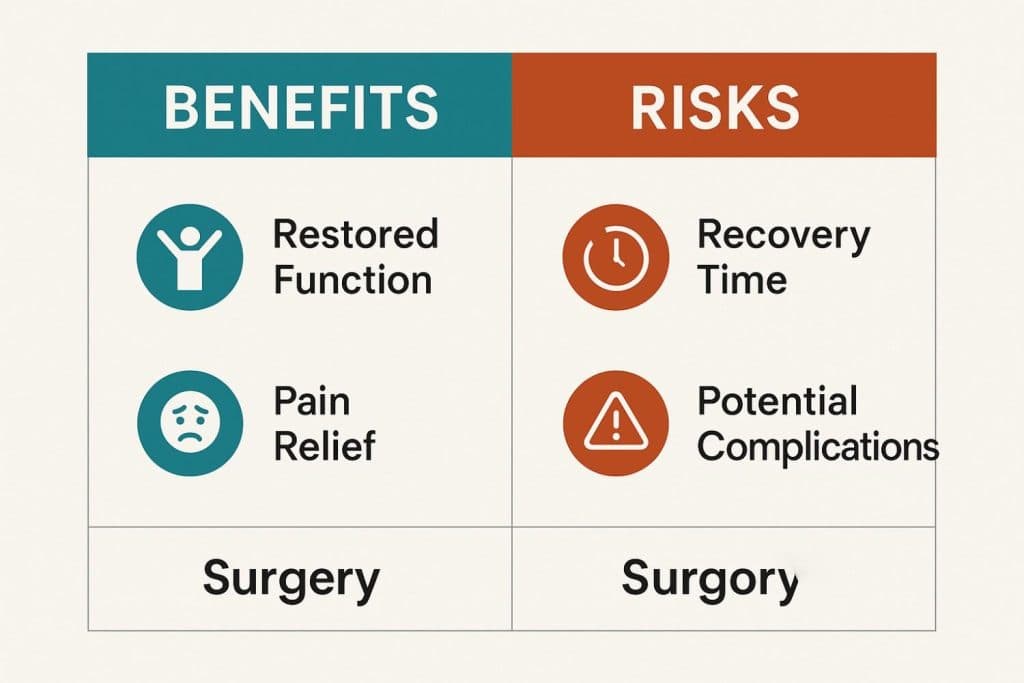
Risks and Benefits of Surgery After a Car Accident
Deciding to undergo surgery is a complex decision with both potential risks and benefits.
Benefits:
- Restored Function: Surgery can correct damage and restore function that conservative care couldn’t.
- Pain Relief: It can provide lasting relief for pain caused by damaged bones or compressed nerves.
- Preventing Further Damage: In some cases, surgery is the only way to prevent permanent disability or life-threatening complications.
Risks:
- Infection and Complications: As with any surgery, there are risks of infection, blood clots, or complications from anesthesia.
- Recovery Time: Recovery from surgery can be long and require extensive rehabilitation.
- Scarring: Surgical incisions leave permanent scars.
It is important to have a balanced discussion with your doctor and surgeon to weigh these factors.
Conclusion
Understanding when is surgery needed after a car accident injury is a crucial part of your recovery journey. While surgery is a powerful tool for treating the most severe injuries, it is always a last resort in our approach to your care. Our dedicated team in Beaumont, TX, is committed to providing comprehensive, personalized, non-surgical treatment first, with seamless access to top-tier surgical specialists if and when you need them.
If you or a loved one has been injured in a car accident, don’t navigate the complex world of medical care alone. Take the first step toward healing and peace of mind by scheduling a consultation with our experienced team.
Medically reviewed by
Verified
DS
Deepak Sharma
DC
Owner & Doctor of Chiropractic
Deepak Sharma, DC is a licensed Doctor of Chiropractic and the owner of Car Accident Cares in Beaumont, TX. He reviews the clinical content published across the site and works with a multidisciplinary network of MDs, chiropractors, imaging centers, and pain-management specialists focused on accurate diagnosis, evidence-based treatment, and complete recovery for motor-vehicle-accident victims across Beaumont and Houston.