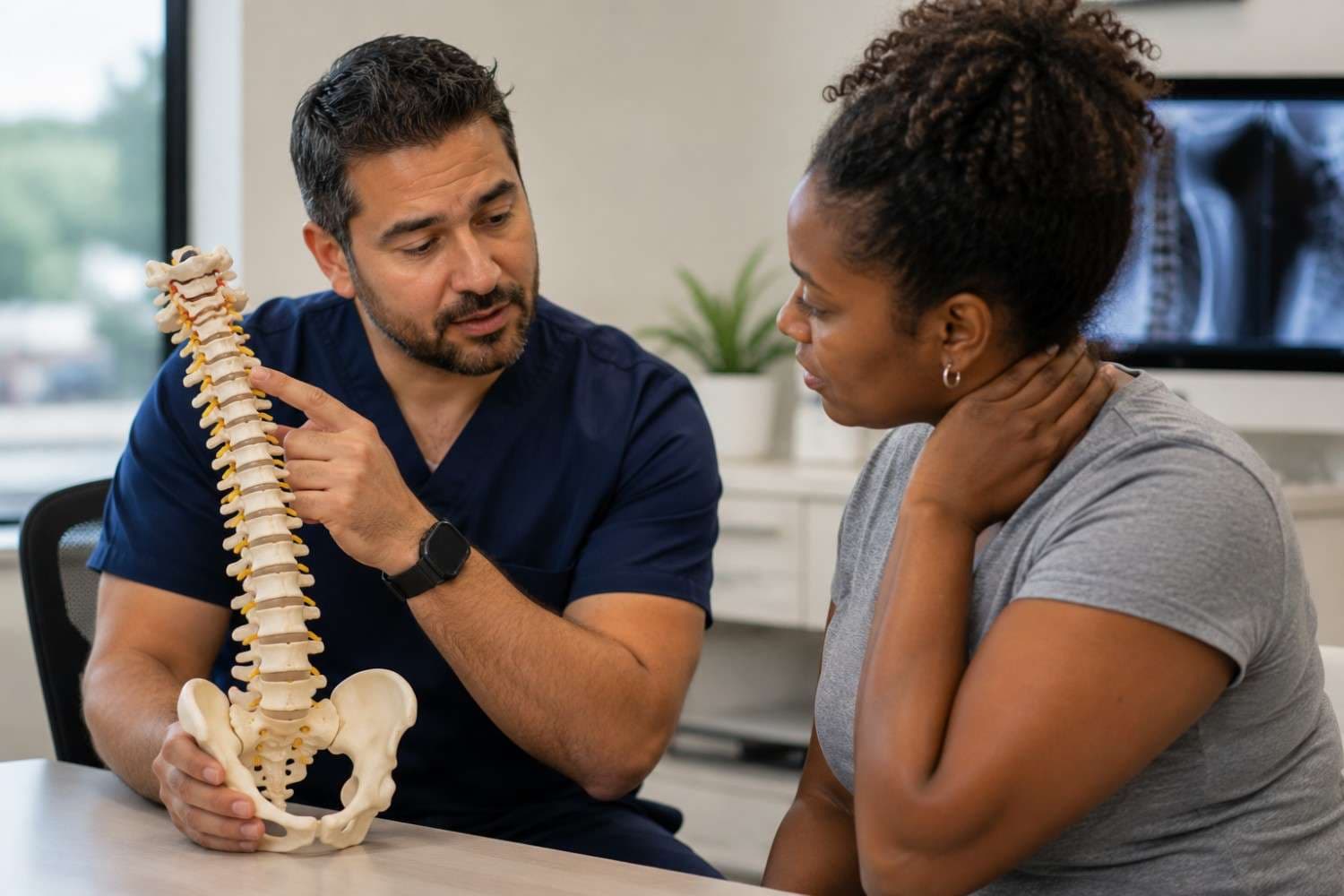
What Type of Doctor Should I See After a Car Accident? Essential Guide by Top Experts
DS
By Deepak Sharma, DC
Medically reviewed
Owner & Doctor of Chiropractic · 11 min read · Published · Updated · Last reviewed

The aftermath of a car accident can be a whirlwind of emotions, leaving you shaken and unsure of what steps to take. While exchanging insurance information and filing a police report are crucial, seeking medical attention should be your top priority. What type of doctor should you see after a car accident? This comprehensive guide, vetted by medical professionals and legal experts, will help you navigate the healthcare landscape after a collision.
Introduction: Why Seek Medical Attention After a Car Accident?
Car accidents, even seemingly minor ones, can cause a surprising amount of damage. Adrenaline surging through your system can mask underlying injuries, and some symptoms may not manifest for hours or even days after the accident. Seeking medical attention promptly ensures a thorough evaluation to identify any potential injuries and establish a baseline for your health.
Are you suffering from post-car accident pain and seeking a nearby chiropractor in Beaumont, TX? Your search ends here at Beaumont Chiropractic Clinic.
Untreated injuries can worsen over time, leading to chronic pain and long-term complications. A medical evaluation provides crucial documentation for insurance claims and potential personal injury lawsuits, strengthening your case and ensuring you receive fair compensation for your injuries.
The Importance of Visiting a Doctor After a Car Accident
There are numerous advantages to visiting a doctor right after a car accident, even if you feel okay. A medical professional can perform a comprehensive examination to identify hidden injuries, such as whiplash, internal bleeding, or soft tissue damage. Early diagnosis and treatment can significantly improve recovery times and minimize the risk of long-term consequences.
Moreover, a doctor’s visit creates a medical record documenting your condition immediately following the accident. This record serves as vital evidence if you pursue a personal injury claim. It establishes the connection between your injuries and the accident, strengthening your case and helping you secure fair compensation for medical bills, lost wages, and pain and suffering.
Types of Doctors to See After a Car Accident
The type of doctor you’ll need depends on the severity of your injuries. Here’s a breakdown of the various healthcare professionals you might encounter after a car accident:
Primary Care Doctors
Your primary care physician (PCP) is your first line of defense in the healthcare system. They can assess your overall condition, order diagnostic tests like X-rays or MRIs, and prescribe medications for pain management or inflammation. If your injuries require specialized care, your PCP can refer you to the appropriate specialist.
Common treatments provided by PCPs after a car accident include:
- Pain medication
- Muscle relaxants
- Anti-inflammatory drugs
- Physical therapy referrals
Emergency Room Physicians
In cases of serious injury or life-threatening situations, seeking immediate care at an emergency room (ER) is critical. ER doctors are trained to handle a wide range of trauma and stabilize patients in critical condition.
Typical procedures in the ER for car accident injuries may involve:
- X-rays and CT scans to diagnose broken bones or internal injuries
- Stitches or sutures for lacerations
- Pain medication and intravenous fluids
- Splinting or casting for fractures
Remember: Call 911 immediately if you experience any of the following after a car accident:
- Loss of consciousness
- Difficulty breathing
- Severe bleeding
- Persistent or worsening pain
- Numbness or tingling in your limbs
- Head injuries
Specialist Doctors for Car Accident Injuries
Depending on the nature of your injuries, you might require care from a specialist. Here are some common specialists you might encounter:
- Orthopedic surgeons: Treat bone fractures, dislocations, and other musculoskeletal injuries.
- Neurologists: Diagnose and manage nervous system injuries, such as head trauma and spinal cord damage.
- Pain management doctors: Specialize in providing relief from chronic pain caused by car accident injuries.
- Chiropractors: Focus on musculoskeletal imbalances and may provide adjustments to relieve pain and improve mobility. (Note: consult a medical professional before considering chiropractic care)
Physical Therapists for Rehabilitation
Physical therapists play a crucial role in the recovery process after a car accident. They create personalized rehabilitation plans to improve your range of motion, strengthen muscles, and restore flexibility. Physical therapy can help you regain function and return to your daily activities as quickly and safely as possible.
When to Go to the Emergency Room
Don’t hesitate to seek emergency medical attention if you experience any of these following symptoms after a car accident:
- Loss of consciousness or confusion
- Difficulty breathing or shortness of breath
- Severe pain in your chest, abdomen, or back
- Open wounds or uncontrolled bleeding
- Numbness or tingling in your limbs
- Seizures
- Slurred speech or difficulty speaking
Remember: It’s always better to err on the side of caution. If you’re unsure about the severity of your injuries, a trip to the ER is the safest course of action.
Seeking Immediate Medical Attention After a Car Accident
The importance of prompt medical evaluation after a car accident cannot be overstated. The human body’s fight-or-flight response can mask underlying injuries, and adrenaline can numb pain receptors, making it difficult to self-assess the extent of your damage. Even if you feel okay in the immediate aftermath of the accident, seeking medical attention ensures a thorough examination and identifies potential problems before they escalate.
Delaying medical care can have significant consequences. Untreated injuries can worsen over time, leading to chronic pain, decreased mobility, and even permanent disabilities. Early diagnosis and intervention are crucial for optimal healing and a full recovery.
Moreover, a documented medical record from a timely doctor’s visit serves as powerful evidence if you decide to pursue a personal injury claim. It establishes a clear link between your injuries and the accident, strengthening your case and helping you recover compensation for medical expenses, lost wages, and pain and suffering.
Here are some additional reasons to seek immediate medical attention after a car accident:
- Peace of mind: A doctor’s evaluation can alleviate anxiety and provide reassurance about your health.
- Baseline for recovery: The initial medical assessment establishes a baseline for your health, allowing doctors to track your progress and adjust treatment plans as needed.
- Preserves legal rights: A prompt medical evaluation protects your legal rights by creating a documented record of your injuries.
Common Car Accident Injuries and the Right Type of Doctor
Car accidents can cause a wide range of injuries, from minor bumps and bruises to life-threatening trauma. Here’s a breakdown of some common car accident injuries and the most appropriate healthcare professionals for treatment:
Whiplash and Neck Injuries
Whiplash is a common car accident injury caused by the sudden forceful back-and-forth movement of the head and neck. Symptoms can include neck pain, stiffness, headaches, dizziness, and difficulty concentrating.
Treatment for whiplash typically involves:
- Pain medication: Over-the-counter pain relievers like ibuprofen or acetaminophen can help manage pain and inflammation.
- Muscle relaxants: These medications can help ease muscle tension and spasms in the neck and shoulders.
- Physical therapy: A physical therapist can design a personalized exercise program to improve range of motion, strengthen muscles, and promote healing.
For whiplash and other neck injuries, you’ll likely see:
- Primary care physician (PCP): Your PCP can diagnose whiplash, prescribe medication, and refer you to a physical therapist if needed.
- Orthopedic surgeon: In severe cases of whiplash that involve ligament damage or bone fractures, an orthopedic surgeon may be necessary.
Back Injuries and Spinal Cord Damage
Back injuries resulting from car accidents can range from minor strains to spinal cord damage. Symptoms can include back pain, radiating pain down the legs, muscle weakness, numbness, and tingling.
Treatment for back injuries depends on the severity and may involve:
- Pain medication: Similar to whiplash treatment, pain medication can help manage discomfort and inflammation.
- Physical therapy: Physical therapy is crucial for strengthening core muscles, improving flexibility, and promoting healing.
- Bracing or corsets: In some cases, back braces or corsets may be recommended to provide support and stability.
For back injuries, you might see:
- PCP: Your PCP can perform an initial evaluation and refer you to a specialist if needed.
- Orthopedic surgeon: Orthopedic surgeons specialize in diagnosing and treating musculoskeletal injuries of the spine.
- Neurologist: Neurologists diagnose and manage nervous system injuries, including those affecting the spinal cord.
Spinal cord damage is a medical emergency, and immediate care at an ER is crucial.
Head Injuries and Concussions
Head injuries sustained in car accidents can range from mild concussions to life-threatening brain trauma. Symptoms of a concussion can include headache, dizziness, nausea, confusion, memory problems, and difficulty concentrating.
Diagnosis and treatment of head injuries typically involve:
- Neurological evaluation: A neurologist will assess your cognitive function, reflexes, and balance to determine the extent of the injury.
- Imaging tests: CT scans or MRIs may be necessary to rule out bleeding or swelling in the brain.
- Cognitive rehabilitation: In some cases, cognitive rehabilitation therapy can help address memory or concentration problems.
For head injuries and concussions, you might see:
- Emergency room doctor: For serious head injuries, immediate care at an ER is essential.
- PCP: Your PCP can monitor your recovery from a concussion and refer you to a neurologist if needed.
- Neurologist: Neurologists specialize in diagnosing and treating all types of head injuries and concussions.
Conclusion
Seeking medical attention promptly after a car accident is paramount for your health and well-being. A doctor’s evaluation can identify hidden injuries, ensure proper treatment, and create a medical record that strengthens your legal case if necessary. This article, “What Type of Doctor Should I See After a Car Accident? Essential Guide by Top Experts,” has equipped you with valuable knowledge to navigate the healthcare landscape after a collision.
Here are some key takeaways to remember:
- Don’t ignore any pain or discomfort. Even seemingly minor symptoms can indicate underlying injuries.
- Seek immediate medical attention if you experience any of the following: loss of consciousness, difficulty breathing, severe pain, numbness or tingling, or head injuries.
- Your primary care physician (PCP) is often the first point of contact for post-accident care.
- Depending on the severity and nature of your injuries, you may require care from specialists like orthopedists, neurologists, pain management doctors, or chiropractors (consult a medical professional before chiropractic care).
- Physical therapy plays a crucial role in rehabilitation after a car accident.
- A documented medical record from a timely doctor’s visit is vital for insurance claims and potential personal injury lawsuits.
Frequently Asked Questions (FAQs)
01
Q: How soon after a car accident should I see a doctor?
A: Ideally, you should see a doctor immediately following a car accident, even if you feel okay. Early evaluation ensures a thorough examination and identifies potential problems before they worsen.
02
Q: What if I can’t afford to see a doctor after a car accident?
A: Many medical providers offer payment plans or work with car insurance companies to get you the care you need. There are also charity clinics and patient assistance programs that may be able to help.
03
Q: Should I go to the emergency room or an urgent care center?
A: Head to the emergency room for life-threatening injuries or severe symptoms like loss of consciousness, difficulty breathing, or uncontrolled bleeding. For less severe injuries, urgent care centers can provide prompt medical attention without the wait times often associated with ERs.
04
Q: What should I bring to my doctor’s appointment after a car accident?
A: Bring your insurance information, a police report if one was filed, and a list of any medications you’re taking. It’s also helpful to write down your symptoms and any questions you have for the doctor.
05
Q: Do I need a lawyer after a car accident?
A: If you sustained serious injuries or have significant property damage, consulting with a personal injury lawyer is recommended. They can advise you of your legal rights and help you navigate the claims process.
How to Get Treatment After a Car Accident: A Step-by-Step Guide
The aftermath of a car accident can be overwhelming, leaving you unsure of where to turn for medical care. This guide provides a step-by-step approach to ensure you receive the treatment you need:
1. Seek Immediate Medical Attention (if necessary):
- If you experience any life-threatening symptoms like loss of consciousness, difficulty breathing, or severe bleeding, call 911 immediately.
- Don’t wait for symptoms to appear. Adrenaline can mask underlying injuries, so a prompt evaluation at the emergency room is crucial.
2. Secure the Scene and Gather Information:
- Once you’ve ensured your safety and the safety of others involved, exchange contact information with the other drivers and any witnesses.
- Take pictures of the damage to your vehicle and the accident scene, if possible.
- File a police report, even for minor accidents. This documentation is essential for insurance claims and potential legal cases.
3. Contact Your Insurance Company:
- Report the accident to your insurance company as soon as possible. They will guide you through the claims process and advise you on approved healthcare providers within your network.
4. Schedule an Appointment with Your PCP:
- Even if you feel okay, schedule an appointment with your primary care physician (PCP) within 24-48 hours of the accident. They will perform a comprehensive examination, document your injuries, and determine the best course of treatment.
5. Follow Your Doctor’s Orders:
- This includes taking prescribed medications, attending physical therapy sessions, and following any other treatment recommendations. Adherence to your doctor’s plan promotes optimal healing and a faster recovery.
6. Keep Detailed Records:
- Maintain a record of all medical bills, receipts, and doctor’s notes related to your accident injuries. This documentation is crucial for insurance claims and potential lawsuits.
7. Consider Legal Advice (if necessary):
- If you sustained serious injuries or have significant property damage, consulting with a personal injury lawyer is recommended. They can review your case, advise you of your legal rights, and help you navigate the claims process to ensure you receive fair compensation.
Visit for latest updates on Car Accident Care.
Contact us for car accident care inquiries.Also Read : Beaumont Chiropractor: Insurance Accepted! New Patients Welcome
Medically reviewed by
Verified
DS
Deepak Sharma
DC
Owner & Doctor of Chiropractic
Deepak Sharma, DC is a licensed Doctor of Chiropractic and the owner of Car Accident Cares in Beaumont, TX. He reviews the clinical content published across the site and works with a multidisciplinary network of MDs, chiropractors, imaging centers, and pain-management specialists focused on accurate diagnosis, evidence-based treatment, and complete recovery for motor-vehicle-accident victims across Beaumont and Houston.