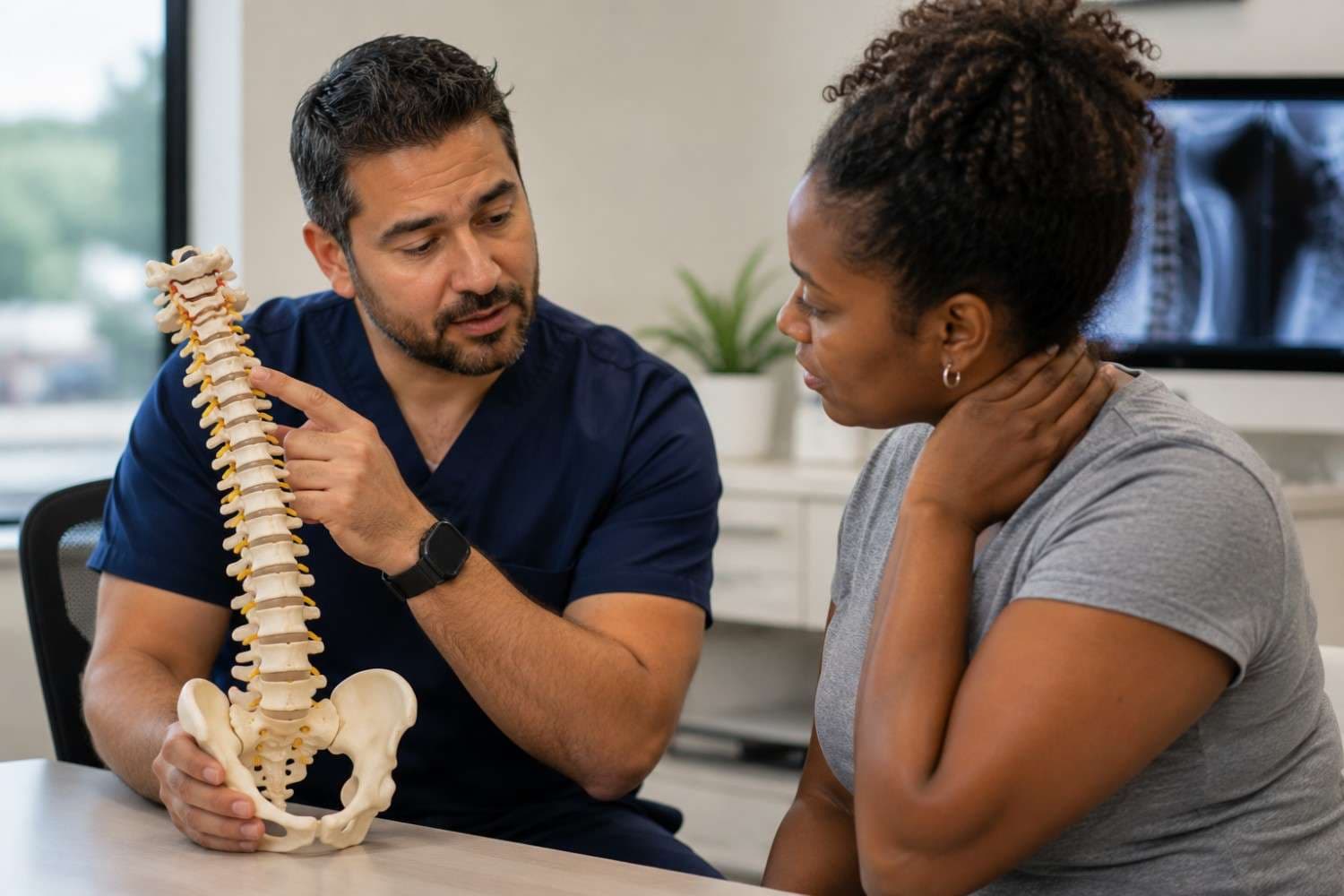
Understanding the Science Behind Chiropractic Care: How Chiropractic Adjustments Work to Heal Accident Injuries
DS
By Deepak Sharma, DC
Medically reviewed
Owner & Doctor of Chiropractic · 9 min read · Published · Updated · Last reviewed

Introduction
01
Overview of Chiropractic Care
Chiropractic care is a holistic approach to healing that focuses on diagnosing and treating neuromuscular disorders, with an emphasis on the spine. The core belief is that proper alignment of the spine promotes overall health and wellness. Chiropractors use various techniques, including chiropractic adjustments, to restore and maintain spinal alignment, which is believed to enhance the body’s natural ability to heal itself.
02
Importance of Understanding Chiropractic Science
Understanding the science behind chiropractic care is essential for appreciating its effectiveness in treating accident injuries and managing pain. By delving into the underlying mechanisms of chiropractic adjustments and their impact on the nervous system, patients and healthcare providers can make informed decisions about integrating chiropractic care into their overall treatment plans.
Understanding Chiropractic Care
What is Chiropractic Care?
Definition and Scope
Chiropractic care is a form of alternative medicine that primarily focuses on the diagnosis and treatment of spinal disorders. It is based on the principle that the body’s structure, particularly the spine, affects its function. Chiropractors use non-invasive techniques, including manual adjustments, to address misalignments in the spine and improve overall health.
Common Techniques Used
- Chiropractic Adjustments: Manual techniques used to correct misalignments in the spine.
- Soft Tissue Therapy: Techniques like massage to address muscle and ligament issues.
- Rehabilitation Exercises: Exercises designed to strengthen the muscles supporting the spine.
The Role of Chiropractic Care in Accident Injuries
How Chiropractic Care Aids in Healing
Accident injuries often involve damage to the spine and surrounding tissues. Chiropractic care aims to alleviate pain, improve mobility, and restore proper function by addressing spinal misalignments. This approach not only targets the symptoms but also helps in the overall recovery process by promoting natural healing.
Typical Accident Injuries Treated by Chiropractors
- Whiplash: Often caused by sudden neck movements, leading to neck pain and stiffness.
- Herniated Discs: Displacement of spinal discs that can cause back pain and nerve issues.
- Soft Tissue Injuries: Damage to muscles and ligaments that can lead to pain and reduced mobility.
The Science Behind Chiropractic Care
The Basics of Chiropractic Science
Historical Perspective
Chiropractic care began in the late 19th century with the work of Daniel David Palmer, who theorized that spinal misalignments could affect overall health. Over the years, chiropractic care has evolved, incorporating modern scientific research to validate and refine its techniques.
Modern Scientific Approaches
Contemporary chiropractic care combines traditional methods with evidence-based practices. Research studies have explored the efficacy of chiropractic adjustments in managing pain and improving function, providing a scientific foundation for many chiropractic techniques.
How Chiropractic Adjustments Work
Mechanics of Chiropractic Adjustments
Chiropractic adjustments involve the application of controlled force to specific spinal segments. The goal is to restore proper alignment, reduce nerve interference, and improve joint function. These adjustments help alleviate pain and enhance the body’s natural healing processes.
Evidence Supporting Chiropractic Adjustments
Studies have shown that chiropractic adjustments can be effective in managing various types of pain, including back pain, neck pain, and headaches. Evidence supports that spinal adjustments can improve function and reduce the need for medication in many cases.
The Nervous System and Chiropractic Care
Role of the Nervous System
The nervous system controls and coordinates all bodily functions. Spinal misalignments can interfere with nerve signals, leading to pain, discomfort, and dysfunction. Chiropractic care aims to correct these misalignments, thus optimizing nervous system function and overall health.
Impact of Misalignment on Nerve Function
Misalignments in the spine, also known as subluxations, can compress or irritate nerves, leading to various symptoms such as pain, numbness, and weakness. Chiropractic adjustments aim to relieve pressure on these nerves, enhancing their function and reducing symptoms.
Key Takeaway
- Chiropractic Care focuses on spinal alignment to promote overall health.
- Accident Injuries such as whiplash and herniated discs benefit from chiropractic adjustments.
- Scientific Basis includes evidence supporting the effectiveness of chiropractic adjustments in pain relief and improved function.
- Nervous System health is crucial for overall wellness, and chiropractic care can address nerve interference caused by spinal misalignments.
Benefits of Chiropractic Care
Pain Relief and Management
How Chiropractic Adjustments Help with Pain Relief
Chiropractic adjustments can be highly effective for pain relief. By realigning the spine and reducing nerve interference, these adjustments help to alleviate pain and restore normal function. This non-invasive approach can be particularly beneficial for managing pain without the need for medications or surgical interventions.
Comparing Chiropractic Care with Traditional Pain Management
Traditional pain management often relies on medications or invasive procedures, which can have side effects and limitations. Chiropractic care offers a drug-free alternative that focuses on addressing the root cause of pain through spinal adjustments and supportive therapies.
- Addressing Chronic Pain
Techniques for Managing Chronic Pain
Chronic pain often requires a multifaceted approach for effective management. Chiropractors use a combination of spinal adjustments, rehabilitation exercises, and soft tissue therapies to address chronic pain and improve quality of life.
Case Studies of Chronic Pain Relief
Numerous case studies highlight the effectiveness of chiropractic care in treating chronic pain conditions. For instance, patients with long-term back pain often report significant improvements in pain levels and functional abilities after undergoing chiropractic treatment.
Natural Healing and Wellness
The Concept of Natural Healing
Chiropractic care emphasizes the body’s inherent ability to heal itself. By correcting spinal misalignments and promoting optimal nervous system function, chiropractic treatments support the body’s natural healing processes and contribute to overall wellness.
Integrating Chiropractic Care with Other Wellness Practices
Incorporating chiropractic care into a broader wellness plan can enhance overall health. Practices such as proper nutrition, regular exercise, and stress management complement chiropractic treatments and contribute to a balanced approach to health.
Chiropractic Techniques and Adjustments
Different Types of Chiropractic Adjustments
Manual Adjustments
Manual adjustments involve the application of controlled force to specific areas of the spine. This technique helps to realign vertebrae, improve joint function, and alleviate pain.
Instrument-Assisted Adjustments
Instrument-assisted adjustments use specialized tools to apply precise adjustments to the spine. These methods can be beneficial for patients who prefer a gentler approach or have specific spinal conditions.
Regular Chiropractic Care and Its Benefits
Importance of Regular Visits
Regular chiropractic visits help maintain spinal alignment, prevent the recurrence of injuries, and support overall health. Consistent care can lead to better long-term outcomes and a more stable improvement in health.
Long-Term Benefits of Consistent Chiropractic Care
Long-term chiropractic care can provide ongoing benefits, including improved posture, enhanced mobility, and sustained pain relief. Regular adjustments help ensure that spinal health is maintained and potential issues are addressed promptly.
Integrating Chiropractic Care with Other Healthcare Services
Collaboration with Medical Doctors
How Chiropractors and MDs Work Together
Chiropractors and medical doctors often collaborate to provide comprehensive care. This integrated approach ensures that all aspects of a patient’s health are addressed, combining the benefits of chiropractic care with conventional medical treatments.
Benefits of an Integrated Healthcare Approach
An integrated approach to healthcare can enhance treatment outcomes by addressing multiple aspects of a patient’s condition. For instance, chiropractors and MDs working together can provide a more holistic treatment plan that combines manual therapy with medication or surgical options if needed.
Chiropractic Care for Different Injuries
Soft Tissue Injuries
Soft tissue injuries, such as strains and sprains, can benefit from chiropractic care through soft tissue therapies and spinal adjustments. These treatments help reduce pain and facilitate healing of affected muscles and ligaments.
Spinal Injuries
Chiropractic care is particularly effective for spinal injuries, including herniated discs and facet joint issues. Adjustments and rehabilitative exercises support the healing process and restore spinal function.
Sports Injuries
Athletes often experience sports-related injuries that can be treated with chiropractic care. Techniques such as spinal adjustments and targeted rehabilitation help athletes recover quickly and enhance their performance.
Seeking Chiropractic Care
When to Seek Chiropractic Care
Signs and Symptoms Indicating Need for Chiropractic Care
Individuals should consider seeking chiropractic care if they experience persistent pain, limited mobility, or symptoms related to spinal misalignments. Early intervention can prevent further complications and support effective healing.
Choosing the Right Chiropractor
Selecting a qualified chiropractor is crucial for effective treatment. Consider factors such as credentials, experience, and patient reviews when choosing a chiropractor to ensure the best possible care.
Family Chiropractic Care
Benefits of Chiropractic Care for All Family Members
Chiropractic care can benefit individuals of all ages, from children to adults. Family chiropractic care promotes overall health, prevents injury, and supports wellness for every member of the family.
How Family Chiropractic Care Differs from Individual Care
Family chiropractic care often involves addressing the specific needs of different age groups and tailoring treatments accordingly. This holistic approach ensures that each family member receives appropriate care based on their unique health requirements.
Effectiveness of Chiropractic Care
Measuring the Effectiveness
Tools and Methods for Evaluating Success
Effectiveness of chiropractic care is assessed through various tools, including patient feedback, functional assessments, and diagnostic imaging. Regular evaluations help track progress and adjust treatment plans as needed.
Patient Testimonials and Success Stories
Patient testimonials provide valuable insights into the effectiveness of chiropractic care. Success stories often highlight significant improvements in pain management, mobility, and overall well-being.
Research and Evidence
Overview of Recent Studies
Recent studies have reinforced the benefits of chiropractic care, demonstrating its effectiveness in managing pain and improving function. Research continues to explore the mechanisms behind chiropractic adjustments and their impact on health.
Summary of Key Findings
Key findings from recent research highlight the efficacy of chiropractic adjustments in treating various conditions, including back pain, neck pain, and headaches. Evidence supports the role of chiropractic care in promoting overall health and wellness.
Conclusion
Summary of Key Points
Chiropractic care offers a holistic approach to healing by focusing on spinal alignment and nervous system function. Its effectiveness in treating accident injuries, managing pain, and promoting overall wellness is supported by both historical practices and modern scientific research. Regular chiropractic care can provide significant long-term benefits, including pain relief, improved mobility, and enhanced quality of life.
Summary of Key Points
Chiropractic care offers a holistic approach to healing by focusing on spinal alignment and nervous system function. Its effectiveness in treating accident injuries, managing pain, and promoting overall wellness is supported by both historical practices and modern scientific research. Regular chiropractic care can provide significant long-term benefits, including pain relief, improved mobility, and enhanced quality of life.
The Future of Chiropractic Care
The future of chiropractic care lies in continued research and integration with other healthcare services. As more evidence emerges, chiropractic care is likely to become an increasingly integral part of comprehensive treatment plans for various health conditions.
The future of chiropractic care lies in continued research and integration with other healthcare services. As more evidence emerges, chiropractic care is likely to become an increasingly integral part of comprehensive treatment plans for various health conditions.
FAQs
What is the Science Behind Chiropractic Adjustments?
The science behind chiropractic adjustments involves manipulating the spine to correct misalignments and improve nervous system function. This process helps alleviate pain and enhance overall health by restoring proper spinal alignment and reducing nerve interference.
What is the Science Behind Chiropractic Adjustments?
The science behind chiropractic adjustments involves manipulating the spine to correct misalignments and improve nervous system function. This process helps alleviate pain and enhance overall health by restoring proper spinal alignment and reducing nerve interference.
How Does Chiropractic Care Relieve Pain?
Chiropractic care relieves pain by addressing the root causes of discomfort, such as spinal misalignments and nerve compression. Adjustments help restore normal function, reduce inflammation, and promote the body’s natural healing processes.
Chiropractic care relieves pain by addressing the root causes of discomfort, such as spinal misalignments and nerve compression. Adjustments help restore normal function, reduce inflammation, and promote the body’s natural healing processes.
Can Chiropractic Care Help with Chronic Pain?
Yes, chiropractic care can be effective for managing chronic pain. Techniques such as spinal adjustments and rehabilitation exercises help address the underlying causes of chronic pain, providing long-term relief and improving quality of life.
Yes, chiropractic care can be effective for managing chronic pain. Techniques such as spinal adjustments and rehabilitation exercises help address the underlying causes of chronic pain, providing long-term relief and improving quality of life.
When Should I Seek Chiropractic Care After an Accident?
Seek chiropractic care as soon as possible after an accident if you experience persistent pain, limited mobility, or signs of spinal misalignments. Early intervention can prevent further complications and support effective recovery.
Seek chiropractic care as soon as possible after an accident if you experience persistent pain, limited mobility, or signs of spinal misalignments. Early intervention can prevent further complications and support effective recovery.
What Are the Benefits of Regular Chiropractic Visits?
Regular chiropractic visits help maintain spinal health, prevent injury recurrence, and support overall well-being. Consistent care provides long-term benefits, including improved posture, enhanced mobility, and sustained pain relief.
Regular chiropractic visits help maintain spinal health, prevent injury recurrence, and support overall well-being. Consistent care provides long-term benefits, including improved posture, enhanced mobility, and sustained pain relief.
Medically reviewed by
Verified
DS
Deepak Sharma
DC
Owner & Doctor of Chiropractic
Deepak Sharma, DC is a licensed Doctor of Chiropractic and the owner of Car Accident Cares in Beaumont, TX. He reviews the clinical content published across the site and works with a multidisciplinary network of MDs, chiropractors, imaging centers, and pain-management specialists focused on accurate diagnosis, evidence-based treatment, and complete recovery for motor-vehicle-accident victims across Beaumont and Houston.