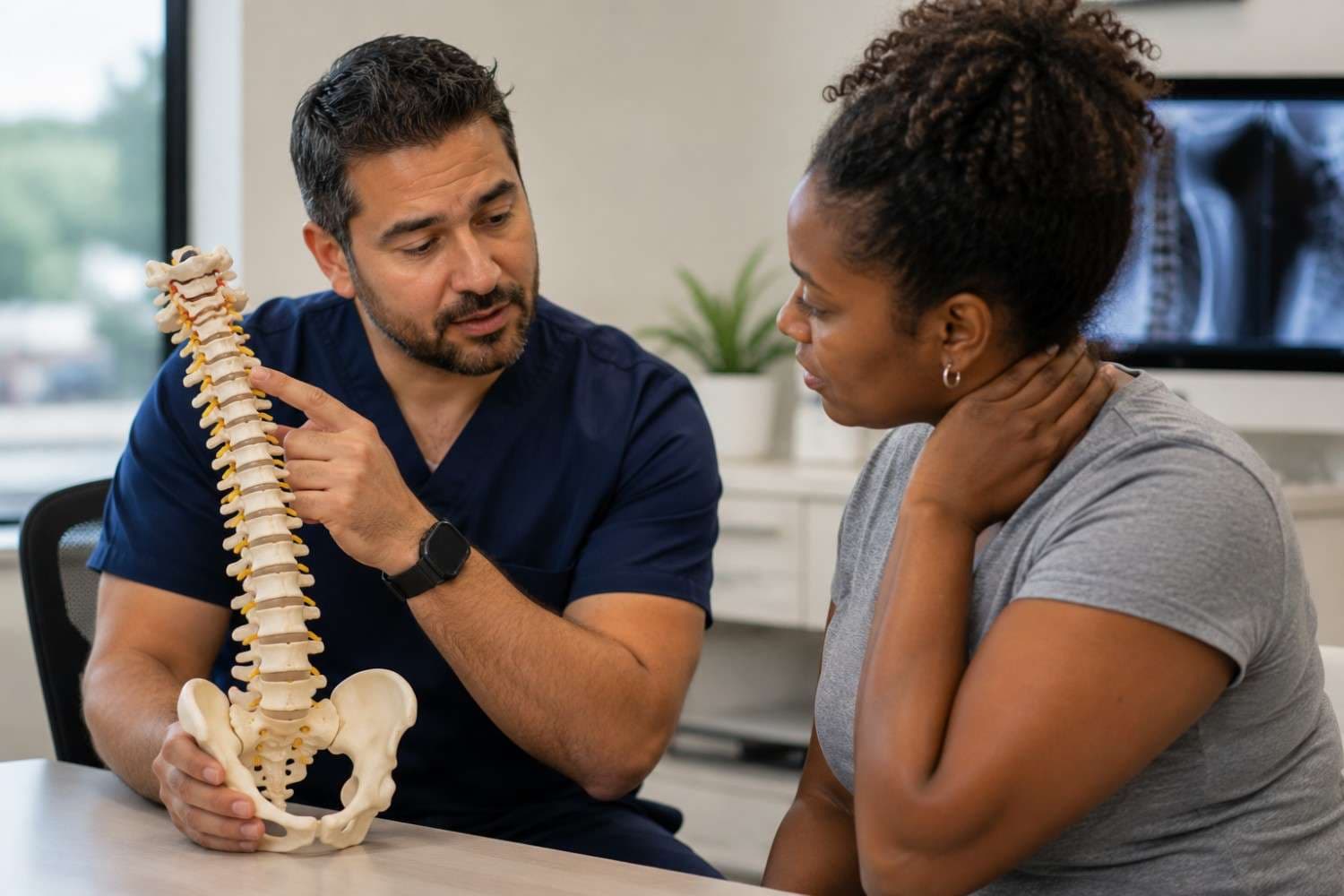
Understanding the Difference Between Acute and Chronic Pain in Beaumont, TX
DS
By Deepak Sharma, DC
Medically reviewed
Owner & Doctor of Chiropractic · 5 min read · Published · Updated · Last reviewed

Imagine this: one moment you’re fine, and the next, a sudden, sharp jolt of pain hits after a minor slip, a sports incident, or a car accident in Beaumont, TX. That’s acute pain. Now, consider the ache that has been a constant, unwelcome companion for months, subtly but persistently dictating your daily life and limiting your enjoyment of our vibrant city. That’s likely chronic pain.
For residents of Beaumont, TX, dealing with the aftermath of an injury or a long-standing medical issue, understanding the distinction between acute vs chronic pain Beaumont TX is essential. These aren’t just different terms for the same feeling—they have fundamentally different causes, durations, and, most importantly, require different treatment approaches. Knowing your pain type is the critical first step toward getting the right help. This guide will clarify these two major types of pain, empowering you to seek the most effective care for your recovery.
What Is Acute Pain?
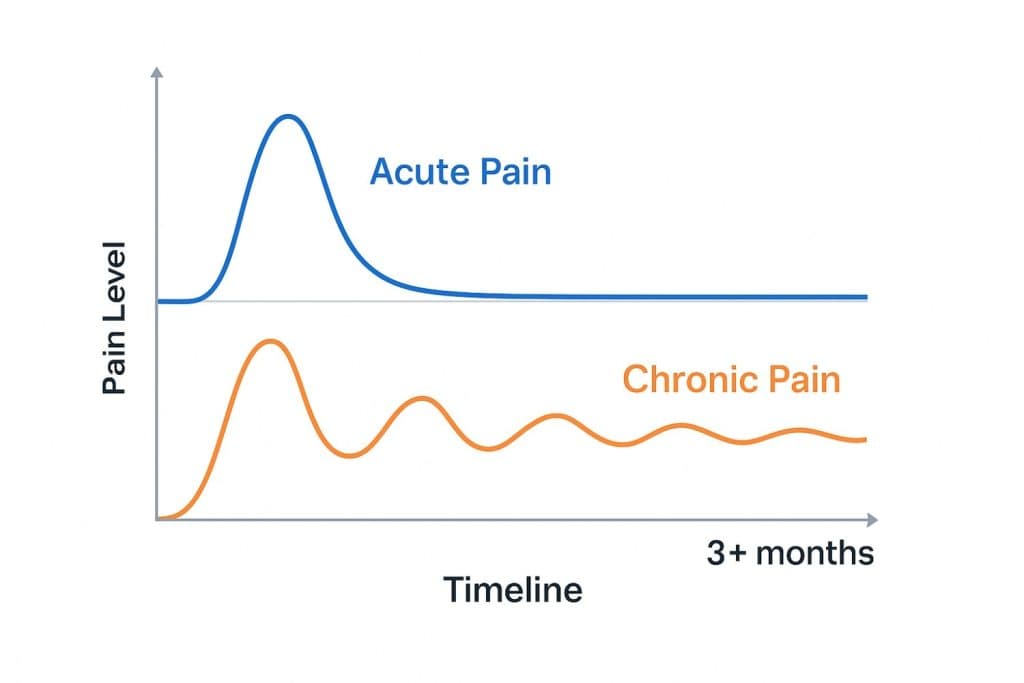
Acute pain is defined by its sudden onset and short-term nature. It is typically a clear symptom of recent tissue damage, injury, or illness. Think of it as a biological alarm system—it signals to your brain that something is wrong and that attention is required to prevent further harm.
- Duration: Typically lasts for days or weeks, and rarely persists beyond three months.
- Purpose: It has a clear, protective function, directly linked to a specific cause like a cut, burn, or a sprain.
- Resolution: Acute pain almost always resolves once the underlying injury or condition heals.
Common examples of acute pain include post-surgical discomfort, a minor bone fracture, a toothache, or the immediate soreness from a sudden injury like whiplash after an auto accident.
What Is Chronic Pain?
In stark contrast, chronic pain is pain that persists—it is long-term and often continues well past the expected healing time, typically three months or longer. With chronic pain, the pain signal is no longer a simple warning sign of new damage; the pain itself becomes the condition. This can happen due to neurological changes, nerve sensitization, or underlying conditions that don’t fully resolve.
- Duration: Lasts 3 months or longer, sometimes continuing for years.
- Impact: It can significantly interfere with daily activities, mood, sleep, and overall quality of life.
- Nature: The pain signals may continue even after the initial injury has healed, sometimes presenting as a widespread, variable, or unpredictable ache.
Examples of chronic pain conditions include chronic back pain, arthritis, fibromyalgia, nerve pain, and pain stemming from complex regional pain syndrome.
Key Differences: Acute vs Chronic Pain Beaumont TX
Causes of Acute Pain
Acute pain has an immediate and traceable cause, and its intensity is generally proportional to the degree of injury. In Beaumont, TX, common causes we see include:
- Traumatic Injuries: Such as those sustained in car accidents e.g., whiplash, strains, contusions, falls, or sports injuries.
- Sudden Tissue Damage: Sprains, fractures, cuts, or burns.
- Surgical Procedures: Pain during the immediate post-operative period.
Acute pain is temporary, and the focus of treatment is to address the underlying injury effectively so that the pain ceases as healing completes.
Causes of Chronic Pain
The causes of chronic pain are more complex. While it often starts as acute pain, it persists due to a variety of factors:
- Incomplete Healing: When an injury doesn’t fully mend or continues to recur.
- Underlying Medical Conditions: Conditions like nerve damage, persistent inflammation, or structural issues.
- Neurological Changes: Over time, the nervous system can become overly sensitized short-term pain evolves into a long-term pain problem, causing pain signals even without ongoing damage.
Sometimes, the original trigger is unclear idiopathic pain, making long-term management the primary focus.
Treatment Approaches: Acute Pain
The goal of acute pain treatment is swift and complete recovery, addressing the direct cause of the pain. For residents in Beaumont, TX, seeking help for new injuries, the initial approach typically involves:
- Rest, Ice, Compression, and Elevation (R.I.C.E.)
- Targeted Physical Therapy: To restore function and prevent stiffness.
- Professional Care: A professional assessment and care plan, often including chiropractic adjustments or medical management, is crucial for promoting proper healing and preventing the transition to chronic pain. Get Acute Pain Relief in Beaumont, TX
Treatment Approaches: Chronic Pain
Managing chronic pain requires a fundamentally different and often multimodal approach. Since the pain itself is the primary problem, the goal shifts from “cure” to sustained management and functional improvement. Our comprehensive chronic pain management strategies involve:
- Adaptive Physical Therapy and Rehabilitation: Focusing on movement without exacerbating pain.
- Interventional Treatments: Including therapeutic adjustments and non-invasive procedures.
- Lifestyle Modifications: Including nutritional counseling, stress management, and activity pacing.
- Regular Monitoring: Chronic pain plans require ongoing adjustments to maintain progress and manage flare-ups.
This ongoing, adaptive process is essential for anyone dealing with long-term pain to reclaim their quality of life.
Why the Distinction Matters for Your Care
Understanding the pain duration and its nature is not academic—it’s the foundation of effective treatment. For our Beaumont, TX community, recognizing whether your pain is a temporary warning acute or a long-term problem chronic dictates:
- The Timeline: Acute pain has a clear end-date for treatment; chronic pain requires a long-term partnership with your care provider.
- The Strategy: Acute care focuses on healing the injury; chronic care focuses on managing the central nervous system’s response and improving function.
- The Expectation: Early, targeted intervention for acute injuries can prevent them from developing into chronic conditions.
Conclusion
The experience of pain is always personal, but its classification—acute vs chronic pain Beaumont TX—is a vital piece of information. Whether you’re dealing with the immediate aftermath of an accident or struggling with a persistent, long-term pain condition, professional classification and a targeted treatment plan are non-negotiable for recovery.
Don’t let misunderstanding your pain type lead to ineffective treatment. Our team in Beaumont, TX, is dedicated to providing the precise assessment and care you need, whether it’s an acute injury requiring immediate relief or a chronic condition needing long-term management.
Medically reviewed by
Verified
DS
Deepak Sharma
DC
Owner & Doctor of Chiropractic
Deepak Sharma, DC is a licensed Doctor of Chiropractic and the owner of Car Accident Cares in Beaumont, TX. He reviews the clinical content published across the site and works with a multidisciplinary network of MDs, chiropractors, imaging centers, and pain-management specialists focused on accurate diagnosis, evidence-based treatment, and complete recovery for motor-vehicle-accident victims across Beaumont and Houston.