Understanding Opioids in Pain Management: Safe Use and Alternatives in Beaumont, TX
DS
By Deepak Sharma, DC
Medically reviewed
Owner & Doctor of Chiropractic · 5 min read · Published · Updated · Last reviewed
Introduction
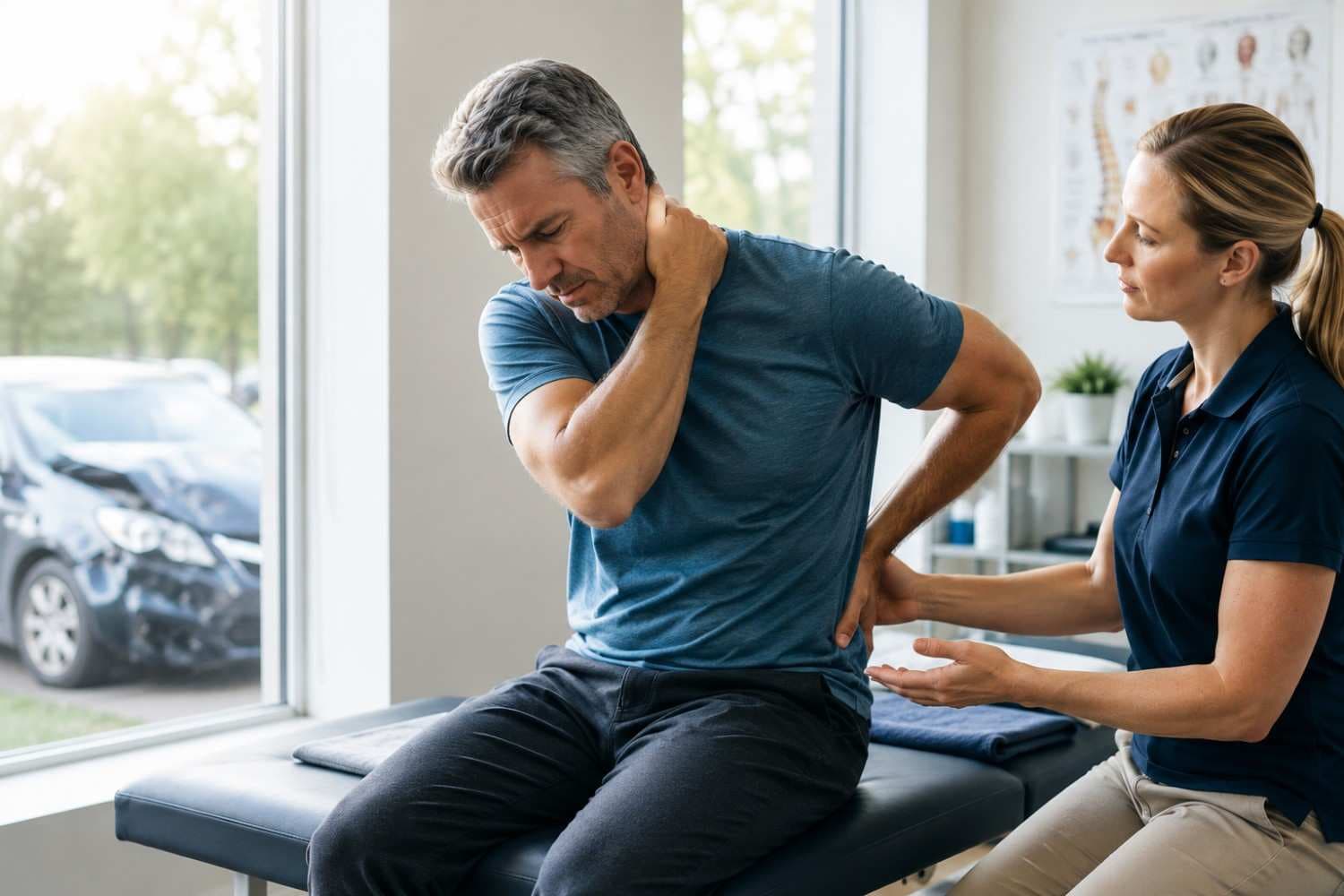
Recovering from a serious injury—whether from a car accident, a fall, or a workplace incident—often means grappling with significant pain. When the discomfort is severe, patients often look to effective relief, and that conversation frequently includes prescription pain medications. This brings us to a topic that requires careful consideration: opioids pain management Beaumont TX.
While opioids can be a powerful tool for short-term, acute pain relief, they are not without significant risks. This article aims to provide a clear, medically informed guide to understanding the role of opioids, emphasizing responsible use, and, most importantly, exploring the robust non-opioid alternatives available to Beaumont residents. Our commitment is to comprehensive Pain Management that prioritizes your long-term health and recovery.

What Are Opioids and Their Role in Pain Management?
Opioids are a class of prescription medications, including hydrocodone, oxycodone, and morphine, that are chemically similar to natural opium alkaloids. They function by binding to specific opioid receptors in the brain, spinal cord, and other areas of the body, which effectively block pain signals and reduce the feeling of pain.
The mechanism is why opioids can be highly effective, but their role is specific: they are primarily used for managing severe acute pain. This includes intense pain experienced immediately following major trauma, surgery, or serious injury. They are designed to offer fast, powerful relief during the most debilitating phase of recovery.
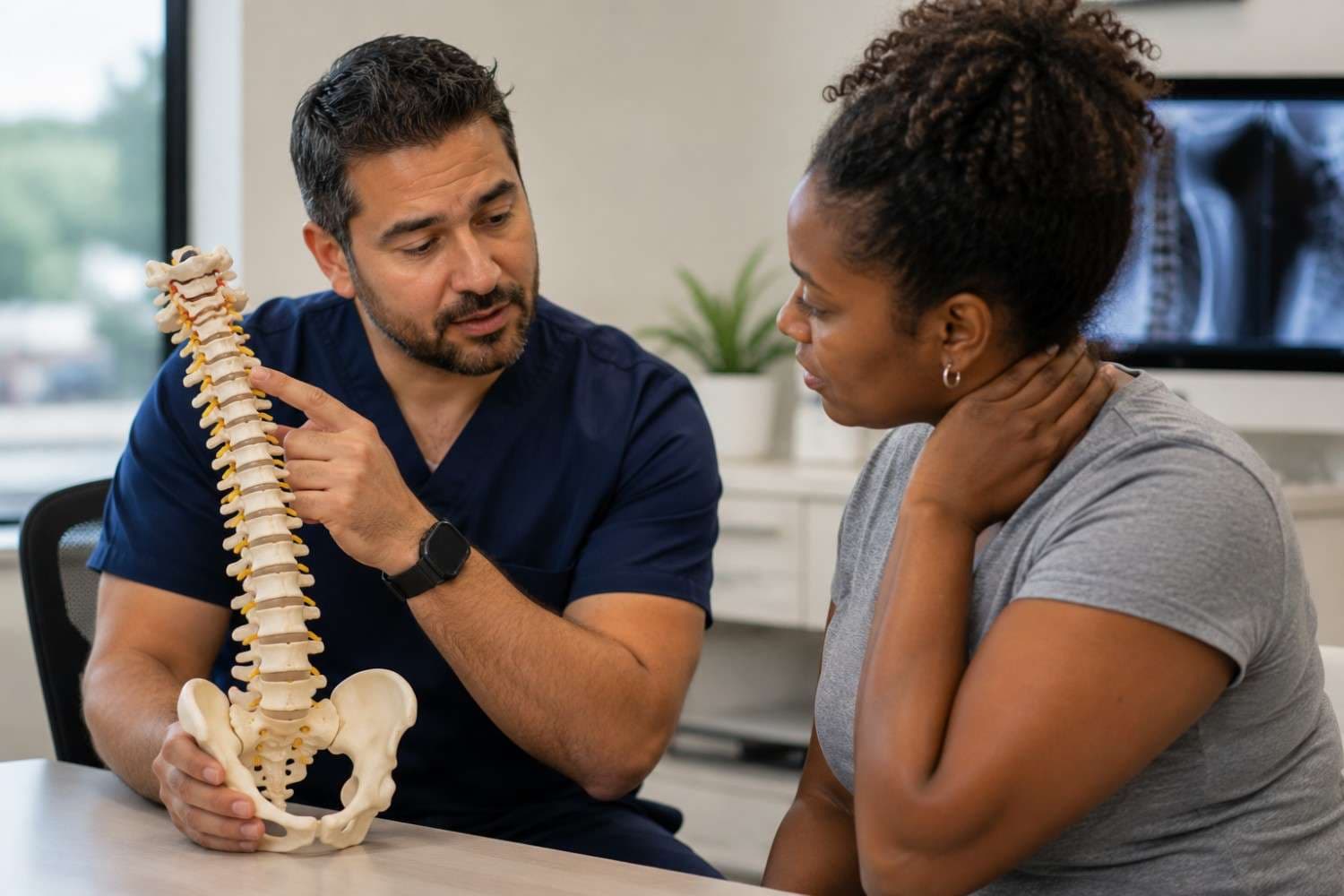
It is crucial to understand that opioids are just one component of a holistic comprehensive pain management options. They are rarely—and should not be—the first or only solution, especially as you move from acute injury recovery into rehabilitation.
When Opioids Are Prescribed: Use Cases in Beaumont Pain Management
For General Injury Seekers in Beaumont, opioids may be considered in specific, limited scenarios. These most often include:
- Severe Acute Injury Pain: Following a traumatic car accident or a significant orthopedic injury where the pain is rated very high on a severity scale.
- Post-Surgical Recovery: Managing the intense, short-term pain immediately following necessary surgical procedures related to an injury.
- Initial Trauma Stabilization: Providing comfort and relief in the first few days after a severe accident.
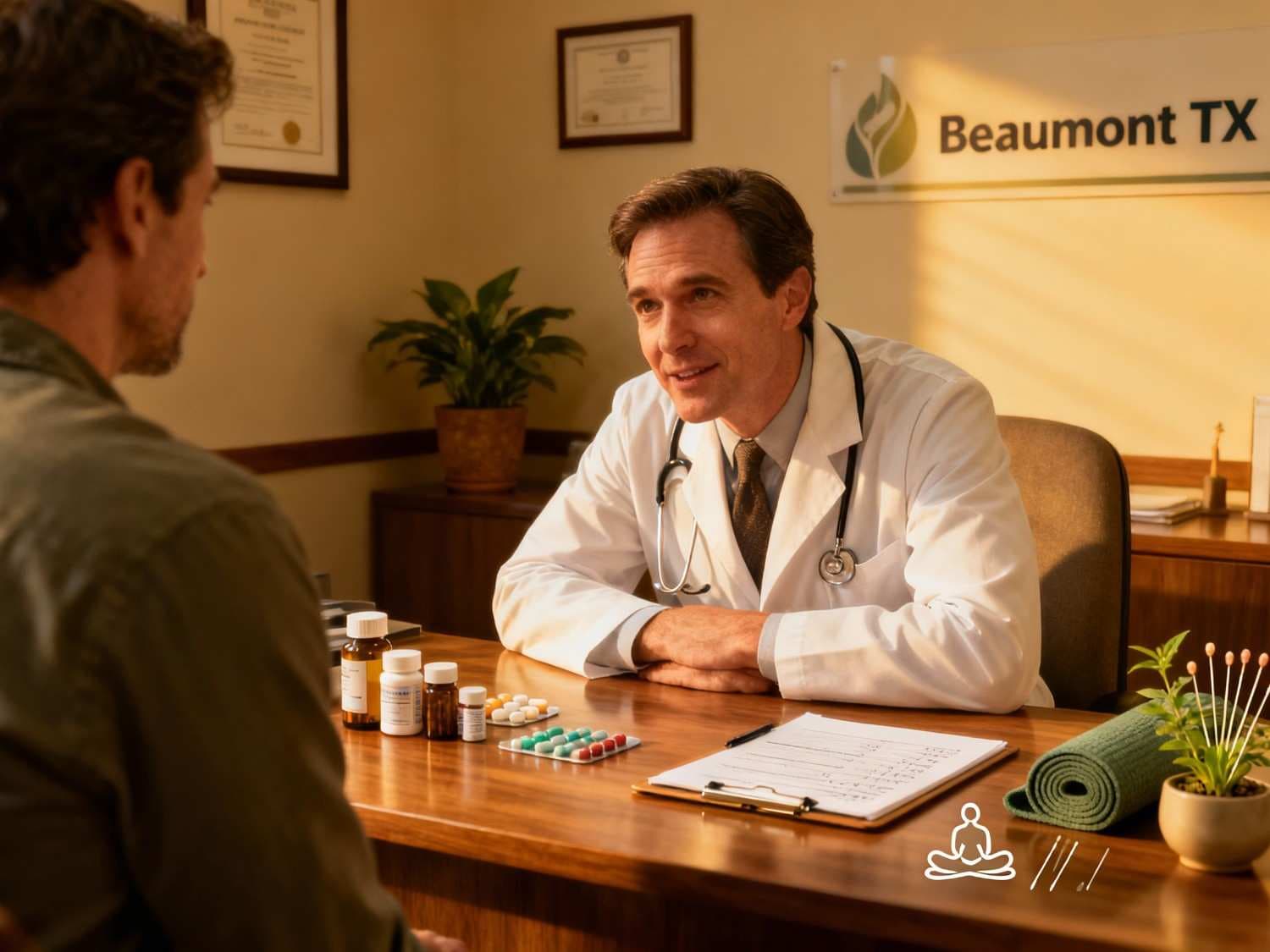
Qualified medical professionals in Beaumont assess numerous factors before prescribing an opioid, including your medical history, the severity of the pain, and other coexisting conditions. Their goal is always to use the lowest effective dose for the shortest possible duration. Opioids are not typically the first-line treatment for managing persistent, long-term, or chronic pain.
Understanding the Risks: Why Responsible Use Matters
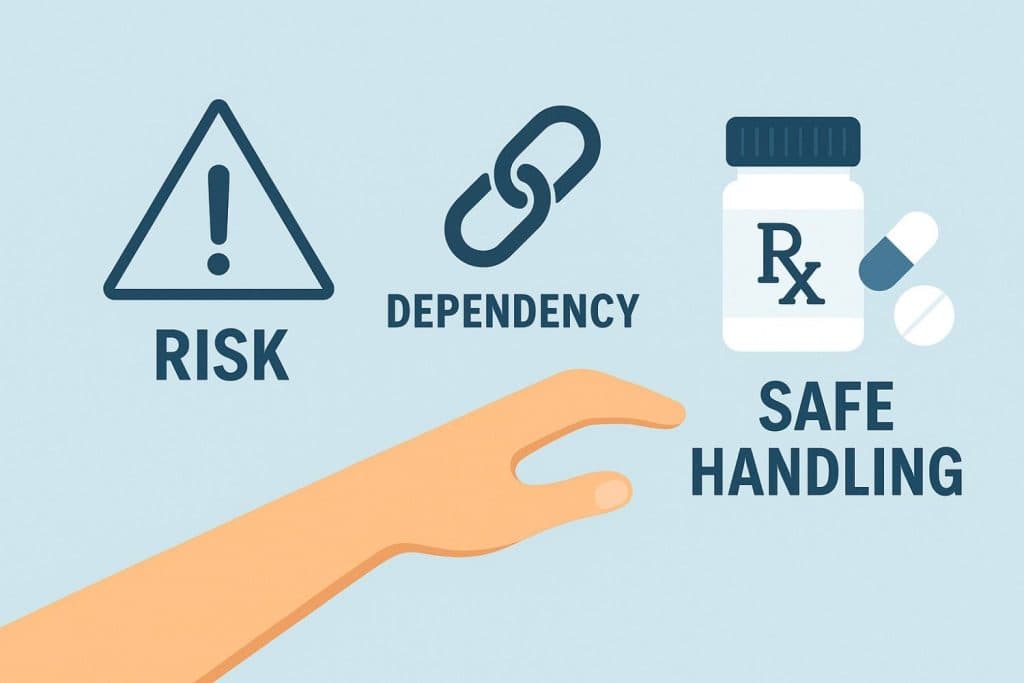
The power of opioids comes with inherent risks that cannot be ignored. Our priority is to ensure all patients are fully informed about the potential dangers, which include:
- Dependency and Addiction: Physical dependence means the body needs the drug to function normally. Addiction is a compulsive desire to use the drug despite harmful consequences. It is vital to understand that even short-term, medically supervised use can lead to physical dependence.
- Tolerance: Over time, the body may require higher doses of the drug to achieve the same pain relief, increasing the overall risk profile.
- Side Effects: Common short-term effects include drowsiness, confusion, constipation, and nausea.
- Overdose Potential: This is the most serious risk, often occurring when opioids are misused, taken in too high a dose, or combined with other substances like alcohol or sedatives.
Responsible Opioid Use: Best Practices in Texas
If an opioid is deemed necessary by your healthcare provider, following strict protocols is paramount to ensuring safety and successful recovery in Texas:
- Take Exactly as Prescribed: Never adjust your dosage or frequency without explicit instruction from your doctor.
- Open Communication: Immediately report any side effects, concerns about dependency, or if the medication does not seem to be working.
- Secure Storage: Keep the medication locked up, away from children, and never share your prescription with anyone else.
- Safe Disposal: Follow DEA and local Beaumont guidelines for disposing of unused medication promptly. Many local pharmacies offer take-back programs.
- Avoid Combination: Never mix opioids with alcohol, sleep aids, or other prescription or non-prescription drugs unless specifically advised by your prescribing physician.
Adhering to these best practices, coupled with regular monitoring by your medical team, significantly reduces the dangers associated with opioid treatment.
Non-Opioid Alternatives for Pain Relief

Why Your Beaumont Healthcare Team Should Guide Your Choices
The decision to use opioids, or any powerful pain medication, must be a collaboration between you and your qualified healthcare provider. This article serves as an educational resource, but it is not a substitute for professional medical advice.
Your Beaumont healthcare team is equipped to:
- Perform Risk Assessment: Evaluate your history for factors that may increase the risk of dependency or misuse.
- Customize Treatment: Tailor a pain management plan that addresses your unique injury and recovery goals, ensuring the most effective and safest treatment path.
- Monitor and Adjust: Continually monitor your progress and adjust medications or switch to non-opioid options as your pain improves.
Always be transparent about your pain levels, any concerns you have about medication, and any other drugs you are taking. This open dialogue is the cornerstone of safe, successful pain management.
Conclusion
Opioids have a definite, yet limited, role in opioids pain management Beaumont TX—primarily for severe acute pain under strict medical supervision. However, the path to a full and sustainable recovery for General Injury Seekers in Beaumont rarely relies on them long-term.
By prioritizing patient safety, responsible use, and a commitment to exploring every available alternative, we ensure your recovery is not just comfortable but also healthy and sustainable.
Your health and long-term well-being are our primary concern. Take the necessary step toward safe and effective recovery today.
Ready to Find a Safer Path to Relief?
Medically reviewed by
Verified
DS
Deepak Sharma
DC
Owner & Doctor of Chiropractic
Deepak Sharma, DC is a licensed Doctor of Chiropractic and the owner of Car Accident Cares in Beaumont, TX. He reviews the clinical content published across the site and works with a multidisciplinary network of MDs, chiropractors, imaging centers, and pain-management specialists focused on accurate diagnosis, evidence-based treatment, and complete recovery for motor-vehicle-accident victims across Beaumont and Houston.