
Understanding Nerve Blocks for Back Pain in Beaumont, TX
DS
By Deepak Sharma, DC
Medically reviewed
Owner & Doctor of Chiropractic · 6 min read · Published · Updated · Last reviewed

Introduction
Chronic back pain is a pervasive health issue, affecting an estimated 20.4% of U.S. adults at any given time and contributing to significant functional limitations and reduced quality of life. In Beaumont, TX, where residents engage in physically demanding occupations and active lifestyles, persistent lumbar discomfort can hinder daily activities and diminish overall well-being. While initial treatments—such as rest, over-the-counter analgesics, and basic physical therapy—often provide temporary relief, a substantial subset of patients continues to struggle despite these conservative measures. For this population, minimally invasive interventional pain management techniques, notably nerve blocks for back pain Beaumont TX, serve as precise, targeted options to interrupt the pathways of pain transmission and restore function.
This comprehensive guide explores the fundamentals of nerve blocks, their various types, the conditions they address, the procedural steps involved, and realistic expectations for outcomes. By understanding how nerve block injections work, Beaumont residents can make informed decisions about integrating these advanced therapies into their broader, multidisciplinary pain management plans.
What Are Nerve Blocks?
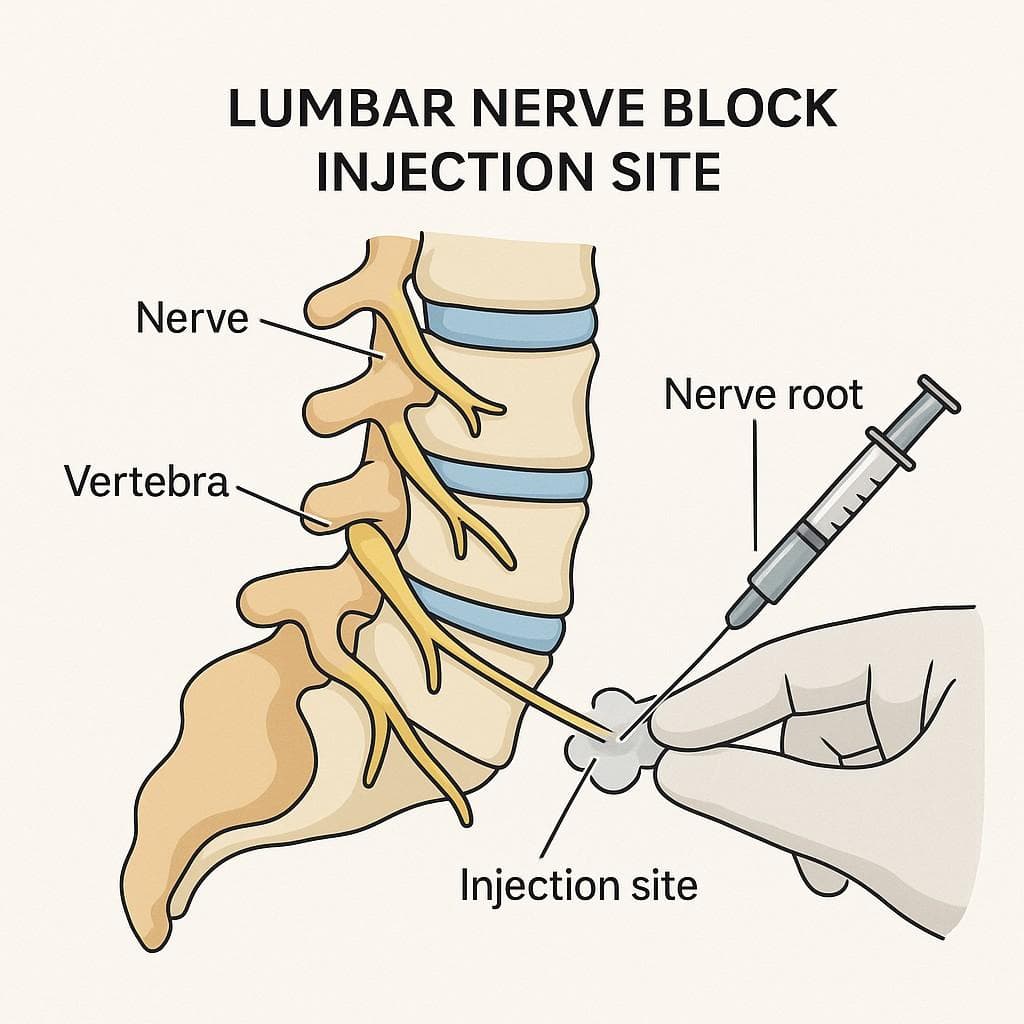
A nerve block is an interventional procedure in which a combination of a local anesthetic for immediate numbing and a corticosteroid to reduce inflammation is injected directly adjacent to the nerves or within joint spaces responsible for transmitting chronic pain signals. This targeted approach “blocks” or attenuates nociceptive impulses traveling from the affected spinal structures to the central nervous system.
Unlike systemic medications—whose effects are distributed body-wide and often carry risks of gastrointestinal irritation, sedation, or dependence—nerve blocks focus treatment precisely where it is needed. As a result, patients frequently experience substantial pain relief without the side effects associated with oral pharmacotherapy. Moreover, nerve blocks can serve diagnostic and therapeutic purposes: if pain abates following an injection, clinicians confirm the anatomical pain generator, guiding subsequent long-term treatment strategies.
Types of Nerve Blocks for Back Pain
Different types of nerve blocks are tailored to specific sources of back pain. Two of the most common categories include:
Epidural Steroid Injections
Epidural steroid injections represent one of the most commonly performed nerve block procedures for lumbar radiculopathy—pain radiating from the spine into the legs—often resulting from herniated intervertebral discs or spinal canal narrowing (stenosis). During this procedure:
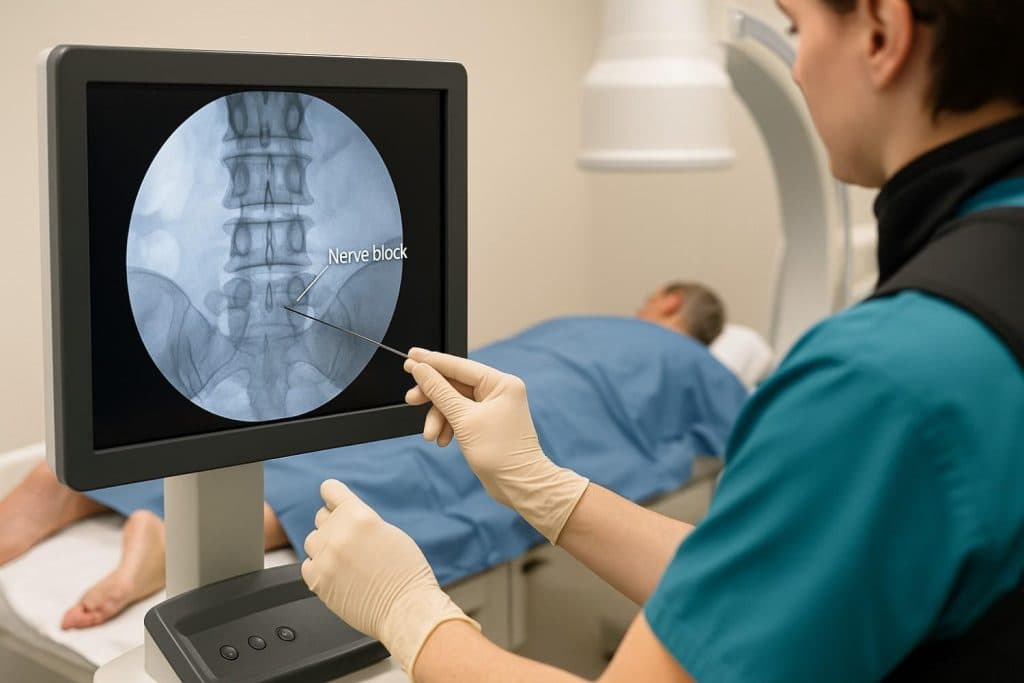
- Imaging Guidance: Under fluoroscopic (real-time X-ray) visualization, the physician identifies the epidural space surrounding the spinal cord and nerve roots.
- Needle Placement: A fine-gauge needle is introduced through the skin into the epidural compartment.
- Medication Delivery: A mixture of a long-acting local anesthetic (e.g., bupivacaine) and a corticosteroid (e.g., dexamethasone) is slowly injected.
The corticosteroid exerts potent anti-inflammatory effects, reducing perineural edema and mitigating chemical irritants that exacerbate radicular pain. Clinical studies demonstrate 50–70% pain reduction lasting three to six months in patients with disc herniations or spinal stenosis. Repeat injections can be scheduled at intervals of three to four months, depending on symptom recurrence and treatment response.
Facet Joint (Medial Branch) Blocks
Facet joints are paired synovial articulations located at the posterior aspect of each vertebral segment, facilitating spinal flexibility and load distribution. With aging or chronic mechanical stress, these small joints may develop osteoarthritis, leading to localized back stiffness and pain.
A facet joint block Beaumont TX can be performed in two ways:
- Intra-Articular Injection: Direct delivery of anesthetic and steroid into the joint capsule to quell inflammation.
- Medial Branch Block: Targeted injection around the medial branch nerves that convey sensation from the facet joint to the central nervous system.
Under fluoroscopic guidance, the specialist places the needle tip adjacent to the medial branch nerve, injecting a combination of anesthetic and anti-inflammatory agent. Patients typically report 60–65% improvement in pain within 24–48 hours, with relief lasting three to five months in many cases. When diagnostic medial branch blocks yield significant temporary relief, radiofrequency ablation (RFA) of the same nerves may be recommended for longer-lasting analgesia.
Conditions Treated by Nerve Blocks
Nerve block injections are versatile interventions for various back pain etiologies by precisely targeting the anatomical pain generators:
- Herniated Disc
Protrusion of nucleus pulposus material may compress adjacent nerve roots. Epidural steroid injections effectively reduce perineural inflammation, alleviating sciatica and lower back discomfort.
Learn more to Herniated Disc. - Spinal Stenosis
Degenerative narrowing of the spinal canal compresses neural structures, causing neurogenic claudication. Epidural blocks reduce swelling within the canal, improving walking tolerance and leg pain. - Sciatica
Compression or irritation of the sciatic nerve results in shooting leg pain. Targeted epidural or selective nerve root injections alleviate radicular symptoms more effectively than systemic analgesics. - Facet Arthropathy
Arthritic degeneration of facet joints produces localized, mechanical back pain, often alleviated by intra-articular or medial branch blocks. - Degenerative Disc Disease
Although nerve blocks do not reverse disc degeneration, they provide symptomatic relief of pain arising from chemical irritation and micro-motion at degenerated levels. - Post-Surgical Pain
Persistent discomfort following spine surgery—due to scar tissue or residual nerve irritation—can respond favorably to targeted nerve blocks.
The Nerve Block Procedure
Undergoing a nerve block is typically a quick, outpatient procedure performed in a clinic or hospital setting. Here’s a general overview of what to expect:
Pre-Procedure Preparation
Prior to any nerve block, patients receive individualized instructions, which generally include:
- Fasting: Abstain from food and drink for 6–8 hours.
- Medication Review: Temporary discontinuation of anticoagulants (e.g., warfarin, DOACs) to minimize bleeding risk.
- Baseline Assessment: Vital signs, allergy history, and informed consent to discuss benefits, risks, and alternatives.
Imaging-Guided Injection
Precision is paramount. Under aseptic conditions in a dedicated procedure suite:
- Positioning: Patients lie prone on a radiolucent table.
- Local Anesthesia: The skin and subcutaneous tissues are numbed.
- Needle Advancement: Using fluoroscopy or ultrasound, the clinician navigates the needle to the target site—be it the epidural space, facet joint capsule, or medial branch nerve.
- Contrast Confirmation: A small volume of radiographic contrast may be injected to verify accurate spread.
- Therapeutic Injection: The anesthetic-steroid mixture is delivered slowly to optimize tissue uptake.
This entire process generally takes 15–30 minutes, after which the patient remains under observation for 30–60 minutes to monitor for immediate adverse effects such as bleeding, infection, or allergic reactions.
Post-Injection Care
- Observation: Monitor vital signs and neurological status.
- Activity Restrictions: Avoid strenuous exertion or heavy lifting for 24 hours; gentle ambulation encouraged.
- Symptom Diary: Record daily pain levels to assess efficacy.
- Follow-Up: Return in 1–2 weeks for outcome evaluation and to plan further therapy.
Potential Outcomes and Expectations
Nerve blocks aim to achieve significant pain relief and functional enhancement. Clinical outcomes vary based on:
- Patient Factors: Age, comorbidities, and pain chronicity.
- Procedure Type: Epidural vs. facet joint vs. medial branch block.
- Underlying Condition: Disc herniation vs. spinal stenosis vs. arthritis.
Most individuals experience noticeable relief within 3–7 days post-injection, with analgesia lasting from several weeks to months—and in certain cases, beyond a year. When blocks offer only transient benefit, repeat injections can be administered at appropriate intervals. To maximize and sustain results, nerve blocks are ideally integrated into a multidisciplinary regimen encompassing physical therapy, chiropractic adjustments, core strengthening, and lifestyle modifications such as anti-inflammatory nutrition and ergonomic education.
Conclusion
For Beaumont, TX residents enduring chronic back pain refractory to conservative management, nerve blocks for back pain represent a powerful, minimally invasive option that interrupts pain pathways with remarkable precision. By reducing reliance on systemic medications and diminishing inflammation at the source, these targeted injections can restore daily function, enhance quality of life, and serve as pivotal components of comprehensive, personalized pain management strategies.
If you or a loved one suffers from persistent lumbar pain, consult our Beaumont pain management specialists to determine whether nerve block injections—combined with rehabilitative therapies—may be the appropriate next step in your journey toward lasting relief and renewed activity.
Medically reviewed by
Verified
DS
Deepak Sharma
DC
Owner & Doctor of Chiropractic
Deepak Sharma, DC is a licensed Doctor of Chiropractic and the owner of Car Accident Cares in Beaumont, TX. He reviews the clinical content published across the site and works with a multidisciplinary network of MDs, chiropractors, imaging centers, and pain-management specialists focused on accurate diagnosis, evidence-based treatment, and complete recovery for motor-vehicle-accident victims across Beaumont and Houston.