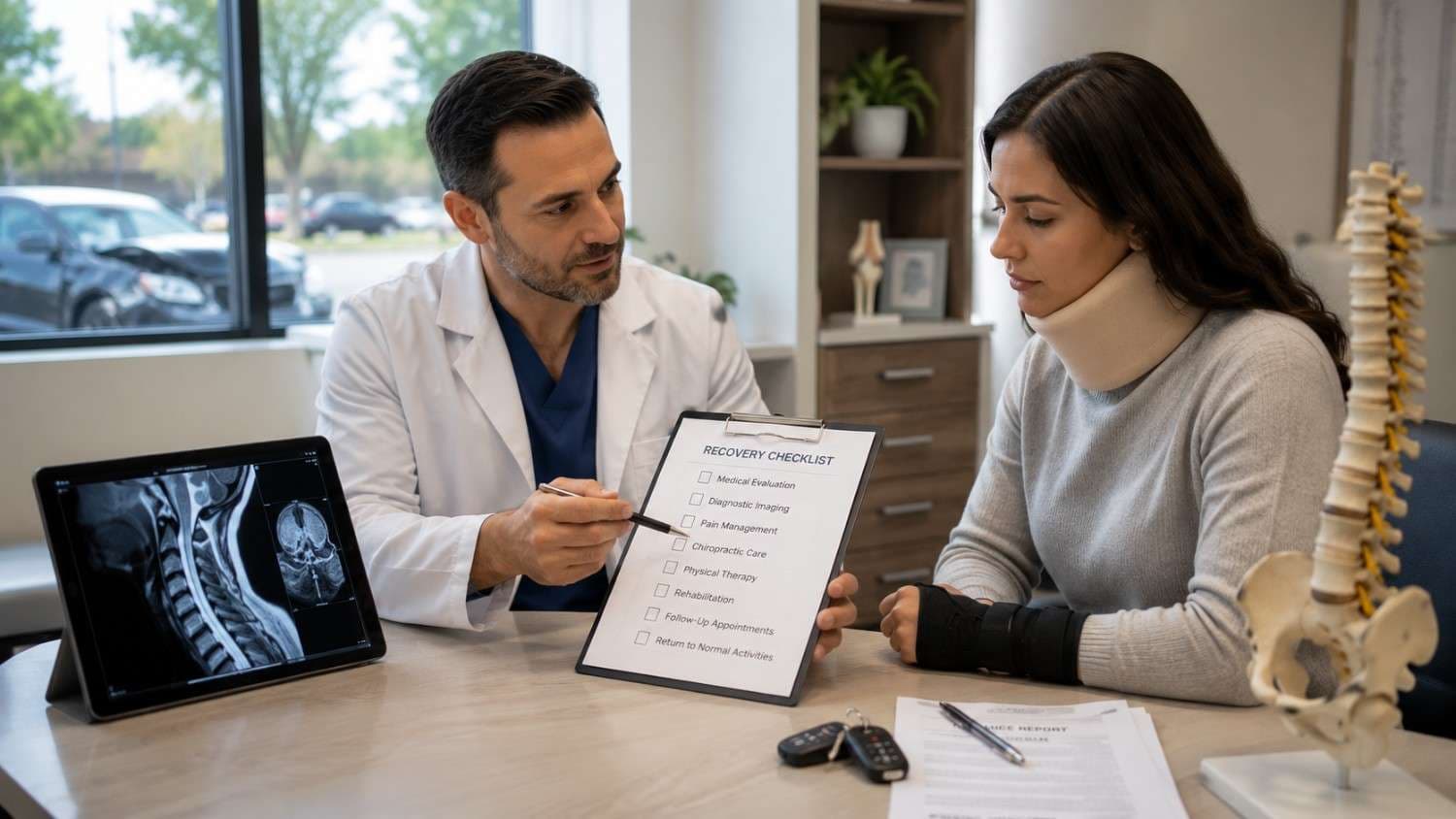
The Car Accident Recovery Checklist Beaumont TX Doctors Actually Give Their Patients
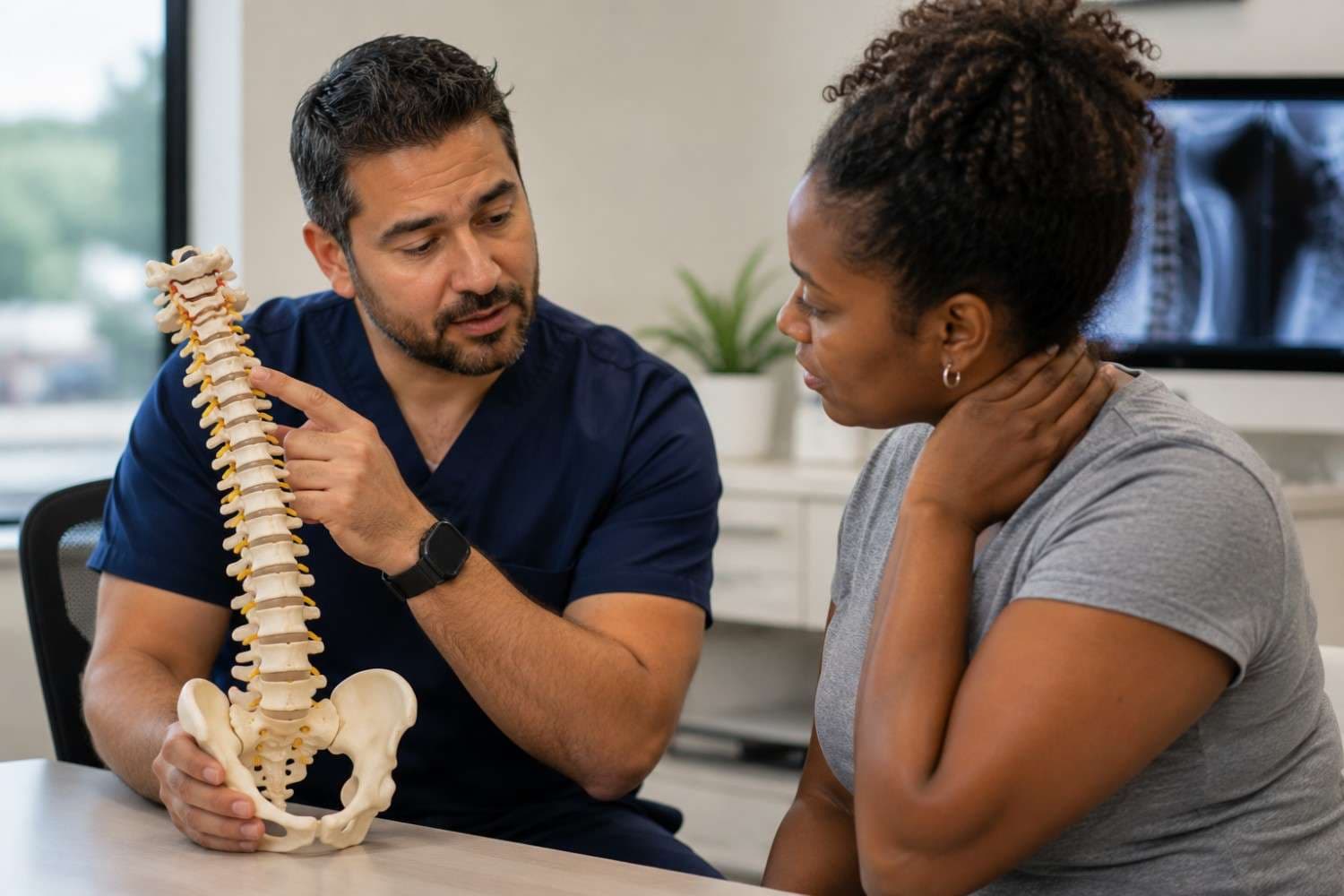
Step 1: The First Rule of Car Accident Recovery Beaumont TX — Get Evaluated Within 48 Hours
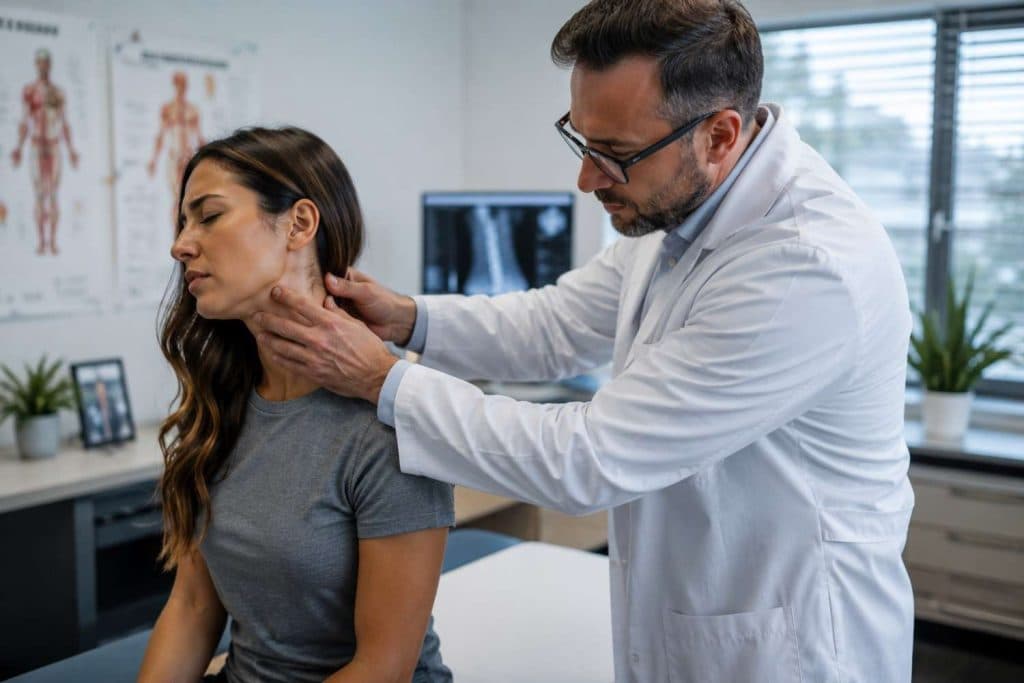
Step 2: Document Every Single Symptom
- Tingling or numbness: May indicate nerve root compression from a herniated disc.
- Persistent headaches: Can signal a concussion or cervical spine dysfunction.
- Dizziness or vertigo: Often caused by cervical joint disruption or a mild traumatic brain injury (mTBI).
- Sleep disruption or cognitive fog: Recognized neurological sequelae of trauma.
Step 3: Get the Right Imaging — X-Ray, MRI, or CT Scan?
- CT Scan: Superior for evaluating complex bone fractures and suspected intracranial injuries. Scheduling an affordable CT scan in Beaumont TX ensures your full injury picture is captured when bone-level trauma is suspected.
- MRI: The preferred tool for most soft tissue complaints, including spinal discs and ligaments.
- X-Ray: Useful for ruling out major fractures but often misses soft tissue damage.
Step 4: Start Your Custom Treatment Plan
- Chiropractic spinal manipulation: Reduces joint restriction and restores range of motion. Our chiropractic care team in Beaumont TX specializes in post-accident recovery.
- Physical therapy: Progressive exercise protocols rebuild strength and prevent re-injury.
- Pain management: Includes medication management and therapeutic injections for severe cases.

Step 5: Attend Every Follow-Up Appointment
Step 6: Track Your Progress Weekly
- Can I turn my head further this week than last?
- Am I able to sit at my workstation longer without lower back pain?
- Has my sleep quality improved?
Step 7: Know When You Are Truly Healed
Get Your Free Assessment at Car Accident Cares Beaumont TX

Frequently Asked Questions About Car Accident Care in Beaumont
How soon should I see a doctor after my accident?
You should seek a medical evaluation within 24 to 48 hours of your crash, even if you feel no immediate pain. Post-traumatic adrenaline release reliably masks serious soft tissue injuries for 24–72 hours, creating a dangerous false sense of security. Early diagnosis is the single most important predictor of a full and timely recovery. By getting evaluated quickly, you allow doctors to identify hidden trauma like whiplash or internal inflammation before it worsens. Furthermore, this early visit establishes a critical medical record that accurately links your injuries directly to the accident.
Why do I feel more pain a few days after the accident?
This phenomenon is clinically known as delayed-onset post-traumatic pain. As the acute sympathetic nervous system response—your “fight or flight” mode—fades, the adrenaline that was masking your pain recedes. Simultaneously, inflammatory mediators like prostaglandins and cytokines begin to accumulate around microscopic tears in your muscles, ligaments, and joint capsules. Conditions such as whiplash, lumbar strain, and nerve irritation typically become highly symptomatic between 24 to 96 hours post-collision. This delayed reaction is exactly why immediate medical screening is vital, regardless of how you feel at the scene.
Will an ER visit cover everything I need for my recovery?
Emergency rooms are essential for ruling out life-threatening injuries—such as internal organ damage, major fractures, and intracranial hemorrhage—and they are the appropriate first stop after a severe collision. However, ERs are designed for acute stabilization, not long-term physical rehabilitation. They often discharge patients once they are “stable,” frequently leaving underlying soft tissue injuries untreated. A follow-up with an auto injury specialist in Beaumont TX is essential for specialized soft tissue management, specialized diagnostic imaging, and a structured, multi-week recovery plan that ensures long-term functional health and prevents chronic pain.
What is the difference between an MRI and a CT Scan?
A CT scan provides rapid, detailed 3D cross-sectional images of bones and is ideal for identifying complex fractures, joint dislocations, and immediate intracranial injuries. Conversely, an MRI produces superior images of soft tissue structures—including spinal discs, nerve roots, ligaments, and the spinal cord—without using radiation. For the majority of car accident complaints, which involve soft tissue trauma rather than broken bones, an MRI is the preferred diagnostic tool to identify the source of pain. Your doctor will determine which modality is necessary based on your specific neurological and physical symptoms.
How long does a typical car accident recovery Beaumont TX take?
Recovery timelines vary significantly based on injury severity, patient age, pre-existing conditions, and, most importantly, compliance with the treatment plan. Minor Grade I–II whiplash with proper early care may resolve in 4–12 weeks. However, more complex injuries like lumbar disc herniations or Grade III cervical injuries often require 3–6 months of active rehabilitation to stabilize. Severe nerve injuries or cases requiring surgical intervention may involve a recovery timeline of 12 months or longer. Consistent attendance at your scheduled therapy sessions is the best way to keep your timeline as short as possible.
Can I just manage my recovery with over-the-counter pain medication?
Analgesic and anti-inflammatory medications are appropriate for managing acute discomfort, but they address only the symptom—not the underlying structural pathology. Masking pain with medication while ignoring issues like disc herniations, joint misalignments, or ligament tears allows the injury to persist and potentially worsen. Active physical rehabilitation, rather than passive medication management, is the cornerstone of long-term recovery from musculoskeletal trauma. Without addressing the root cause, you risk developing chronic stiffness and permanent functional limitations once the medication wears off. A balanced approach combining professional treatment and prescribed medication is usually most effective.
Why do I need to document every single minor symptom?
Small, seemingly unrelated symptoms—including finger tingling, recurring headaches, jaw pain, or sleep disruption—are often neurological clues pointing toward a larger pathological process. For example, tingling can indicate cervical nerve root compression, while cognitive fog may signal a mild traumatic brain injury or PTSD. Comprehensive documentation allows your physician to build an accurate clinical picture and ensures no hidden injury goes unidentified during the critical early stages of care. By keeping a daily journal of your pain levels and functional limitations, you provide your medical team with the objective data they need.
What happens if I skip my physical therapy or chiropractic appointments?
Skipping appointments disrupts the progressive loading and mobilization that each biological phase of healing depends on. During the proliferative repair phase, your body is actively creating new collagen fibers to mend damaged tissue. These fibers are highly responsive to the mechanical input provided by professional treatment. Inadequate movement or irregular care causes these fibers to form in a disorganized, stiff, and sensitive pattern, commonly known as scar tissue. This can permanently reduce your range of motion and convert a treatable acute injury into a permanent, chronic pain condition.
How do doctors determine when my treatment is officially complete?
Physicians look for the attainment of Maximum Medical Improvement (MMI)—the point at which your condition has stabilized and no significant further improvement is expected with continued active treatment. This is not a guess; it is determined through serial orthopedic and neurological testing, functional assessments, and follow-up imaging to confirm tissue-level healing. MMI means your body has reached its best achievable recovery outcome given the nature of your injuries. It is critical to wait for this official clinical green light before stopping treatment to ensure your injuries are truly stable for the long term.
Do I need a referral from my primary doctor to visit Car Accident Cares?
No referral is required to begin your recovery journey with our specialized team. You can contact us directly to schedule a same-day evaluation and begin your comprehensive recovery checklist immediately. Our multidisciplinary team—which includes primary care, chiropractic, and pain management specialists—is ready to perform your full initial assessment, including history, physical examination, and coordination of any necessary advanced imaging like MRI or CT scans, starting from your very first visit. We prioritize rapid entry into care because earlier intervention always leads to superior long-term health outcomes for accident victims.
Deepak Sharma, DC is a licensed Doctor of Chiropractic and the owner of Car Accident Cares in Beaumont, TX. He reviews the clinical content published across the site and works with a multidisciplinary network of MDs, chiropractors, imaging centers, and pain-management specialists focused on accurate diagnosis, evidence-based treatment, and complete recovery for motor-vehicle-accident victims across Beaumont and Houston.