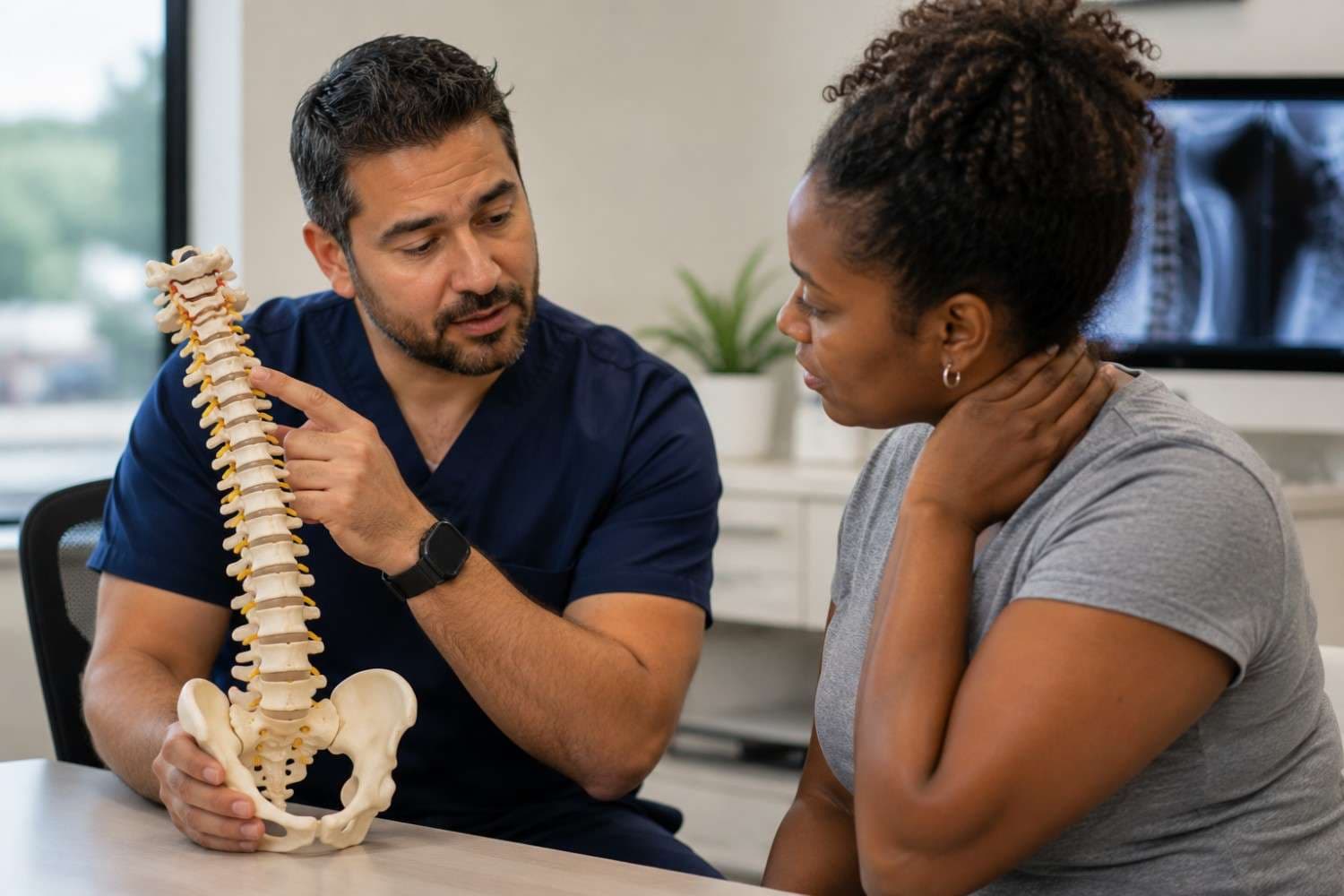
Understanding and Managing Nerve Pain: Comprehensive Treatment Options in Beaumont, TX
DS
By Deepak Sharma, DC
Medically reviewed
Owner & Doctor of Chiropractic · 12 min read · Published · Updated · Last reviewed

Introduction
Do you ever experience a sudden, sharp, shooting sensation down your leg, a persistent burning in your hands, or a tingling that just won’t quit? These unsettling feelings aren’t just everyday aches; they could be signs of nerve pain, a complex condition that demands specialized care. Nerve pain affects approximately 10% of the U.S. population, with an estimated 20 million Americans suffering from chronic neuropathic pain. For residents of Beaumont, TX, navigating the complexities of nerve pain can be particularly challenging, especially if it stems from an injury or an underlying health issue.
With Texas experiencing 251,977 people injured in motor vehicle crashes in 2024, many residents face the risk of developing nerve damage from traumatic incidents. Car accidents are the leading cause of peripheral nerve injuries, with nerve injuries diagnosed in 2.6% of upper extremity trauma patients and 1.2% of lower extremity trauma patients. In Beaumont’s diverse community, where 44.9% of residents are Black or African American and 33.91% are White, understanding culturally sensitive approaches to pain management becomes even more crucial.
If you’re seeking effective “nerve pain treatment Beaumont TX,” you’ve come to the right place. Nerve pain can profoundly impact your quality of life, making simple daily tasks feel impossible. At Car Accident Cares, we understand these challenges, and we’re dedicated to providing specialized pain management services designed to diagnose, treat, and ultimately relieve your nerve pain. This comprehensive guide will walk you through understanding what nerve pain is, how it manifests, common causes, and the advanced treatment modalities available to help you find lasting relief.

What is Nerve Pain (Neuropathic Pain)?
Nerve pain, medically known as neuropathic pain, is distinct from the more common nociceptive pain (which results from tissue damage like a cut or sprain). Neuropathic pain affects 9.2% of the general population, making up 18.1% of those with chronic pain. Unlike regular pain, which serves as a warning signal, nerve pain occurs when damaged nerve fibers send incorrect signals to the brain’s pain centers, leading to abnormal and often debilitating sensations.
This pain can originate from damage to the central nervous system (brain and spinal cord) or the peripheral nerves that branch throughout your body. Studies show that neuropathic pain prevalence ranges from 6.9% to 10% in the general population, with systematic reviews indicating the best estimate lies between these figures. The medical distinction between neuralgia (pain along the course of a nerve) and neuropathy (damage to the nerve itself, often causing widespread symptoms) helps categorize these conditions. If you’re dealing with persistent or unusual sensations, understanding “neuropathy pain management Beaumont” is crucial, as it requires a targeted approach different from typical muscular pain.
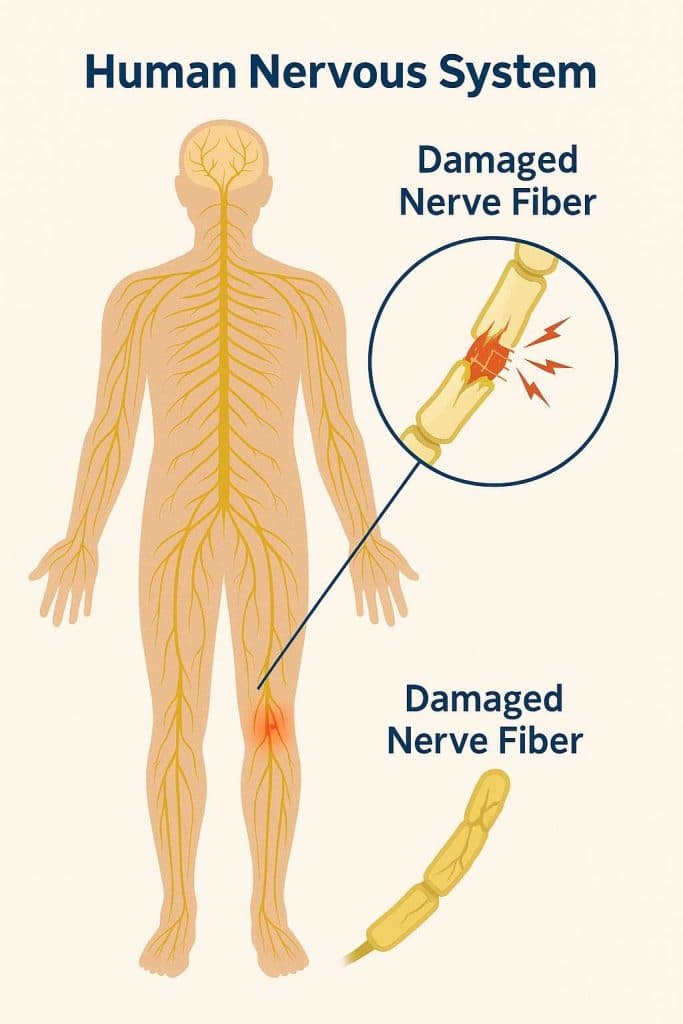
How Nerve Pain Feels: Recognizing the Symptoms
The sensations associated with nerve pain are often unique and can be profoundly distressing, making them easy to differentiate from typical aches and pains. Research indicates that neuropathic pain is significantly associated with worse health-related quality of life, with patients reporting greater pain intensity and higher body mass index compared to non-neuropathic pain sufferers. These sensations can vary widely but commonly include:
- Shooting or Stabbing Pain: Often described as electric shock-like, jolting, or sharp, intense jabs. If you’re experiencing a sudden, intense “shooting pain treatment Beaumont” might be what you need.
- Burning Sensations: A persistent feeling of heat or burning, even when there’s no external heat source.
- Electric Shock Feelings: Sudden, brief, and intense jolt-like sensations.
- Pins and Needles: A tingling or pricking sensation, similar to when a limb “falls asleep.”
- Numbness or Tingling: A loss of sensation or a buzzing feeling.
- Increased Sensitivity: Even light touch or pressure can cause severe pain (allodynia).
- Decreased Sensitivity: Conversely, some areas might have reduced sensation.
Nerve pain often differs from other pain types in that it can worsen at night, interfering with sleep. Studies demonstrate that 20.9% of U.S. adults experience chronic pain, with 6.9% experiencing high-impact chronic pain that significantly interferes with daily activities. It can be acute, appearing suddenly after an injury, or chronic, persisting for months or even years. Conditions like sciatica or a herniated disc are common conditions that can cause nerve pain, sending these very specific sensations down your limbs.
Common Causes of Nerve Pain
Nerve pain can arise from a wide array of underlying conditions that damage or compress nerves. Understanding the cause is fundamental to effective “nerve pain treatment Beaumont TX.” Research shows that car accidents are the leading cause of peripheral nerve injuries, with motorcycle accidents ranking second. Common culprits include:
- Injuries and Trauma: Car accidents, falls, sports injuries, or surgical procedures can directly damage nerves or lead to conditions that compress them. In Texas, there were 14,905 serious injury crashes in 2024, resulting in 18,218 individuals sustaining serious injuries. Whiplash, for example, can cause accident-related nerve damage in the neck and arms, while herniated discs can compress spinal nerves. Similarly, other soft tissue injuries from accidents can lead to lasting nerve irritation.
- Diabetes: One of the most common causes, with diabetic neuropathy affecting 28.70% of patients with type 1 diabetes and 50.70% of those with type 2 diabetes. High blood sugar levels damage nerve fibers over time, with the prevalence of diabetic peripheral neuropathy ranging from 6% to 51% among adults with diabetes depending on age, duration of diabetes, and glucose control.
- Autoimmune Diseases: Conditions like rheumatoid arthritis, lupus, or Sjogren’s syndrome can lead to nerve inflammation and damage.
- Infections: Shingles (post-herpetic neuralgia), Lyme disease, or HIV/AIDS can cause nerve pain.
- Cancer Treatments: Chemotherapy or radiation therapy can sometimes damage nerves.
- Alcohol Use Disorder: Chronic excessive alcohol consumption can lead to toxic nerve damage.
- Other Conditions: Tumors, vitamin deficiencies, kidney disease, or conditions affecting the central nervous system like multiple sclerosis can also trigger nerve pain.
Damage can occur in peripheral nerves, affecting the limbs, or within the central nervous system, leading to more widespread and complex pain patterns.
Diagnosing Nerve Pain in Beaumont
Accurate diagnosis is the cornerstone of effective “nerve pain relief Beaumont.” At Car Accident Cares, our healthcare providers approach diagnosis with meticulous care, focusing on identifying the underlying cause of your nerve pain. Studies show that only 38% of nerve injuries are diagnosed by hospital discharge, with many cases identified weeks or months later. The diagnostic process typically includes:
- Comprehensive Medical History Review: Discussing your symptoms, their onset, aggravating factors, and any relevant past injuries or medical conditions.
- Thorough Physical Examination: Assessing your reflexes, muscle strength, sensation, and range of motion to pinpoint areas of nerve involvement.
- Neurological Testing: Specific tests like nerve conduction studies (NCS) and electromyography (EMG) can measure the electrical activity of nerves and muscles, helping to determine the location and extent of nerve damage.
- Diagnostic Imaging: Depending on your symptoms, we may recommend diagnostic services like MRI or CT scans to visualize the spine, brain, or other areas for signs of nerve compression, tumors, or structural issues.
This precision allows us to move beyond guesswork, ensuring your treatment plan is tailored to the specific nature of your nerve pain.

Treatment Modalities for Nerve Pain
“Nerve pain treatment Beaumont TX” encompasses a broad spectrum of modalities, often combined to provide the most effective and personalized relief. Research indicates that treatment outcomes are generally modest, with number needed to treat (NNT) values ranging from 3.6 for tricyclic antidepressants to 10.6 for capsaicin patches. Our approach considers both medication and non-medication therapies, as well as advanced interventional options.
Medication-Based Treatments
Medications can play a crucial role in modulating nerve pain signals:
- Antidepressants: Tricyclic antidepressants show the best efficacy with an NNT of 3.6 for achieving 50% pain relief. Certain tricyclic antidepressants and SNRIs (serotonin-norepinephrine reuptake inhibitors) like duloxetine can help reduce nerve pain by affecting neurotransmitters involved in pain pathways. In comparative studies, duloxetine demonstrated a 23% efficacy rate with the lowest drop-out rate (37%).
- Anticonvulsants: Medications typically used for epilepsy, such as gabapentin and pregabalin, are highly effective in calming overactive nerve signals that cause neuropathic pain. Gabapentin has an NNT of 7.2, while pregabalin shows an NNT of 7.7 for achieving 50% pain relief.
- Topical Agents: Creams, gels, or patches containing capsaicin or lidocaine can provide localized pain relief with fewer systemic side effects. Capsaicin 8% topical patches demonstrated significant pain reduction in diabetic neuropathy patients, with 40.9% achieving clinically meaningful ≥30% pain reduction.
- Opioids: While generally reserved for severe, short-term pain or when other treatments fail, opioids may be used judiciously and under strict supervision for specific cases of chronic nerve pain. Strong opioids have an NNT of 4.3 for neuropathic pain relief.
Non-Medication Therapies
Complementing medication, these therapies help manage pain and improve function:
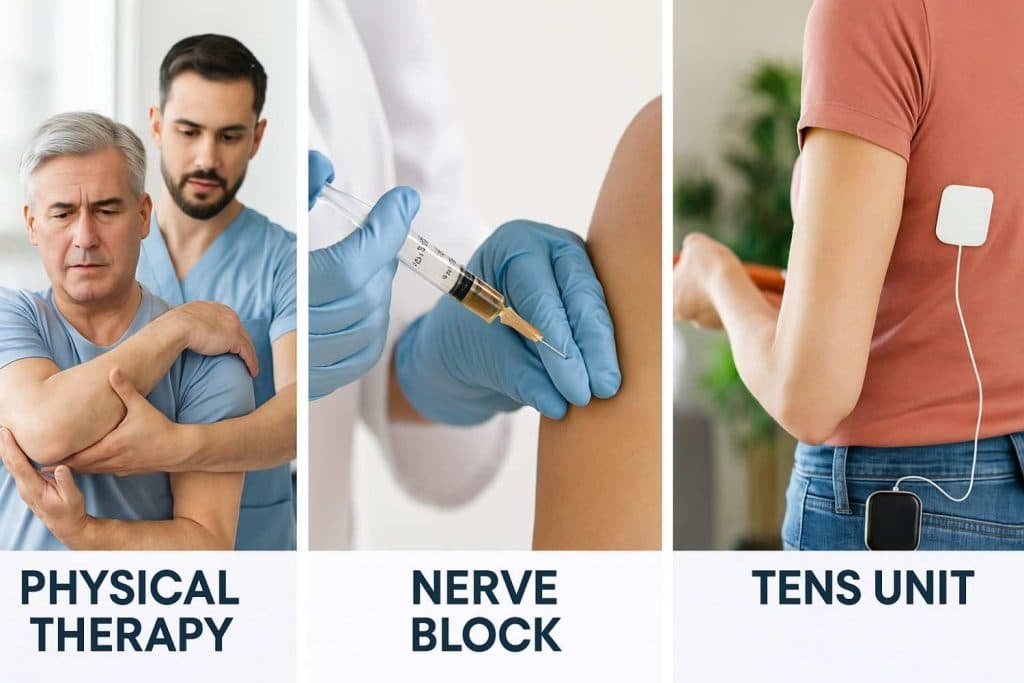
- Physical Therapy: Systematic reviews demonstrate that spinal cord stimulation is effective for peripheral neuropathic pain, with standardized mean differences of -0.73 for failed back syndrome and -1.63 for diabetic neuropathy. Tailored exercises improve strength, flexibility, balance, and posture, reducing pressure on nerves and restoring normal movement. For comprehensive chiropractor care combined with physical therapy, patients often experience enhanced recovery outcomes.
- Transcutaneous Electrical Nerve Stimulation (TENS) Therapy: A device that delivers low-voltage electrical currents to the skin, which can help block pain signals. TENS therapy shows significant reductions in pain severity among individuals with multiple sclerosis (SMD: -0.32).
- Cognitive-Behavioral Therapy (CBT): Helps patients develop coping strategies for chronic pain, addressing the psychological impact and improving pain perception.
Lifestyle Modifications: Dietary changes to reduce inflammation, regular gentle exercise, stress management techniques, and smoking cessation.
Advanced Treatment Options
For persistent or severe nerve pain, advanced interventional procedures offer targeted relief:
- Nerve Blocks: Involve injecting anesthetic and/or steroid medication directly around a specific nerve or group of nerves to block pain signals and reduce inflammation. Studies show nerve block success rates of 91.8% when performed by experienced practitioners. In cervical spine applications, selective nerve root blocks result in 57% of patients reporting significant improvement at 6 months, while lumbar spine blocks show 46% success rates at 1 year. These are critical interventional procedures available at our pain management clinic for precise relief.
- Spinal Cord Stimulation (SCS): A device is implanted to deliver mild electrical impulses to the spinal cord, interrupting pain signals before they reach the brain. High-frequency SCS demonstrates impressive results, with 85% of patients achieving 50% pain reduction and 60% achieving pain scores ≤3.
- Peripheral Nerve Stimulation (PNS): Similar to SCS, but electrodes are placed near specific peripheral nerves causing pain. Extended 60-day PNS treatment shows that 30% of patients are early responders, while another 31% become delayed responders by the end of treatment.
- Intrathecal Drug Delivery: A pump delivers pain medication directly into the spinal fluid, allowing for smaller doses and fewer systemic side effects.
Radiofrequency Ablation (RFA): Uses heat to destroy nerve fibers that are sending pain signals from a specific area, such as facet joints.
Comprehensive Nerve Pain Management in Beaumont, TX
At Car Accident Cares, we believe effective “nerve pain treatment Beaumont TX” requires a personalized and multidisciplinary approach. We don’t just treat symptoms; we identify and address the root causes of your nerve pain, focusing on long-term relief and improved quality of life. Research demonstrates that early intervention significantly improves outcomes, with acute nerve interventions showing better results than delayed treatment. Our team includes experienced pain management specialists, physical therapists, and other healthcare providers who collaborate to create a tailored treatment plan for you.
Our comprehensive pain management services in Beaumont emphasize addressing both the physical and emotional aspects of chronic nerve pain, knowing that these are intrinsically linked. We are committed to providing you with the most advanced, compassionate care available to help you navigate the complexities of nerve pain and find your path to healing.
Secondary Call to Action: Don’t let nerve pain hold you back any longer. We encourage you to schedule a consultation with our specialists to discuss your unique situation.
When to Seek Professional Help
While occasional aches are normal, persistent or severe nerve pain warrants medical attention. Studies show that the earlier treatment begins, the better the outcomes, with early intervention reducing neuroma formation and lowering the incidence of both phantom limb and residual limb pain. Early intervention is often key to better outcomes and preventing the condition from becoming more entrenched. Seek professional help if you experience:
- Nerve pain that lasts longer than a few weeks
- Pain that is severe or worsening
- Numbness, tingling, or weakness that interferes with daily activities
- Any sudden onset of nerve pain, especially after a car accident or injury, as prompt evaluation is crucial to identify and treat potential nerve damage quickly
- “Red flag” symptoms like sudden bladder or bowel changes, severe weakness, or pain that wakes you from sleep
Connecting with us promptly after an injury is essential to prevent acute nerve irritation from becoming chronic. Our emergency room services are available for immediate evaluation of acute nerve injuries.
Conclusion
Living with nerve pain can be incredibly challenging, but it doesn’t mean living without hope. The best estimate of population prevalence for neuropathic pain lies between 6.9% and 10%, making it a common but treatable condition. Nerve pain is a complex but treatable condition, and effective management requires proper diagnosis and a personalized care plan. At Car Accident Cares, we are experts in “nerve pain management Beaumont,” offering a comprehensive range of diagnostic and treatment options designed to help you find significant “nerve pain relief Beaumont.”
Studies consistently show that multidisciplinary approaches combining medication, physical therapy, and interventional procedures provide the best outcomes for nerve pain management. Our dedicated team in Beaumont, TX, is committed to providing you with the most effective, compassionate care available. We believe that with the right treatment approach, relief is possible, and you can reclaim a life free from the relentless grip of nerve pain.
Whether you’re dealing with whiplash-related nerve pain, herniated disc complications, or other nerve-related conditions, our comprehensive approach ensures you receive the specialized care you deserve.
Call to Action: Find relief for your nerve pain by scheduling a consultation with our specialists today! Contact Car Accident Cares for expert nerve pain treatment in Beaumont, TX.
Medically reviewed by
Verified
DS
Deepak Sharma
DC
Owner & Doctor of Chiropractic
Deepak Sharma, DC is a licensed Doctor of Chiropractic and the owner of Car Accident Cares in Beaumont, TX. He reviews the clinical content published across the site and works with a multidisciplinary network of MDs, chiropractors, imaging centers, and pain-management specialists focused on accurate diagnosis, evidence-based treatment, and complete recovery for motor-vehicle-accident victims across Beaumont and Houston.