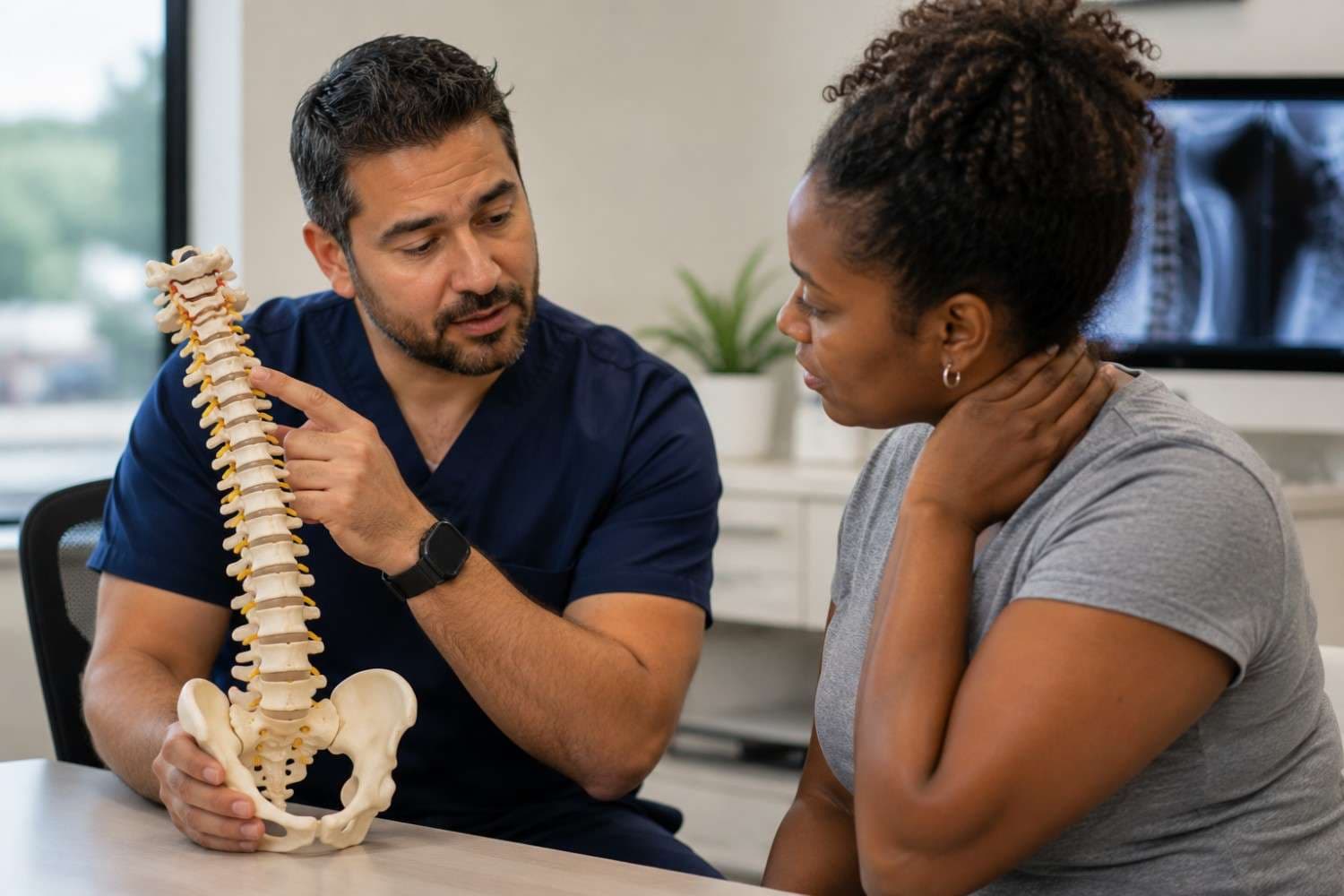
Uncovering the Causes of Jaw and Ear Pain After a Car Accident
DS
By Deepak Sharma, DC
Medically reviewed
Owner & Doctor of Chiropractic · 12 min read · Published · Updated · Last reviewed

Have you ever been in a car accident and experienced lingering jaw and ear pain? You’re not alone. These are surprisingly common complaints following a collision, especially one that involved a forceful impact. Uncovering the Causes of Jaw and Ear Pain After a Car Accident can help you understand the reasons behind this discomfort and guide you towards seeking proper treatment.
Uncovering the causes of jaw and ear pain after a car accident is crucial. Our pain management consultation aims to identify underlying issues and provide targeted relief. If you’re experiencing discomfort, don’t hesitate to seek expert guidance. Visit us today for personalized care.
Find out more about car accident care services.
The impact of a car accident, particularly a high-speed one, can exert tremendous force on the head and neck region. This delicate area houses the jaw joint (temporomandibular joint, or TMJ), inner ear, and a network of nerves and muscles. When subjected to sudden strain or trauma, these structures can become injured, leading to a cascade of symptoms like jaw pain and earaches.
Ignoring these symptoms isn’t wise. Early diagnosis and treatment are crucial for preventing complications and ensuring a full recovery. This article delves into the reasons behind jaw and ear pain after a car accident, explores treatment options, and highlights the importance of seeking legal counsel in certain situations.
Understanding Ear Pain After a Car Accident
Our ears are intricate organs responsible for hearing and balance. A car accident can disrupt their delicate functionality in several ways.
How Car Accidents Can Cause Ear Pain
- Whiplash: The sudden back-and-forth motion of the head during whiplash can damage the inner ear, which contains fluid-filled chambers and tiny hairs essential for hearing and balance. This damage can manifest as ear pain, dizziness, and tinnitus (ringing in the ears).
- Direct Trauma: A blow to the ear from debris or an airbag during a crash can injure the eardrum or outer ear canal, causing pain, swelling, and even bleeding.
- Acoustic Shock: The loud noises associated with a car accident, such as explosions or screeching brakes, can trigger acoustic shock, a sudden increase in pressure that damages the inner ear and leads to hearing loss, tinnitus, and ear pain.
Types of Ear Injuries Caused by Car Accidents
- Ruptured Eardrum: A forceful impact can tear the thin membrane separating the outer and middle ear. This rupture causes severe ear pain, hearing loss, and sometimes dizziness.
- Damage to the Inner Ear: The inner ear houses the cochlea, responsible for converting sound waves into electrical signals, and the vestibular system, which controls balance. Injuries to these structures can lead to permanent hearing loss, tinnitus, and vertigo (a spinning sensation).
- Ear Infection: Trauma to the ear canal or middle ear can increase the risk of infection, causing ear pain, fever, and difficulty hearing.
Identifying Symptoms of Ear Pain After a Crash
If you experience any of the following symptoms after a car accident, it’s crucial to seek medical attention:
- Ear pain and discomfort, ranging from dull aches to sharp stabbing pains.
- Ringing in your ears (tinnitus).
- Difficulty hearing, muffled sounds, or a feeling of fullness in the ear.
- Dizziness or vertigo, making it difficult to maintain balance.
- Drainage of blood or pus from the ear canal.
Jaw Pain After a Car Accident: Causes and Symptoms
The jaw joint, also known as the TMJ, is a complex hinge that connects your lower jaw to your skull. It facilitates essential functions like talking, chewing, and yawning. Uncovering the Causes of Jaw and Ear Pain After a Car Accident wouldn’t be complete without understanding how car accidents can affect this vital joint.
Common Causes of Jaw Pain After a Car Accident
- Whiplash: As mentioned earlier, whiplash can strain the muscles and ligaments supporting the jaw joint, leading to pain and limited mobility.
- Fractures or Dislocations in the Jaw Joint (TMJ): A severe impact can fracture the bones of the jaw or dislocate the TMJ joint, causing significant pain, swelling, and difficulty opening or closing the mouth.
- Soft Tissue Injuries Causing Jaw Pain: Muscles, ligaments, and tendons surrounding the jaw joint can become strained or sprained during a car accident, resulting in pain and tenderness.
Understanding TMJ Disorder from a Car Accident
TMJ disorder (TMD) is a condition characterized by pain and dysfunction in the TMJ joint. While not directly caused by the accident itself, a car accident can trigger TMD if it exacerbates pre-existing jaw problems or creates instability in the joint.
Symptoms of TMJ:
- Clicking, popping, or grating sounds when opening or closing your mouth.
- Difficulty chewing or a feeling of the jaw catching or locking.
- Facial pain and tenderness around the jaw joint.
- Headaches, especially in the temples.
- Earaches and tinnitus.
The Link Between Whiplash and Jaw Pain
can also radiate pain to the jaw joint. This referred pain phenomenon explains why some people experience jaw discomfort alongside neck pain after whiplash. Additionally, the inflammation associated with whiplash can affect the nerves supplying the jaw muscles, leading to pain and tightness.
Seeking Treatment and Legal Help for Jaw and Ear Pain After a Car Accident
If you’re experiencing jaw or ear pain following a car accident, don’t hesitate to seek medical attention. Early diagnosis and treatment can minimize discomfort, prevent complications, and promote a faster recovery.
Medical Treatments for Ear Pain After a Car Accident
- Medications: Depending on the severity of your ear injury, your doctor may prescribe pain relievers, antibiotics for ear infections, or medications to manage vertigo.
- Physical Therapy: In some cases, physical therapy exercises can help improve balance issues caused by inner ear damage.
- Surgery: For severe ear injuries like a ruptured eardrum or significant inner ear damage, surgery might be necessary to repair the damage and restore hearing.
Treatment Options for Jaw Pain After a Car Accident
- Pain Management Techniques: Over-the-counter pain relievers, ice packs applied to the jaw, and heat therapy can help manage jaw pain.
- TMJ Therapy and Exercises: Specific exercises and physical therapy techniques can improve jaw mobility, reduce pain, and manage TMJ symptoms. In some cases, a dentist may recommend a mouthguard to prevent teeth grinding and clenching, which can worsen jaw pain.
- Surgical Intervention: In rare instances of severe jaw fractures or TMJ dislocations, surgery might be required to realign the joint or repair damaged bones.
Why an Accident Lawyer Can Help With Your Case
If your jaw or ear pain stems from a car accident caused by another driver’s negligence, seeking legal counsel can be beneficial. An experienced accident lawyer can:
- Navigate Insurance Claims: Dealing with insurance companies after an accident can be complex. A lawyer can help you navigate the claims process, ensure you receive fair compensation for your medical bills and lost wages, and fight for your rights if the insurance company denies your claim.
- Determine Liability and Compensation: Your lawyer can investigate the cause of the accident, determine who is liable, and fight for the compensation you deserve for your pain and suffering, medical expenses, and lost income due to your injuries.
- Finding an Accident Lawyer Experienced in Ear and Jaw Injury Cases: Personal injury lawyers specialize in different areas. Look for a lawyer with a proven track record of handling car accident cases involving ear and jaw injuries. They’ll have the necessary expertise to understand the complexities of these injuries and build a strong case for you.
Conclusion
Jaw and ear pain are common after car accidents, often stemming from injuries to the delicate structures in the head and neck region. Early diagnosis and treatment are crucial for optimal recovery. Uncovering the Causes of Jaw and Ear Pain After a Car Accident has equipped you with valuable knowledge about these injuries. Remember, if your pain is severe or persists, don’t hesitate to seek medical attention. Additionally, if the accident resulted from someone else’s negligence, consulting an experienced accident lawyer can ensure you receive fair compensation for your injuries.
While most jaw and ear pain following a car accident resolves with proper treatment, in some cases, there can be long-term consequences. Inner ear damage can lead to permanent hearing loss or balance issues. TMJ disorders can cause chronic pain and limitations in jaw function. Early diagnosis and intervention are key to minimizing these long-term effects.
This article has provided a comprehensive overview of jaw and ear pain after car accidents. If you have any further questions or concerns, consulting a doctor or a lawyer specializing in car accident injuries is highly recommended.
FAQs on Jaw and Ear Pain After a Car Accident
Can a car accident cause ringing in your ears (tinnitus)?
Yes, car accidents can definitely cause tinnitus, a condition characterized by a persistent ringing, buzzing, or whooshing sound in the ears. This can arise from injuries to the inner ear, including damage to the hair cells responsible for converting sound waves into electrical signals.
How long does ear pain last after a car accident?
The duration of ear pain following a car accident varies depending on the severity of the injury. Minor injuries may resolve within a few days, while more significant ones might take weeks or even months to heal completely. Early diagnosis and treatment can significantly accelerate the healing process.
What should I do if I experience jaw pain after a car accident?
If you experience jaw pain after a car accident, it’s crucial to seek medical attention promptly. A doctor can assess the extent of the injury, recommend appropriate treatment, and rule out any underlying issues. In the meantime, you can manage pain with over-the-counter pain relievers and apply ice packs to the affected area.
Are jaw and ear pain common after a car crash?
Absolutely. Jaw and ear pain are frequent complaints following car accidents, particularly those involving forceful impacts. The sudden jolt or blow can strain, injure, or damage various structures in the head and neck region, leading to a cascade of symptoms like earaches and jaw discomfort.
Statistics shed light on the prevalence of these issues:
- A study published in the Journal of Craniofacial Surgery found that nearly 40% of car accident victims experience jaw pain in the aftermath.
- Research in the Journal of Otolaryngology-Head and Neck Surgery suggests that ear pain affects close to 30% of individuals after a car crash.
These numbers highlight the significance of understanding the causes and seeking proper treatment for jaw and ear pain after an accident.
When should I seek legal help for ear and jaw pain after an accident?
While medical attention is paramount for addressing the physical injuries, legal counsel can be crucial in specific situations. Here’s when considering an accident lawyer becomes important:
- Severity of Injuries: If your jaw or ear pain is severe, persistent, or accompanied by other concerning symptoms like dizziness, hearing loss, or facial numbness, consulting a lawyer is recommended. These symptoms could indicate potentially serious injuries requiring ongoing medical care and rehabilitation, and a lawyer can help you navigate the process of seeking compensation for these long-term costs.
- Negligence of Another Driver: If the car accident wasn’t your fault and resulted from another driver’s recklessness or carelessness, seeking legal help can ensure you receive fair compensation for your injuries. An accident lawyer can investigate the cause of the accident, gather evidence, and build a strong case to hold the liable party accountable.
- Denial of Insurance Claim: If your insurance company denies your claim for medical expenses related to your jaw or ear pain, a lawyer can advocate for your rights and fight for the coverage you deserve.
- Complexities of the Case: Car accident cases involving ear and jaw injuries can be intricate, especially if there are multiple parties involved or disputes over liability. An experienced accident lawyer can handle the legalities, navigate complex insurance policies, and ensure your rights are protected throughout the process.
- Additional Considerations and Resources for Jaw and Ear Pain After a Car Accident
While this article has explored the common causes, treatments, and legal aspects of jaw and ear pain after a car accident, here are some additional points to consider:
Pre-Existing Conditions:
If you have pre-existing jaw problems like TMJ disorder or ear conditions, a car accident can exacerbate these issues. It’s crucial to inform your doctor about any pre-existing conditions during your consultation, as this will influence the diagnosis and treatment plan. - Emotional Impact:
Car accidents can be traumatic experiences, and the physical pain of jaw and ear injuries can be accompanied by emotional distress, anxiety, or even post-traumatic stress disorder (PTSD). If you’re struggling with emotional challenges following the accident, consider seeking professional help from a therapist or counselor. - Documentation is Key:
Following a car accident, it’s vital to document everything meticulously. This includes:Date, time, and location of the accidentDetails of the accident, including the cause and parties involvedPolice report and exchange of insurance informationAny medical records related to your jaw and ear painReceipts for medical expensesThis documentation will be crucial if you decide to pursue legal action. - Support Groups:
Connecting with others who have experienced similar injuries can be a source of comfort and support. Online forums or support groups for car accident victims can provide valuable resources and a sense of community during your recovery journey. - Chiropractic Care:
While not a primary treatment for jaw and ear injuries, some people find chiropractic care beneficial for managing pain and promoting healing after a car accident. Chiropractors specialize in musculoskeletal conditions and may use manual adjustments to improve joint mobility and alleviate pain in the jaw and neck region. It’s important to consult with your doctor before seeking chiropractic care to ensure it’s suitable for your specific injuries. - External Resources:
The American Academy of Otolaryngology-Head and Neck Surgery AAO-HNS: https://www.entnet.org/ offers a wealth of information on ear-related conditions and treatments.The American Academy of Orthopaedic Surgeons AAOS: https://www.aaos.org/ provides resources on musculoskeletal injuries, including those affecting the jaw joint.The National Highway Traffic Safety Administration NHTSA: https://www.nhtsa.gov/ offers guidance on car accident safety and resources for accident victims. - By considering these additional tips and utilizing the provided resources, you can empower yourself with knowledge and support throughout your recovery process from jaw and ear pain after a car accident. Remember, prioritizing your health, seeking professional medical attention, and understanding your legal options can significantly improve your well-being and ensure a smoother journey towards healing.
Get in touch for car accident care assistance.
Also Read : Navigating Urgent Care After a Car Accident: Emergency Room vs. Urgent Care – What You Need to Know
Medically reviewed by
Verified
DS
Deepak Sharma
DC
Owner & Doctor of Chiropractic
Deepak Sharma, DC is a licensed Doctor of Chiropractic and the owner of Car Accident Cares in Beaumont, TX. He reviews the clinical content published across the site and works with a multidisciplinary network of MDs, chiropractors, imaging centers, and pain-management specialists focused on accurate diagnosis, evidence-based treatment, and complete recovery for motor-vehicle-accident victims across Beaumont and Houston.