Treating and Diagnosing Knee Injuries in Beaumont TX
Introduction: Why Accurate Knee Injury Diagnosis Matters in Beaumont
Understanding the Knee Joint and Why It Gets Injured
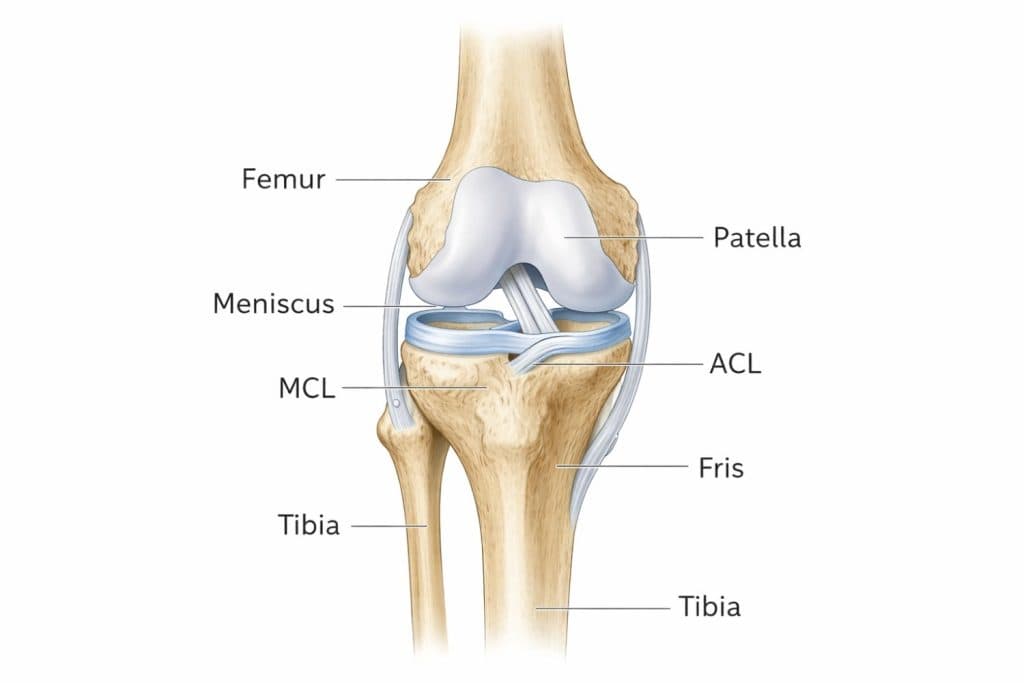
Basic Knee Anatomy in Simple Terms
- Bones: The femur (thighbone), tibia (shinbone), and patella (kneecap).
- Cartilage and Meniscus: The slippery tissue and tough, rubbery shock absorbers that cushion the bones.
- Ligaments: The ACL, PCL, MCL, and LCL act like strong ropes holding the bones together and keeping the joint stable.
- Tendons and Muscles: Connect the muscles to the bones, powering your ability to walk, bend, climb stairs, and get in and out of vehicles.
Why Knee Injuries Are So Common
Common Knee Problems We See in Beaumont
Sprains, Strains, and Overuse Injuries
Meniscus Tears and Cartilage Problems
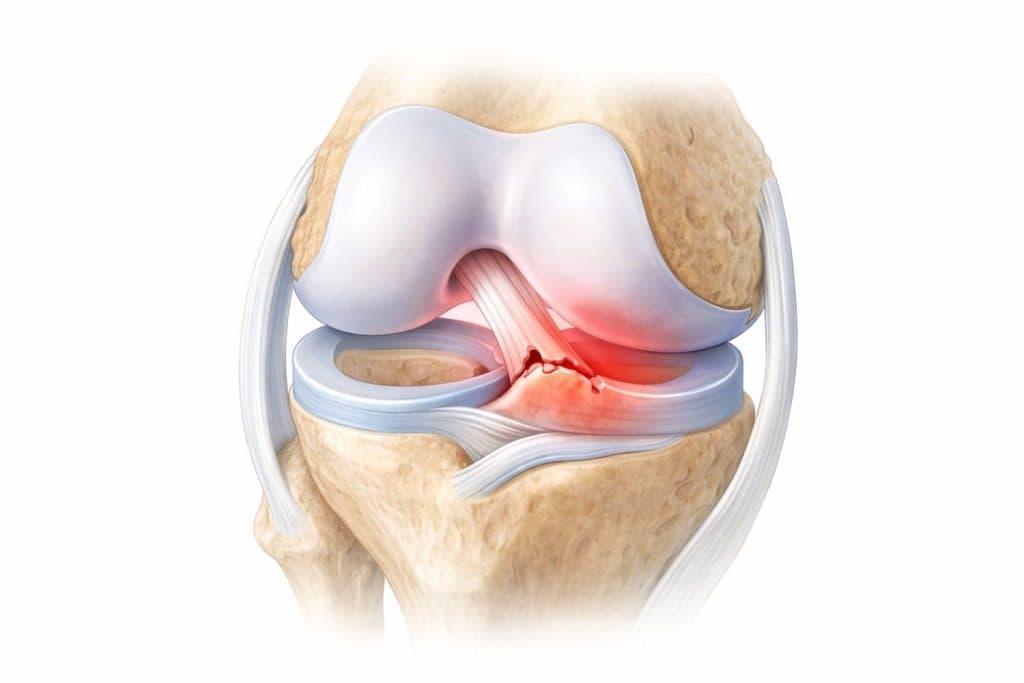
Ligament Injuries (ACL, MCL, and Others)
Arthritis and Degenerative Knee Conditions
Other Knee Issues (Bursitis, Tendonitis, Patellofemoral Pain)
Red Flags: When Knee Pain Needs Immediate Medical Attention
Serious Knee Injury Warning Signs
- Inability to bear weight: You cannot stand on the affected leg at all.
- Severe deformity: The knee looks visually deformed, misshapen, or has sudden, massive swelling.
- Audible “pop” with instability: Hearing a loud pop followed by the knee feeling like it will instantly give out.
- Signs of infection: The knee is hot to the touch, bright red, or accompanied by a fever.
- Circulation loss: Numbness, tingling, or your foot turning cold and pale.
Red Flags for Systemic or Nerve-Related Problems
How Doctors Diagnose Knee Injuries in Beaumont, TX
Step 1: Medical History and Symptom Discussion
Step 2: Physical Examination of the Knee
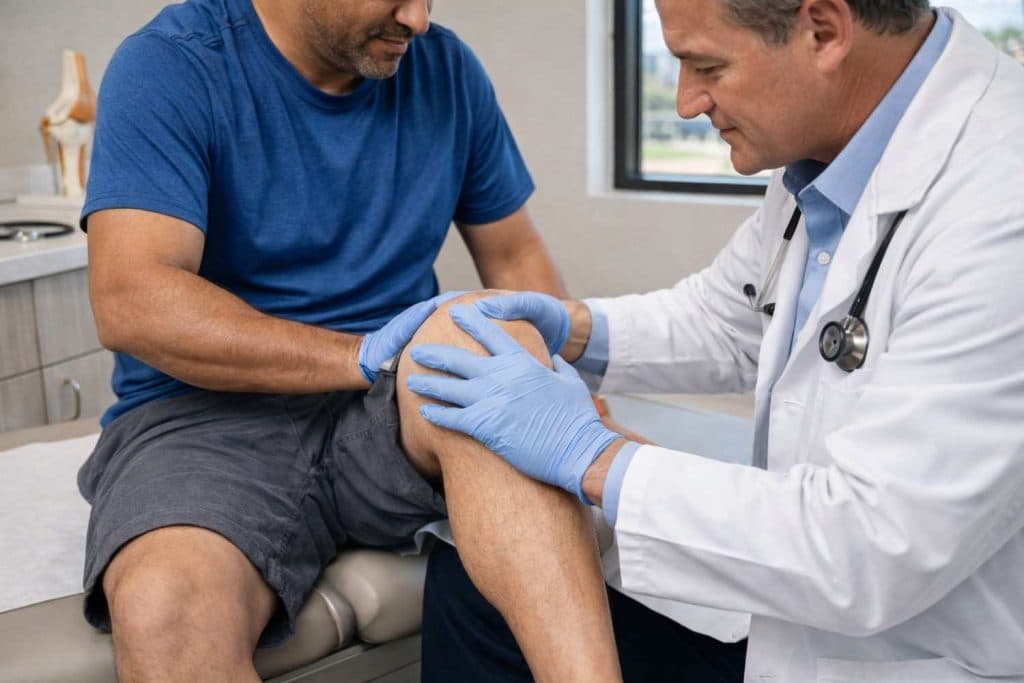
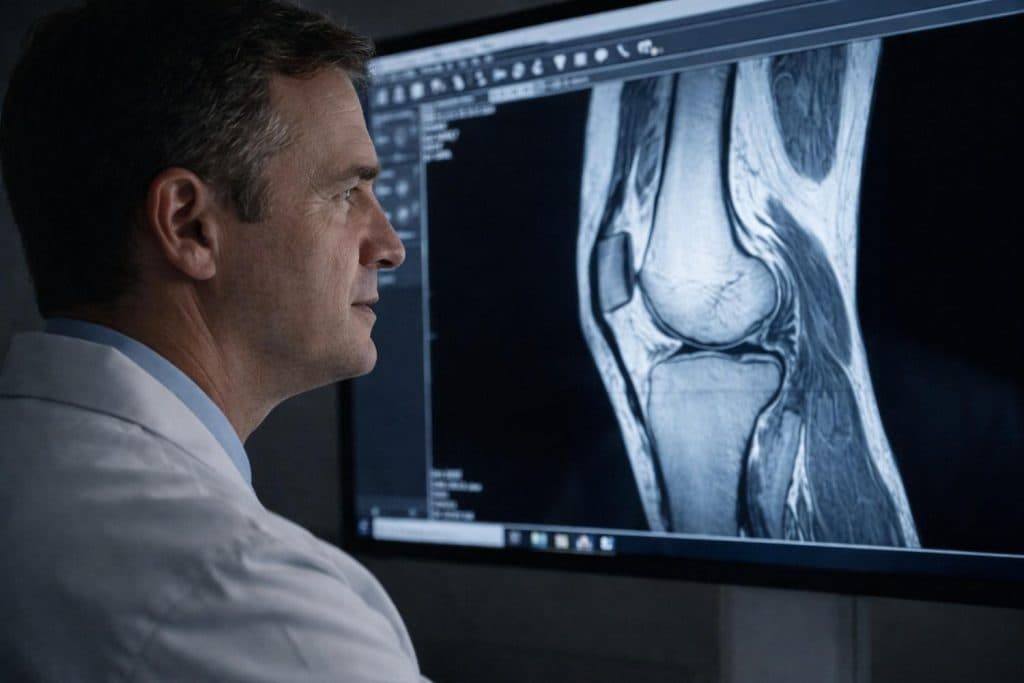
Step 3: When Diagnostic Imaging Is Needed
- A knee X-ray in Beaumont to check for bone fractures and arthritis spacing.
- A knee MRI in Beaumont to look at soft tissues like ligaments, tendons, and the meniscus.
Understanding the importance of accurate imaging ensures we don’t guess when it comes to your joint health.
Step 4: Specialist Referrals When Needed
Treatment Options for Knee Injuries Available Through Our Beaumont Clinic
Self-Care and Short-Term Relief (With Medical Guidance)
Medical Management and Pain Relief
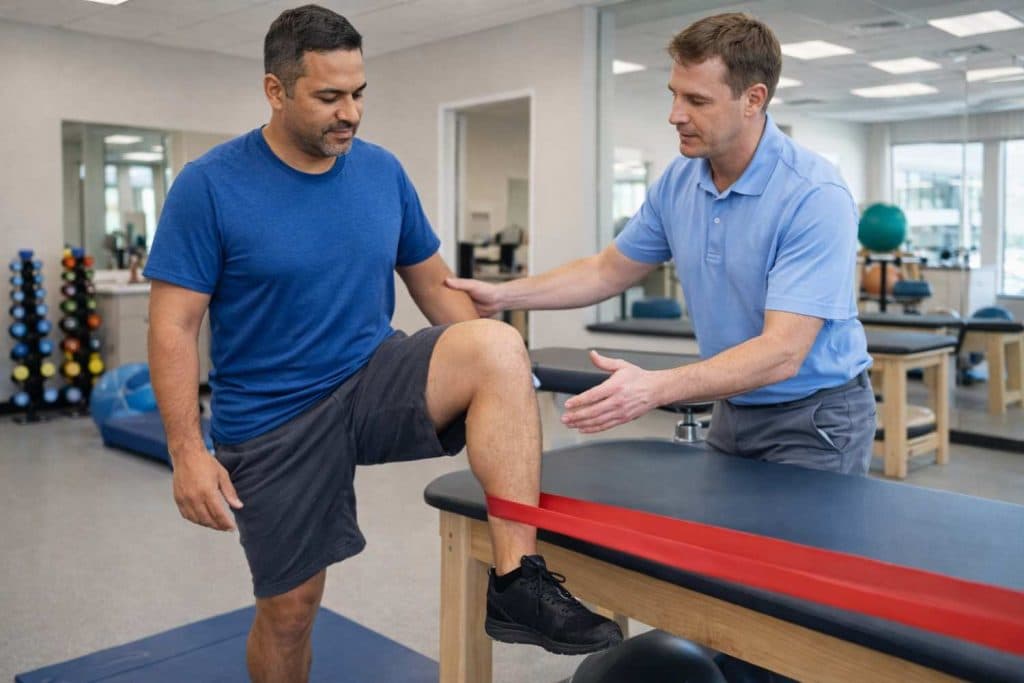
Rehabilitation: Physical Therapy and Exercise-Based Care
Chiropractic and Alignment-Based Support for Knee Pain
When Surgery or Orthopaedic Referral Is the Best Option
Preventing Future Knee Problems
Conclusion: Take the First Step Toward a Clear Knee Diagnosis
Frequently Asked Questions About Car Accident Care in Beaumont
What is the best way to diagnose a knee injury?
The best way to diagnose a knee injury is through a structured medical evaluation that includes a detailed history, physical examination, and, when necessary, imaging such as X-rays or MRI. A doctor will assess how the injury happened, whether you heard a pop, experienced swelling, or have instability. Physical tests help identify ligament or meniscus damage. X-rays rule out fractures and arthritis, while MRI evaluates soft tissues like cartilage and ligaments. Early professional diagnosis prevents minor strains from becoming chronic problems and ensures you receive the correct treatment rather than masking pain with temporary solutions.
How do I know if my knee pain is serious?
Knee pain may be serious if you cannot bear weight, notice rapid swelling, see visible deformity, or experience instability (the knee feels like it will “give out”). Other warning signs include redness, warmth, fever (possible infection), or numbness in the foot. A loud pop at the time of injury followed by swelling often suggests ligament or meniscus damage. If your pain persists longer than a few days or worsens despite rest, you should seek medical evaluation. Early assessment helps prevent long-term mobility problems and ensures proper treatment before complications develop.
Do I need an MRI for knee pain?
Not every case of knee pain requires an MRI. Many mild sprains, overuse injuries, and early arthritis cases can be diagnosed through a physical exam and X-ray. An MRI is typically recommended when symptoms suggest ligament tears, meniscus injuries, or unexplained instability. It provides detailed images of soft tissues that do not appear on X-rays. Your doctor will determine if imaging is necessary based on your symptoms and exam findings. Avoid requesting imaging without evaluation, as unnecessary scans can increase costs without improving treatment decisions.
What are the signs of a meniscus tear?
Common signs of a meniscus tear include pain along the joint line, swelling that develops within 24 hours, and a catching or locking sensation when bending or straightening the knee. Some patients also report hearing or feeling a “pop” at the time of injury. You may struggle to fully extend your leg or feel stiffness after sitting. Meniscus tears can occur during sports or from simple twisting movements, especially in older adults with degenerative cartilage. A proper medical exam and MRI are often required to confirm the diagnosis and guide treatment.
Can knee injuries heal without surgery?
Yes, many knee injuries heal without surgery. Mild ligament sprains, minor meniscus tears, tendonitis, and early arthritis often respond well to conservative care. Treatment may include rest, anti-inflammatory medication, physical therapy, bracing, and joint injections if needed. Strengthening the muscles around the knee reduces pressure on damaged tissues and improves stability. Surgery is usually reserved for complete ligament ruptures, severe cartilage damage, or cases that fail conservative care. An accurate diagnosis ensures you don’t undergo unnecessary procedures when non-surgical treatment may provide full recovery.
How long does it take for a knee injury to heal?
Healing time depends on the severity of the injury. Mild sprains or strains may improve in 2–4 weeks with proper care. Moderate ligament injuries may require 6–8 weeks. Meniscus tears or more complex injuries can take several months, especially if rehabilitation is required. Arthritis-related knee pain is typically managed rather than “cured,” focusing on long-term symptom control. Early diagnosis significantly shortens recovery time because treatment begins before compensation patterns or chronic inflammation set in. Following your provider’s rehabilitation plan is critical for optimal healing.
What is the fastest way to relieve knee pain?
The fastest short-term relief for acute knee pain often involves the RICE method—rest, ice, compression, and elevation. Anti-inflammatory medications may reduce swelling and discomfort. However, fast relief does not equal long-term healing. If the pain results from structural damage, simply masking symptoms could delay recovery. Targeted treatments such as guided injections, bracing, or supervised therapy may provide more effective relief when recommended by a physician. Seeking medical evaluation ensures you address the root cause rather than temporarily suppressing symptoms that could worsen over time.
When should I see a doctor for knee pain?
You should see a doctor if knee pain lasts more than a few days, interferes with walking, causes swelling, or limits your range of motion. Immediate evaluation is necessary if you cannot bear weight, see deformity, or experience sudden instability. Persistent pain after a fall, twisting injury, or car accident also warrants professional assessment. Early treatment improves outcomes and prevents chronic joint degeneration. Waiting too long can lead to compensatory hip or back pain due to altered walking patterns and untreated joint instability.
Can arthritis cause sudden knee pain?
Yes, arthritis can sometimes cause sudden flare-ups of knee pain. While osteoarthritis develops gradually, inflammation can increase unexpectedly, leading to swelling, stiffness, and discomfort. Sudden pain may also indicate a cartilage fragment irritation or fluid buildup within the joint. However, acute pain should still be evaluated to rule out other causes such as ligament tears or infection. Proper management may include anti-inflammatory treatments, physical therapy, and possibly joint injections. An accurate evaluation ensures that worsening symptoms are addressed appropriately.
What happens during a knee evaluation appointment?
During a knee evaluation, your doctor will first review your medical history and discuss how the pain started. You will be asked about the location of discomfort, instability, swelling, and activity level. A physical examination follows, including range-of-motion testing and specialized orthopedic maneuvers to assess ligaments and cartilage. If necessary, imaging such as X-ray or MRI may be recommended. Based on findings, your provider will explain the diagnosis and outline a personalized treatment plan designed to restore mobility and reduce long-term complications.
Deepak Sharma, DC is a licensed Doctor of Chiropractic and the owner of Car Accident Cares in Beaumont, TX. He reviews the clinical content published across the site and works with a multidisciplinary network of MDs, chiropractors, imaging centers, and pain-management specialists focused on accurate diagnosis, evidence-based treatment, and complete recovery for motor-vehicle-accident victims across Beaumont and Houston.