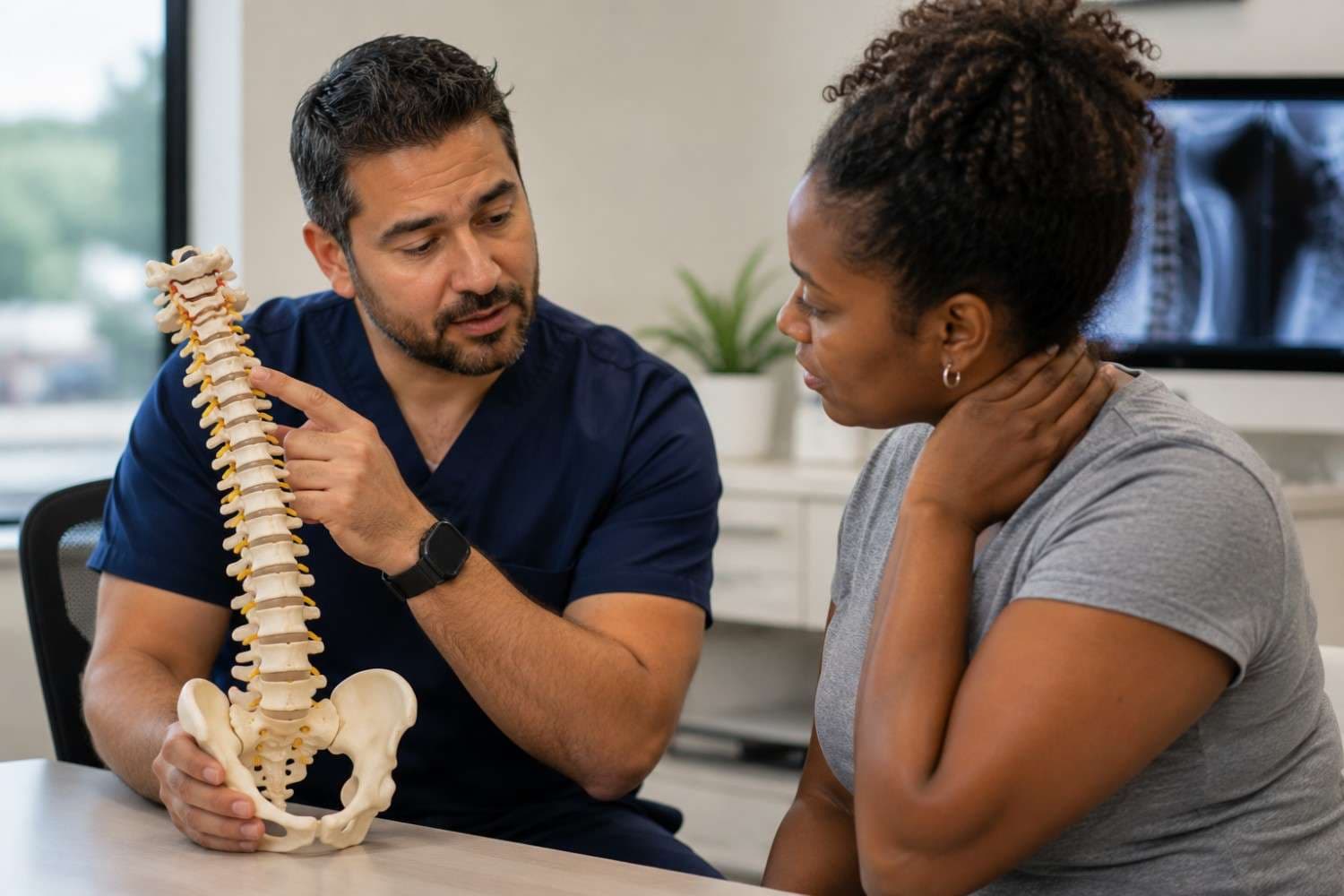
The Role of Nutrition in Car Accident Recovery
DS
By Deepak Sharma, DC
Medically reviewed
Owner & Doctor of Chiropractic · 5 min read · Published · Updated · Last reviewed
Introduction
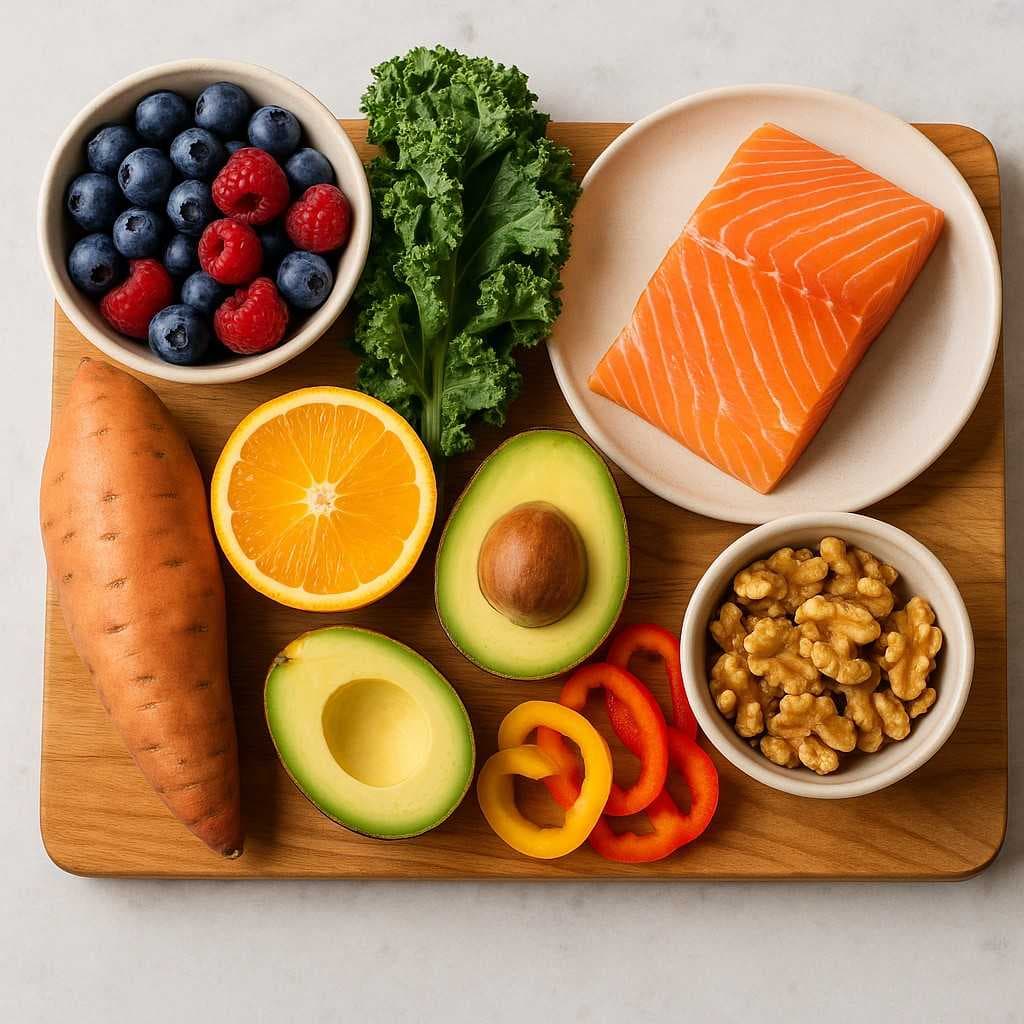
After the shock of a car accident, your body goes into overdrive. While you may be focused on medical appointments and vehicle repairs, there’s a silent but powerful player in your recovery: nutrition. The food you eat can dramatically influence how quickly and effectively your body heals. In fact, for accident victims and anyone recovering from an injury in Beaumont, TX, understanding the power of nutrition car accident recovery is crucial. Think of your body as a high-performance machine; without the right fuel, it simply can’t perform at its best. A proper diet provides the essential building blocks needed to repair damaged tissues, reduce inflammation, and manage pain. Check out our comprehensive guide to Car Accident Care.
How Injury Recovery Relies on Proper Nutrition
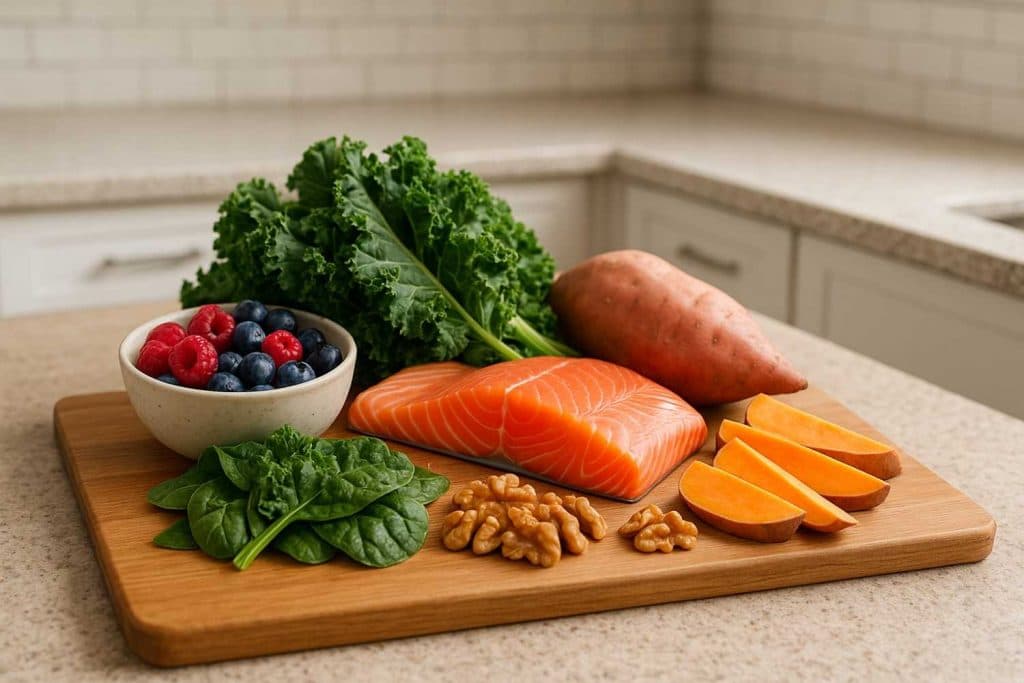
When an injury occurs, your body’s nutritional demands skyrocket. The process of repairing damaged tissues, rebuilding muscle, and mending bones requires a significant amount of energy and raw materials. This is where a strategic diet for injury recovery comes into play. Without adequate nutrients, your body struggles to complete these essential tasks, leading to a prolonged and less efficient healing process. Proper nutrition helps in several ways: it supports the immune system to fight off infection, provides the energy needed for cellular repair, and helps manage the inflammatory response.
When you choose to work with a specialist after an accident, they will likely discuss all aspects of your recovery, including diet. Visit our Auto Injury Specialist for learn more.
Key Nutrients That Aid Healing and Reduce Inflammation
1. Protein and Amino Acids
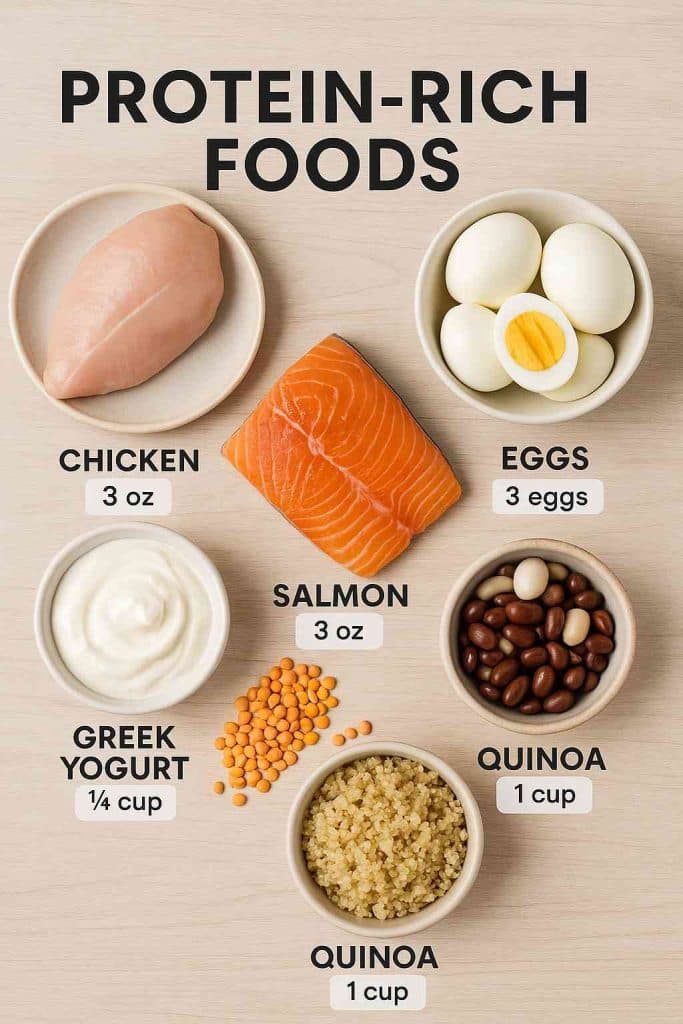
Protein is the cornerstone of tissue repair. It provides the essential amino acids needed to rebuild muscles, skin, and other damaged tissues. After an injury, your body needs more protein than usual to synthesize new cells and restore strength.
- Food Examples: Lean meats, poultry, fish, eggs, dairy, beans, lentils, and tofu.
2. Omega-3 Fatty Acids
Following an injury, your body’s inflammatory response is a natural part of the healing process, but excessive or prolonged inflammation can cause pain and delay recovery. Omega-3 fatty acids are powerful anti-inflammatory agents that can help moderate this response and may even assist with nutrition for pain management.
- Food Examples: Fatty fish (salmon, tuna, mackerel), walnuts, chia seeds, and flaxseed.
3. Vitamins and Minerals
A full spectrum of vitamins and minerals is essential for a robust recovery.
Vitamin C
This vitamin is a vital co-factor in collagen production, a protein that forms the foundation of scar tissue, skin, and bones.
- Food Examples: Citrus fruits, strawberries, bell peppers, and broccoli.
Vitamin D & Calcium
If your car accident involved a fracture, these nutrients are non-negotiable. They work together to build and maintain strong bones.
- Food Examples: Fortified milk and cereals, leafy greens, sardines, and sunlight exposure.
Zinc
Zinc plays a critical role in immune function and the healing of wounds.
- Food Examples: Nuts, seeds, whole grains, and lean meats.
If you’re struggling to meet your nutritional needs, a local Auto Injury Specialist can provide professional guidance and a personalized recovery plan. Consult with an Auto Injury Specialist.
Healing Foods to Include Daily
To simplify your recovery diet, focus on incorporating a variety of healing foods after injury. Here’s a sample day’s menu to get you started:
- Breakfast: Greek yogurt with berries and walnuts.
- Lunch: Salmon salad with mixed greens and a lemon-tahini dressing.
- Dinner: Grilled chicken with a side of steamed broccoli and quinoa.
- Snacks: A handful of almonds or a fruit smoothie with protein powder.
For more general healthy eating tips that can support your overall well-being, visit our general wellness.
Hydration’s Role in Recovery
It’s easy to overlook, but staying well-hydrated is critical. Water helps transport nutrients to cells, flush out waste products, and keep tissues and joints lubricated. Dehydration can hinder your body’s ability to heal and may even worsen pain. Aim to drink water consistently throughout the day, and consider electrolyte-rich beverages if you’re particularly active.
Practical Tips for Implementing a Recovery-Focused Diet
Changing your diet after an accident can feel overwhelming, especially when you’re dealing with pain and mobility issues.
- Meal Prep: Dedicate a few hours each week to preparing healthy meals in advance. This ensures you have nutritious options ready when you don’t feel like cooking.
- Grocery Shopping: Focus on the perimeter of the grocery store, where you’ll find fresh produce, lean proteins, and dairy.
- Work with a Professional: For a personalized plan tailored to your specific injuries and needs, consider consulting a nutritionist or an Auto Injury Specialist who can provide expert guidance.
Potential Dietary Pitfalls to Avoid
Just as some foods help, others can hinder recovery. Try to limit or avoid foods that promote inflammation and offer little nutritional value.
- Trans Fats: Found in fried foods and many packaged snacks.
- Processed Sugars: Found in sodas, candy, and many baked goods.
- Excessive Caffeine and Alcohol: These can dehydrate you and interfere with sleep, both of which are crucial for healing.
Conclusion
Your journey to recovery after a car accident is a marathon, not a sprint. While professional medical care is essential, the choices you make about what you eat can be a game-changer. By focusing on a diet rich in protein, healthy fats, vitamins, and minerals, you’re not just speeding up your body’s healing process—you’re also empowering yourself to take control of your well-being.
Don’t let your recovery be a passive process. Support your recovery with nutrition and take a proactive step toward feeling like yourself again. To learn more about how we can assist with your post-accident care, visit our Auto Injury Specialist for a nutrition consultation.

Medically reviewed by
Verified
DS
Deepak Sharma
DC
Owner & Doctor of Chiropractic
Deepak Sharma, DC is a licensed Doctor of Chiropractic and the owner of Car Accident Cares in Beaumont, TX. He reviews the clinical content published across the site and works with a multidisciplinary network of MDs, chiropractors, imaging centers, and pain-management specialists focused on accurate diagnosis, evidence-based treatment, and complete recovery for motor-vehicle-accident victims across Beaumont and Houston.