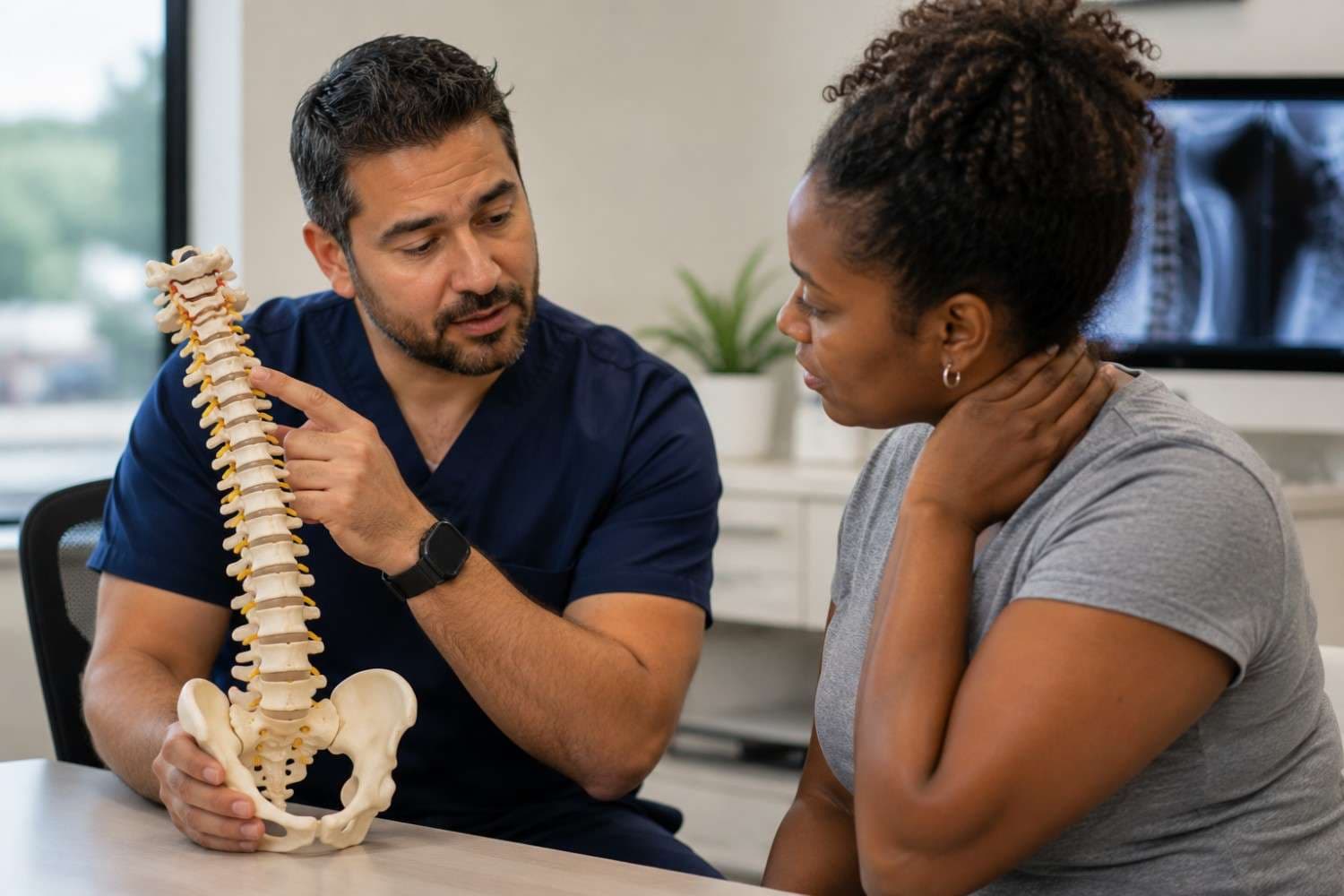
The Role of Imaging (MRI, CT Scan, X-Ray) in Diagnosing Car Accident Injuries
DS
By Deepak Sharma, DC
Medically reviewed
Owner & Doctor of Chiropractic · 8 min read · Published · Updated · Last reviewed
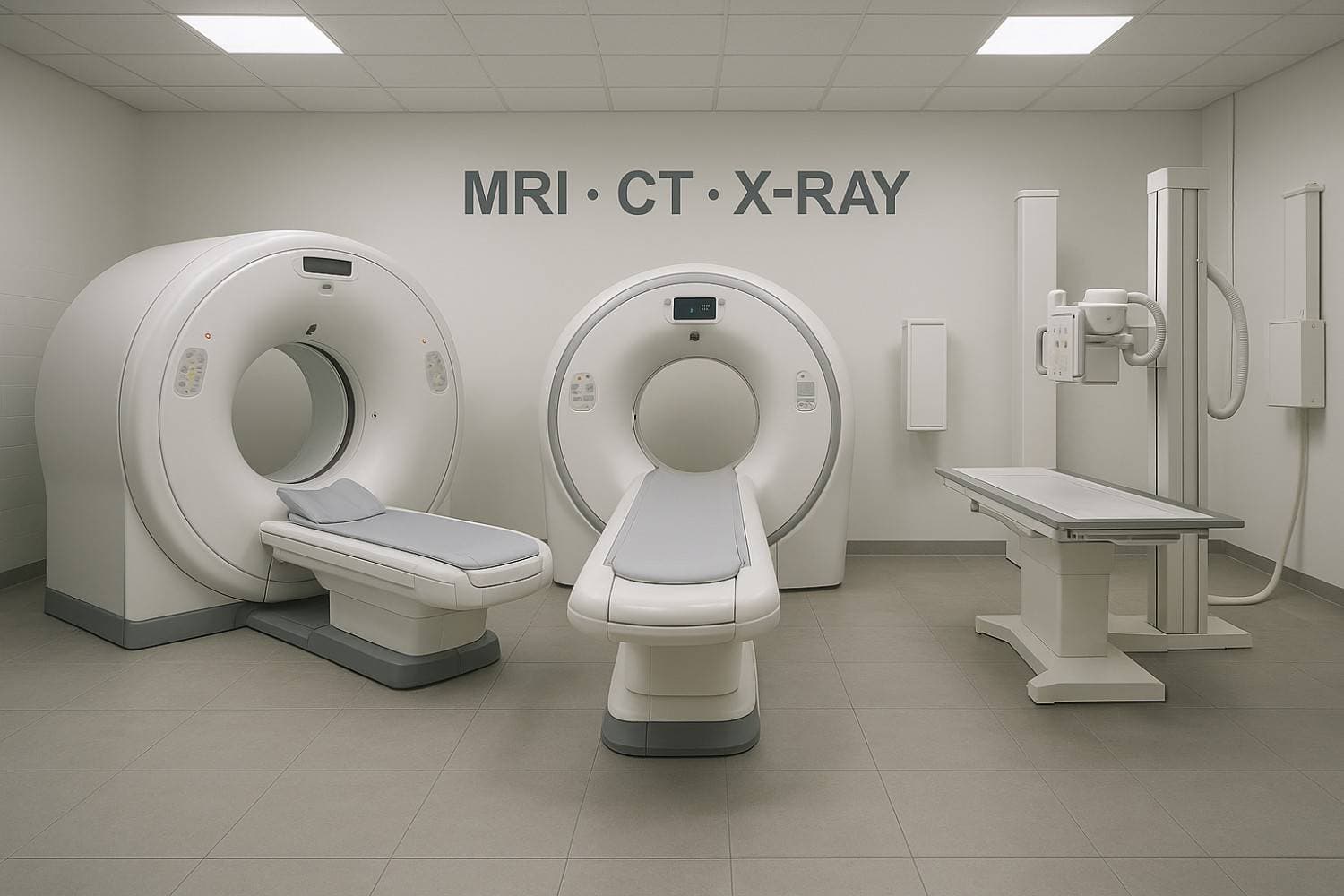
Introduction
In Beaumont, TX, navigating the aftermath of a car accident extends far beyond vehicle repairs and insurance claims. According to the CDC, imaging services were ordered or provided at 70.2% of emergency department visits for motor vehicle traffic injuries, significantly higher than for other injury-related visits. With Jefferson County experiencing a 36% increase in traffic-related fatalities and over 39,345 Americans dying in traffic crashes nationwide in 2024, understanding the critical role of diagnostic imaging has never been more crucial for Southeast Texas residents.
Research demonstrates that diagnostic errors occur in approximately 3-5% of radiological studies, affecting millions of patients annually. However, studies show that MRI screening achieves 78.82% sensitivity compared to CT scans at 62.35%, making proper imaging selection essential for accurate diagnosis. This is particularly important given that up to 30% of car accident victims develop delayed symptoms that may not appear for hours, days, or even weeks.
This comprehensive guide explores how diagnostic imaging after car accident Beaumont TX serves as the cornerstone of effective post-accident care. We’ll examine how X-rays, CT scans, and MRIs each contribute unique capabilities to identifying both immediate and hidden injuries, ensuring you receive the precise diagnosis and treatment needed for optimal recovery.
X-Rays: The First Line of Defense in Trauma Assessment
How X-Rays Work in Accident Contexts
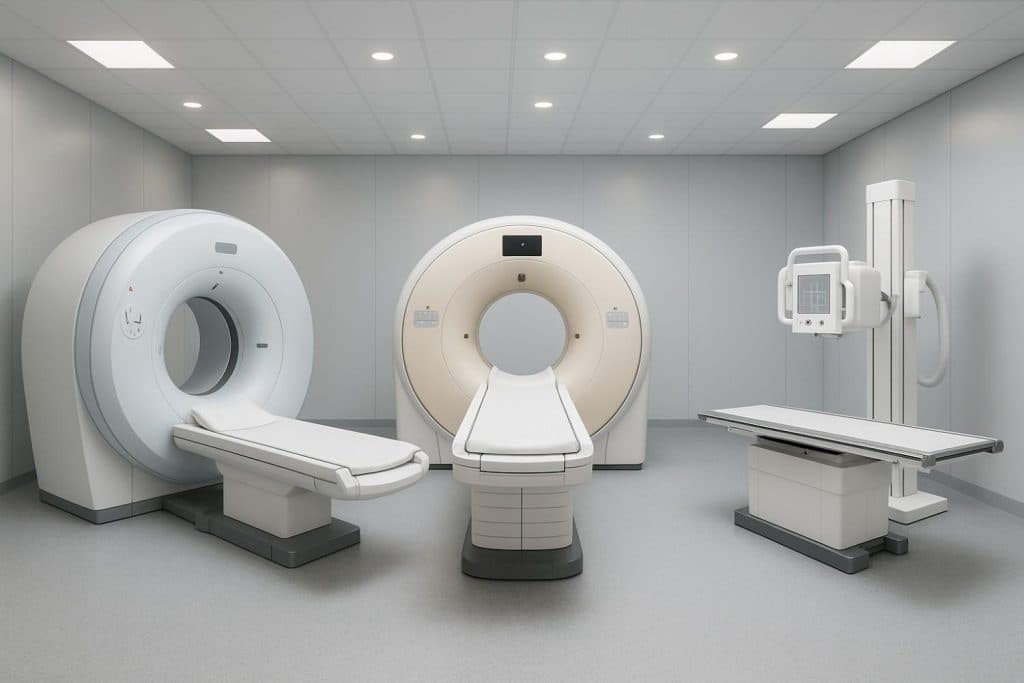
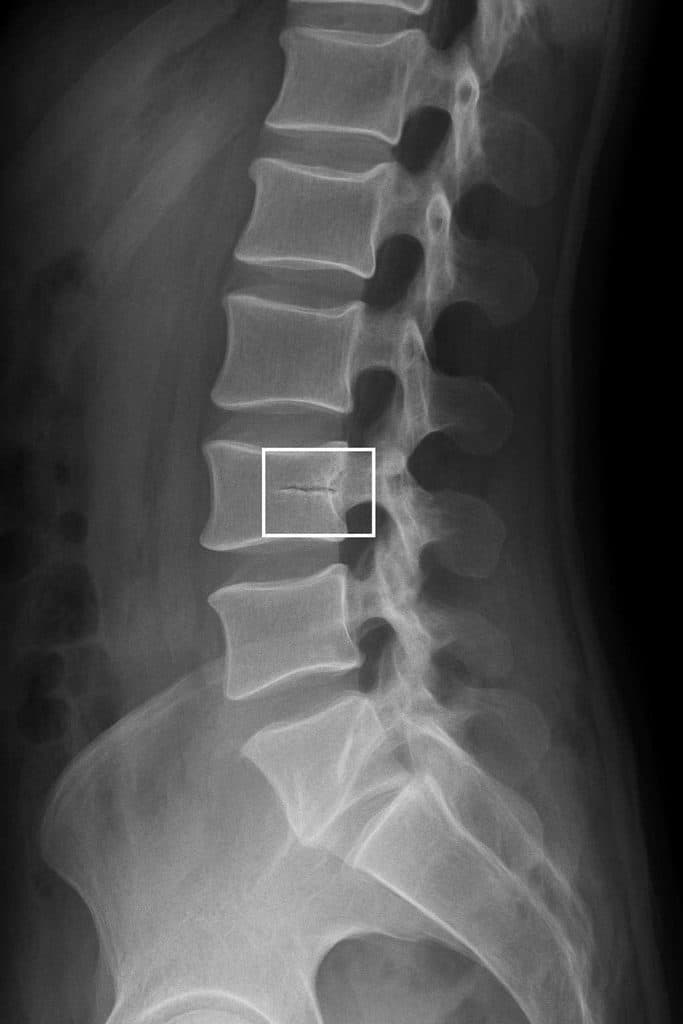
X-rays remain the most frequently utilized initial diagnostic tool after car accidents, primarily due to their speed, accessibility, and effectiveness in visualizing skeletal structures. Using controlled ionizing radiation, X-rays create two-dimensional images that excel at identifying fractures, dislocations, and bone misalignments. With over 1 billion radiographic examinations performed annually worldwide, their rapid results allow emergency medical professionals to make immediate stabilization decisions for serious bone injuries.
However, X-rays have significant limitations in post-accident diagnosis. They cannot visualize soft tissues including muscles, ligaments, tendons, or spinal discs—structures commonly damaged in vehicle collisions. This limitation means that while X-rays effectively rule out fractures, they may miss critical soft tissue injuries that require specialized treatment.
For immediate bone trauma assessment, X-ray services in Beaumont, TX provide essential first-line diagnostic capabilities with digital technology for enhanced image clarity and faster processing times.
When X-Rays Are Essential Post-Crash
X-rays are indispensable in various post-collision scenarios, particularly when medical professionals suspect:
Bone Fractures: Including spine, ribs, arms, legs, or skull fractures that require immediate stabilization
Joint Dislocations: Bones displaced from normal positioning in shoulders, hips, knees, or other joints
Foreign Object Detection: Identifying metal fragments, glass, or other debris embedded during the collision
Cervical Spine Clearance: Initial assessment for neck injuries, often used with clinical criteria to determine if cervical immobilization is necessary
Joint Dislocations: Bones displaced from normal positioning in shoulders, hips, knees, or other joints
Foreign Object Detection: Identifying metal fragments, glass, or other debris embedded during the collision
Cervical Spine Clearance: Initial assessment for neck injuries, often used with clinical criteria to determine if cervical immobilization is necessary
Research indicates that emergency physicians achieve 18-80% sensitivity in predicting major trauma severity using crash information and imaging combined, emphasizing the importance of comprehensive diagnostic approaches rather than relying solely on initial X-ray findings.
CT Scans: Mapping Complex Trauma Patterns
3D Imaging for Multi-System Injuries
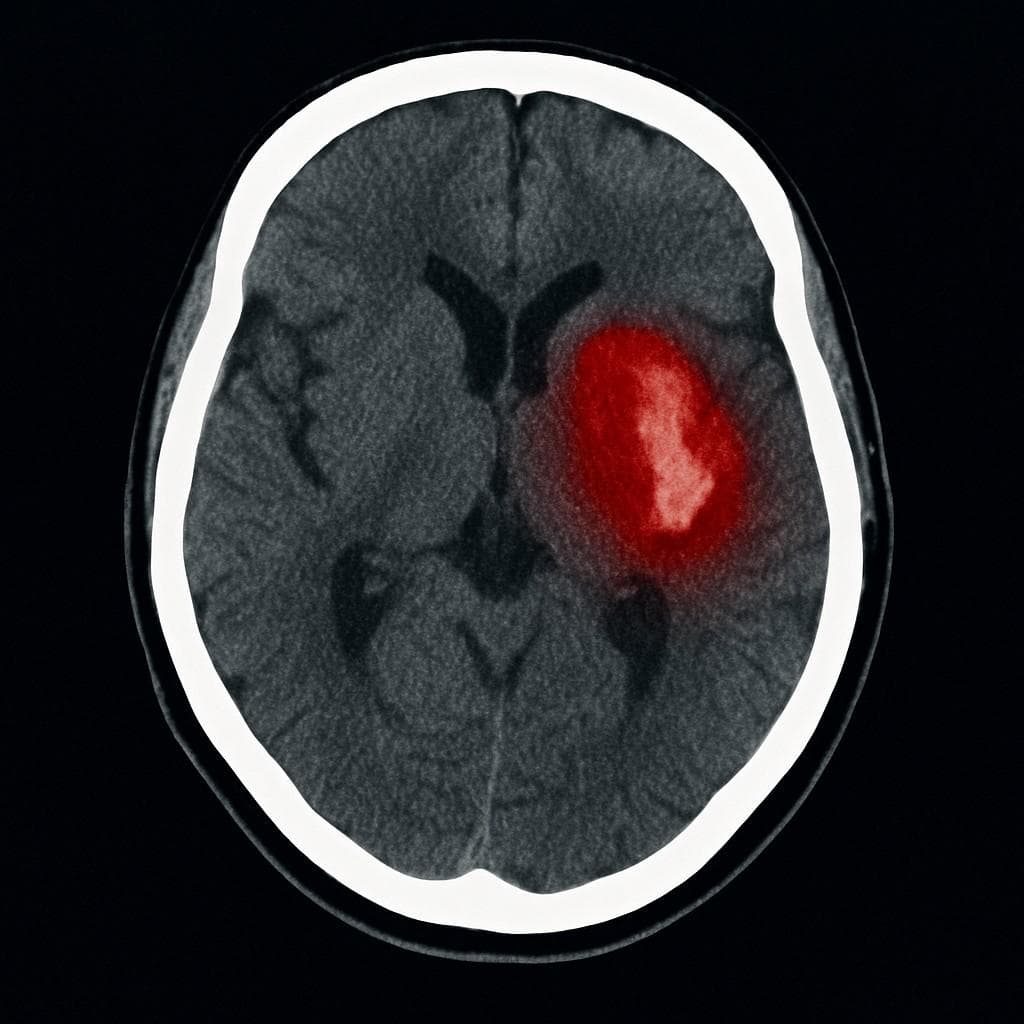
CT (Computed Tomography) scans represent a significant advancement over traditional X-rays by providing detailed, cross-sectional images of the body. By combining multiple X-ray images taken from different angles, CT scans create sophisticated three-dimensional views of bones, soft tissues, and blood vessels. This capability makes them invaluable for mapping complex trauma patterns and detecting internal bleeding that remains invisible on standard X-rays.
In high-impact vehicle collisions, medical teams frequently employ “whole body CT” protocols to rapidly assess for severe internal injuries or multiple fractures across different body systems. Studies demonstrate that CT screening shows 73.85% specificity and 62.35% sensitivity for diagnostic accuracy, making them particularly effective for identifying life-threatening internal injuries that require immediate surgical intervention.
Our affordable CT scan services in Beaumont, TX provide state-of-the-art imaging capabilities with 24/7 availability for urgent post-accident evaluations.
Critical Applications in Beaumont Trauma Care
CT scans have become indispensable in Southeast Texas trauma care for several critical conditions:
Head Injuries: Comprehensive assessment of skull fractures, brain contusions, and intracranial bleeding including epidural or subdural hematomas
Abdominal Trauma: Detailed evaluation of internal organ damage to liver, spleen, kidneys, and detection of internal bleeding that could prove fatal
Complex Fractures: Advanced visualization of intricate bone breaks, particularly in the pelvis, spine, or joints where standard X-rays provide insufficient detail
Multi-System Assessment: Simultaneous evaluation of multiple body regions following high-impact collisions
Abdominal Trauma: Detailed evaluation of internal organ damage to liver, spleen, kidneys, and detection of internal bleeding that could prove fatal
Complex Fractures: Advanced visualization of intricate bone breaks, particularly in the pelvis, spine, or joints where standard X-rays provide insufficient detail
Multi-System Assessment: Simultaneous evaluation of multiple body regions following high-impact collisions
While CT scans expose patients to higher radiation doses than X-rays, the diagnostic benefits in critical trauma situations far outweigh radiation concerns, often enabling life-saving interventions that wouldn’t be possible without detailed internal visualization.
MRI: Revealing Hidden Soft Tissue Damage
Magnetic Resonance Technology Explained
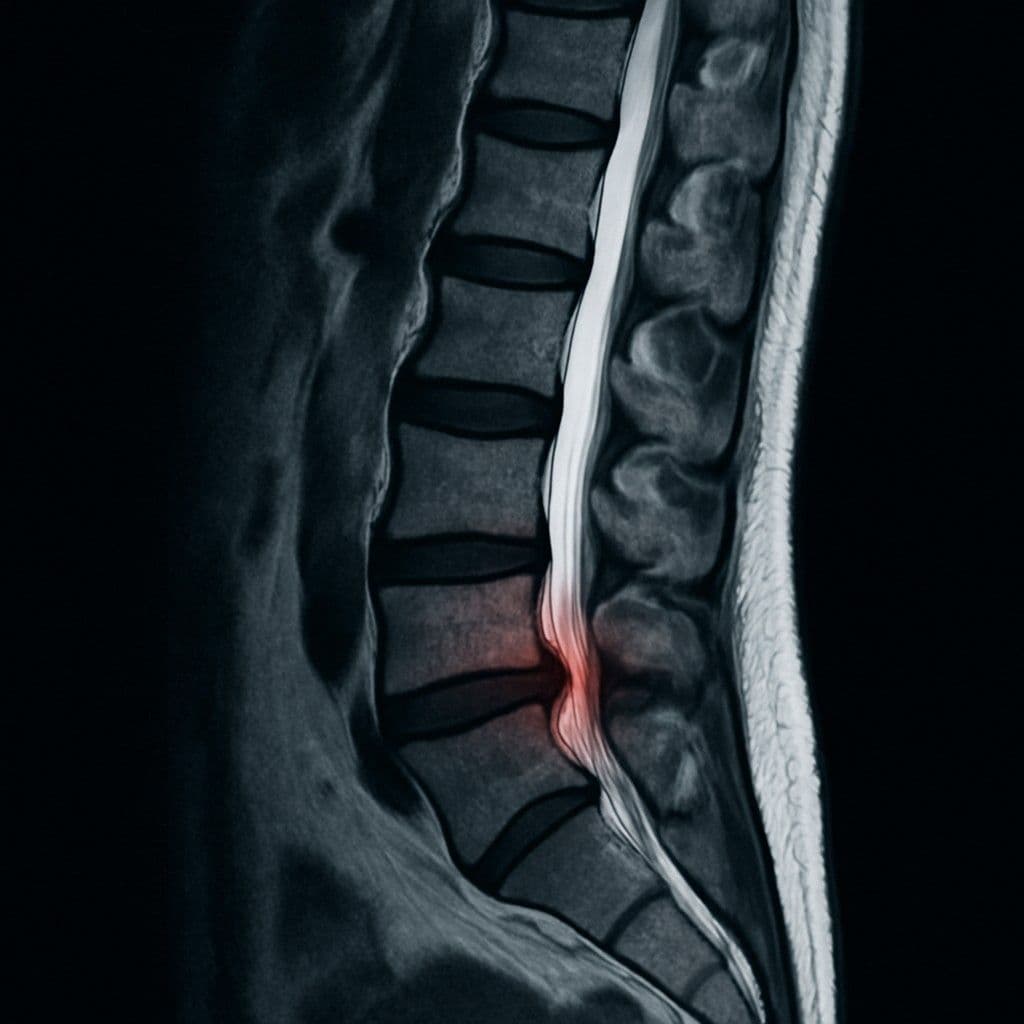
MRI (Magnetic Resonance Imaging) represents the pinnacle of diagnostic imaging technology for soft tissue evaluation, particularly crucial for car accident injuries. Unlike X-rays and CT scans, MRI uses powerful magnetic fields and radio waves instead of ionizing radiation, making it safer for patients requiring multiple scans or long-term monitoring.
MRI technology provides superior resolution for visualizing spinal discs, ligaments, tendons, muscles, and neural structures—precisely the tissues most commonly damaged in vehicle collisions but invisible on other imaging modalities. Research demonstrates that MRI achieves 78.82% sensitivity, 78.46% specificity, and 78.67% accuracy, making it significantly more effective than CT scans for soft tissue injury diagnosis.
Our MRI diagnostic imaging services in Beaumont feature state-of-the-art equipment with 24/7 availability and walk-in services, ensuring immediate access to this critical diagnostic tool.
Delayed-Onset Injury Diagnosis
MRI excels at diagnosing the “hidden” injuries that frequently present no immediate symptoms following accidents but can develop into chronic, debilitating conditions:
Whiplash-Associated Disorders: While often diagnosed clinically, MRI reveals underlying ligament tears, disc injuries, or nerve damage in the cervical spine contributing to persistent pain requiring whiplash and neck pain treatment.
Traumatic Brain Injuries (TBI): Beyond skull fractures visible on X-rays or large hemorrhages on CT scans, MRI detects subtle brain bruising, diffuse axonal injury, or micro-hemorrhages essential for diagnosing mild TBIs or concussions requiring headache and migraine specialist care.
Occult Fractures: Microscopic fractures invisible on X-rays or CT scans become visible through bone marrow edema detection on MRI, preventing misdiagnosis of “minor” injuries.
Soft Tissue Injuries: Comprehensive evaluation of muscle tears, ligament damage, and tendon injuries requiring specialized soft tissue injury treatment.
Medical professionals often recommend waiting 48-72 hours for symptoms or edema to develop, as inflammation makes injuries more visible on MRI after car accident imaging, ensuring accurate diagnosis of delayed-onset conditions.
The Imaging Timeline: When to Scan After Impact
Strategic Timing for Optimal Diagnostic Accuracy
The timing of imaging after car accident Beaumont TX follows evidence-based protocols designed to maximize diagnostic accuracy while ensuring patient safety:
Immediate Assessment (0-6 hours): Emergency situations require immediate X-rays and CT scans to identify life-threatening injuries including internal bleeding, major fractures, or severe head trauma. Emergency departments utilize these rapid imaging modalities for trauma triage and surgical planning.
24-72 Hour Window: If initial symptoms worsen or new symptoms emerge, follow-up CT or MRI examinations provide detailed soft tissue evaluation. This timeframe corresponds with the critical 72-hour window for seeking medical evaluation, as adrenaline effects diminish and inflammation develops.
1-2 Week Follow-up: For persistent or chronic pain without clear initial findings, elective MRI becomes essential. This allows sufficient time for inflammation and edema development, making soft tissue injuries maximally visible for accurate diagnosis and treatment planning.
Long-term Monitoring: Some conditions like herniated disc injuries or PTSD after car accidents may require periodic imaging to assess treatment progress and prevent chronic complications.
This injury progression monitoring strategy ensures comprehensive evaluation while optimizing resource utilization and patient outcomes.
Why Beaumont Patients Need Specialized Imaging
Comprehensive Diagnostic Excellence in Southeast Texas
Access to specialized diagnostic imaging Beaumont becomes critical for accident victims requiring precise, timely evaluation. At Car Accident Cares, our comprehensive imaging capabilities address the unique needs of Southeast Texas collision victims:
Immediate Access: Understanding the urgency of post-accident evaluations, we provide same-day scheduling within the critical 72-hour diagnostic window to prevent delayed injury complications.
Trauma Expertise: Our network includes board-certified trauma radiologists with specialized experience interpreting complex accident-related imaging studies, ensuring accurate diagnosis of both obvious and subtle injuries.
Advanced Technology: State-of-the-art MRI, CT, and digital X-ray equipment provides superior image quality for enhanced diagnostic precision, supporting optimal treatment planning and insurance documentation.
Insurance Coordination: Comprehensive insurance navigation services streamline the approval process for necessary imaging studies, removing financial barriers to essential diagnostic care.
Integrated Care: Our imaging services seamlessly coordinate with MD consultations, auto injury specialists, and pain management clinics for comprehensive recovery programs.
24/7 Availability: Unlike general hospital imaging departments that prioritize emergency cases, we focus specifically on providing timely, precise diagnostic imaging for auto accident injuries, ensuring prompt evaluation when you need it most.
For complex injuries requiring surgical evaluation, we coordinate with orthopedic and spine surgeon consultations to ensure seamless transition from diagnosis to specialized treatment.

Conclusion
The role of imaging after car accident Beaumont TX extends far beyond simple injury identification—it serves as the foundation for comprehensive medical care, successful insurance claims, and optimal long-term recovery. With diagnostic errors occurring in 3-5% of radiological and 70.2% of car accident emergency visits requiring imaging services, the importance of accessing expert diagnostic capabilities cannot be overstated.
X-rays provide rapid bone trauma assessment, CT scans excel at complex internal injury evaluation, and MRI offers unparalleled soft tissue visualization for delayed-onset conditions. Understanding when each imaging modality provides optimal diagnostic value ensures accurate identification of both immediate and hidden injuries that could otherwise progress into chronic, debilitating conditions.
Don’t compromise your recovery with delayed or inadequate diagnostic imaging. For comprehensive diagnostic imaging services featuring state-of-the-art technology and trauma-experienced radiologists, contact Car Accident Cares today. Our Beaumont location provides immediate access to essential imaging services, while our team ensures seamless coordination with your overall treatment plan.
Take the critical first step toward accurate diagnosis and effective recovery. Contact us today to schedule your diagnostic imaging evaluation, or find us for immediate assistance. Your health and recovery deserve nothing less than expert diagnostic care backed by advanced imaging technology.
Medically reviewed by
Verified
DS
Deepak Sharma
DC
Owner & Doctor of Chiropractic
Deepak Sharma, DC is a licensed Doctor of Chiropractic and the owner of Car Accident Cares in Beaumont, TX. He reviews the clinical content published across the site and works with a multidisciplinary network of MDs, chiropractors, imaging centers, and pain-management specialists focused on accurate diagnosis, evidence-based treatment, and complete recovery for motor-vehicle-accident victims across Beaumont and Houston.