The Power of Chiropractic Care After a Car Accident: Realigning Your Body and Life
DS
By Deepak Sharma, DC
Medically reviewed
Owner & Doctor of Chiropractic · 11 min read · Published · Updated · Last reviewed
1. Introduction
1.1 Importance of Understanding Car Accidents
Car accidents are an unfortunate reality of modern driving, affecting millions of drivers annually. Understanding the dynamics of car accidents, including the immediate steps to take and the types of accidents, can significantly impact your recovery and insurance process. This knowledge is crucial for protecting your health, legal rights, and financial stability.
1.2 Overview of the Guide
This comprehensive guide is designed to help U.S. drivers navigate the aftermath of car accidents. From the types of car accidents and immediate steps to take, to understanding car insurance and the claims process, this guide covers all essential aspects. Special emphasis is placed on the benefits of chiropractic care in realigning your body and life after an accident.
2. Types of Car Accidents
2.1 Fender Bender
A fender bender is a minor car accident, typically involving minimal vehicle damage and no serious injuries. Despite its seemingly trivial nature, it’s important to handle fender benders correctly to avoid any future complications.
2.1.1 Common Causes
- Distracted Driving: Texting, talking on the phone, or other distractions can lead to minor collisions.
- Tailgating: Following too closely behind another vehicle often results in rear-end accidents.
- Slow Traffic: Congested areas are hotspots for minor accidents due to frequent stopping and starting.
2.1.2 Typical Damages
- Vehicle Damage: Scratches, dents, and minor bumper damage are common.
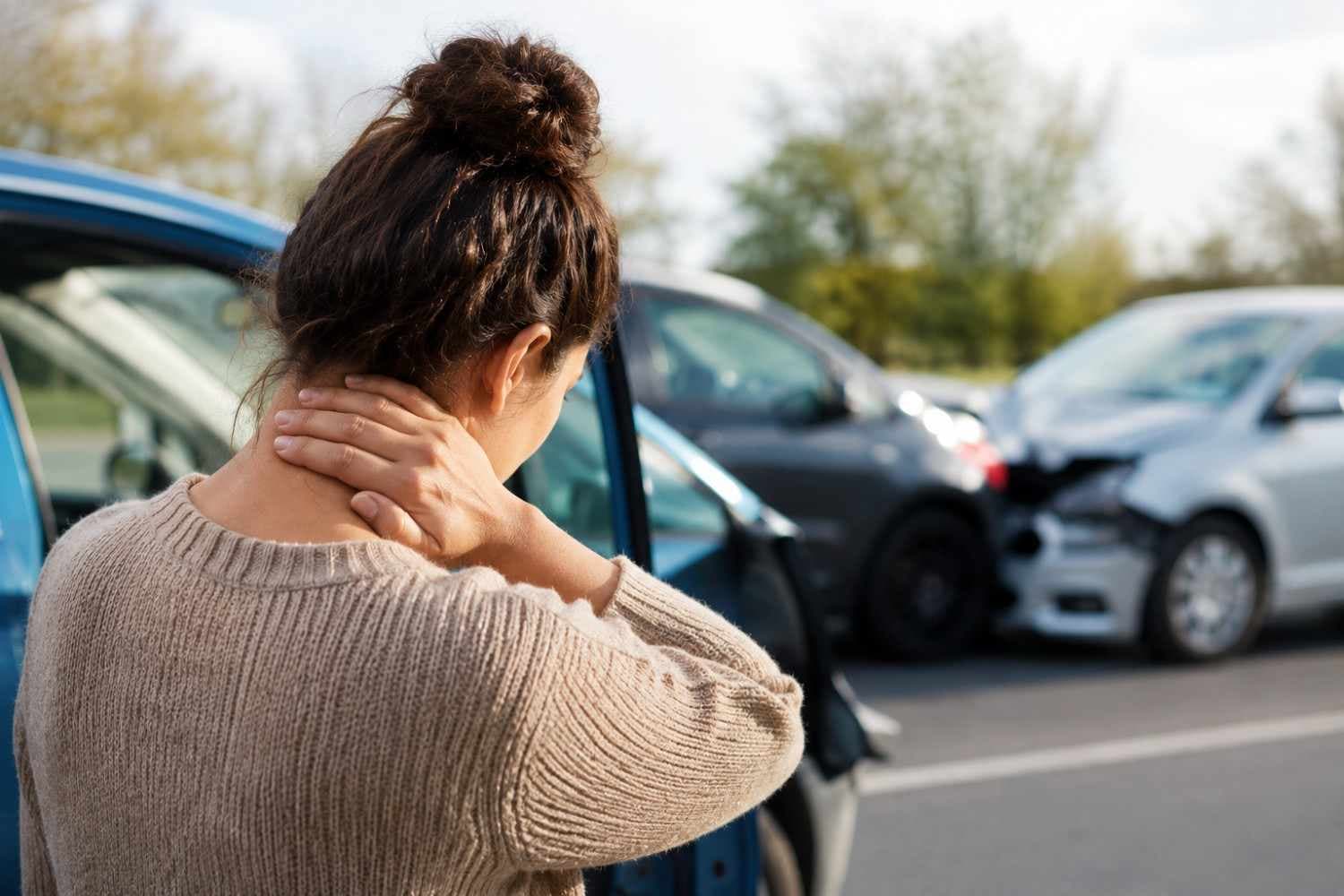
- Whiplash: Even in low-speed impacts, passengers can experience whiplash, a neck injury caused by sudden movement.
2.2 Serious Injuries
Serious injuries from car accidents can have long-term effects on your health and quality of life. It’s crucial to recognize these injuries early and seek appropriate medical care.
2.2.1 Common Causes
- High-Speed Collisions: Crashes at high speeds often result in severe injuries.
- T-Bone Accidents: Side-impact collisions can cause significant trauma, especially to the driver and passengers on the impacted side.
- Head-On Collisions: These accidents are typically very severe due to the combined speed of both vehicles.
2.2.2 Medical Implications
- Spinal Injuries: Damage to the spine can lead to long-term disability or paralysis.
- Traumatic Brain Injuries: Concussions and more severe brain injuries require immediate and ongoing medical attention.
- Internal Injuries: Damage to internal organs can be life-threatening and may not be immediately apparent.
2.3 Collision
Collisions range from minor bumps to catastrophic impacts, and understanding the different types can help in assessing the situation and determining the appropriate response.
2.3.1 Side Impact Collisions
Side impact collisions, also known as T-bone accidents, occur when the side of a vehicle is hit by the front or rear of another vehicle. These can be particularly dangerous due to the lack of substantial barriers on the side of most vehicles.
2.3.2 Rear-End Collisions
Rear-end collisions are among the most common types of car accidents. They occur when one vehicle crashes into the back of another, often due to sudden braking or distracted driving.
2.3.3 Head-On Collisions
Head-on collisions are severe accidents that occur when the front ends of two vehicles collide. These accidents are often deadly due to the high speeds typically involved.
3. Immediate Steps After an Accident
3.1 Ensuring Safety
Your safety and the safety of others involved is the top priority immediately after an accident. Here are the essential steps to take:
- Check for Injuries: Assess yourself and passengers for any injuries.
- Move to Safety: If possible, move your vehicle out of traffic to a safe location.
- Turn on Hazard Lights: Make your vehicle visible to other drivers to prevent further accidents.
3.2 Contacting Authorities
- Call 911: Report the accident to the police and request medical assistance if necessary.
- File a Police Report: A police report can be crucial for insurance claims and legal matters.
3.3 Exchanging Information
Gathering accurate information from all parties involved is essential:
- Driver’s License Information: Exchange names, addresses, and driver’s license numbers.
- Insurance Details: Share your car insurance company and policy number.
- Vehicle Information: Note the make, model, and license plate number of the involved vehicles.
3.4 Documenting the Scene
Proper documentation can support your insurance claim and legal case:
- Take Photos: Capture the accident scene, vehicle damage, and any visible injuries.
- Witness Statements: Collect contact information and statements from any witnesses.
- Accident Notes: Write down details about the accident, including time, location, and road conditions.
4. Understanding Car Insurance
4.1 Basics of Car Insurance
Car insurance is a contract between you and the insurance company that protects you against financial loss in the event of an accident.
4.1.1 Coverage Types
- Liability Coverage: Covers damages to others if you are at fault.
- Collision Coverage: Pays for damages to your vehicle resulting from a collision.
- Comprehensive Coverage: Covers damages to your vehicle not caused by a collision, such as theft or natural disasters.
4.1.2 Policy Limits
- Bodily Injury Limit: The maximum amount your insurer will pay for injuries per person and per accident.
- Property Damage Limit: The maximum amount your insurer will pay for property damage per accident.
4.2 Selecting the Right Car Insurance Company
Choosing the right car insurance company can significantly impact your claims process and overall satisfaction.
4.2.1 Evaluating Reputation
- Customer Reviews: Read reviews to gauge the experiences of other customers.
- Financial Stability: Check the financial health of the insurer to ensure they can pay claims.
4.2.2 Comparing Policies
- Coverage Options: Compare the types of coverage offered by different insurers.
- Premium Costs: Evaluate the cost of premiums relative to the coverage provided.
5. Insurance Claims Process
5.1 What to Do After an Accident
5.1.1 Contacting Your Insurance Company
- Immediate Notification: Inform your insurance company about the accident as soon as possible.
- Provide Details: Be ready to provide details about the accident and the involved parties.
5.1.2 Providing Necessary Information
- Accident Report: Submit the police report and any other relevant documentation.
- Claim Form: Complete and submit the claim form provided by your insurance company.
5.2 How to File a Claim
5.2.1 Steps to File a Claim
- Step 1: Contact your insurance company to report the accident.
- Step 2: Submit all necessary documentation, including the police report and photos.
- Step 3: Work with your claims adjuster to assess damages and determine compensation.
5.2.2 Documentation Required
- Police Report: An official report from law enforcement detailing the accident.
- Photographs: Images of the accident scene, vehicle damage, and any injuries.
- Witness Statements: Accounts from witnesses present at the scene.
5.3 Auto Insurance Claims
5.3.1 Timeline of an Auto Insurance Claim
- Initial Contact: Notify your insurer immediately.
- Investigation Period: The insurance company investigates the claim, which can take several weeks.
- Settlement: Once the investigation is complete, the insurer will offer a settlement.
5.3.2 Common Challenges and Solutions
- Delays in Processing: Regularly follow up with your insurance company to expedite the process.
- Disputed Liability: Provide thorough documentation to support your version of events.
- Underpayment of Claims: Negotiate with your insurer and consider seeking legal advice if necessary.
6. Working with Your Insurance Company
6.1 Communication Tips
Effective communication with your car insurance company is vital to ensure a smooth claims process and fair settlement.
- Be Prompt and Clear: Respond quickly to requests for information and provide clear, concise details.
- Document Everything: Keep records of all communications, including emails and phone calls.
- Stay Polite and Professional: Maintaining a courteous tone can help facilitate better cooperation.
6.2 Understanding Adjusters’ Role
Insurance adjusters evaluate the damages and determine the compensation amount.
- Initial Assessment: The adjuster will inspect your vehicle and review accident reports.
- Damage Estimation: They will provide an estimate for repair costs and other related expenses.
- Negotiation: Be prepared to negotiate if you believe the offered settlement is insufficient.
6.3 Negotiating Settlements
If you disagree with the initial settlement offer, negotiation is possible.
- Provide Evidence: Support your claim with additional evidence, such as repair estimates and medical bills.
- Know Your Policy: Understand the limits and coverages of your auto insurance policy.
- Consider Mediation: If negotiations stall, mediation can help reach a fair resolution.
7. Legal Considerations
7.1 When to Consult a Lawyer
In some situations, hiring a lawyer may be necessary to protect your rights and interests.
- Serious Injuries: Legal representation can help secure compensation for medical expenses and lost wages.
- Disputed Liability: A lawyer can assist in proving fault and defending against unjust claims.
- Insurance Denials: If your claim is denied or underpaid, legal action may be needed.
7.2 Understanding Liability
Determining who is at fault in an accident is crucial for insurance and legal purposes.
- Fault Laws: Familiarize yourself with your state’s fault laws, which dictate how liability is assigned.
- Evidence Collection: Gather as much evidence as possible, including photos, witness statements, and police reports.
- Comparative Negligence: In some states, compensation may be adjusted based on each party’s level of fault.
7.3 Filing a Lawsuit
When negotiations fail, filing a lawsuit might be the next step.
- Consultation: Discuss your case with a personal injury lawyer to assess its merits.
- Filing Process: Your lawyer will file the necessary paperwork and represent you in court.
- Settlement vs. Trial: Many cases are settled out of court, but be prepared for a trial if necessary.
8. Preventative Measures
8.1 Defensive Driving Techniques
Practicing defensive driving can help prevent accidents and keep you safe on the road.
- Stay Alert: Always be aware of your surroundings and anticipate other drivers’ actions.
- Maintain Safe Distances: Keep a safe distance between your vehicle and others to allow for sudden stops.
- Follow Speed Limits: Adhering to speed limits reduces the risk of accidents.
8.2 Vehicle Maintenance Tips
Regular vehicle maintenance is essential for preventing accidents caused by mechanical failures.
- Routine Checks: Regularly check your vehicle’s tires, brakes, lights, and fluids.
- Scheduled Services: Follow your manufacturer’s recommended maintenance schedule.
- Address Issues Promptly: Fix any mechanical issues as soon as they arise to avoid potential hazards.
8.3 Using Technology for Safety
Modern technology offers tools and features that enhance driving safety.
- Advanced Driver Assistance Systems (ADAS): Features like lane departure warnings and automatic braking can prevent accidents.
- Dash Cams: Installing a dash cam can provide valuable evidence in the event of an accident.
- Navigation Apps: Use navigation apps to avoid traffic congestion and find the safest routes.
9. Special Situations
9.1 Hit and Run Accidents
Hit and run accidents present unique challenges, but there are steps you can take.
- Stay at the Scene: Do not chase the fleeing driver. Stay and gather information.
- Report Immediately: Contact the police and report the incident.
- Seek Witnesses: Look for witnesses who can provide details about the fleeing vehicle.
9.2 Accidents Involving Uninsured Drivers
Accidents with uninsured drivers can complicate the claims process.
- Uninsured Motorist Coverage: This type of coverage can protect you if the at-fault driver lacks insurance.
- Document the Incident: Collect as much information as possible, including witness statements and photos.
- Legal Recourse: You may need to pursue legal action to recover damages.
9.3 Accidents Outside Your Home State
Being involved in an accident outside your home state requires additional considerations.
- Understand Local Laws: Different states have varying traffic laws and insurance regulations.
- Contact Your Insurer: Notify your insurance company about the out-of-state accident and follow their guidance.
- Seek Local Legal Advice: If necessary, consult a lawyer familiar with the local laws and procedures.
10. Conclusion
10.1 Summary of Key Points
Navigating the aftermath of a car accident involves understanding the types of accidents, immediate steps to take, and the insurance claims process. Effective communication with your insurance company, understanding legal considerations, and taking preventative measures can significantly impact your recovery and peace of mind.Contact Car Accident Cares for more details on post-accident recovery.
10.2 Final Thoughts on Staying Safe
While accidents are sometimes unavoidable, being prepared and knowledgeable can make a substantial difference. Prioritize safety, maintain your vehicle, and stay informed about your rights and responsibilities as a driver.
11. FAQs
11.1 What Should I Do Immediately After an Accident?
- Ensure safety, move to a safe location, and contact authorities.
- Exchange information with the other driver and document the scene.
11.2 How Do I File an Insurance Claim?
- Contact your insurance company and provide all necessary documentation.
- Work with a claims adjuster to assess damages and negotiate a settlement.
11.3 What If the Other Driver Is Uninsured?
- If you have uninsured motorist coverage, it will help cover your damages.
- Seek legal advice to explore other options for compensation.
11.4 How Long Does the Insurance Claims Process Take?
- The timeline can vary, but typically involves an initial assessment, investigation, and settlement offer.
- Regular follow-up with your insurance company can help expedite the process.
11.5 When Should I Consider Legal Action?
- If you sustain serious injuries, there is disputed liability, or your insurance company is uncooperative, legal action may be necessary.
- Consult an experienced attorney to guide you through the legal process.
Medically reviewed by
Verified
DS
Deepak Sharma
DC
Owner & Doctor of Chiropractic
Deepak Sharma, DC is a licensed Doctor of Chiropractic and the owner of Car Accident Cares in Beaumont, TX. He reviews the clinical content published across the site and works with a multidisciplinary network of MDs, chiropractors, imaging centers, and pain-management specialists focused on accurate diagnosis, evidence-based treatment, and complete recovery for motor-vehicle-accident victims across Beaumont and Houston.