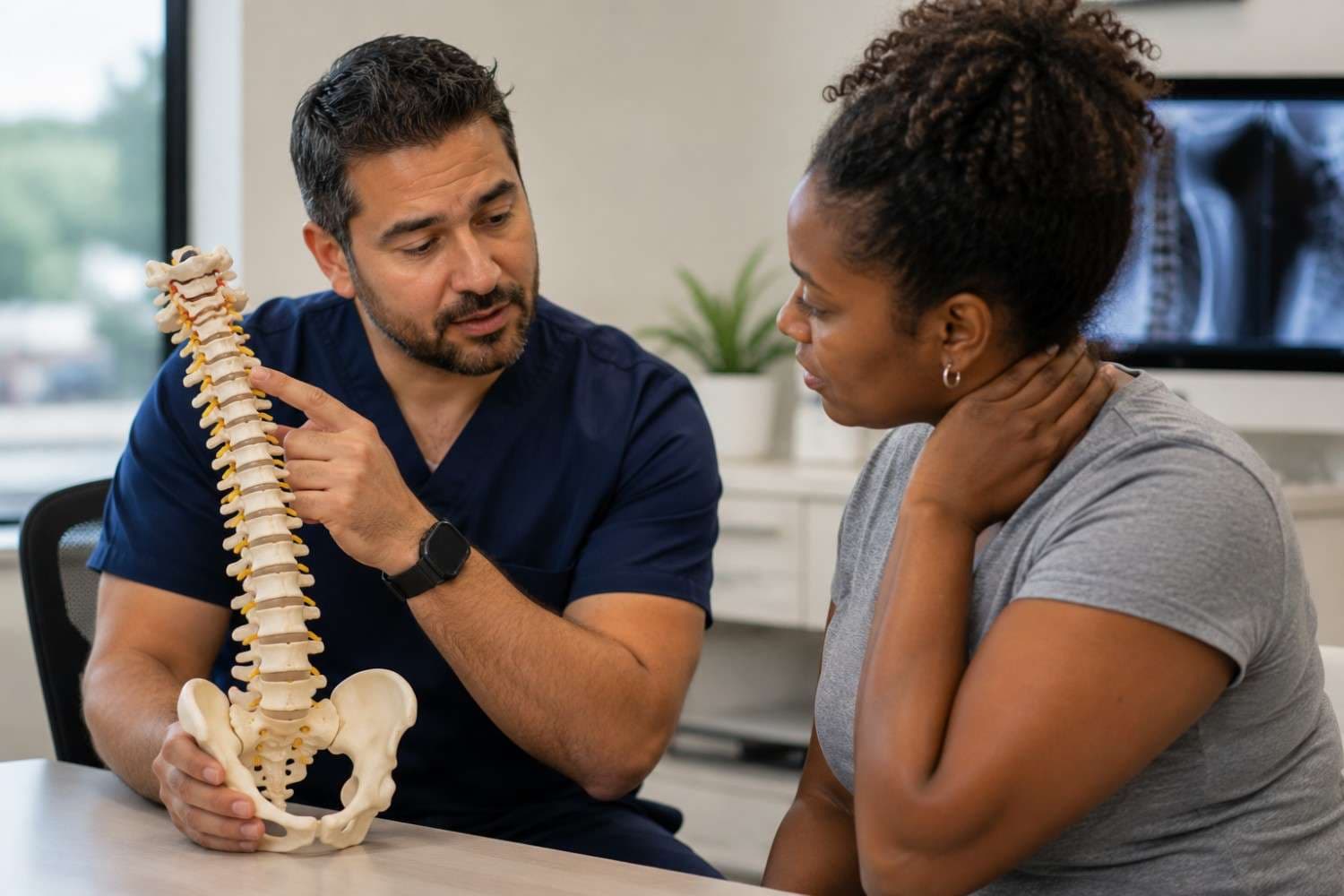
The Hidden Signs of Back Pain After a Car Accident
DS
By Deepak Sharma, DC
Medically reviewed
Owner & Doctor of Chiropractic · 8 min read · Published · Updated · Last reviewed

Table of Contents
Introduction
In Beaumont, TX, the aftermath of a car accident often leaves victims grappling with more than just vehicle damage. While some injuries are immediately apparent, an alarming number of individuals experience delayed back pain after accident, often weeks or even months later. Statistics show that a significant percentage of accident victims—some studies suggest as high as 30%—develop delayed back pain following a collision. This delayed onset can lead to confusion and, more dangerously, a tendency to ignore subtle warning signs, which can escalate into chronic, debilitating issues if left unaddressed.
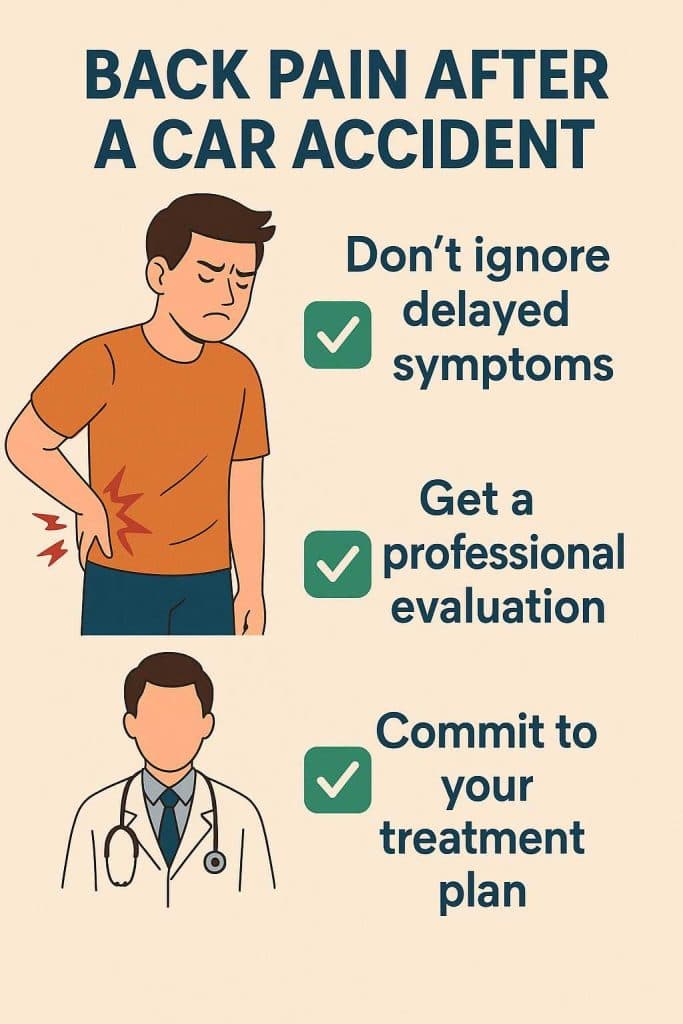
Monitoring your post-accident health monitoring is crucial, even if you feel fine in the initial hours or days. This blog post will delve into why back pain after car accident might not appear immediately, uncover the common hidden car accident back injury types, and emphasize the urgent need for a professional evaluation even with subtle or delayed symptoms. Understanding these hidden signs is your first step towards effective recovery in Beaumont.
Why Back Pain Doesn't Always Show Up Immediately
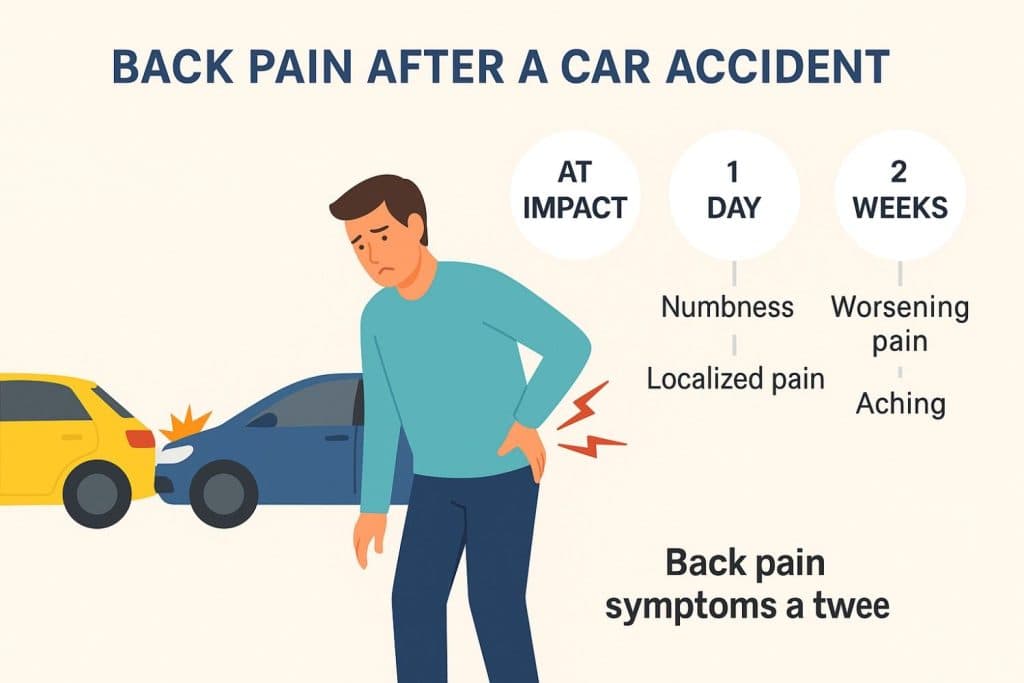
It’s a common misconception that if you don’t feel pain immediately after a car crash, you’re in the clear. However, the human body’s incredible defense mechanisms, particularly the release of stress hormones, can mask significant injuries. In many Beaumont cases, accident victims report feeling “fine” for 72 hours or even longer before the onset of severe discomfort.
This delay is primarily due to several factors:
- Adrenaline Rush: During and immediately after a traumatic event like a car accident, your body releases a surge of adrenaline and other stress hormones. These hormones act as natural painkillers, temporarily numbing you to the extent of your injuries.
- Gradual Inflammation: Injuries like sprains, strains, or disc damage can cause inflammation. This process doesn’t always peak immediately. It can build up gradually over hours or days, leading to a slow onset of pain and stiffness.
- Protective Muscle Tension: Your body’s natural response to trauma is often to tense up muscles around the injured area to protect it. This muscle guarding can temporarily stabilize a compromised area, postponing the perception of pain until the muscles relax or fatigue.
An auto injury specialist understands these complex physiological responses and can provide the necessary post-crash evaluations to identify potential hidden issues.
The Role of Stress Hormones in Delayed Awareness
Cortisol and adrenaline are powerful stress hormones designed to help you cope with immediate danger. They increase heart rate, blood pressure, and crucially, suppress pain signals, allowing you to react to the threat without being overwhelmed by injury. This is an evolutionary survival mechanism. However, once the perceived danger passes, these hormones begin to dissipate, typically within 4 to 48 hours. As their levels drop, the acute pain sensations that were previously masked can surge to the forefront, leading to that perplexing delayed back pain after accident that often catches victims off guard.
Common Hidden Back Injuries After Collisions
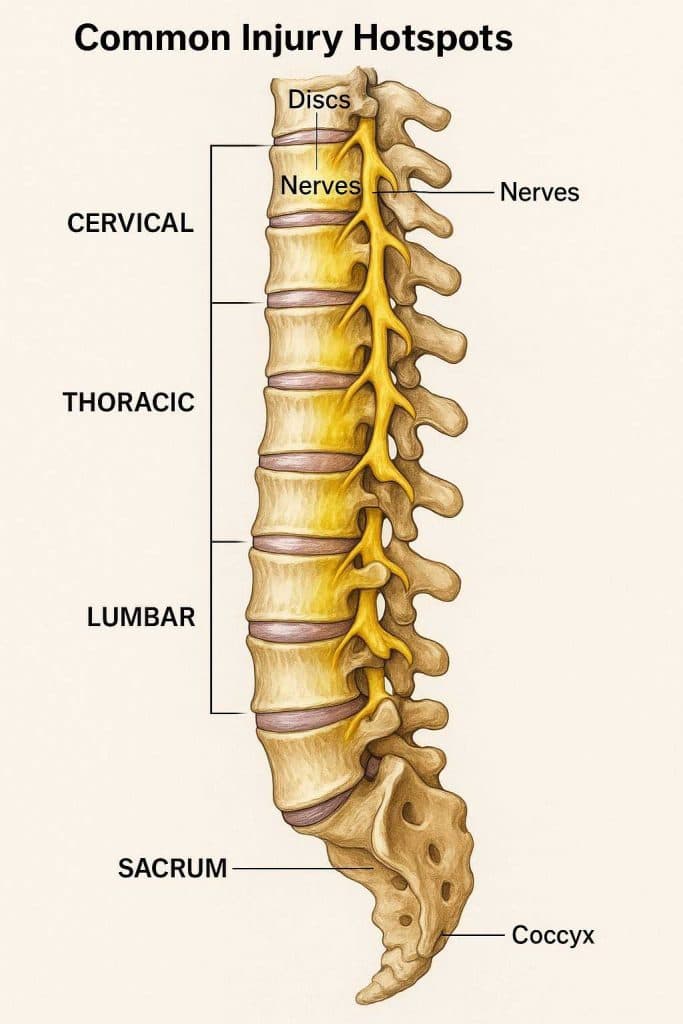
Our Beaumont clinics are experts in identifying these stealth conditions that often underlie back pain after car accident. Understanding them is crucial for appropriate treatment.
Herniated Discs: The Silent Nerve Compressors
The intervertebral discs cushion the bones of your spine. A sudden, forceful impact can cause these discs to bulge or rupture, leading to a car accident back injury known as a herniated disc. The pain from a herniated disc often worsens gradually as the displaced disc material puts increasing pressure on nearby nerves. This can lead to symptoms far from the actual injury site, such as shooting pain, tingling, numbness, or weakness in your arms or legs (radiculopathy). Detecting spinal compression often requires specialized imaging like an MRI diagnostic imaging.
Soft Tissue Damage: The Invisible Threat
Ligaments, muscles, and tendons are the soft tissues that provide stability and allow movement in your back. A car accident can cause microtears or severe strains in these tissues, leading to a type of lower back pain after crash. While X-rays won’t show this damage, it can manifest as stiffness, tenderness, muscle spasms, and restricted range of motion. The humid climate in Beaumont may even exacerbate inflammation in these injured areas. Addressing muscle strain treatment and ligament repair promptly is key to preventing chronic issues.
Spinal Fractures: When Bones Hide Their Breaks
Though less common than soft tissue injuries, spinal fractures can occur after a car accident, especially in higher-impact collisions. Compression fractures, for example, might not cause severe, immediate pain at rest but will elicit intense pain with movement. These fractures occur when the body of a vertebra collapses. We’ve seen cases from I-10 rear-end collisions in Beaumont where fractures were only discovered days or weeks after the initial impact. X-rays are the primary tool for fracture detection.
Recognizing Subtle Warning Signs
Beyond the obvious pain, here are 5 less-obvious indicators that might signal a hidden car accident back injury:
- Morning Stiffness: Your back feels unusually stiff or sore upon waking, taking longer to loosen up than usual.
- Reduced Flexibility: You notice a limited range of motion when bending, twisting, or extending your back.
- Localized Warmth or Swelling: A specific area of your back feels warm to the touch or appears slightly swollen, indicating inflammation.
- Fatigue During Sitting: You find it unusually difficult or painful to sit for extended periods, or your back fatigues quickly.
- Referred Pain: You experience tingling, numbness, or shooting pain that travels down into your buttocks, legs, or even feet, suggesting nerve involvement.
The 72-Hour Rule: When to Sound the Alarm
While the exact timing varies, the 72-hour mark is often cited as a critical window. If you experience any new or worsening symptoms within 72 hours of a car accident, even if they seem minor, it’s a strong indicator that you need a professional medical evaluation. Studies consistently show that patients who receive early intervention for accident-related injuries, particularly back pain, experience significantly better outcomes, with some research indicating up to 40% improved recovery rates compared to those who delay care. Don’t wait for severe pain to strike; schedule your evaluation now before symptoms escalate.
Diagnostic Approaches in Beaumont Clinics
At our clinics in Beaumont, identifying the precise cause of your back pain after car accident involves a multi-faceted approach. We begin with a comprehensive physical examination, assessing your posture, range of motion, and tenderness. Neurological tests will also be performed to check for nerve function, reflexes, and muscle strength.
Depending on your symptoms and the findings of the physical exam, imaging may be recommended. X-rays can help rule out fractures or significant spinal misalignments. For detailed soft tissue analysis, including herniated discs or nerve compression, an MRI is often the gold standard. We also offer access to best affordable CT scan services when needed for specific bone injuries or complex cases, ensuring thorough diagnostic imaging.
Treatment Pathways for Hidden Back Injuries
Once a hidden car accident back injury is diagnosed, our priority is to implement a multi-modal treatment plan. This integrated approach is essential for effective healing and for preventing the common progression to chronic pain that often results from untreated or improperly managed injuries.
Chiropractic Alignment for Spinal Restoration
Chiropractic care is often foundational to recovery from lower back pain after crash. Our post-accident adjustments gently realign the spine, reducing nerve irritation and restoring proper joint movement. Techniques like flexion-distraction are particularly effective for disc-related issues, helping to decompress the spinal discs and alleviate pressure on nerves. Our Beaumont clinics follow specific protocols for accident victims, ensuring a tailored approach that respects the delicate nature of soft tissue and spinal injuries.
Medical Pain Management Strategies
To complement chiropractic care, medical pain management offers targeted solutions to alleviate acute pain and inflammation. This may include prescribing anti-inflammatory medications or muscle relaxants for short-term symptom relief. For more persistent or severe pain, targeted injections, such as nerve blocks or epidural injections, can provide significant relief by reducing inflammation directly at the source. These interventions are strategically used to manage pain, allowing patients to participate more effectively in their rehabilitation and strengthening programs. Our nerve block treatments are designed for precision.
Rehabilitation: Rebuilding Core Stability
Rehabilitation is crucial for long-term recovery, focusing on strengthening the muscles that support your spine and restoring functional movement. Our programs include isometric exercises to build muscle endurance without excessive strain, as well as posture retraining to correct habits that might exacerbate pain. We’ve seen significant success in our Beaumont clinic, helping accident victims improve core stability and regain their pre-injury strength. Consistent adherence to rehabilitation protocols is vital for preventing re-injury and ensuring lasting relief from delayed back pain after accident.
Conclusion
The threat of back pain after car accident, particularly its hidden and delayed onset, underscores the importance of prompt medical attention for all accident victims in Beaumont, TX. With statistics showing that approximately 68% of delayed back pain cases can become chronic without proper care, a proactive approach is not just recommended—it’s essential for your long-term health and well-being. Don’t let the temporary absence of pain deceive you into thinking you’re unharmed. Stealth injuries require a specialized eye for detection and treatment.
Our clinic is proud to be a local leader in stealth injury detection and comprehensive recovery plans for accident victims. Don’t gamble with hidden damage – let our Beaumont back pain specialists create your recovery roadmap today. Contact us today for 24/7 evaluation scheduling.
Medically reviewed by
Verified
DS
Deepak Sharma
DC
Owner & Doctor of Chiropractic
Deepak Sharma, DC is a licensed Doctor of Chiropractic and the owner of Car Accident Cares in Beaumont, TX. He reviews the clinical content published across the site and works with a multidisciplinary network of MDs, chiropractors, imaging centers, and pain-management specialists focused on accurate diagnosis, evidence-based treatment, and complete recovery for motor-vehicle-accident victims across Beaumont and Houston.