Preparing for an MRI with Contrast in Beaumont, TX
DS
By Deepak Sharma, DC
Medically reviewed
Owner & Doctor of Chiropractic · 5 min read · Published · Updated · Last reviewed
Introduction
Magnetic Resonance Imaging (MRI) with contrast represents a critical diagnostic tool for Beaumont, TX residents, providing detailed visualization of complex medical conditions that standard imaging might miss. Approximately 30-40% of MRI scans utilize contrast enhancement to improve diagnostic accuracy. While the thought of receiving contrast injection may cause apprehension, proper preparation significantly reduces anxiety and optimizes scan results. However, understanding how to prepare for MRI with contrast Beaumont TX this comprehensive guide addresses essential preparation steps, safety considerations, and procedural expectations for Beaumont patients undergoing contrast-enhanced MRI.
What Is MRI Contrast and Why Is It Used?
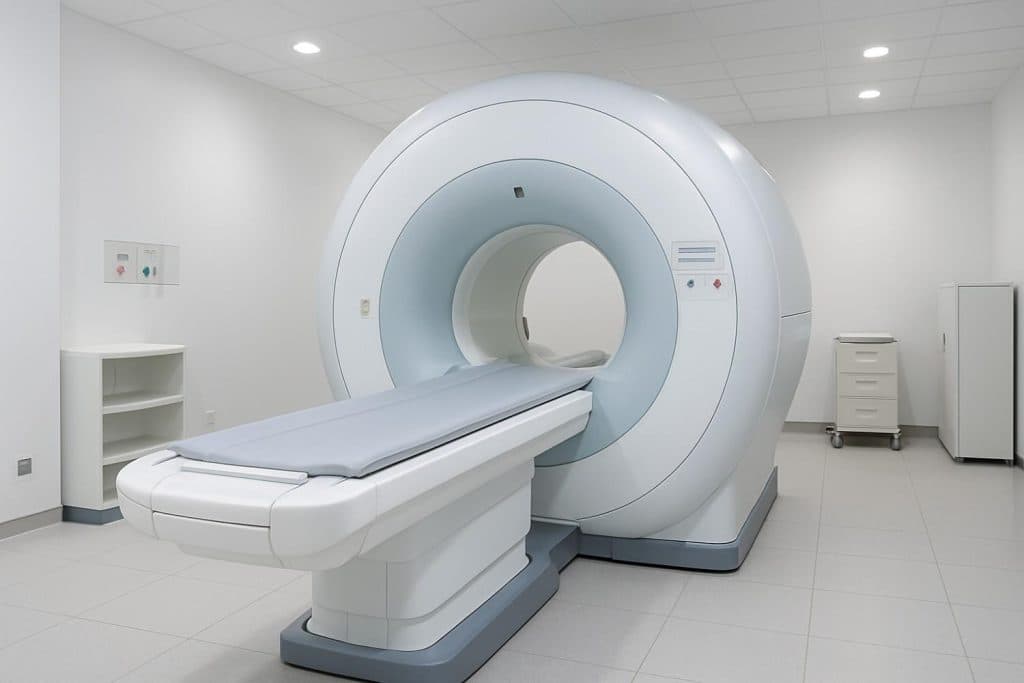
MRI contrast consists primarily of gadolinium-based contrast agents (GBCAs)—paramagnetic compounds that enhance tissue visibility by altering magnetic properties of nearby water molecules. Gadolinium has been recognized as safe and relatively non-toxic, with studies involving over 23,000 patients demonstrating excellent diagnostic performance and minimal adverse events. Contrast helps radiologists detect conditions like tumors, infections, vascular abnormalities, and inflammatory processes that might remain invisible on non-contrast scans, supporting comprehensive diagnostic imaging services.
How MRI Contrast Works
When injected intravenously, gadolinium circulates through the bloodstream and accumulates preferentially in areas with increased blood flow, inflammation, or abnormal tissue permeability. This selective accumulation causes target structures to “light up” on MRI images, providing enhanced visualization for accurate diagnosis. The enhanced contrast capabilities are integral to advanced MRI imaging.
Common Conditions Requiring Contrast MRI
Contrast-enhanced MRI proves essential for diagnosing:
- Brain tumors and spinal cord lesions
- Joint inflammation and arthritis
- Vascular malformations and aneurysms
- Soft tissue infections
- Post-surgical monitoring and scar tissue differentiation
Before Your MRI with Contrast: Essential Preparation
Proper MRI prep Beaumont is critical. Here’s a streamlined checklist:
Medical History and Health Screening
Comprehensive pre-scan evaluation includes reviewing kidney function—as severe kidney dysfunction increases risk of nephrogenic systemic fibrosis—previous contrast reactions, pregnancy status, allergies, and current medications. Macrocyclic contrast agents are preferred for patients with compromised renal function due to lower NSF risk. Disclose all metallic implants, devices, or foreign bodies.
Dietary and Medication Guidelines
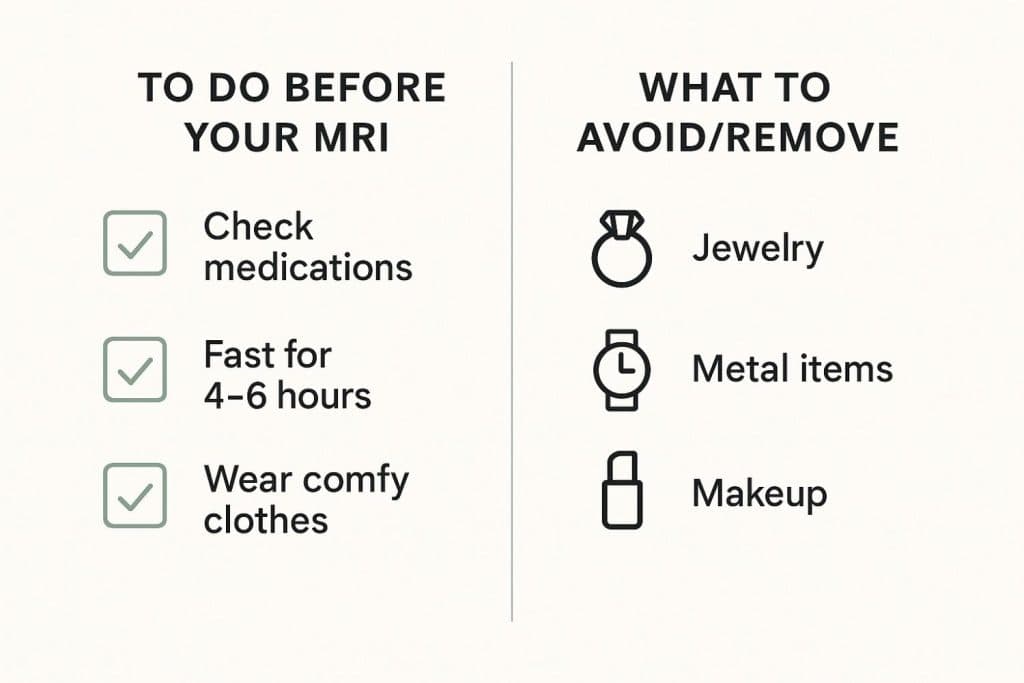
Fast for 4-6 hours prior to your appointment, allowing small sips of water with essential medications. Discuss blood thinners, diabetes medications, and any supplements with your provider. Avoid NSAIDs and certain medications that might interfere with contrast elimination.
What to Wear and Bring
Wear comfortable, metal-free clothing. Remove all jewelry, watches, and metallic items. Bring insurance documentation and photo identification.
The Day of Your Contrast MRI: What to Expect
Knowing what to expect MRI contrast on scan day helps immensely.
Arrival and Check-In Process
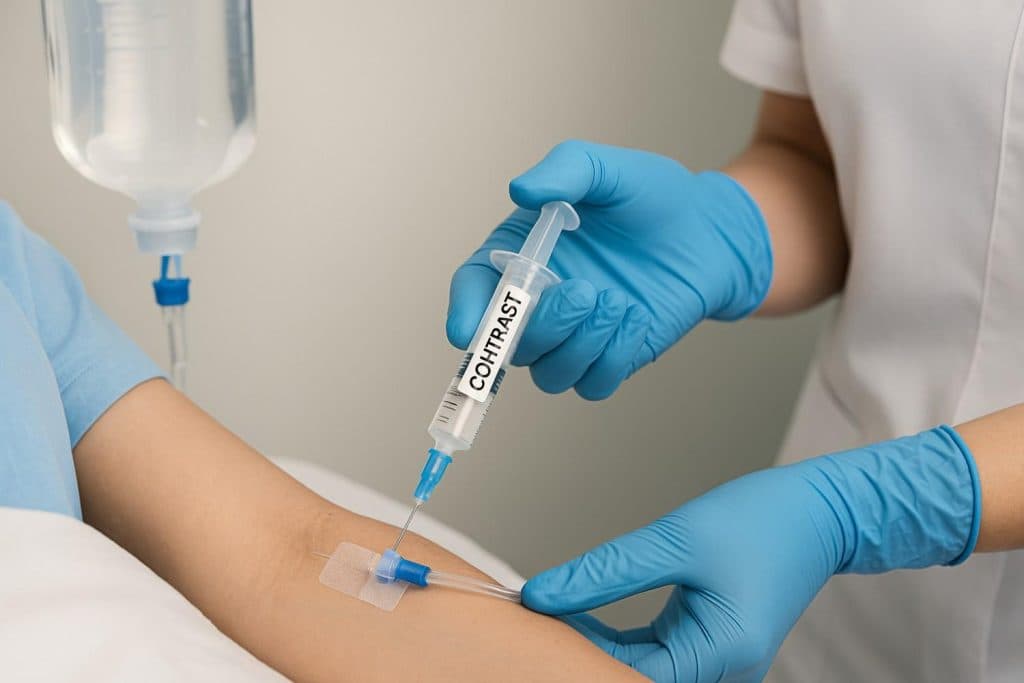
Arrive 30 minutes early for registration, final safety screening using standardized MRI questionnaires, and IV line placement for contrast administration. Verbal interviews supplement written questionnaires to ensure comprehensive safety screening.
The MRI Procedure Step by Step
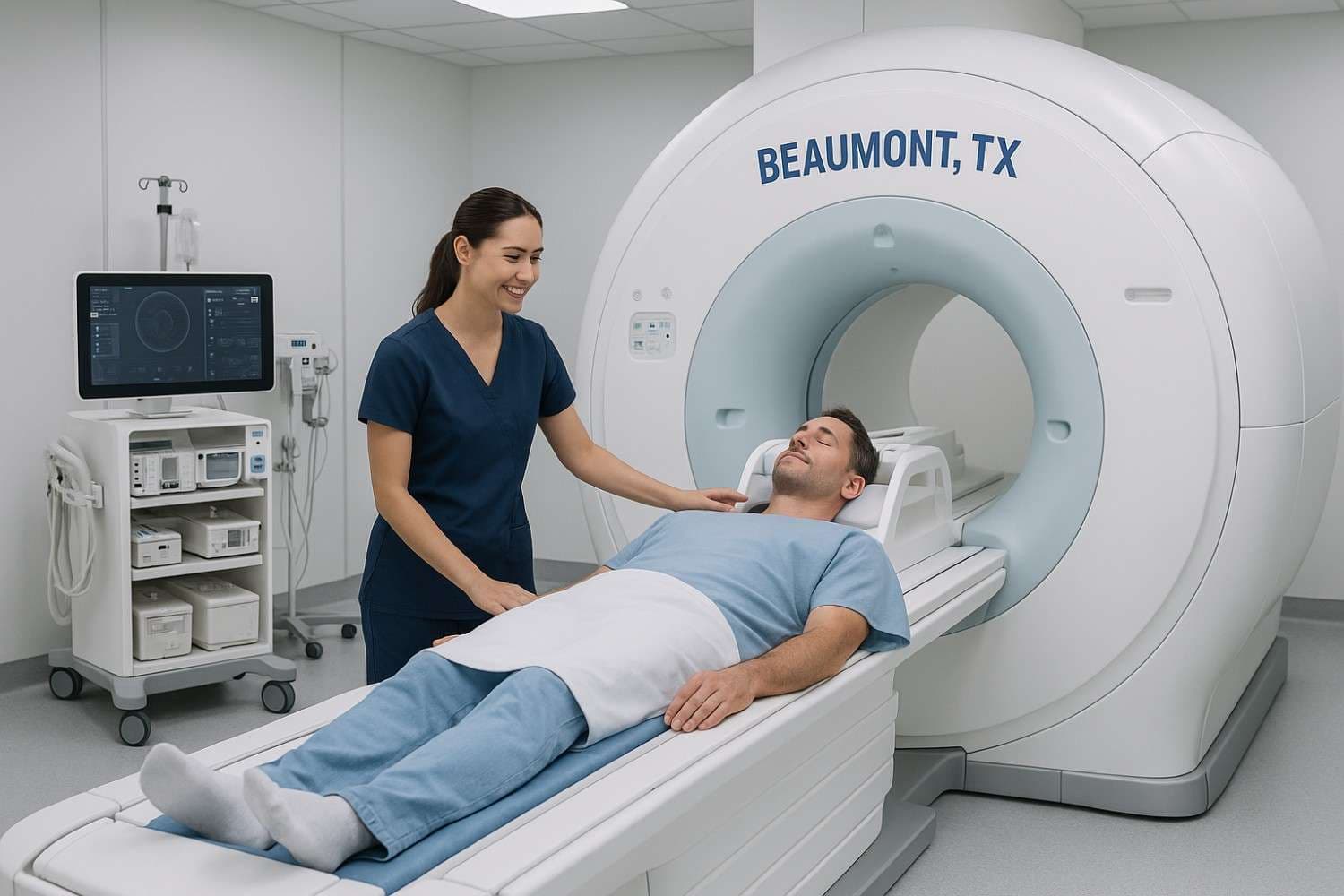
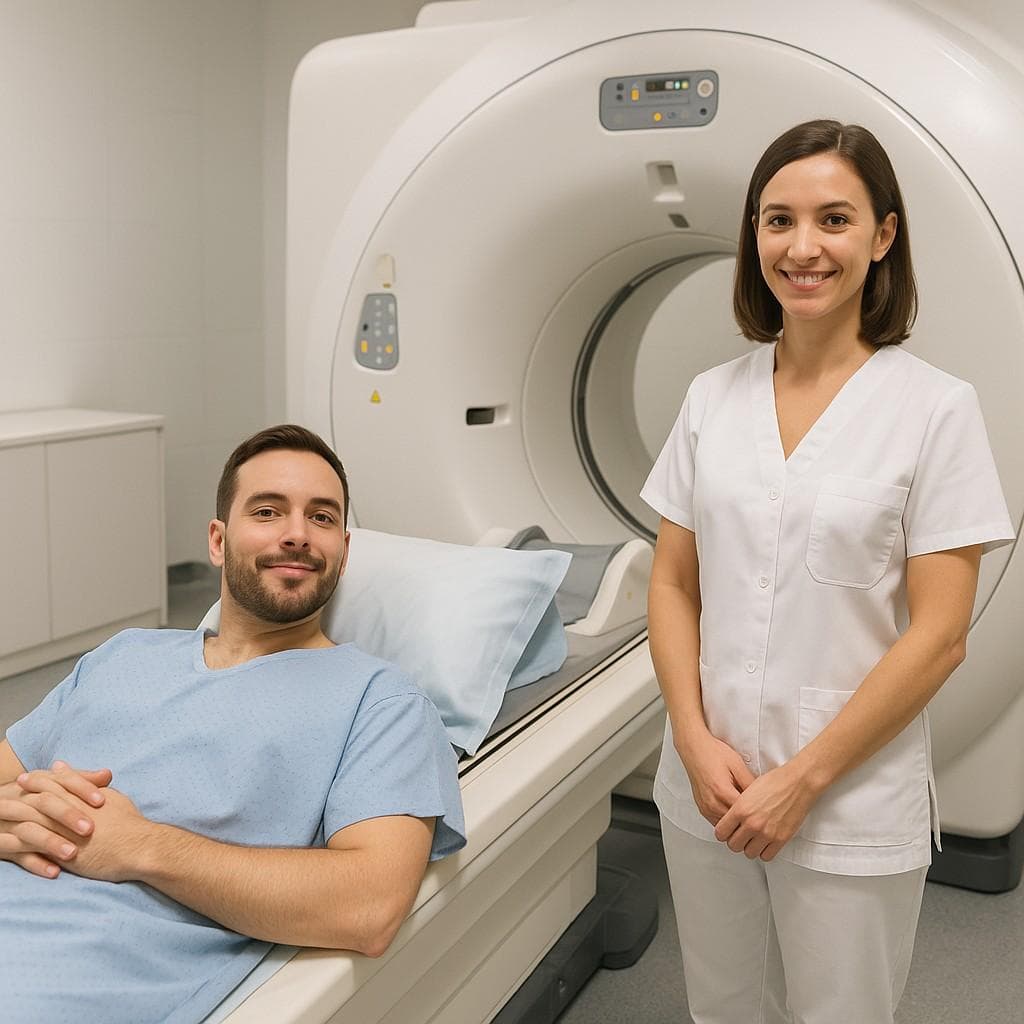
You’ll lie on a movable table that slides into the MRI scanner. Patients must be monitored visually and verbally throughout the procedure. Technologists provide headphones or earplugs for noise reduction and guide you through scan phases, including timing of contrast injection.
During the Scan: Staying Comfortable
Remaining motionless ensures optimal image quality. Practice relaxation breathing techniques and communicate with technologists via intercom. Alert staff beforehand about claustrophobia concerns for appropriate accommodations.
Understanding Contrast Administration
Let’s clarify your MRI with contrast explained details.
The Injection Process
Contrast flows through your established IV line. You may experience a cool sensation, metallic taste, or warm flush—these reactions are normal and brief. The injection typically occurs midway through the scanning sequence.
Normal Reactions vs. Concerning Symptoms
Acute adverse reactions occur in approximately 0.3% of patients, with most being mild skin reactions like hives or rash. Normal sensations include coolness or metallic taste. Severe anaphylactoid reactions occur in only 0.01% of cases. Immediately report difficulty breathing, severe nausea, chest tightness, or widespread rash.
Monitoring and Safety Protocols
Emergency protocols and medical support remain readily available throughout the procedure. Technologists maintain continuous patient monitoring with established response protocols for adverse events.
After Your MRI with Contrast
01
Immediate Post-Scan Care
Brief observation period follows contrast injection, with IV line removal once stable. You can typically resume normal activities immediately, though avoid strenuous exercise for the remainder of the day.
02
Hydration and Contrast Elimination
Increase fluid intake for 24-48 hours to facilitate kidney clearance of gadolinium. For most patients with normal kidney function, contrast is fully eliminated within 24 hours.
Results and Follow-Up
Results typically arrive within 1-2 business days and go directly to your referring physician, who discusses findings and treatment recommendations for your Beaumont healthcare journey.
Addressing Common Concerns About MRI Contrast
Let’s address frequent worries about what to expect MRI contrast procedures.
Safety and Side Effects
GBCAs demonstrate excellent safety profiles, with adverse reaction rates consistently under 1% in large retrospective analyses. Severe reactions requiring emergency treatment occur in fewer than 0.1% of administrations.
Kidney Function and Contrast
Standard kidney function testing ensures safe contrast elimination. Special protocols exist for patients with reduced renal function, including use of macrocyclic agents with lower NSF risk.
Pregnancy and Breastfeeding Considerations
Contrast is generally avoided during pregnancy unless essential for maternal health. For breastfeeding mothers, minimal contrast transfers into breast milk, but discuss concerns with your provider.
Special Considerations for Beaumont Patients
As you plan your MRI prep Beaumont, consider these local factors:
Insurance Coverage and Cost Considerations
Most insurance plans cover medically necessary contrast MRI, though prior authorization may be required. Verify coverage details and explore payment options with your Beaumont imaging center.
Scheduling and Accessibility
Beaumont imaging facilities offer flexible scheduling with accessibility accommodations. Contact our convenient Beaumont locations for scheduling and accessibility needs.
Maximizing Your MRI Results
Communication with Your Healthcare Team
Provide complete medical history, ask questions about the procedure, and discuss any concerns. Your cooperation—especially remaining still during scanning—directly improves image quality and diagnostic accuracy.
Conclusion
Preparing for MRI with contrast Beaumont TX involves straightforward steps that ensure safety and optimize diagnostic outcomes. With adverse reaction rates under 0.5% and excellent safety profiles for modern gadolinium agents, contrast-enhanced MRI provides invaluable diagnostic information for guiding appropriate treatment. Following preparation guidelines, maintaining open communication with your healthcare team, and understanding the procedure reduces anxiety and supports successful imaging experiences.
Schedule your contrast MRI consultation today and take the next step toward accurate diagnosis and effective treatment in Beaumont, TX.
Medically reviewed by
Verified
DS
Deepak Sharma
DC
Owner & Doctor of Chiropractic
Deepak Sharma, DC is a licensed Doctor of Chiropractic and the owner of Car Accident Cares in Beaumont, TX. He reviews the clinical content published across the site and works with a multidisciplinary network of MDs, chiropractors, imaging centers, and pain-management specialists focused on accurate diagnosis, evidence-based treatment, and complete recovery for motor-vehicle-accident victims across Beaumont and Houston.