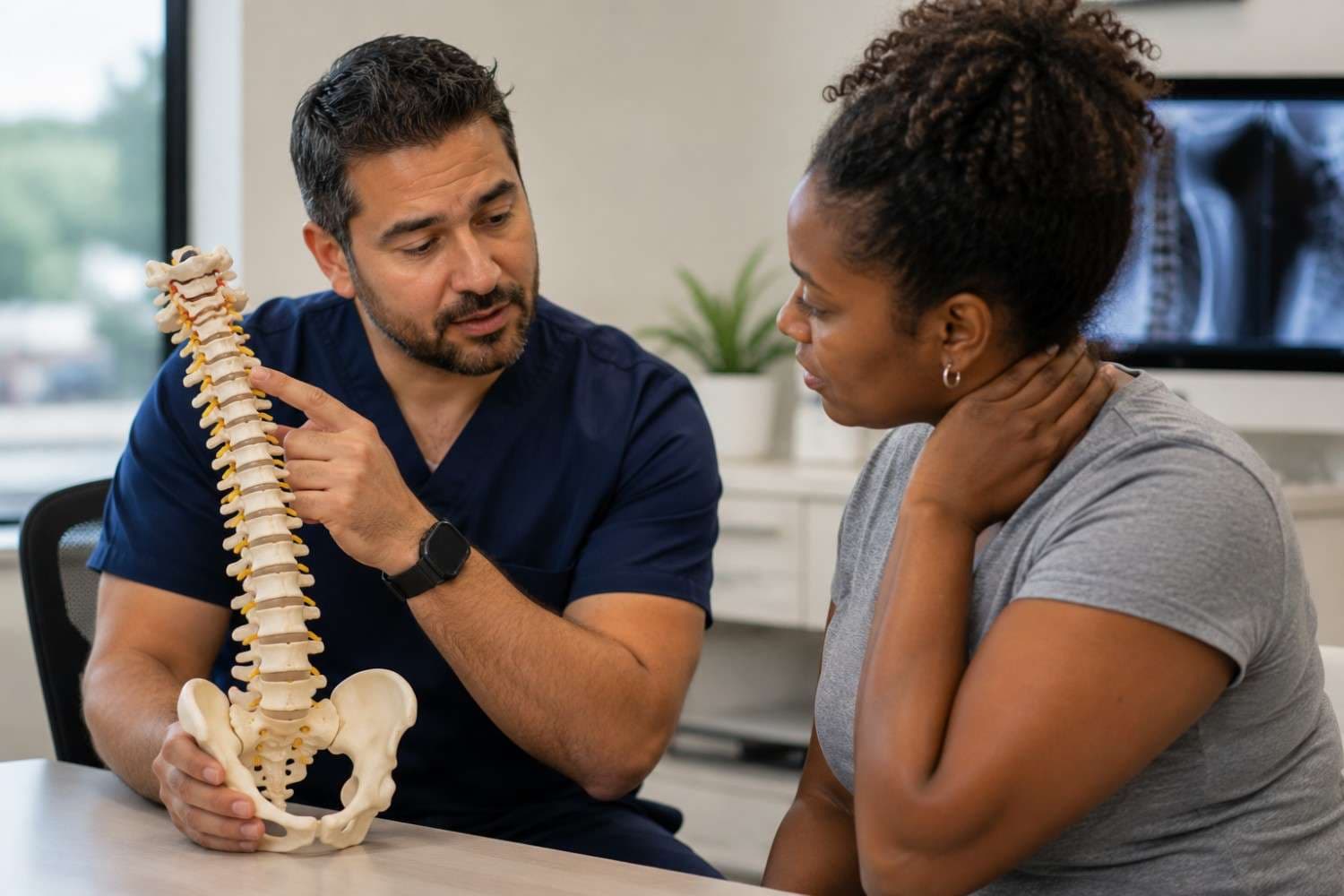
Pain Management Options for Car Accident Injuries in Beaumont
DS
By Deepak Sharma, DC
Medically reviewed
Owner & Doctor of Chiropractic · 4 min read · Published · Updated · Last reviewed
Introduction
For Beaumont residents, a car accident can trigger persistent pain in up to 40% of victims, leading to chronic conditions and reduced quality of life. Untreated post-collision pain often evolves into debilitating syndromes, with a longitudinal study reporting 44% of accident survivors experiencing pain three years later. Specialized pain management services in Beaumont are critical for mitigating acute discomfort, preventing long-term complications, and facilitating a full recovery through personalized, multidisciplinary care.

Immediate Post-Accident Pain Relief Strategies
Within the first 72 hours—when adrenaline may mask injury—it’s vital to initiate basic relief measures without obscuring symptoms that require professional evaluation. Self-care protocols include:
- Ice therapy to reduce swelling and inflammation.
- Bracing or soft collars for cervical support.
- Judicious use of over-the-counter NSAIDs to manage pain and swelling.
Prompt assessment via an MD consultation in Beaumont ensures early identification of hidden injuries and guides appropriate interventions.
Medication Management: Short-Term Solutions
During the acute phase, medications offer essential relief:
- NSAIDs reduce inflammation by 20–30% within 24–48 hours.
- Muscle relaxants alleviate spasms, improving comfort and mobility.
- Limited opioids, when absolutely necessary, are prescribed under strict supervision to minimize dependency.
Our protocols at the pain management clinic in Beaumont emphasize balanced pharmacotherapy as part of a broader recovery strategy.
Interventional Pain Management Techniques
When conservative treatments aren’t enough, pain clinic Beaumont accident victims often benefit from advanced interventional procedures. Beaumont clinics are at the forefront of providing these targeted, minimally invasive treatments designed to interrupt pain signals and reduce inflammation directly at the source.
Targeted Steroid Injections for Inflammation
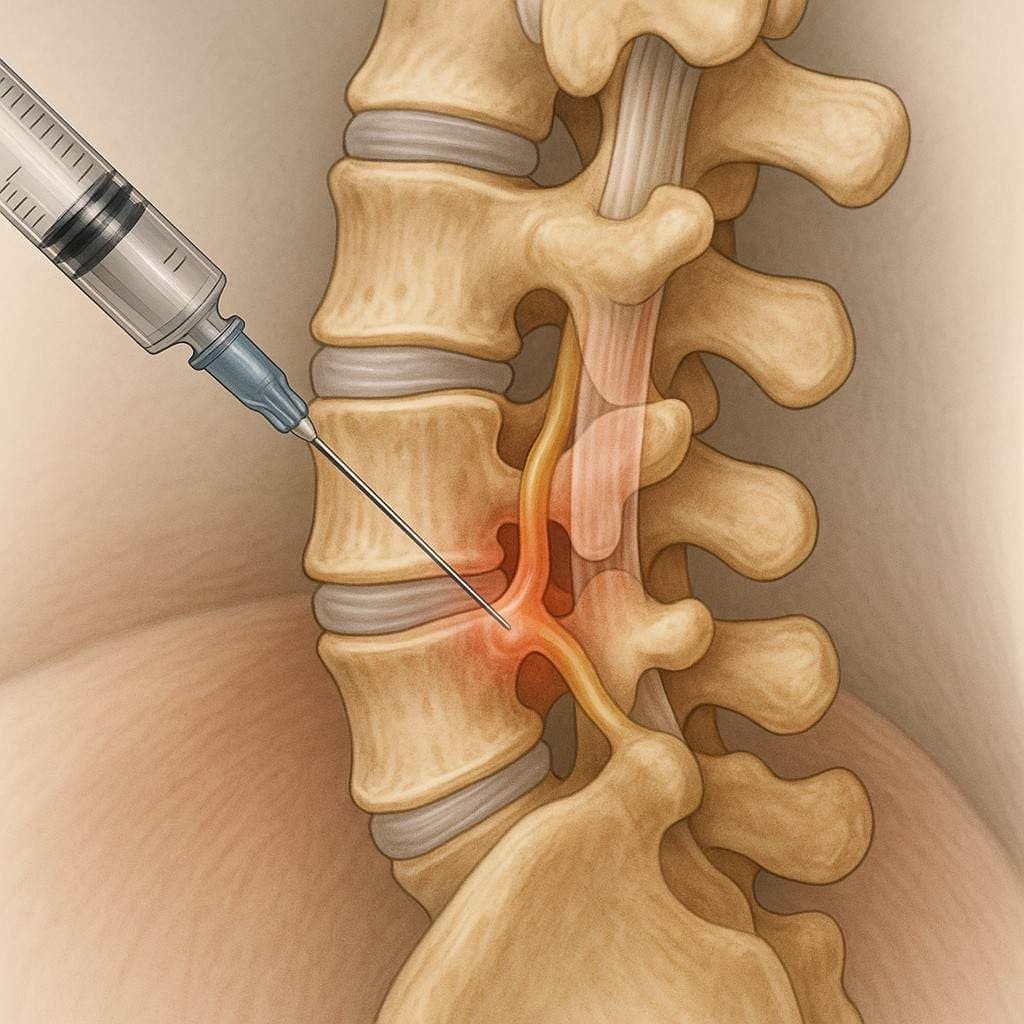
Epidural and facet‐joint steroid injections deliver corticosteroids directly to inflamed spinal nerves or joints under ultrasound or fluoroscopic guidance, achieving ≥50% pain reduction in 63% of herniation patients at one month and 74% at three months, with sustained relief in 64% at one year. Precise placement maximizes efficacy while reducing systemic exposure.
Nerve Block Therapy for Radiating Pain
Peripheral nerve blocks inject local anesthetic—and sometimes steroids—adjacent to pain-transmitting nerves. In trauma settings, 80% of patients report significant pain reduction within five minutes, with analgesia lasting six to 12 hours, decreasing opioid requirements. Blocks serve both diagnostic and therapeutic roles, precisely locating pathology and providing rapid relief.
Rehabilitation-Based Pain Relief
Effective pain management car accident Beaumont strategies always integrate active rehabilitation. While passive treatments like heat/cold therapy can offer temporary comfort, active approaches are crucial for restoring function and preventing chronic pain after crash.
Chiropractic Spinal Decompression
Non-surgical spinal decompression gently stretches the spine to alleviate pressure on herniated or bulging discs, enhancing nutrient flow and promoting natural healing. Treatment plans typically involve multiple sessions over several weeks.
Therapeutic Exercise Protocols
Customized exercise regimens—such as core stabilization drills, proprioceptive balance training, and targeted stretching—rebuild strength, improve flexibility, and prevent re-injury. Protocols are adapted for Beaumont’s climate to maximize patient adherence and comfort.

Advanced Chronic Pain Solutions
For persistent pain beyond six months, advanced modalities offer longer-term relief.
Radiofrequency Ablation for Lasting Relief
Radiofrequency ablation (RFA) uses targeted heat to deactivate pain-conducting nerve fibers. Studies show RFA provides significant pain relief for nine to 12 months—often longer—before nerve regeneration occurs. A temporary trial confirms candidacy before permanent treatment.
Spinal Cord Stimulation Trials
Spinal cord stimulators (SCS) deliver mild electrical pulses to the spinal cord, altering pain perception. Long-term success rates range from 47% to 74% of patients achieving ≥50% pain reduction, with 72.4% of trial leads converting to permanent implants in real-world cohorts. SCS is reserved for refractory cases unresponsive to other therapies.
Personalized Pain Management Plans
At our Beaumont clinic, each pain management car accident Beaumont plan begins with a multidisciplinary assessment—including imaging if needed, thorough physical examination, and detailed review of accident specifics. Our integrated team collaborates to tailor interventions that address your unique pain sources, rehabilitation goals, and lifestyle needs.
Why Beaumont Pain Specialists Make the Difference
Unlike emergency rooms that offer only temporary relief, our dedicated Beaumont pain clinic provides:
- Same-day procedures for urgent needs
- Expert insurance navigation to streamline coverage
- Coordinated care with auto injury specialists, orthopedic surgeons, and rehabilitation providers
- A root-cause approach focused on lasting recovery
Conclusion
Effective pain management after a car accident in Beaumont is not optional—it’s essential. With nearly half of severe trauma patients developing chronic pain, early and comprehensive interventions dramatically improve outcomes. Whether you require targeted injections, rehabilitation, RFA, or SCS trials, Car Accident Cares offers the most advanced, patient-centered pain solutions in Beaumont.
Don’t let accident pain dictate your life. Discover Beaumont’s leading pain management options today: schedule your assessment at our Beaumont location or contact us for immediate assistance.
Medically reviewed by
Verified
DS
Deepak Sharma
DC
Owner & Doctor of Chiropractic
Deepak Sharma, DC is a licensed Doctor of Chiropractic and the owner of Car Accident Cares in Beaumont, TX. He reviews the clinical content published across the site and works with a multidisciplinary network of MDs, chiropractors, imaging centers, and pain-management specialists focused on accurate diagnosis, evidence-based treatment, and complete recovery for motor-vehicle-accident victims across Beaumont and Houston.