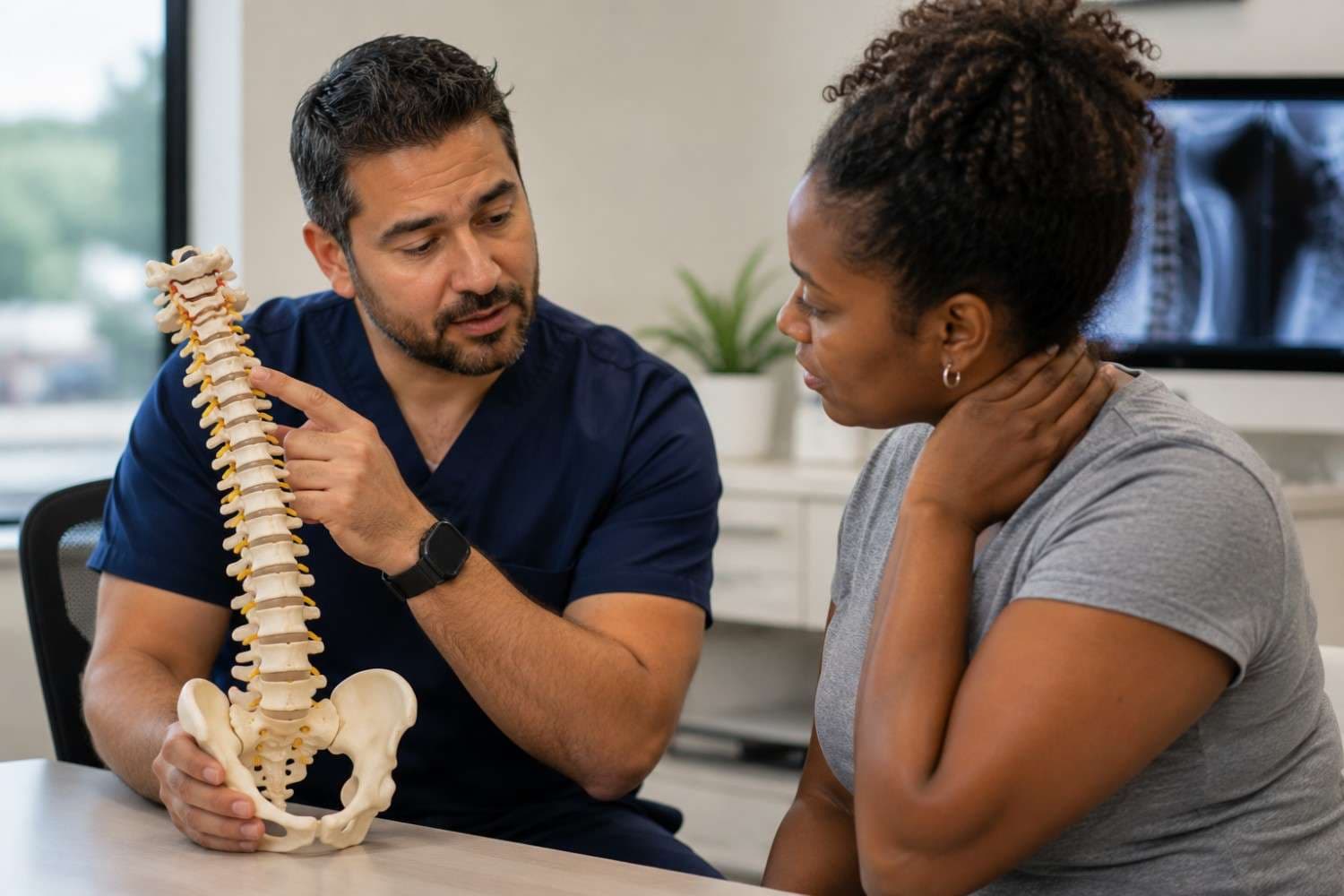
Optimizing Accident Recovery: The Role of Chiropractic Care and Integrative Therapies for Effective Healing
DS
By Deepak Sharma, DC
Medically reviewed
Owner & Doctor of Chiropractic · 10 min read · Published · Updated · Last reviewed

Key Takeaways
Introduction
Post-accident recovery often requires a multifaceted approach to ensure the best possible outcome. Whether you’ve been involved in a car accident, a slip and fall, or any other type of accident, addressing your injuries from multiple angles can accelerate healing and improve overall well-being. Chiropractic care plays a significant role in this process, particularly when integrated with other therapies. This article explores how chiropractic care can be combined with various treatments to optimize post-accident recovery.
Understanding Chiropractic Care
01
Definition and Principles of Chiropractic Care
Chiropractic care is a holistic approach focused on diagnosing and treating mechanical disorders of the musculoskeletal system, particularly the spine. Chiropractors use hands-on techniques, including spinal adjustments, to help align the spine and improve function. The underlying principle is that proper spinal alignment promotes the body’s natural healing processes and overall wellness.
02
Role of Chiropractic Care in Post-Accident Recovery
Chiropractic care is pivotal in post-accident recovery due to its ability to address misalignments and restore proper function. Following an accident, such as a car accident, the body can suffer from significant strain and misalignment, leading to pain and restricted movement. Chiropractors work to correct these issues, which can alleviate discomfort and promote healing.
03
Benefits of Chiropractic Care for Accident Injuries
The benefits of chiropractic care in treating accident injuries include:
- Pain Relief: Effective in reducing pain through spinal adjustments and other techniques.
- Improved Mobility: Helps restore normal movement and functionality.
- Reduced Inflammation: Chiropractic adjustments can help decrease inflammation and improve circulation.
The Role of Chiropractic Care in Accident Recovery
01
How Chiropractic Adjustments Aid in Pain Relief
Chiropractic adjustments are a core component of chiropractic care and play a crucial role in pain management. By realigning the spine and other joints, chiropractors can reduce nerve interference and improve overall function. This adjustment helps relieve pressure on nerves, thereby reducing pain and improving comfort.
02
Chiropractic Treatment for Car Accident Injuries
Chiropractic treatment is particularly effective for car accident injuries. These injuries often involve whiplash, spinal misalignments, and soft tissue damage. Chiropractors use a combination of adjustments, massage, and rehabilitative exercises to address these issues, promoting quicker and more effective recovery.
03
Chiropractic Care Offers for Different Types of Accidents
Chiropractic care offers tailored approaches depending on the type of accident, such as:
- Auto Accidents: Focuses on spinal and soft tissue injuries common in car accidents.
- Motorcycle Accidents: Addresses injuries from high-impact collisions and falls.
- Pedestrian Accidents: Provides care for impact injuries and alignment issues.
Integrating Chiropractic Care with Other Therapies
Integrating Chiropractic with Physical Therapy
Combining chiropractic care with physical therapy offers a comprehensive approach to accident recovery. Physical therapy focuses on strengthening and rehabilitating muscles, while chiropractic care addresses spinal alignment and joint issues.
Benefits of Combining Chiropractic Care and Physical Therapy
- Enhanced Recovery: Combining therapies can lead to a more balanced and thorough recovery.
- Holistic Treatment: Addresses both structural and muscular issues.
- Personalized Approach: Tailors treatment to individual needs and progress.
Case Study: Successful Integration for Accident Recovery
A notable case involved a patient recovering from a car accident. Integration of chiropractic care and physical therapy helped improve mobility and reduce pain more effectively than either treatment alone. The combined approach addressed both spinal misalignments and muscle rehabilitation, leading to a faster and more complete recovery.
Soft Tissue Therapies and Their Synergy with Chiropractic Care
Soft tissue therapies complement chiropractic care by focusing on the muscles, tendons, and ligaments affected by accidents. These therapies can help alleviate tension, reduce inflammation, and improve overall function.
Importance of Addressing Soft Tissue Injuries
Soft tissue injuries, such as sprains and strains, often accompany accident injuries. Addressing these injuries through soft tissue therapies can enhance recovery and prevent long-term issues.
Examples of Soft Tissue Therapies Used in Conjunction with Chiropractic
- Massage Therapy: Relieves muscle tension and improves circulation.
- Myofascial Release: Targets and releases tight areas in the connective tissue.
- Stretching and Strengthening Exercises: Improves flexibility and supports muscle recovery.
Pain Management Strategies Incorporating Chiropractic Care
Pain management is a critical aspect of post-accident recovery. Incorporating chiropractic care into a pain management strategy can help address pain more effectively.
Pain Relief Techniques and Their Effectiveness
- Chiropractic Adjustments: Reduce pain by aligning the spine and relieving nerve pressure.
- Modalities: Heat and cold therapy, as well as ultrasound, can complement chiropractic adjustments.
- Rehabilitative Exercises: Strengthen muscles and support ongoing recovery.
Personalizing Pain Management Plans
A personalized pain management plan includes:
- Assessment: Evaluating the extent of injuries and pain.
- Tailored Treatments: Choosing appropriate chiropractic techniques and complementary therapies.
- Ongoing Adjustments: Modifying the plan based on progress and feedback.
Developing a Comprehensive Treatment Plan
Early Intervention and Its Impact on Recovery
Early intervention is critical in post-accident recovery. Addressing injuries as soon as possible can prevent complications and accelerate healing. Chiropractic care can be most effective when started early, helping to realign the spine and manage pain before it becomes chronic.
Benefits of Early Intervention:
Prevents Chronic Pain: Early treatment reduces the risk of developing long-term pain.Accelerates Healing: Addresses injuries promptly to facilitate faster recovery.Improves Outcomes: Increases the likelihood of a complete and successful recovery. - Personalized Care Plans: Tailoring Chiropractic and Other Therapies
Creating a personalized care plan is essential for effective recovery. This plan should integrate chiropractic care with other therapies based on the individual’s specific needs and condition.
Components of a Personalized Care Plan:
Assessment: Comprehensive evaluation of injuries and overall health.Treatment Integration: Combining chiropractic adjustments with physical therapy, soft tissue therapies, and pain management strategies.Monitoring Progress: Regularly reviewing and adjusting the plan based on recovery and response to treatment. - Building a Recovery Plan that Includes Chiropractic and Other Modalities
A well-structured recovery plan should incorporate multiple therapies to address various aspects of healing. This includes:
Chiropractic Care: Focuses on spinal alignment and pain relief.Physical Therapy: Strengthens muscles and improves mobility.Soft Tissue Therapies: Addresses muscle and connective tissue injuries.Pain Management: Utilizes strategies to manage and reduce pain. - Recovery Plan Elements:
Monitoring and Adjusting the Care Plan as Recovery Progresses
Regular assessment and adjustment of the care plan are crucial to ensure it remains effective throughout the recovery process. This involves:
Regular Check-Ups: Frequent evaluations to monitor progress.Adjustments to Treatment: Modifying therapies based on results and feedback.Feedback and Communication: Keeping open communication with the healthcare team to address any issues or concerns.- Chiropractic Techniques for Effective Healing
Overview of Common Chiropractic Techniques
Chiropractic techniques vary based on the specific needs of the patient. Common techniques include:
Spinal Adjustments: Realign the spine to improve function and alleviate pain.Mobilization: Gently moves joints to restore range of motion.Soft Tissue Work: Targets muscles and connective tissues to relieve tension and pain. - Chiropractic Adjustments for Auto Accident Injuries
Chiropractic adjustments are particularly effective for auto accident injuries, such as whiplash and misalignments caused by collisions. These adjustments help reduce pain, improve mobility, and support overall recovery.
Techniques for Managing Chronic Pain
Chronic pain can be debilitating and may require ongoing management. Techniques for managing chronic pain include:
Specific Adjustments: Target areas of persistent pain.Therapeutic Exercises: Strengthen and support affected areas.Lifestyle Adjustments: Recommendations for activities and habits that support pain management. - Power of Chiropractic Care in Reducing Inflammation and Promoting Natural Healing
Chiropractic care can significantly contribute to reducing inflammation and promoting natural healing. Adjustments and therapies help improve circulation, decrease swelling, and enhance the body’s ability to repair itself.
How Chiropractic Care Promotes Healing:
Improves Blood Flow: Enhances nutrient and oxygen delivery to injured areas.Reduces Swelling: Alleviates inflammation through improved alignment and function.Supports Natural Healing: Encourages the body’s innate ability to heal. - The Importance of Chiropractic Care in Post-Accident Recovery
Importance of Chiropractic Care in Enhancing Mobility and Functionality
Chiropractic care plays a vital role in enhancing mobility and functionality after an accident. By addressing spinal misalignments and improving joint function, chiropractic care helps restore normal movement and physical activity.
Benefits for Mobility and Functionality:
Restores Movement: Improves range of motion and flexibility.Enhances Function: Supports daily activities and physical performance.Prevents Long-Term Issues: Reduces the risk of lasting mobility problems. - Recovery After a Car Accident: How Chiropractic Care Can Facilitate Faster Healing
Recovery after a car accident can be challenging, but chiropractic care can facilitate faster healing by addressing misalignments, reducing pain, and supporting overall recovery. This approach helps the body recover more efficiently and effectively.
Post-Accident Recovery and Long-Term Wellness Through Chiropractic
Post-accident recovery often extends beyond immediate injury care. Long-term wellness through chiropractic care involves:
Continued Maintenance: Regular check-ups to maintain alignment and prevent issues.Preventive Care: Strategies to avoid future injuries and support overall health.Holistic Health: Embracing a comprehensive approach to well-being. - When to Seek Chiropractic Care
Signs That Indicate the Need for Chiropractic Care Post-Accident
Recognizing when to seek chiropractic care is crucial for effective recovery. Signs include:
Persistent Pain: Ongoing discomfort despite other treatments.Limited Mobility: Difficulty moving or performing daily activities.Misalignment Symptoms: Symptoms such as back pain or joint stiffness. - Immediate Pain and How Chiropractic Care Can Address It
Immediate pain following an accident can often be managed effectively with chiropractic care. Early intervention helps alleviate pain and prevent further complications.
How to Choose the Right Chiropractor for Your Needs
Selecting the right chiropractor involves:
Qualifications and Experience: Ensure they are licensed and experienced in treating accident-related injuries.Treatment Approach: Choose a chiropractor whose approach aligns with your recovery goals.Patient Reviews: Look for positive feedback and success stories from previous patients. - Case Studies and Real-Life Examples
Success Stories of Post-Accident Recovery with Chiropractic Care
Several individuals have experienced significant improvements through post-accident recovery with chiropractic care. These success stories highlight the effectiveness of integrating chiropractic with other therapies for a holistic recovery.
Examples of Integrated Chiropractic Care and Other Treatments
Case examples include:
Auto Accident Recovery: A patient combining chiropractic care with physical therapy to overcome chronic pain and regain mobility.Soft Tissue Injury Management: Using chiropractic care alongside soft tissue therapies to address and rehabilitate severe sprains and strains.
Summary
Chiropractic care plays a pivotal role in post-accident recovery, offering numerous benefits from pain relief to improved mobility. Integrating chiropractic with other therapies, such as physical therapy and soft tissue treatments, enhances overall recovery and promotes long-term wellness. By adopting a personalized and comprehensive approach, individuals can achieve optimal healing and return to their daily lives more quickly and effectively.
Chiropractic care plays a pivotal role in post-accident recovery, offering numerous benefits from pain relief to improved mobility. Integrating chiropractic with other therapies, such as physical therapy and soft tissue treatments, enhances overall recovery and promotes long-term wellness. By adopting a personalized and comprehensive approach, individuals can achieve optimal healing and return to their daily lives more quickly and effectively.
FAQs
What is Chiropractic Care and How Does It Help with Car Accident Injuries?
Chiropractic care involves spinal adjustments and other techniques to address misalignments and support overall healing. It helps manage car accident injuries by reducing pain, improving mobility, and restoring function.
What is Chiropractic Care and How Does It Help with Car Accident Injuries?
Chiropractic care involves spinal adjustments and other techniques to address misalignments and support overall healing. It helps manage car accident injuries by reducing pain, improving mobility, and restoring function.
How Can Chiropractic Treatment Aid in Post-Accident Recovery?
Chiropractic treatment aids in post-accident recovery by realigning the spine, alleviating pain, and enhancing overall function. It supports the body’s natural healing processes and reduces recovery time.
Chiropractic treatment aids in post-accident recovery by realigning the spine, alleviating pain, and enhancing overall function. It supports the body’s natural healing processes and reduces recovery time.
What Are the Benefits of Chiropractic Care Compared to Other Treatments?
Benefits of chiropractic care include targeted pain relief, improved mobility, and reduced inflammation. Compared to other treatments, chiropractic care offers a non-invasive approach that addresses underlying issues rather than just symptoms.
Benefits of chiropractic care include targeted pain relief, improved mobility, and reduced inflammation. Compared to other treatments, chiropractic care offers a non-invasive approach that addresses underlying issues rather than just symptoms.
How Does Early Intervention with Chiropractic Care Improve Accident Recovery?
Early intervention with chiropractic care can prevent chronic pain, accelerate healing, and improve overall recovery outcomes. Addressing injuries promptly reduces the risk of long-term complications and supports quicker recovery.
Early intervention with chiropractic care can prevent chronic pain, accelerate healing, and improve overall recovery outcomes. Addressing injuries promptly reduces the risk of long-term complications and supports quicker recovery.
Can Chiropractic Care Be Combined with Pain Management Strategies?
Yes, chiropractic care can be combined with pain management strategies to provide a comprehensive approach to managing and alleviating pain. This combination may include adjustments, therapeutic exercises, and other modalities to address pain effectively.
Yes, chiropractic care can be combined with pain management strategies to provide a comprehensive approach to managing and alleviating pain. This combination may include adjustments, therapeutic exercises, and other modalities to address pain effectively.
For personalized care and more information, contact us or visit Car Accident Cares to explore how we can assist you in your recovery journey.
Medically reviewed by
Verified
DS
Deepak Sharma
DC
Owner & Doctor of Chiropractic
Deepak Sharma, DC is a licensed Doctor of Chiropractic and the owner of Car Accident Cares in Beaumont, TX. He reviews the clinical content published across the site and works with a multidisciplinary network of MDs, chiropractors, imaging centers, and pain-management specialists focused on accurate diagnosis, evidence-based treatment, and complete recovery for motor-vehicle-accident victims across Beaumont and Houston.