Neck Stiffness After a Car Accident: Causes and Relief
DS
By Deepak Sharma, DC
Medically reviewed
Owner & Doctor of Chiropractic · 6 min read · Published · Updated · Last reviewed
Introduction
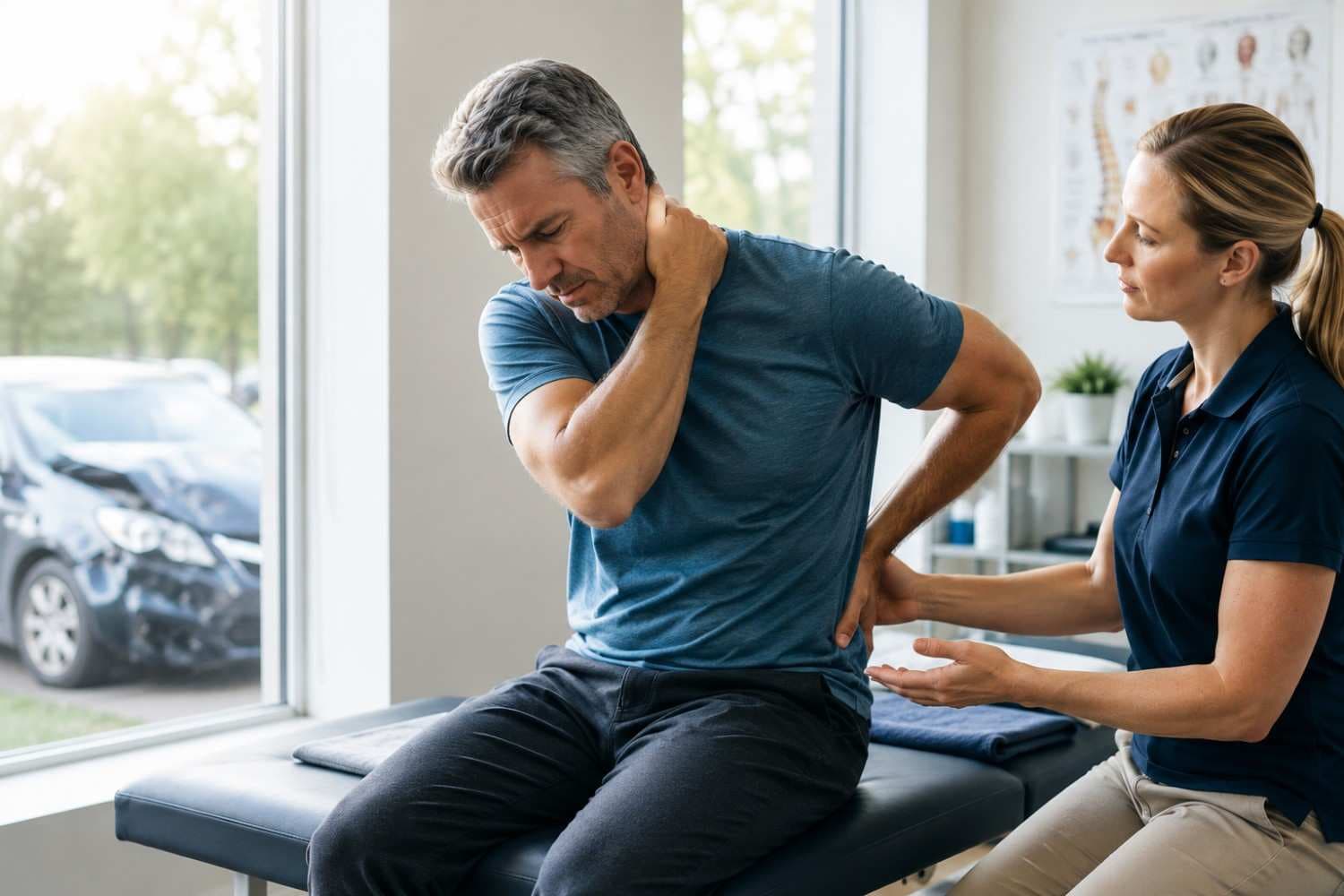
If you’ve recently been in a car crash in the Beaumont, TX, area, you know that the moments after are often a blur—but the pain that follows is hard to ignore. One of the most common and debilitating complaints is a stiff, aching neck. It’s more than just a minor inconvenience; neck stiffness can restrict your movement, interfere with sleep, and turn simple daily tasks into painful struggles.
This stiffness is frequently a delayed reaction, often setting in hours or even days after the collision, especially in common scenarios like a rear-end impact. Addressing this issue early is critical to preventing acute stiffness from turning into a chronic, long-term problem. If you’re dealing with neck stiffness after car accident Beaumont TX, you need prompt, specialized care to restore your comfort and mobility.
What Is Neck Stiffness After a Car Accident?
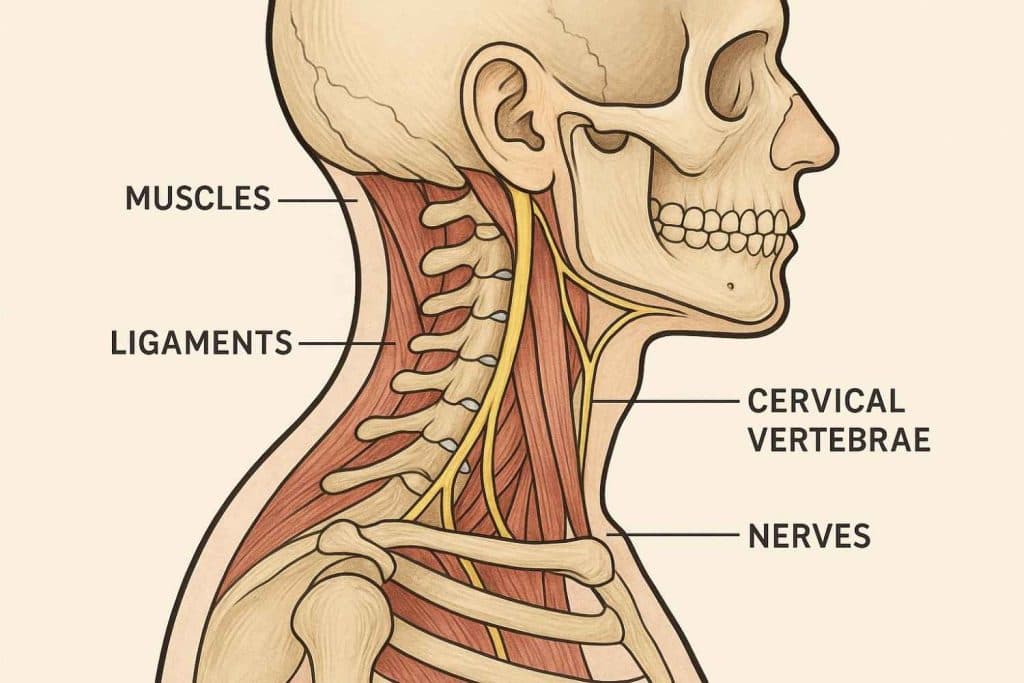
Neck stiffness after a car accident is more than just a minor inconvenience. It’s the body’s protective response to trauma, often caused by the sudden, violent forces of a collision. In a crash, your head is often thrown forward and backward with extreme speed, stretching and straining the delicate muscles, ligaments, and tendons that support your head. This can lead to a feeling of tightness or a limited range of motion. Unlike a simple sore neck from sleeping in an awkward position, post-accident stiffness can be a sign of a more serious underlying injury. The symptoms typically don’t appear immediately; they often develop over 24 to 72 hours as inflammation sets in.
Common Causes of Post-Accident Neck Stiffness
Understanding the causes of neck stiffness accident victims experience is the first step toward effective treatment. Here are the primary culprits behind that painful, restricted feeling.
Whiplash
Whiplash is perhaps the most well-known cause of neck stiffness after a car accident, especially from rear-end collisions. It occurs when the force of the impact causes your head to “whip” forward and then backward, often beyond its normal range of motion. This rapid movement injures the soft tissues in your neck, including muscles and ligaments. While it can feel like a simple muscle strain, it’s actually a more complex injury that needs careful diagnosis and treatment.
Muscle Strain and Spasm
Immediate trauma from the crash can lead to overextension of the neck muscles. In response to this trauma, the muscles often seize up or go into spasm—a sustained, involuntary contraction. This protective tightening is a primary causes of neck stiffness accident victims report. Spasms severely limit range of motion and are responsible for that rigid, “can’t turn my head” feeling.
Facet Joint Injuries
The facet joints are small, bony connections at the back of your spine that allow for smooth movement. A car accident can put immense pressure on these joints, leading to irritation or injury of the joint capsule. When this happens, it can cause localized pain and stiffness in the neck.
Signs and Symptoms to Watch For
While neck stiffness is the primary symptom, it’s often accompanied by other signs. Keep an eye out for these red flags, as they may indicate a serious injury:
- Reduced range of motion: Difficulty turning your head from side to side or looking up and down.
- Headaches: Often starting at the base of the skull and radiating toward the front of the head.
- Tenderness or pain to the touch: The muscles feel sore and sensitive when pressed.
- Dizziness or fatigue.
The severity of these symptoms can vary widely, and they may not all appear at once. Ignoring them can lead to the condition becoming chronic. It’s crucial to seek professional help from an auto injury specialist who can properly evaluate your condition.
How We Diagnose Neck Stiffness
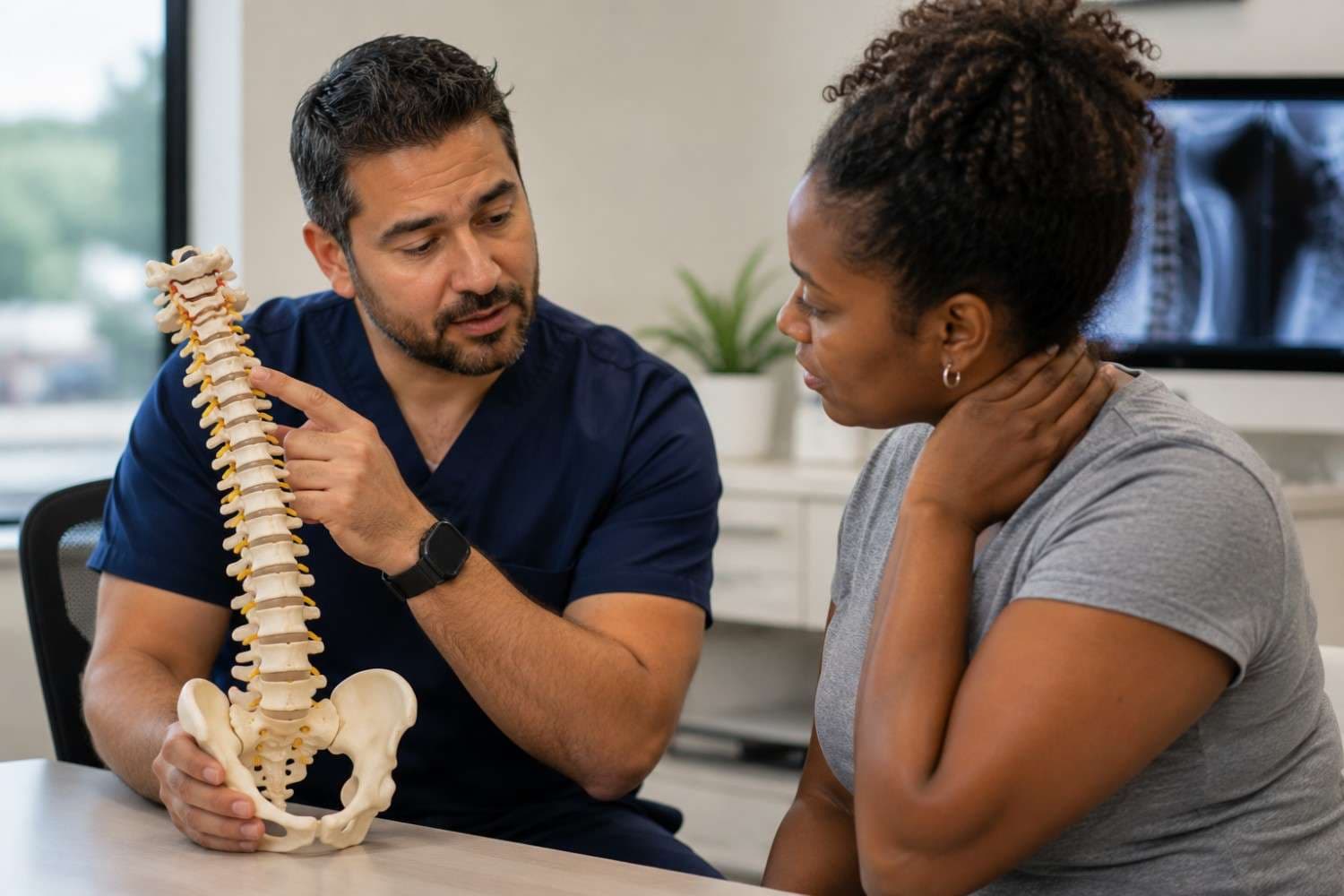
At Car Accident Cares, our approach begins with a thorough diagnosis to understand the full extent of your injuries. Our initial consultation involves a physical exam, where we’ll assess your range of motion, pinpoint areas of tenderness, and evaluate your muscle strength. We’ll also ask detailed questions about the accident and your symptoms. In some cases, we may recommend diagnostic imaging, such as X-rays or an MRI, to get a clear picture of any underlying issues with your bones, discs, or soft tissues. This precise approach allows us to create a targeted treatment plan for your neck stiffness after car accident Beaumont TX.
Treatment Options for Neck Stiffness
We offer a comprehensive, multi-faceted approach to relieving your neck stiffness and restoring your mobility. Our integrated services are designed to address the root causes of your pain, not just the symptoms.
Chiropractic Adjustments
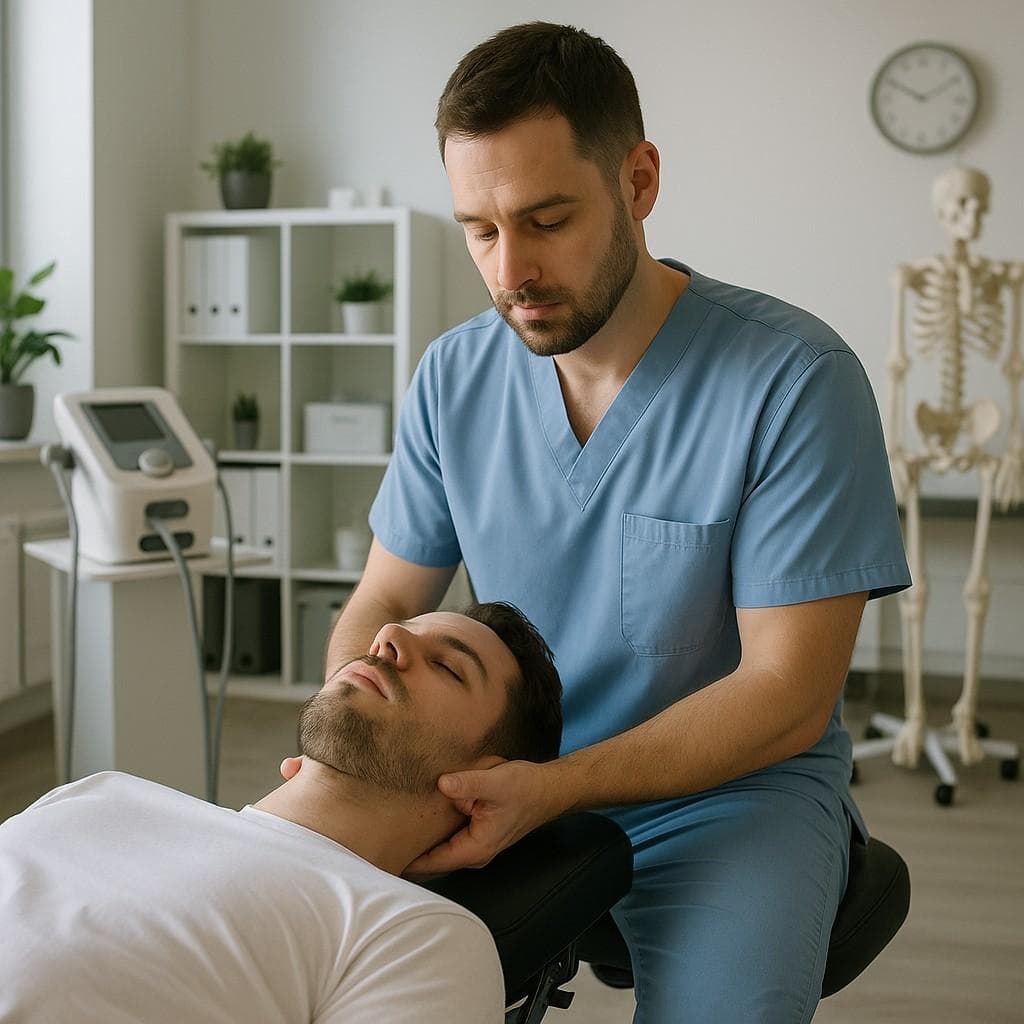
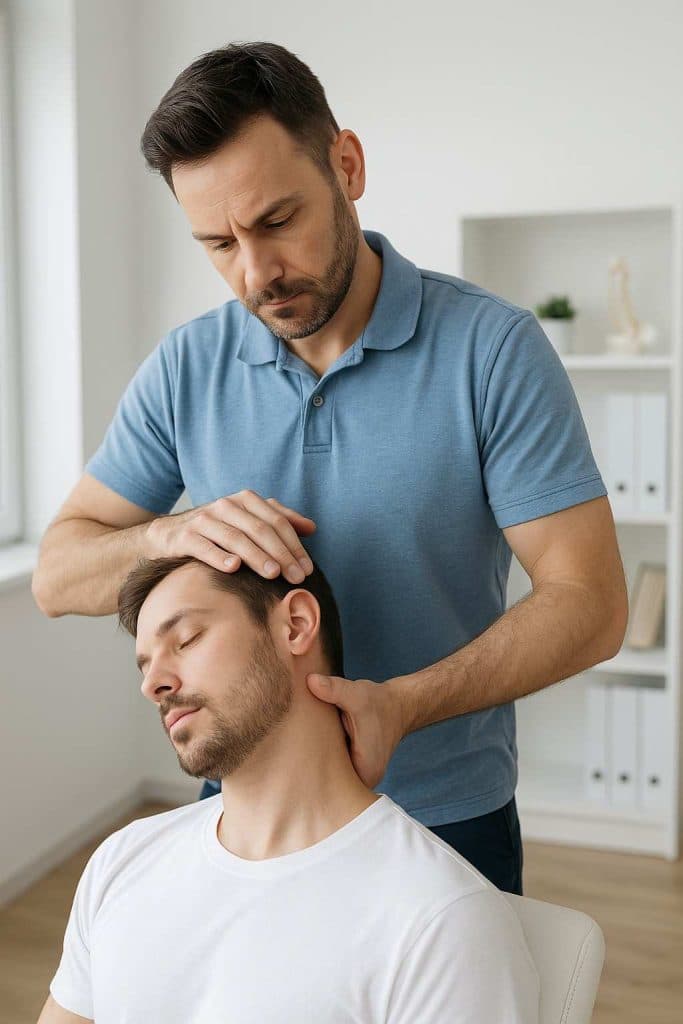
Gentle and precise chiropractic adjustments are a cornerstone of our treatment. By applying controlled force to a misaligned vertebra, a chiropractor can help restore proper alignment to the spine and improve joint function. This can alleviate pressure on nerves, reduce muscle spasms, and significantly increase your range of motion.
Pain Management Techniques
To manage acute pain and inflammation, we may use various pain management techniques. These can include:
- Heat and cold therapy: Applying ice to reduce initial swelling and inflammation, then using heat to relax tight muscles.
- Electrical stimulation: Using a mild electrical current to block pain signals and reduce muscle spasms.
- Soft-tissue therapy: Techniques like massage to release tension in the muscles and connective tissues.
See our Pain Management Services.
Physical Therapy Exercises
Once acute pain is managed, physical therapy is essential for long-term recovery. Our therapists design a personalized regimen of stretches and strengthening exercises specifically for your neck muscles. These exercises are crucial for:
- Restoring Flexibility: Gentle stretches help lengthen tight, stiff muscles.
- Building Stability: Strengthening exercises improve the neck’s ability to support the head, preventing future strain.
Recovery Timeline and Self-Care Tips
Recovery from a whiplash injury or muscle strain can vary from person to person, but most people see significant improvement within a few weeks to a few months. Following your treatment plan is essential for a speedy and complete recovery.
Here are a few self-care tips you can incorporate into your daily routine:
- Maintain good posture: Avoid slouching, especially while using a computer or phone.
- Use ice and heat: Apply ice packs for the first 24-48 hours to reduce inflammation, then switch to heat to relax muscles.
- Gentle stretching: Perform slow, gentle range-of-motion exercises as advised by your therapist.
Remember, every step you take in your recovery journey is important. For more Visit Car Accident Care.
Preventing Chronic Neck Issues
The most critical factor in preventing your stiff neck after crash Beaumont from becoming a debilitating, chronic condition is early intervention. Waiting to seek care allows scar tissue to form and muscles to adapt to an injured position, making treatment much more challenging later on. Adhering to your full treatment plan—including adjustments and home exercises—is your best defense against long-term disability and pain. For further resources on managing and preventing persistent neck issues, please visit our Neck Pain Treatment.
Conclusion
If you are suffering from neck stiffness after car accident Beaumont TX, you don’t have to face the pain and restricted mobility alone. The stiffness is a clear sign of an injury like whiplash or severe muscle strain that requires professional attention.
Our team, utilizing a collaborative approach combining chiropractic, pain management, and physical therapy, is dedicated to accurately diagnosing the root cause of your pain and offering targeted treatments to restore your mobility and comfort.
Medically reviewed by
Verified
DS
Deepak Sharma
DC
Owner & Doctor of Chiropractic
Deepak Sharma, DC is a licensed Doctor of Chiropractic and the owner of Car Accident Cares in Beaumont, TX. He reviews the clinical content published across the site and works with a multidisciplinary network of MDs, chiropractors, imaging centers, and pain-management specialists focused on accurate diagnosis, evidence-based treatment, and complete recovery for motor-vehicle-accident victims across Beaumont and Houston.