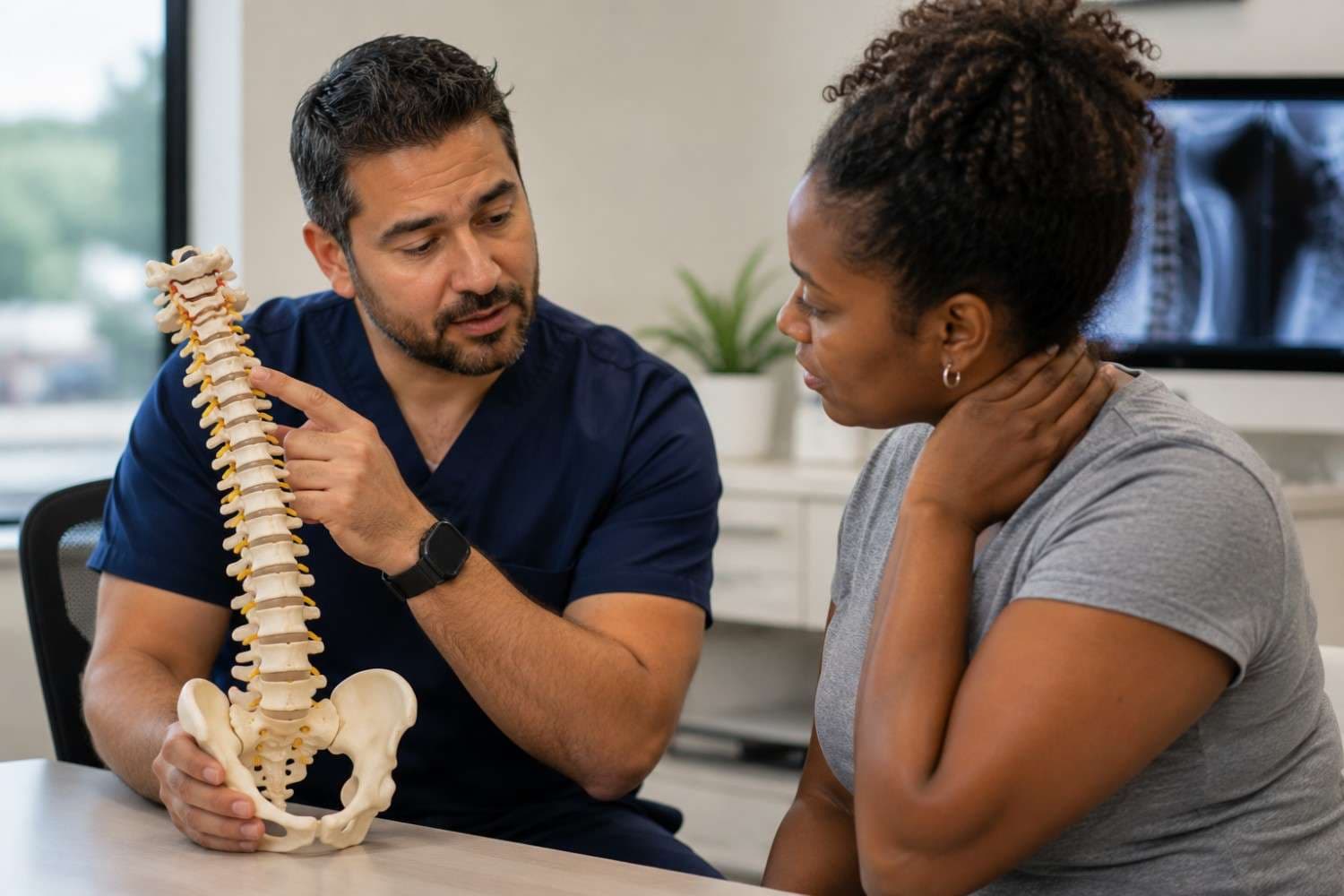
Managing Sciatica Pain Through Chiropractic Adjustments in Beaumont, TX
DS
By Deepak Sharma, DC
Medically reviewed
Owner & Doctor of Chiropractic · 7 min read · Published · Updated · Last reviewed

Sciatica affects approximately 40% of people during their lifetime, with herniated discs causing 90% of cases. Chiropractic sciatica relief Beaumont TX adjustments demonstrate a 72% success rate in treating sciatica-related symptoms, compared to just 20% success with physical therapy and 50% with corticosteroid injections. Early intervention within 72 hours and proper treatment selection can prevent acute pain from becoming chronic and disabling.
Introduction
sudden, shooting pain radiating from your lower back down your leg affects approximately 40% of Americans at some point in their lives. For Beaumont, TX residents—where the median age is 35.1 years and falls squarely within the prime sciatica demographic of 30-50 years—this debilitating nerve compression can result from car accidents on busy I-10, prolonged sitting at desk jobs, or simple activities like lifting heavy objects.
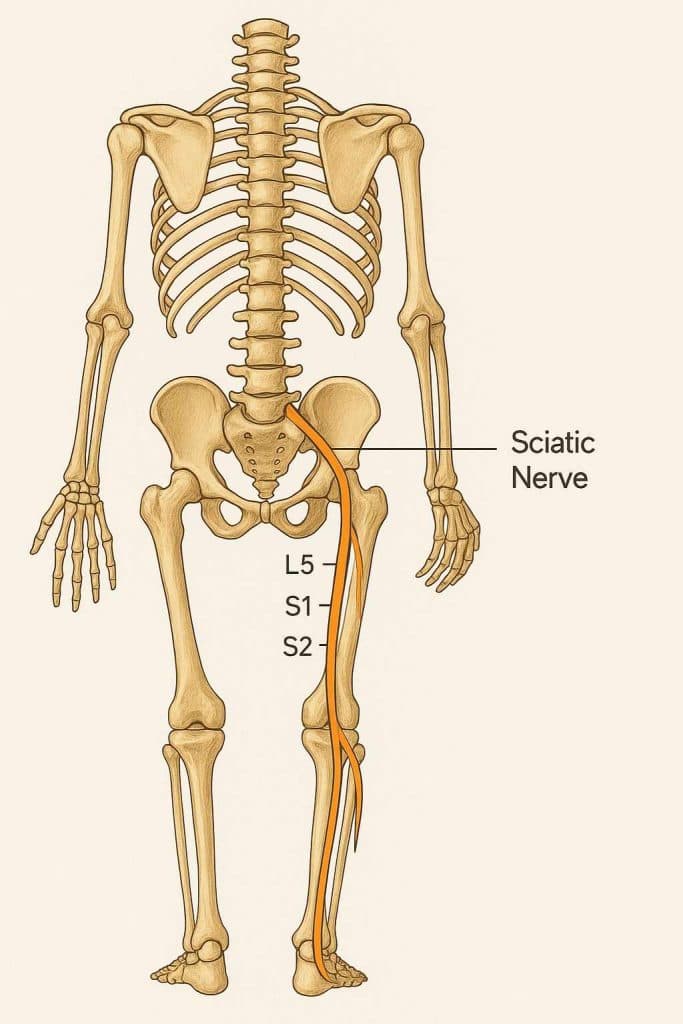
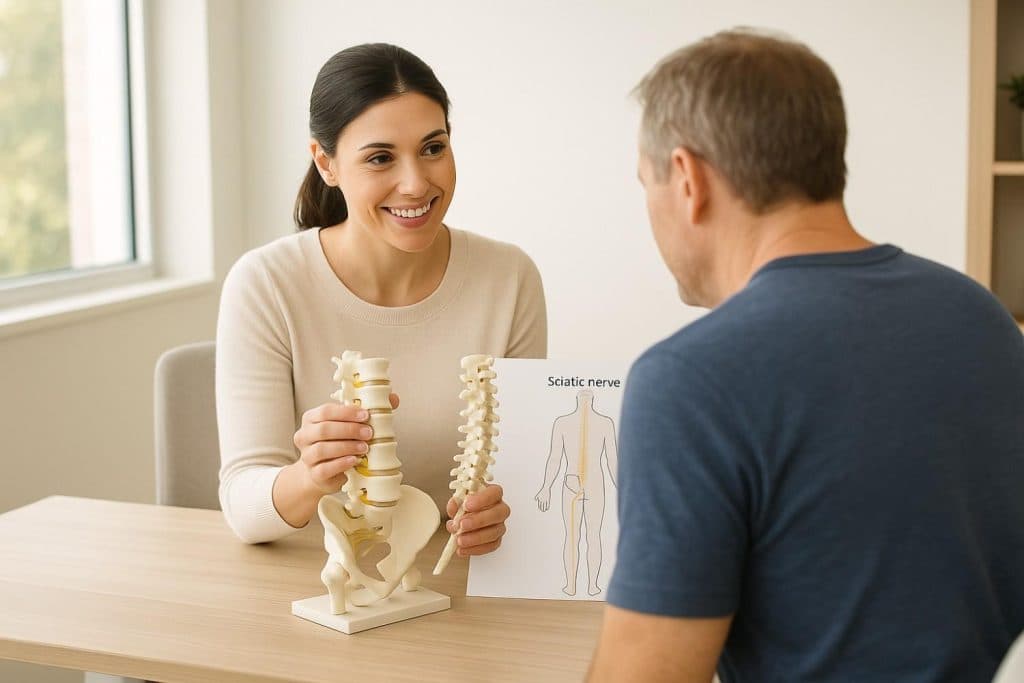
Sciatica isn’t a condition itself but rather a symptom of underlying nerve compression affecting the sciatic nerve—the longest and thickest nerve in your body, originating from spinal nerve roots L4-S3. Research shows that 90% of sciatica cases stem from herniated discs directly compressing these nerve roots, while piriformis syndrome accounts for 6-17% of cases. Understanding the root cause is essential for effective treatment, as specialized spinal health care can provide lasting relief by addressing the underlying problem rather than merely masking symptoms.

Understanding Sciatica: Causes and Symptoms
The sciatic nerve branches from your lower back through your hips and buttocks, extending down each leg. When compressed or irritated, it produces the characteristic shooting pain, numbness, tingling, or weakness that defines sciatica. The most common culprits include:
Herniated or Slipped Discs
Accounting for 60-90% of sciatica cases, herniated discs in the lumbar spine (L4-S3 nerve roots) directly compress sciatic nerve components. When the soft, gel-like center of a spinal disc pushes through its outer casing, it creates both direct compression and chemical inflammation from acidic disc material that irritates surrounding nerve tissue.
Spinal Stenosis
This narrowing of the spinal canal puts pressure on nerve roots as they exit the spine. Age-related changes like arthritis, bone spurs, and ligament thickening gradually constrict the available space, particularly affecting adults over 50.
Piriformis Syndrome
The piriformis muscle, located deep in the buttocks, can spasm or tighten around the sciatic nerve. Studies show this accounts for 6.25% of all low back/buttock pain cases with sciatica, with a 6:1 female-to-male ratio.
Trauma and Car Accidents
Direct injury to the spine or pelvis from falls, sports injuries, or motor vehicle accidents can damage nerve roots or create inflammation around the sciatic nerve. Given Beaumont’s position along major traffic corridors, accident-related sciatica requires specialized evaluation and treatment.
Sciatica manifests as mild aches to excruciating pain that makes walking or standing difficult. Symptoms often include numbness, tingling, or weakness in the affected leg or foot. Proper disc-related nerve compression evaluation is crucial to differentiate between acute (sudden, short-term) and chronic (long-lasting) presentations.
How Chiropractic Adjustments Relieve Sciatic Pressure
Chiropractic care offers a highly effective, non-surgical approach to managing sciatica by addressing underlying spinal misalignments and nerve compression. Research demonstrates that chiropractic adjustments achieve a 72% success rate in treating sciatica symptoms—significantly higher than physical therapy’s 20% success rate or corticosteroid injections’ 50% effectiveness.
Restoring Spinal Alignment
Chiropractors identify and correct spinal subluxations—subtle vertebral misalignments that interfere with nerve function. When vertebrae in the lumbar spine or pelvis shift even slightly, they can compress delicate L4-S3 nerve roots forming the sciatic nerve. Through precise, gentle spinal adjustments, proper alignment is restored, alleviating pressure on irritated nerve roots and allowing normal nerve signal transmission.
Reducing Inflammatory Response
Nerve compression triggers localized inflammation that exacerbates pain and impedes healing. Chiropractic adjustments influence the body’s inflammatory response by improving cerebrospinal fluid flow and reducing pro-inflammatory cytokine production around irritated nerves. This creates a less inflammatory environment that directly reduces pain while supporting natural healing mechanisms.
Improving Mobility Patterns
Sciatica often causes compensatory movement patterns that provide temporary relief but lead to muscle imbalances, altered gait, and additional spinal stress. Chiropractors perform detailed gait analysis and posture assessments to identify these problematic habits. Through targeted adjustments combined with specific exercises and stretches, they help retrain the body to move efficiently, reducing stress on the sciatic nerve and promoting comprehensive lower back stability.
Specialized Chiropractic Techniques for Sciatica Management
Our Beaumont clinic utilizes evidence-based chiropractic techniques specifically designed for effective sciatica relief:
Diversified Technique
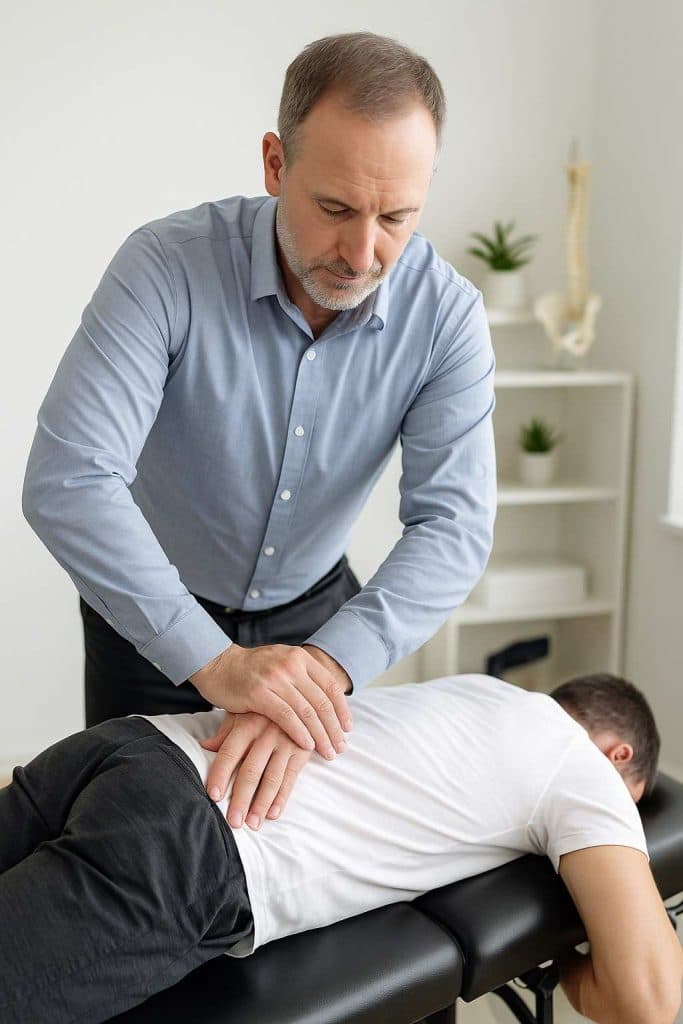
This widely-used, hands-on approach involves specific, high-velocity, low-amplitude thrusts to restore proper joint motion and reduce nerve interference. It effectively corrects spinal subluxations contributing to sciatic nerve compression.
Flexion-Distraction Therapy
A gentle, non-forceful decompression procedure using specialized tables creates gentle stretching and pumping motions on the spine. This technique reduces pressure within spinal discs, draws bulging or herniated discs back into place, and increases space for sciatic nerve roots. Research shows it can reduce intradiscal pressures to as low as negative 192 millimeters and increase foraminal area by up to 28%.
Instrument-Assisted Adjustments
For patients with acute pain or those preferring gentler approaches, instruments like the Activator deliver precise, low-force impulses without manual thrusts. This makes treatment suitable for sensitive cases while maintaining effectiveness.
Soft Tissue Therapy
Muscle tightness, particularly in the piriformis muscle, often contributes to sciatic nerve compression. Integrated techniques including myofascial release, trigger point therapy, and therapeutic massage release muscle tension, improve flexibility, and reduce nerve pressure. These therapies complement spinal adjustments for comprehensive, personalized sciatica care.
Why Choose Chiropractic Over Other Treatments?
When comparing treatment options, chiropractic care stands out for addressing root causes rather than masking symptoms:
- Medications: While pain relievers and anti-inflammatories offer temporary relief, they don’t correct underlying spinal issues and carry potential side effects with prolonged use.
- Surgery: Reserved for severe cases, surgical intervention carries inherent risks, significant costs, and lengthy recovery periods. Conservative chiropractic care helps many patients avoid surgery entirely.
- Bed Rest: Once commonly recommended, prolonged bed rest is now discouraged as it weakens muscles and increases stiffness, actually prolonging recovery.
Chiropractic care provides a non-invasive, drug-free approach targeting long-term solutions. Studies consistently show high success rates, with some Norwegian research indicating a 95% return-to-work rate following chiropractic treatment, with recovery time reduced by two-thirds compared to conventional medical treatment. This proactive healing approach offers a safe alternative to emergency interventions when appropriate.
When to Seek Chiropractic Care for Sciatica
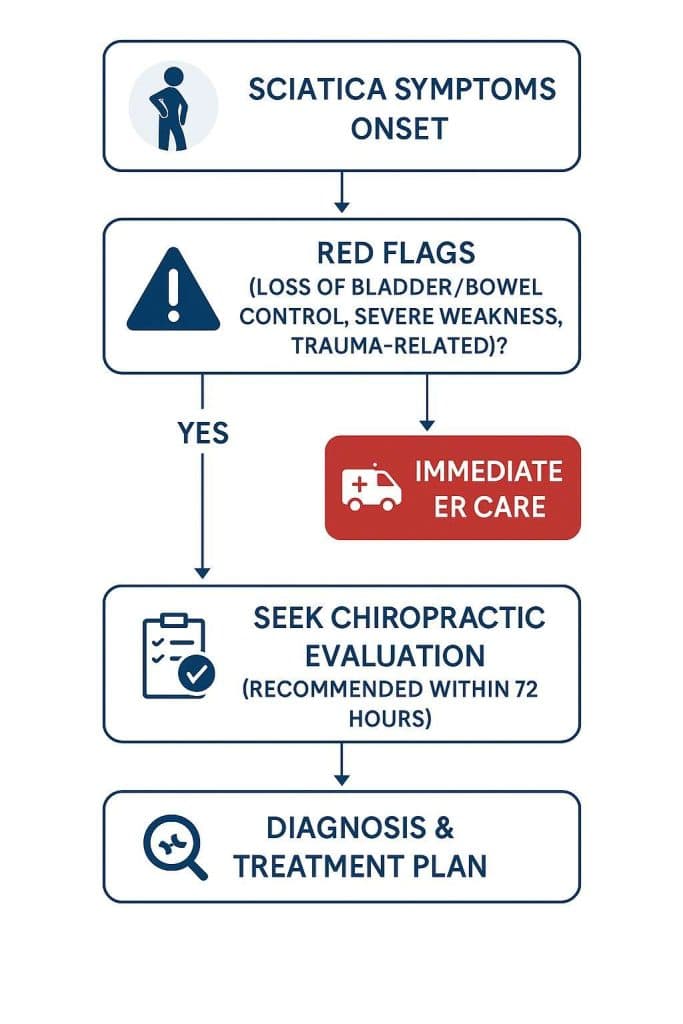
Early intervention significantly improves outcomes. We recommend professional evaluation within 72 hours of symptom onset, especially for severe or persistent pain. However, recognize “red flag” symptoms requiring immediate emergency medical attention23:
- Sudden, severe weakness or numbness in the leg
- Loss of bladder or bowel control (indicating possible cauda equina syndrome)
- Sciatica developing after violent injury, such as car accidents
- “Saddle anesthesia”—numbness around the anus, genitals, and inner thighs
For all other sciatica presentations, Beaumont residents can experience effective pain relief through chiropractic care. Our clinic offers same-day appointments for urgent needs. Early evaluation prevents acute pain from becoming chronic and disabling.
Conclusion
Sciatica pain affects millions, with 70-80% of cases resolving within six weeks without surgery. However, 20% develop chronic symptoms lasting over three months, emphasizing the importance of proper early intervention. While medications provide temporary symptom relief, chiropractic care addresses the root cause of compressed or irritated sciatic nerves through spinal realignment and comprehensive treatment approaches.
Our Beaumont clinic combines advanced techniques with experienced comprehensive nerve care specialists dedicated to helping you overcome sciatica. We encourage proactive care, as early intervention significantly improves outcomes and prevents acute pain from developing into chronic, disabling conditions.
Don’t let sciatica control your life. Take the first step toward a pain-free future by contacting us today or visiting our website to schedule your consultation. We offer a comprehensive range of advanced techniques for effective sciatic nerve treatment that Beaumont residents can trust.
Medically reviewed by
Verified
DS
Deepak Sharma
DC
Owner & Doctor of Chiropractic
Deepak Sharma, DC is a licensed Doctor of Chiropractic and the owner of Car Accident Cares in Beaumont, TX. He reviews the clinical content published across the site and works with a multidisciplinary network of MDs, chiropractors, imaging centers, and pain-management specialists focused on accurate diagnosis, evidence-based treatment, and complete recovery for motor-vehicle-accident victims across Beaumont and Houston.