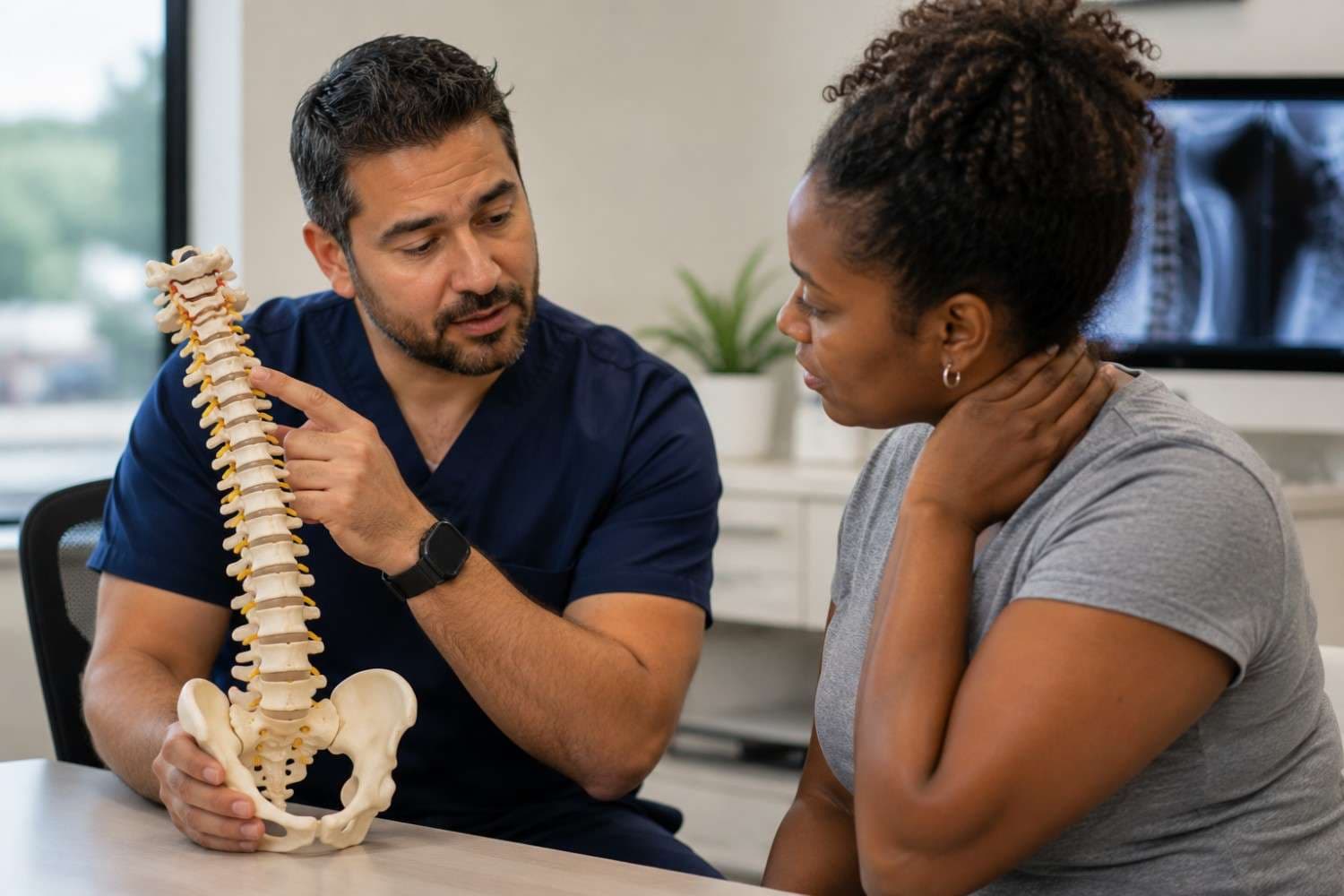
Living with Chronic Back Pain: How Pain Management Can Help
DS
By Deepak Sharma, DC
Medically reviewed
Owner & Doctor of Chiropractic · 5 min read · Published · Updated · Last reviewed

Introduction
Chronic back pain affects nearly 28% of Beaumont adults, defined as discomfort persisting three months or longer, and transforms everyday tasks into daunting challenges. Unlike acute pain—which typically resolves as tissues heal—chronic pain involves complex interactions among musculoskeletal pathology, nervous system sensitization, and psychological factors. Left unaddressed, it restricts mobility, impairs sleep, and erodes quality of life. If you’re searching for chronic back pain treatment Beaumont TX, this comprehensive guide explains a multi-disciplinary pain management framework proven to deliver lasting relief. As a leading Beaumont back pain clinic, our specialists combine interventional procedures, rehabilitative therapies, and integrative approaches to restore function and help you reclaim your life.

Understanding Chronic Back Pain Pathologies
Chronic back pain seldom stems from a single cause. Instead, it arises from a multifactorial interplay of:
- Occupational Hazards
– Beaumont’s oil-and-gas, petrochemical, and manufacturing sectors expose workers to heavy lifting, repetitive motions, and sustained awkward postures. A 2022 Beaumont occupational health study reported a 37% rate of back injuries among industrial employees. - Degenerative Disc Disease (DDD)
– Age-related dehydration and wear of intervertebral discs lead to reduced shock absorption, disc bulges, and nerve impingement. - Post-Accident Adhesions
– Scar tissue and myofascial adhesions from past traumas restrict mobility and generate persistent nociceptive signals. - Spinal Stenosis
– Narrowing of the spinal canal increases pressure on nerves, causing radiating pain, numbness, or weakness. - Arthritis
– Osteoarthritis and inflammatory arthritides degrade facet joints and vertebral end plates, fueling chronic inflammation and pain.
The Vicious Cycle of Chronic Pain
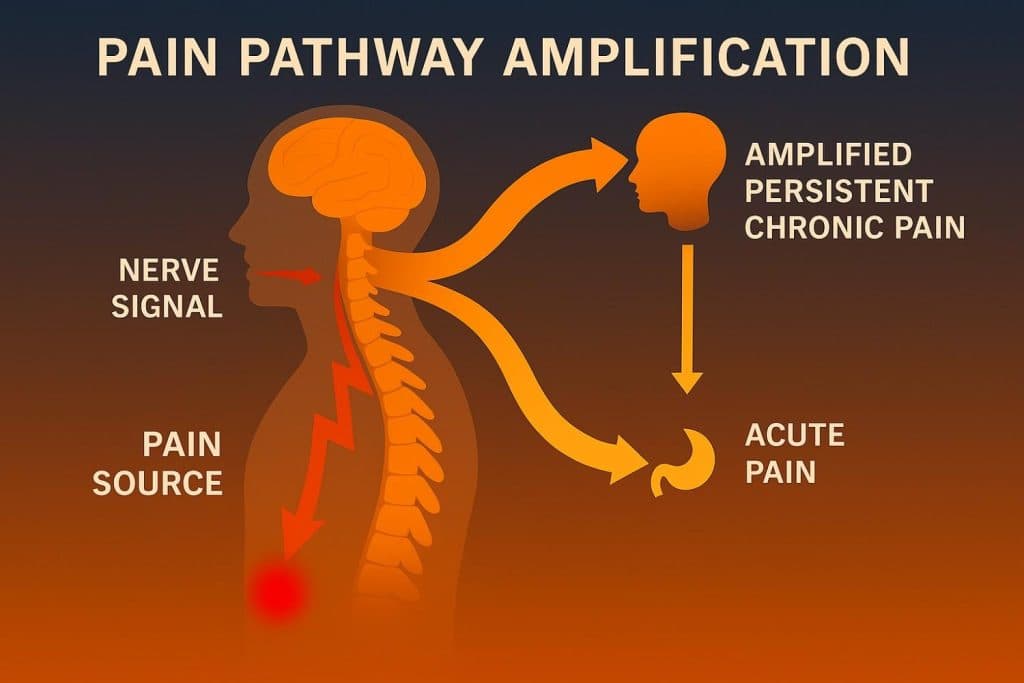
Persistent pain alters neural pathways through central sensitization, where the dorsal horn of the spinal cord amplifies sensory input. Over time, minor stimuli trigger significant pain, driving fear-avoidance behaviors that reduce activity, weaken musculature, and perpetuate stiffness. Emotional stress and neurotransmitter imbalances (e.g., reduced serotonin and GABA) further heighten pain perception. Breaking this cycle demands targeted interventions that address physical, neurological, and psychological dimensions.
A Multi-Disciplinary Pain Management Framework
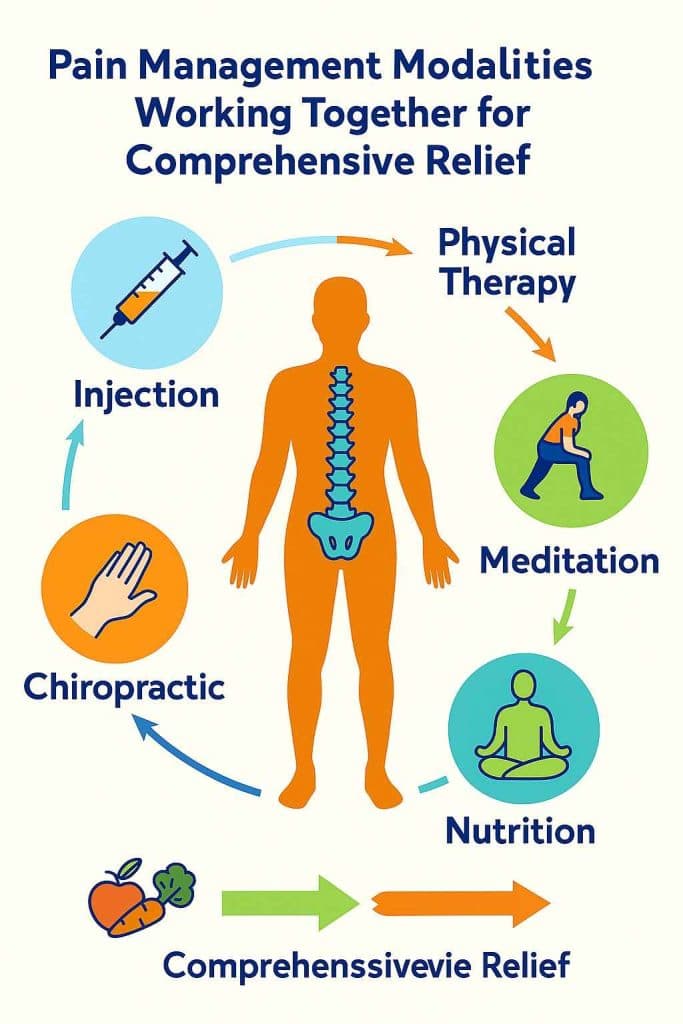
Effective chronic back pain treatment Beaumont TX employs complementary modalities:
1. Interventional Procedures
When conservative care falls short, minimally invasive interventions directly target pain generators:
- Epidural Steroid Injections :
Deliver corticosteroids into the epidural space to reduce inflammation around compressed nerve roots. Clinical data show 60–70% temporary relief in discogenic pain and spinal stenosis cases, providing a window for rehabilitation.
- Radiofrequency Ablation (RFA) :
Uses heat from radio waves to ablate nociceptive fibers in facet joints or medial branch nerves. RFA yields 50–80% pain reduction, lasting nine to twelve months before nerve regeneration.
- Spinal Cord Stimulation (SCS) Trials :
Implantation of a temporary electrode delivers mild electrical pulses to the dorsal columns, interrupting chronic neuropathic signals. Trial success (≥50% pain relief) predicts candidacy for permanent implant, with conversion rates exceeding 60%.
2. Rehabilitative Therapies
Restoring strength and mobility underpins long-term success:
- Physical Therapy :
Customized core stabilization, lumbar mobilization, and flexibility exercises rebuild supportive musculature and improve spinal mechanics. Evidence affirms 30–50% pain reduction and functional gains when combined with other modalities. - Chiropractic Care :
Gentle spinal adjustments correct subluxations, reduce nerve interference, and facilitate joint mobility. As part of an integrated spinal care approach, chiropractic reduces muscle tone abnormalities and enhances the efficacy of other therapies. - Aquatic Therapy :
Water’s buoyancy offloads axial stress, allowing safe range-of-motion work and progressive strengthening in a low-impact environment. Aquatic programs accelerate recovery for deconditioned or high-pain patients.
3. Integrative Approaches
Holistic interventions address mind-body interactions:
- Medical Acupuncture :
Fine needles inserted at trigger points and meridians modulate pain through endogenous opioid release and myofascial release, complementing anatomical therapies. - Mindfulness-Based Stress Reduction (MBSR) :
Techniques such as meditation, body scans, and mindful movement retrain pain perception and emotional coping, reducing catastrophizing and improving quality of life. - Nutrition Counseling :
Anti-inflammatory dietary modifications—emphasizing omega-3 fatty acids, antioxidants, and phytonutrients—lower systemic mediators like interleukin-6 and TNF-α, supporting tissue healing.
Diagnostic Precision for Targeted Relief
Precision diagnosis steers your treatment plan:
- Dynamic Motion X-Rays
Real-time fluoroscopic assessment of vertebral motion to detect instability or aberrant kinematics. - Diagnostic Nerve Blocks
Temporary anesthetic injections to isolate the pain-generating nerve and confirm targets for RFA or surgical referral. - Electromyography (EMG) & Nerve Conduction Studies (NCS)
Evaluate peripheral nerve integrity and muscle response, guiding neuromodulation strategies.
This data-driven approach ensures each intervention addresses validated sources of pain rather than relying on generic protocols.
Medication Management with Vigilance
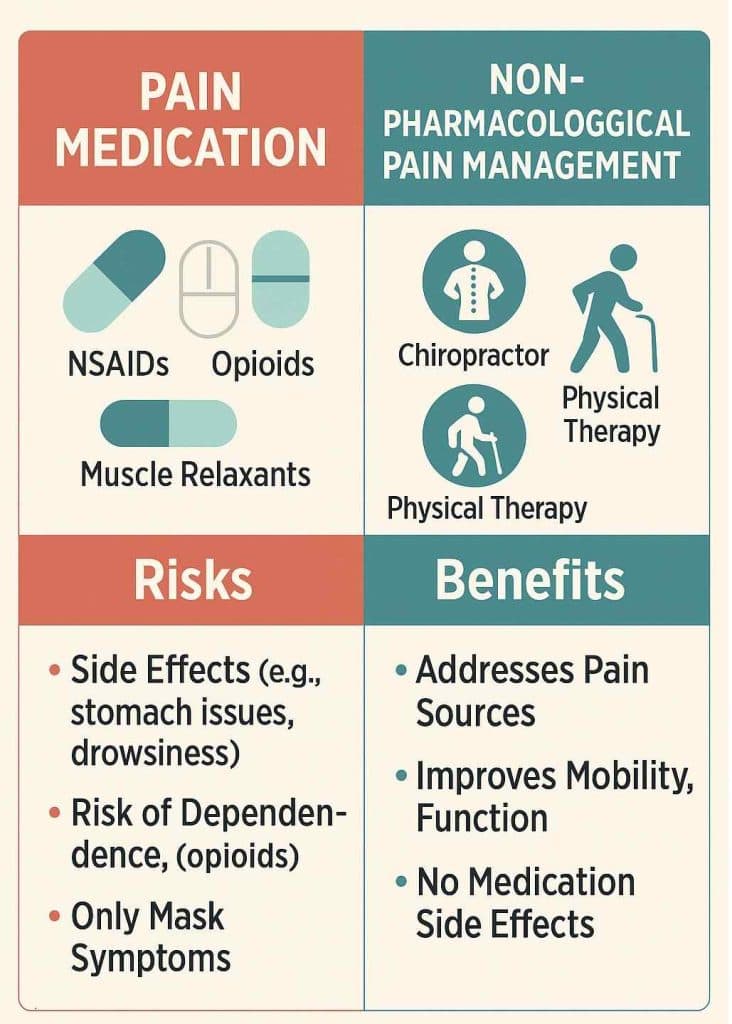
While prioritizing non-pharmacological care, judicious medication use eases acute flares:
- NSAIDs & Acetaminophen for mild-moderate pain, limited to shortest effective duration to minimize GI and cardiovascular risks.
- Muscle Relaxants (e.g., cyclobenzaprine) to relieve spasms, typically for 1–2 weeks.
- SNRIs (e.g., duloxetine) for neuropathic pain and comorbid mood disorders.
- Opioids reserved for intractable pain under strict monitoring (<50 MME/day) to mitigate dependency.
A collaborative review ensures safe tapering and integration with long-term therapies.
Restoring Quality of Life in Beaumont
Chronic back pain extends into personal and professional realms:
Workplace Accommodations
Ergonomic assessments and FMLA documentation support modifications—sit-stand desks, lift assists, or adjusted schedules—enabling continued employment across Beaumont’s industrial and office sectors.
Recreational Rehabilitation
Graded exposure reintegrates favorite activities—fishing the Gulf Coast, kayaking Sabine Lake, or gardening—through structured protocols that progressively challenge strength and confidence.
Patient Success Stories
Case Study: Refinery Worker
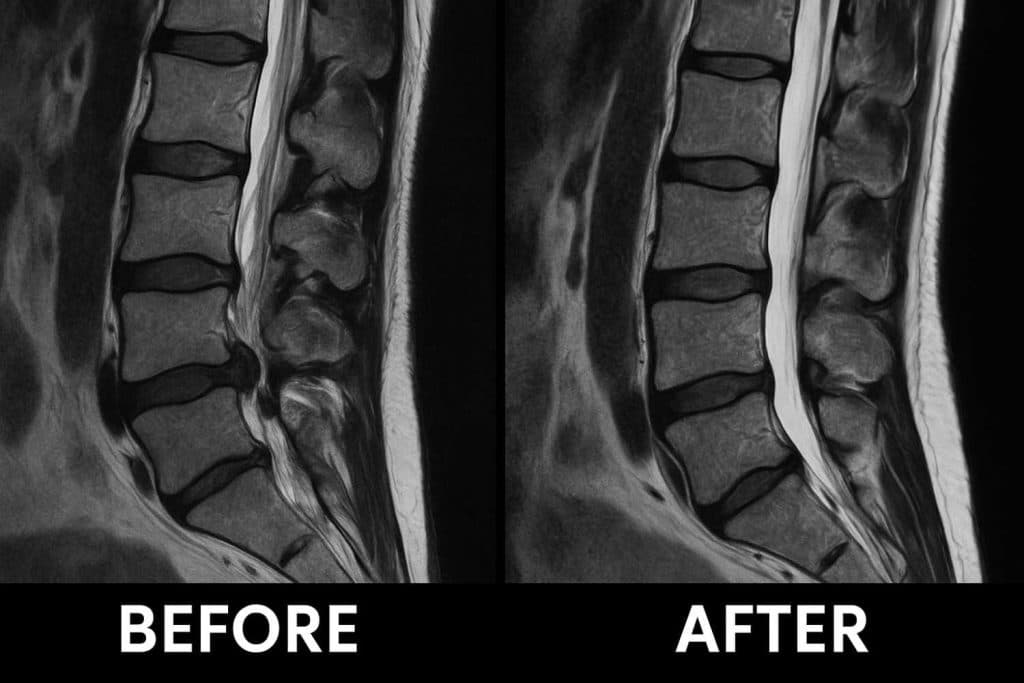
John, 54, endured L4–L5 discogenic pain for 18 months, hindering his ability to lift and climb. A regimen of epidural steroid injections, core-focused PT, and MBSR yielded a 73% pain reduction over six months, allowing his full return to work and family fishing trips.
John, 54, endured L4–L5 discogenic pain for 18 months, hindering his ability to lift and climb. A regimen of epidural steroid injections, core-focused PT, and MBSR yielded a 73% pain reduction over six months, allowing his full return to work and family fishing trips.
Case Study: Office Manager
Sarah, 38, suffered chronic postsurgical back pain refractory to conservative care. After a successful SCS trial and implant, combined with aquatic therapy, her pain scores dropped by 65%, and she regained the ability to play with her children pain-free.
Sarah, 38, suffered chronic postsurgical back pain refractory to conservative care. After a successful SCS trial and implant, combined with aquatic therapy, her pain scores dropped by 65%, and she regained the ability to play with her children pain-free.
Conclusion
Living with chronic back pain need not define your future. Beaumont residents have access to an integrated care continuum—interventional injections, PT, chiropractic adjustments, acupuncture, and mindfulness—that addresses complex pain mechanisms and restores function. As your dedicated chronic back pain treatment Beaumont TX specialists, we combine diagnostic precision, evidence-based interventions, and compassionate support to help you reclaim an active, pain-free life.
Medically reviewed by
Verified
DS
Deepak Sharma
DC
Owner & Doctor of Chiropractic
Deepak Sharma, DC is a licensed Doctor of Chiropractic and the owner of Car Accident Cares in Beaumont, TX. He reviews the clinical content published across the site and works with a multidisciplinary network of MDs, chiropractors, imaging centers, and pain-management specialists focused on accurate diagnosis, evidence-based treatment, and complete recovery for motor-vehicle-accident victims across Beaumont and Houston.