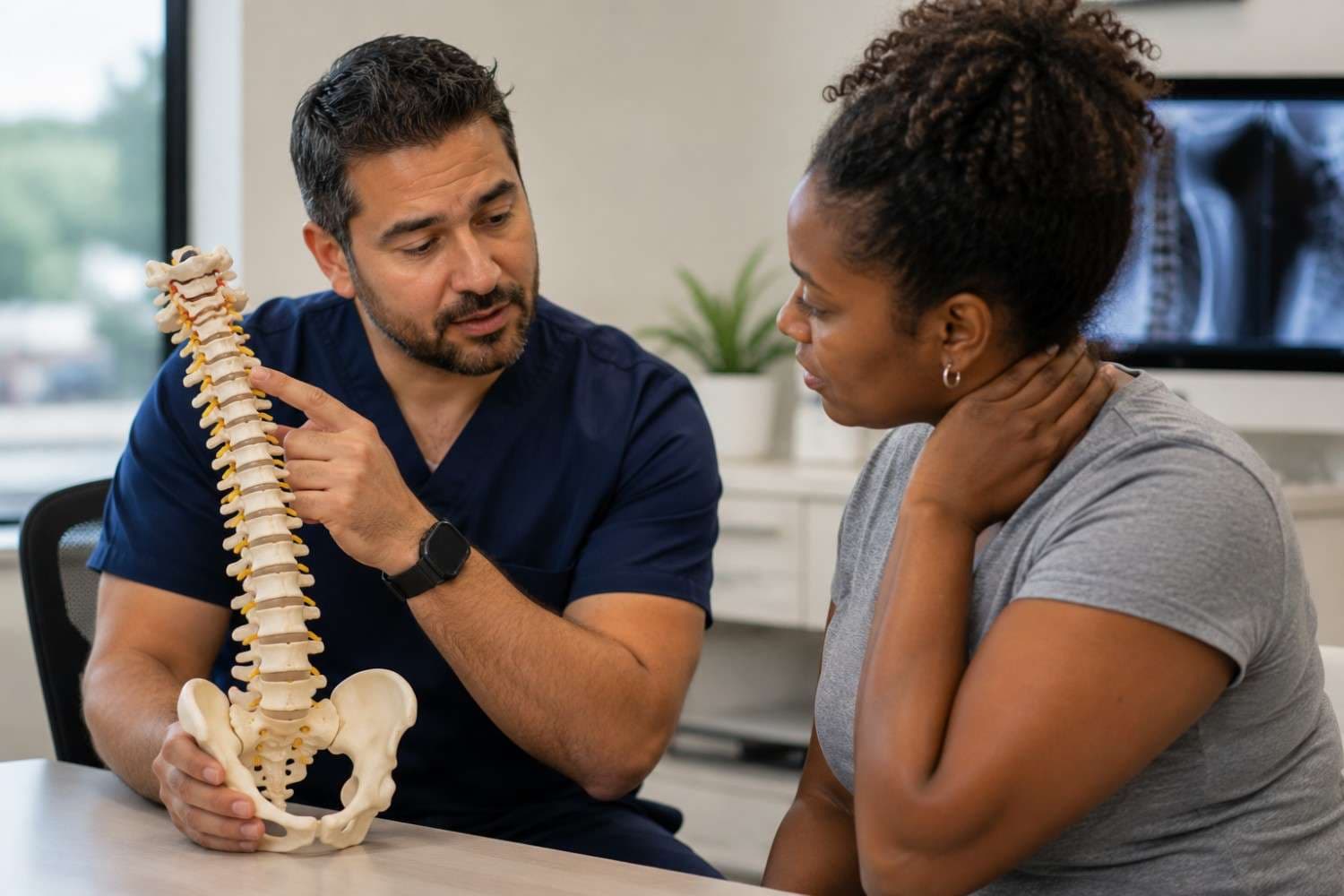
How to Prepare for an X-Ray in Beaumont, TX: A Patient’s Guide
DS
By Deepak Sharma, DC
Medically reviewed
Owner & Doctor of Chiropractic · 5 min read · Published · Updated · Last reviewed
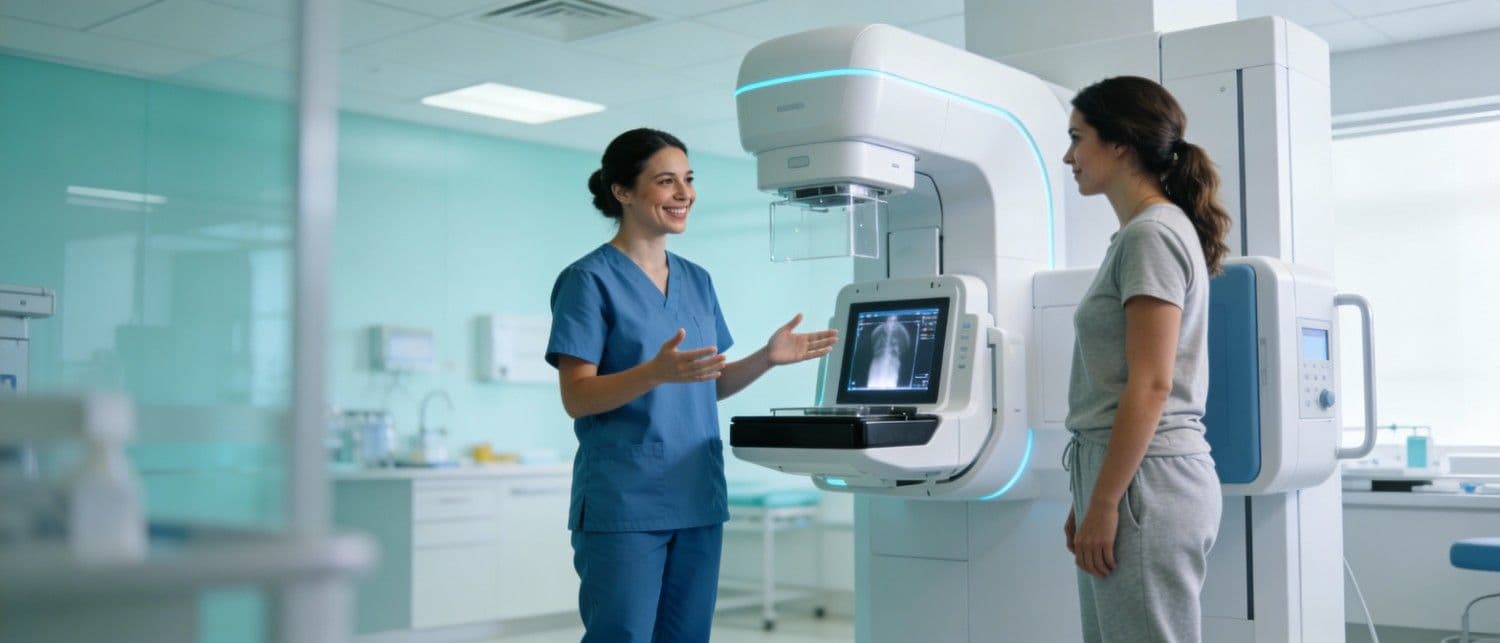
Dealing with the aftermath of a car accident or a sudden injury can be overwhelming. Between insurance calls and managing pain, the last thing you need is anxiety about your medical appointments. If your doctor has recommended imaging to check for injuries, you might be wondering how to prepare for x-ray Beaumont TX.
The good news is that X-rays are among the most standard, painless, and quick diagnostic tools available. Whether you were injured in a collision on I-10 or suffered a slip and fall, an X-ray is often the critical first step toward getting the right treatment.
This guide will walk you through exactly what to do before your appointment, ensuring your visit to our Beaumont clinic is smooth, stress-free, and efficient. Learn more about our comprehensive diagnostic imaging services.
What is an X-Ray and Why Do I Need One?
Before we dive into preparation, it helps to understand exactly what this test is. An X-ray is a quick, non-invasive imaging test that uses a very small amount of ionizing radiation to create pictures of the inside of your body.
For accident victims in Beaumont, X-rays are essential because they are the fastest way to visualize:
- Bone fractures: Breaks or cracks in the bone.
- Dislocations: Joints that have been knocked out of place.
- Alignment issues: Shifts in the spine or skeletal structure.
- Foreign objects: Detecting debris that may have entered the body during an accident.
Unlike MRI or CT scans, X-rays are completed in minutes, providing your medical team with immediate answers so they can create a treatment plan.
Simple Steps to Prepare for Your X-Ray
One of the best things about getting an x-ray Beaumont is that it requires very little preparation compared to other medical tests. You generally do not need to fast (stop eating) or take special medications beforehand.
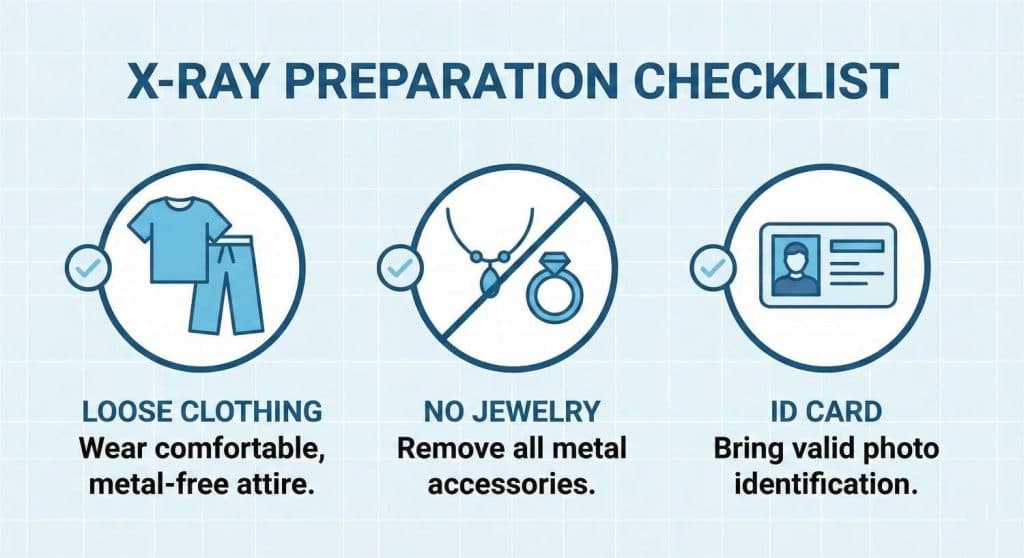
However, to ensure the images are clear and to avoid delays during your appointment, follow this simple x-ray preparation Beaumont checklist:
1. Choose the Right Clothing
What you wear matters. The goal is to wear clothing that allows the X-ray beams to pass through without obstruction.
- Wear loose, comfortable clothes: Athletic wear, t-shirts, and elastic-waist pants are ideal.
- Avoid metal fasteners: Zippers, buttons, snaps, and underwire bras can show up on the X-ray image as white spots (artifacts), potentially blocking the view of a bone fracture.
- Be prepared to change: Depending on the body part being imaged, the technologist may ask you to change into a medical gown.
2. Remove Jewelry and Accessories
Metal is the enemy of a clear X-ray. You will be asked to remove anything that could interfere with the image.
- Jewelry: Necklaces, earrings, watches, and rings.
- Accessories: Eyeglasses, hairpins, and belts with metal buckles.
- Body Piercings: If the piercing is in the area being examined, it may need to be removed.
3. Bring Your Medical Information
To streamline your check-in process at our Beaumont clinic, ensure you have:
- Your photo ID and insurance card.
- A list of any medications you are currently taking.
- Details about your accident (if applicable) for your medical file.
Special Considerations for Women
Safety is our top priority. If there is any chance you might be pregnant, you must inform your X-ray technologist or doctor before the procedure begins.
While X-rays are generally safe, radiation can be harmful to a developing fetus. If pregnancy is possible, your doctor may opt for a different imaging method (like an ultrasound or MRI) that does not use radiation, or they may take special precautions to shield the abdomen.
What to Expect During the Procedure
Anxiety often comes from the unknown. If you are wondering what to expect during x-ray, rest assured that the process is straightforward. Learn more about our specific X-ray services in Beaumont.
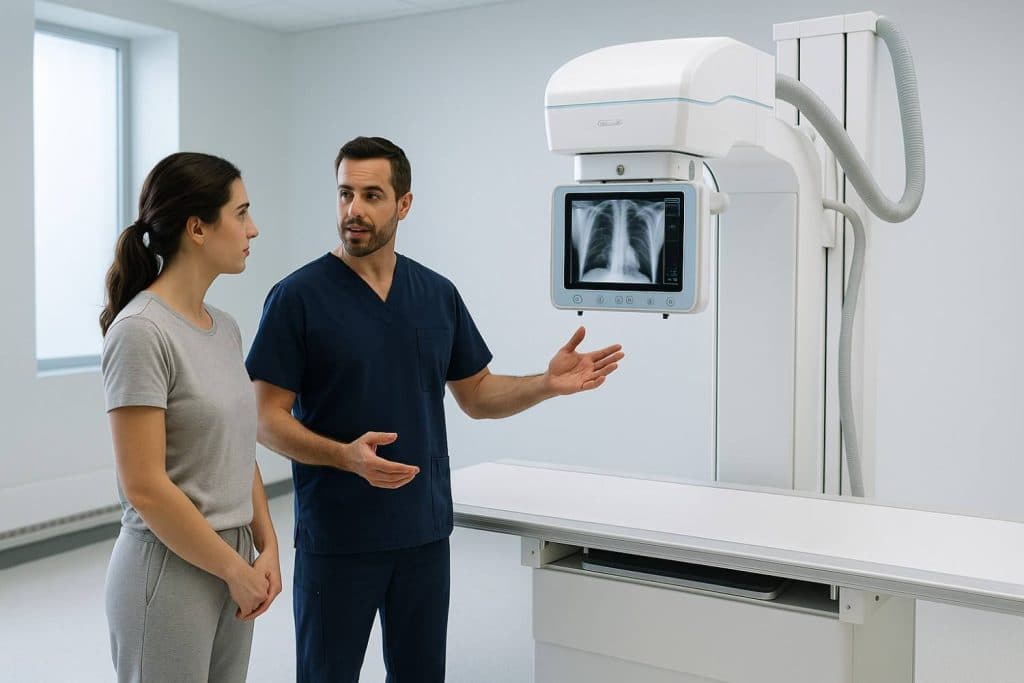
- Positioning: Once you are in the X-ray room, the technologist will guide you. You may be asked to stand, sit, or lie down on a table, depending on which part of your body was injured. A special plate the X-ray detector will be placed behind or under the injured area.
- Protective Lead: You might be given a heavy lead apron to wear. This shields the parts of your body not being imaged from unnecessary radiation exposure.
- Holding Still: This is the most critical part. The technologist will go behind a protective window to take the picture. They will ask you to hold very still for a split second. In some cases like chest X-rays, they may ask you to hold your breath to prevent motion blur.
- No Pain: You will not feel anything. The X-ray itself is completely painless and invisible.
- Duration: The entire process is usually very quick. Most appointments are completed in 15 minutes or less.
What Happens After the X-Ray?
Once the images are taken, the technologist will review them briefly to ensure they are sharp and clear. If an image is blurry, they may need to take one more quickly.
After the procedure, you can usually return to your normal daily activities immediately—unless your doctor advises otherwise due to your injury.
Who reads the results?
While the technologist takes the pictures, they do not diagnose you. A radiologist a doctor who specializes in imaging will analyze the images and send a report to your treating physician.
Conclusion
Preparing for an X-ray doesn’t have to be stressful. By wearing comfortable clothes, leaving the jewelry at home, and knowing what to expect, you can get through your appointment quickly and get the answers you need.
If you are suffering from pain after an auto accident, getting an X-ray is the vital first step toward recovery. It provides the roadmap your doctors need to treat your injuries effectively.
Don’t wait to get checked out. Prepare for your X-ray today by scheduling an appointment at our Beaumont clinic.
Medically reviewed by
Verified
DS
Deepak Sharma
DC
Owner & Doctor of Chiropractic
Deepak Sharma, DC is a licensed Doctor of Chiropractic and the owner of Car Accident Cares in Beaumont, TX. He reviews the clinical content published across the site and works with a multidisciplinary network of MDs, chiropractors, imaging centers, and pain-management specialists focused on accurate diagnosis, evidence-based treatment, and complete recovery for motor-vehicle-accident victims across Beaumont and Houston.