
Finding Relief from Fibromyalgia Pain in Beaumont, TX
DS
By Deepak Sharma, DC
Medically reviewed
Owner & Doctor of Chiropractic · 4 min read · Published · Updated · Last reviewed

Introduction
Fibromyalgia affects about 2% of the population—3.4% of women and 0.5% of men—with median diagnostic delays nearing five years. A multidisciplinary approach combining medication, exercise, psychological therapy, and lifestyle changes provides the most effective, sustained pain relief and functional improvement.
Fibromyalgia is a chronic condition characterized by widespread musculoskeletal pain, fatigue, and cognitive difficulties. In Beaumont, TX—where middle-aged women are disproportionately affected—delayed diagnosis and treatment exacerbate suffering. At our clinic, we emphasize comprehensive fibromyalgia pain management that addresses neurological sensitization, sleep disturbances, and the vicious cycle of pain and fatigue.

Understanding Fibromyalgia
Fibromyalgia arises from altered pain processing in the central nervous system, amplifying both painful and nonpainful stimuli. Though its exact trigger is unknown, potential factors include genetics, infections, physical trauma, surgery, and emotional stress. The hallmark symptoms include:
- Chronic Widespread Pain: Persistent dull ache, present both above and below the waist, on both sides of the body, for at least three months.
- Fatigue: Unrelenting exhaustion that rest fails to resolve, impairing daily activities.
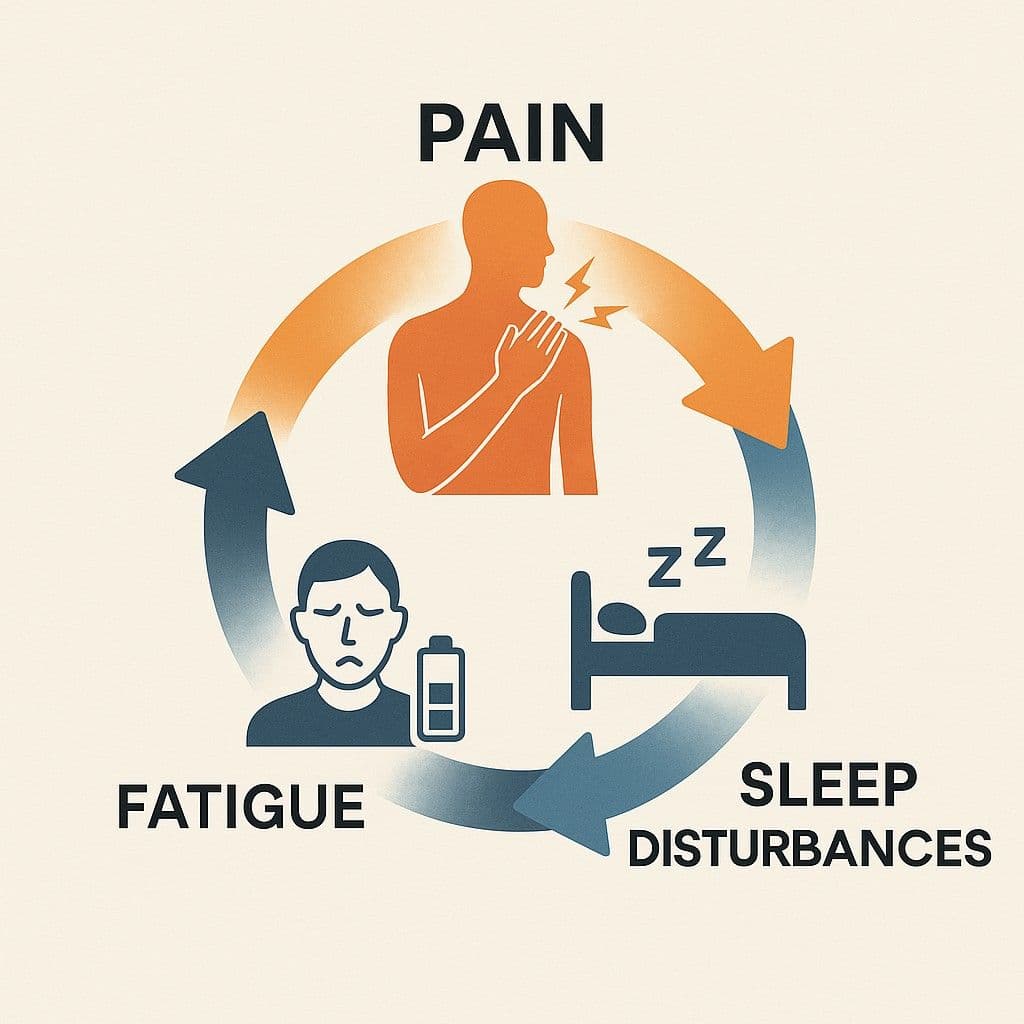
- Sleep Disturbances: Nonrestorative sleep, often with frequent awakenings and morning stiffness.
Additional issues—“fibro fog” (poor concentration), heightened sensitivity to light and noise, and muscle stiffness—complicate the picture and heighten the need for tailored, multimodal care.

Associated Conditions and the Pain–Sleep–Fatigue Cycle
Fibromyalgia commonly coexists with irritable bowel syndrome, chronic fatigue syndrome, migraines, TMJ disorders, anxiety, and depression. Post-COVID syndrome can mimic or exacerbate symptoms. Managing these co-occurring conditions is essential for comprehensive fibromyalgia treatment Beaumont aims to provide.
One of the most challenging aspects of living with fibromyalgia is the insidious cycle of pain, sleep disruption, and fatigue. The pain–sleep–fatigue cycle fuels itself: pain disrupts sleep, poor sleep increases fatigue, and fatigue lowers pain threshold—further intensifying perceived pain and cognitive dysfunction. Our sleep disorder evaluation can be a crucial first step in addressing this cycle.
Multidisciplinary Pain Management Strategies
Effective fibromyalgia pain management Beaumont TX requires a multifaceted, multidisciplinary approach, targeting the various complex aspects of the condition.
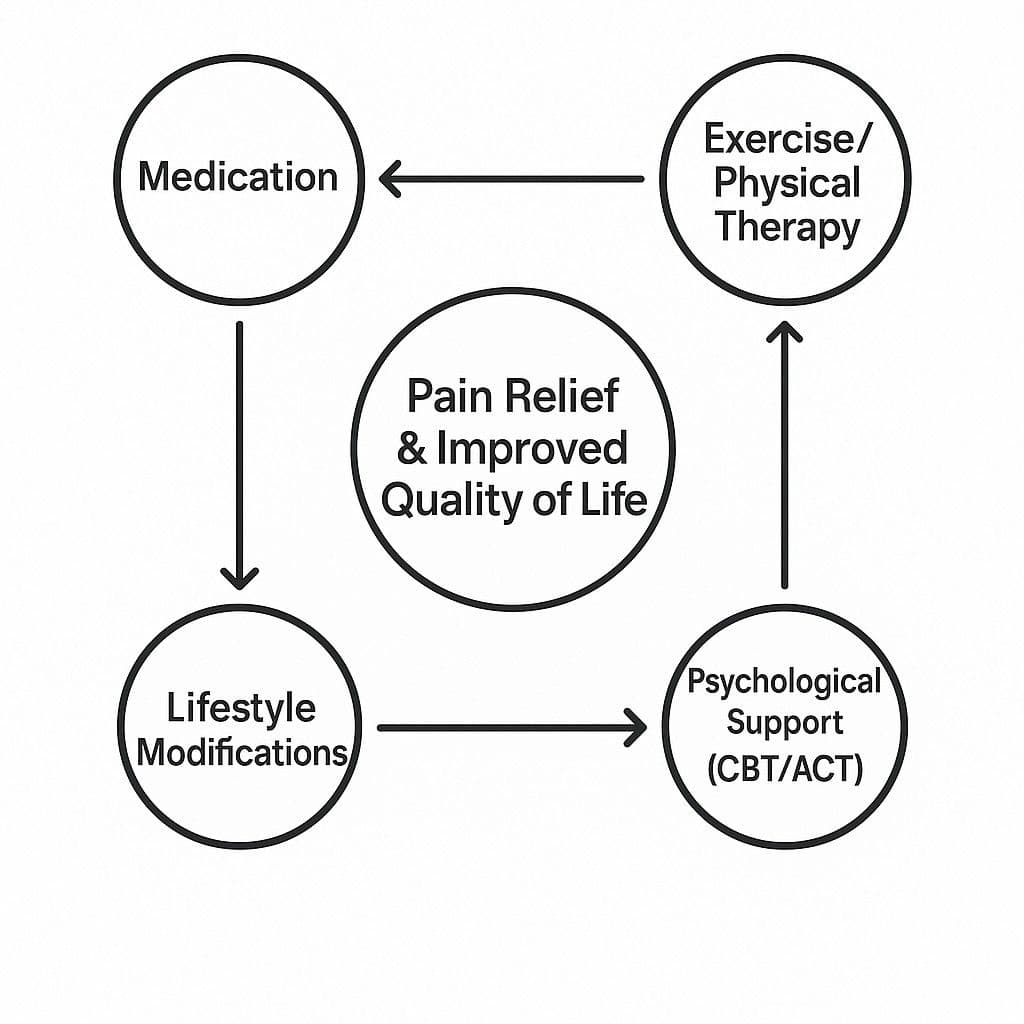
1. Medication Management
- Pregabalin (Lyrica): Reduces neurotransmitter release, easing nerve pain.
- Duloxetine (Cymbalta) & Milnacipran (Savella): SNRI antidepressants that modulate pain pathways.
- Over-the-Counter: Acetaminophen or NSAIDs for mild symptom relief.
Disclaimer: All medication regimens require medical evaluation and monitoring for efficacy and side effects. Learn more about fibromyalgia medication management by consulting with our specialists.
2. Interventional Procedures
Although less common in fibromyalgia than in localized arthritis, trigger-point injections or regional nerve blocks—administered by pain specialists—can provide temporary relief of focal muscle knots or enthesopathic pain.
3. Physical Therapy and Exercise
Evidence demonstrates that graded, low-impact exercise is among the most effective interventions:
- Aquatic Therapy: Buoyancy reduces joint stress while improving cardiovascular health.
- Gentle Yoga & Tai Chi: Enhance flexibility, strength, and balance without overstraining.
- Walking Programs: Begin with short intervals, gradually increasing distance.
Supervised physical therapy ensures correct technique, preventing flares.
4. Psychological and Behavioral Therapies
- Cognitive Behavioral Therapy (CBT): Helps patients modify negative thought patterns about pain and develop coping strategies.
- Acceptance and Commitment Therapy (ACT): Encourages psychological flexibility and pain acceptance, reducing distress.
Combined with exercise and medication, these therapies improve function and quality of life.
5. Lifestyle Modifications
- Sleep Hygiene: Strict sleep–wake schedules, minimizing screens before bed, and creating a calming environment.
- Dietary Adjustments: Anti-inflammatory foods (omega-3 fatty acids, fruits, vegetables) and hydration support overall health.
- Stress Reduction: Mindfulness, meditation, and breathing exercises decrease cortisol and muscle tension.
- Pacing Techniques: Balancing activity with rest prevents overexertion and symptom exacerbation.
Integrated Care and Patient Education
Research confirms that multicomponent therapies integrating exercise, education, and CBT yield superior outcomes. Our clinic’s coordinated care plans ensure seamless collaboration among rheumatologists, physical therapists, pain specialists, and mental health professionals. Patient education empowers self-management—crucial in a condition with fluctuating severity.
Addressing Local Barriers
Jefferson County’s diverse population faces access disparities. We offer flexible scheduling, sliding-scale payments, bilingual materials, and community outreach to ensure all residents receive comprehensive, culturally competent fibromyalgia care.
When to Seek Professional Help
Consult a specialist if you experience:
- Persistent, widespread pain unrelieved by over-the-counter options.
- Severe fatigue impairing daily function.
- Unrefreshing sleep despite adequate duration.
- Cognitive issues disrupting work or personal life.
Early, accurate diagnosis and a personalized, multidisciplinary plan are key to managing this complex condition.
Conclusion
Fibromyalgia demands a holistic, patient-centered approach. By combining targeted medications, gentle exercise, psychological support, interventional procedures, and lifestyle changes—while addressing the unique needs of Beaumont residents—significant, sustained pain relief and functional improvement are attainable.

Medically reviewed by
Verified
DS
Deepak Sharma
DC
Owner & Doctor of Chiropractic
Deepak Sharma, DC is a licensed Doctor of Chiropractic and the owner of Car Accident Cares in Beaumont, TX. He reviews the clinical content published across the site and works with a multidisciplinary network of MDs, chiropractors, imaging centers, and pain-management specialists focused on accurate diagnosis, evidence-based treatment, and complete recovery for motor-vehicle-accident victims across Beaumont and Houston.