
Facet Joint Injections for Spinal Pain in Beaumont, TX
DS
By Deepak Sharma, DC
Medically reviewed
Owner & Doctor of Chiropractic · 5 min read · Published · Updated · Last reviewed

Introduction
Chronic spinal pain affects roughly 20% of U.S. adults, with facet-mediated discomfort accounting for up to 30% of chronic low back pain cases. In Beaumont, TX, where physical labor and active living are common, inflammation or arthritis of the facet joints can severely restrict mobility and quality of life. Facet joint injections Beaumont TX offer a minimally invasive, targeted solution by delivering anti-inflammatory medication precisely where it’s needed. This article explains facet joint anatomy, how injections work, candidate selection, procedural details, outcomes, and integration into comprehensive pain management.
What Are Facet Joints?
Facet joints are paired synovial articulations on the posterior elements of each vertebra, guiding spinal motion and bearing axial load. In the lumbar spine alone, four facet joints per level allow bending, rotation, and stability. With age or mechanical stress, cartilage degeneration leads to bony contact, inflammation, and pain. Understanding this anatomy is essential for identifying candidates for spinal pain injections Beaumont.
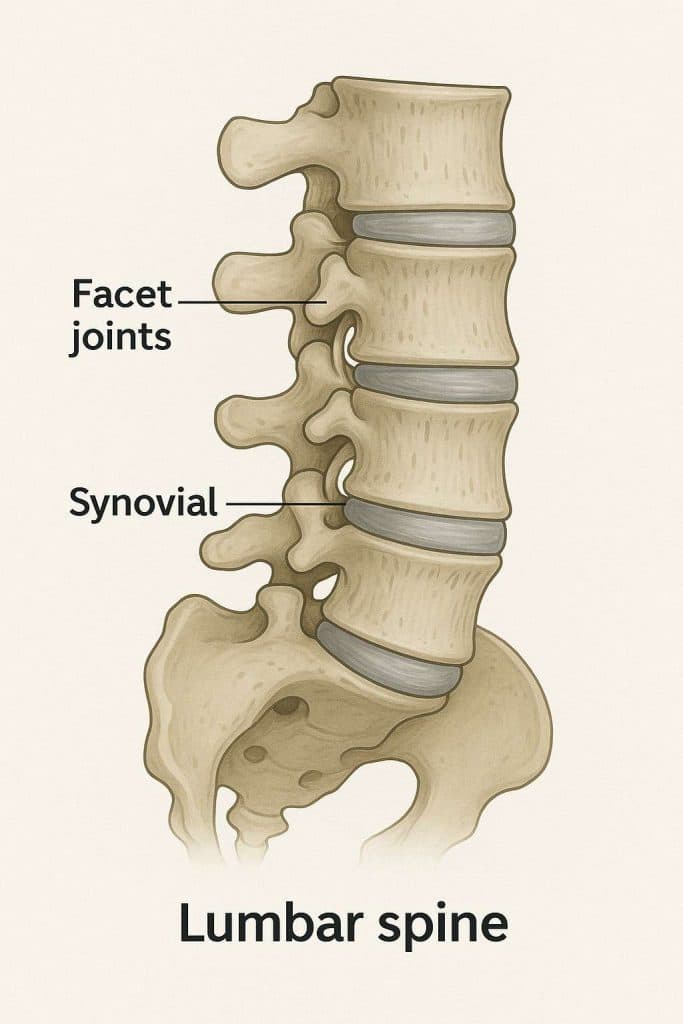
How Facet Joints Cause Pain
Facet joint pain arises from:
- Osteoarthritis: Cartilage breakdown causes bone-on-bone friction and synovial inflammation.
- Mechanical Stress: Repetitive motion or poor posture accelerates joint wear.
- Spondylosis: Degenerative changes in discs and facets increase joint loading.
- Capsular Inflammation: Synovial capsule swelling triggers localized pain.
Patients often report pain centered over the affected joint, exacerbated by extension or rotation, sometimes radiating to the buttocks or thighs. Identifying mechanical back pain through history and exam guides referral for facet joint interventions.
What Are Facet Joint Injections?
Facet joint injections deliver a blend of local anesthetic and corticosteroid either directly into the joint capsule (intra-articular) or around the medial branch nerves responsible for conveying joint pain. The anesthetic provides immediate but temporary relief, while the steroid reduces inflammation over days to weeks. Injections serve dual roles:
- Diagnostic: Immediate pain relief confirms the facet joint as the pain source.
- Therapeutic: Steroid-induced reduction in synovitis alleviates pain for months.
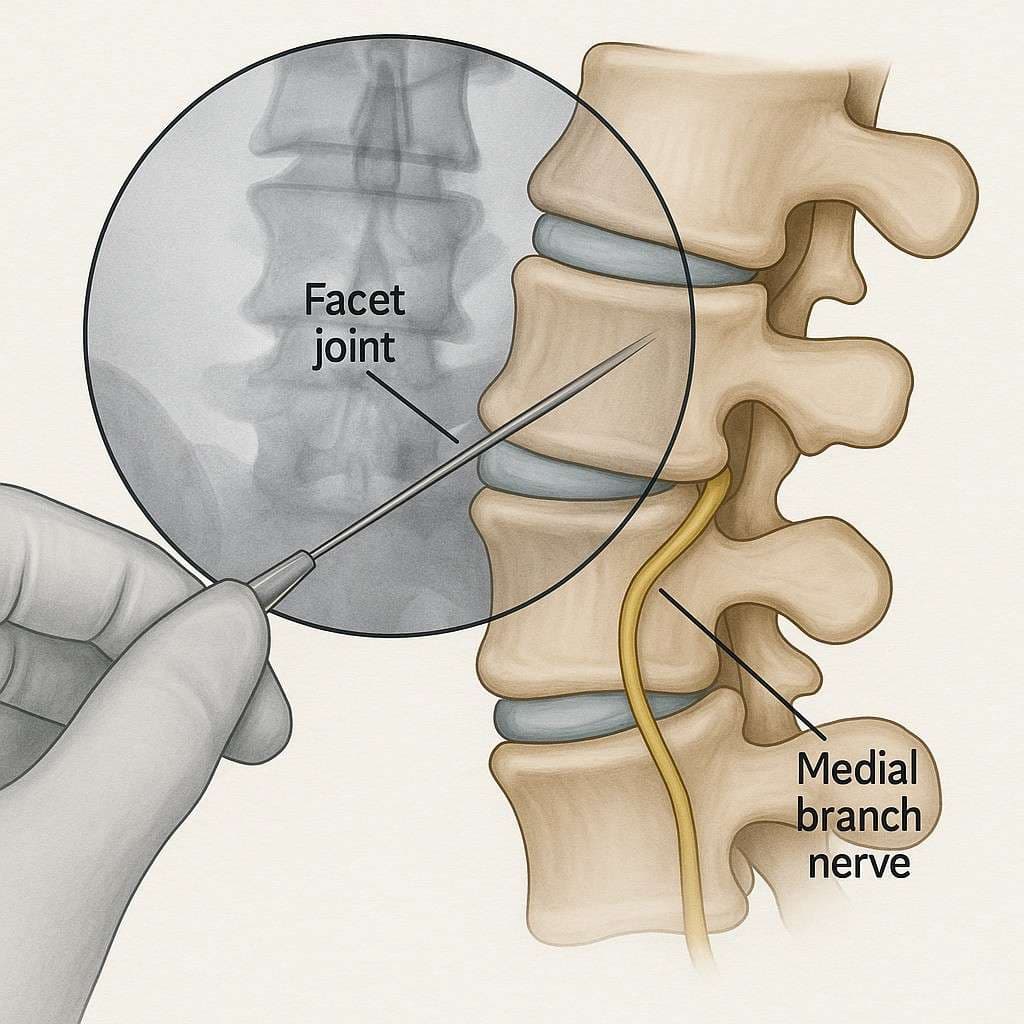
Types of Facet Joint Injection Procedures
- Intra-Articular Injection: Medication is injected directly into the joint space, addressing synovial inflammation and cartilage irritation.
- Medial Branch Nerve Block: Anesthetic and steroid target the small medial branch nerves transmitting joint pain. Successful blocks indicate the joint’s role in symptoms.
- Radiofrequency Ablation (RFA): Following a positive medial branch block, RFA uses heat to disable nerve conduction for extended relief (6–12 months).
Facet joint injections Beaumont TX are integral to advanced injection therapies in interventional pain management.
Conditions Treated with Facet Injections
Facet injections address conditions including:
- Facet Arthropathy: Degenerative arthritis of the facet joints.
- Spondylosis: Age-related spinal degeneration involving facets.
- Axial Neck and Low Back Pain: Localized pain worsened by extension.
- Post-Surgical Pain Syndromes: Persistent facet-mediated discomfort after spinal surgery.
Because facet pain can mimic discogenic or radicular symptoms, diagnostic medial branch blocks ensure precise identification of pain generators.
Candidate Selection
Ideal candidates for facet injections are those who:
- Exhibit localized facet tenderness on exam.
- Have failed conservative treatments (NSAIDs, physical therapy, chiropractic care).
- Demonstrate symptom reproduction with facet-loading maneuvers (extension, rotation).
- Present no contraindications (infection, coagulopathy, severe spinal instability).
A thorough evaluation by a pain management specialist Beaumont TX determines suitability and formulates personalized care plans.
The Facet Joint Injection Procedure
01
Pre-Procedure Preparation
Patients fast for 6–8 hours prior, discontinue blood thinners per physician guidance, and complete informed consent. Baseline vital signs and allergy history are reviewed.
02
Imaging-Guided Injection
Performed in a sterile procedure suite:
- Positioning: Patient lies prone on an X-ray table.
- Local Anesthesia: Skin and subcutaneous tissue are numbed.
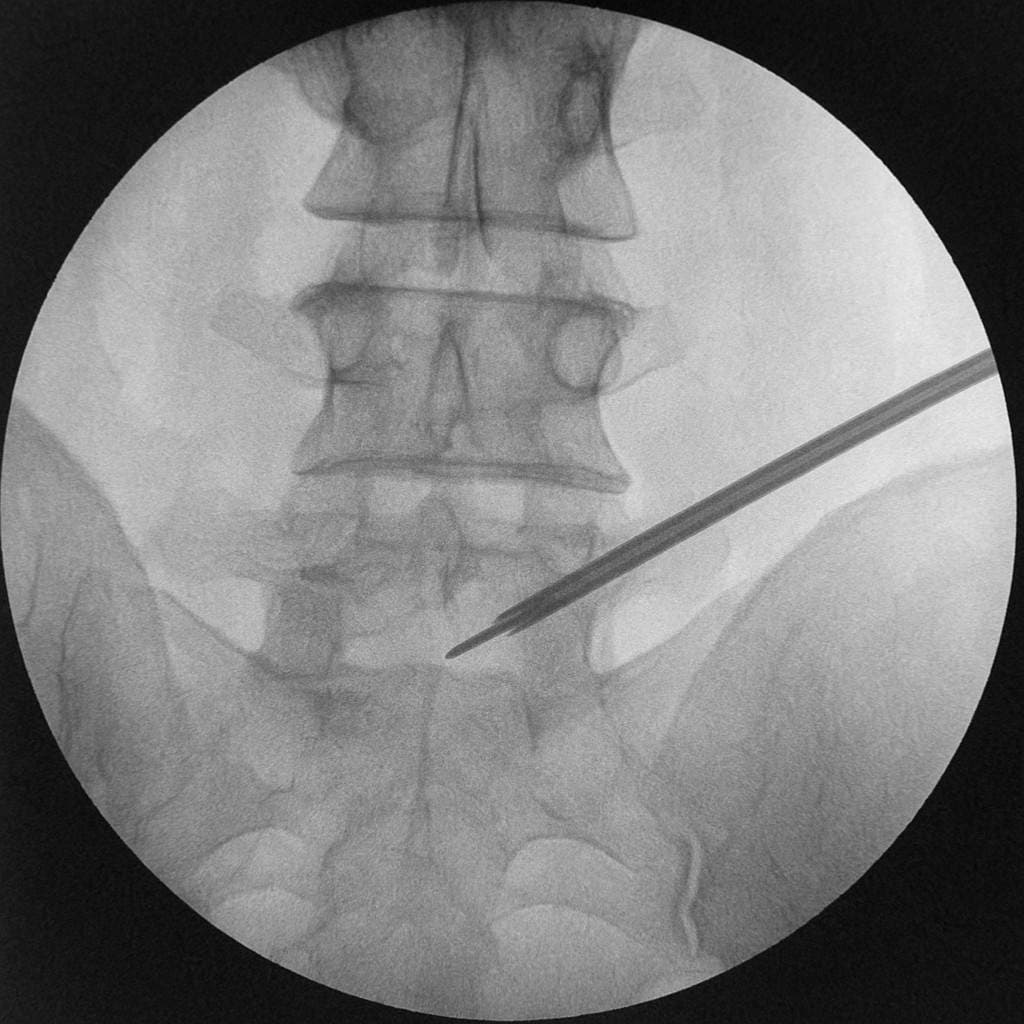
- Needle Insertion: Under fluoroscopic guidance, a fine needle advances into the joint or adjacent to medial branch nerves.
- Contrast Confirmation: A small dye injection verifies accurate placement.
- Therapeutic Delivery: Anesthetic-steroid mixture is injected slowly.
- Post-Injection Monitoring: Observe for 30–60 minutes, checking for adverse reactions.
Post-Injection Care
- Activity: Avoid strenuous activity for 24 hours; light walking encouraged.
- Symptoms Diary: Record pain levels and functional changes daily.
- Follow-Up: Return in 1–2 weeks to assess relief and plan next steps.
Outcomes and Duration of Relief
Studies report 60–65% pain relief from facet blocks lasting three to six months. When diagnostic blocks confirm facet joint pain, RFA extends relief to 8–12 months. Patients often experience improved function, reduced analgesic use, and enhanced quality of life. For sustained benefit, integrate injections into multidisciplinary regimens—including physical therapy, core strengthening, and ergonomic education.
Potential Risks and Considerations
Facet injections are generally safe, with minimal complications when performed by experienced specialists. Common mild side effects include temporary soreness, bruising, or transient numbness. Rare but serious risks—such as infection, bleeding, or nerve injury—are mitigated through strict aseptic technique and pre-procedure screening. Your Beaumont pain management team will review all risks and benefits to ensure informed decision-making.
Integration into Comprehensive Pain Management
Facet joint injections are one component of a holistic pain management strategy. To maximize long-term outcomes, combine injections with:
- Physical Therapy: Strengthening and flexibility exercises.
- Chiropractic Care: Spinal alignment optimization.
- Mind-Body Techniques: Stress reduction and mindfulness.
- Lifestyle Modifications: Anti-inflammatory diet and ergonomic adjustments.
This multidisciplinary approach addresses both symptom relief and underlying contributors to chronic pain.
Conclusion
For Beaumont residents suffering facet-mediated spinal pain, facet joint injections Beaumont TX provide precise, minimally invasive relief—restoring function and reducing dependency on oral medications. By confirming the pain source and delivering targeted anti-inflammatory therapy, these procedures can alleviate discomfort for months and integrate seamlessly into comprehensive care plans. If localized back or neck pain persists despite conservative treatments, consult our Beaumont pain management specialists to determine if facet injections are right for you and begin your journey toward lasting relief.
Medically reviewed by
Verified
DS
Deepak Sharma
DC
Owner & Doctor of Chiropractic
Deepak Sharma, DC is a licensed Doctor of Chiropractic and the owner of Car Accident Cares in Beaumont, TX. He reviews the clinical content published across the site and works with a multidisciplinary network of MDs, chiropractors, imaging centers, and pain-management specialists focused on accurate diagnosis, evidence-based treatment, and complete recovery for motor-vehicle-accident victims across Beaumont and Houston.