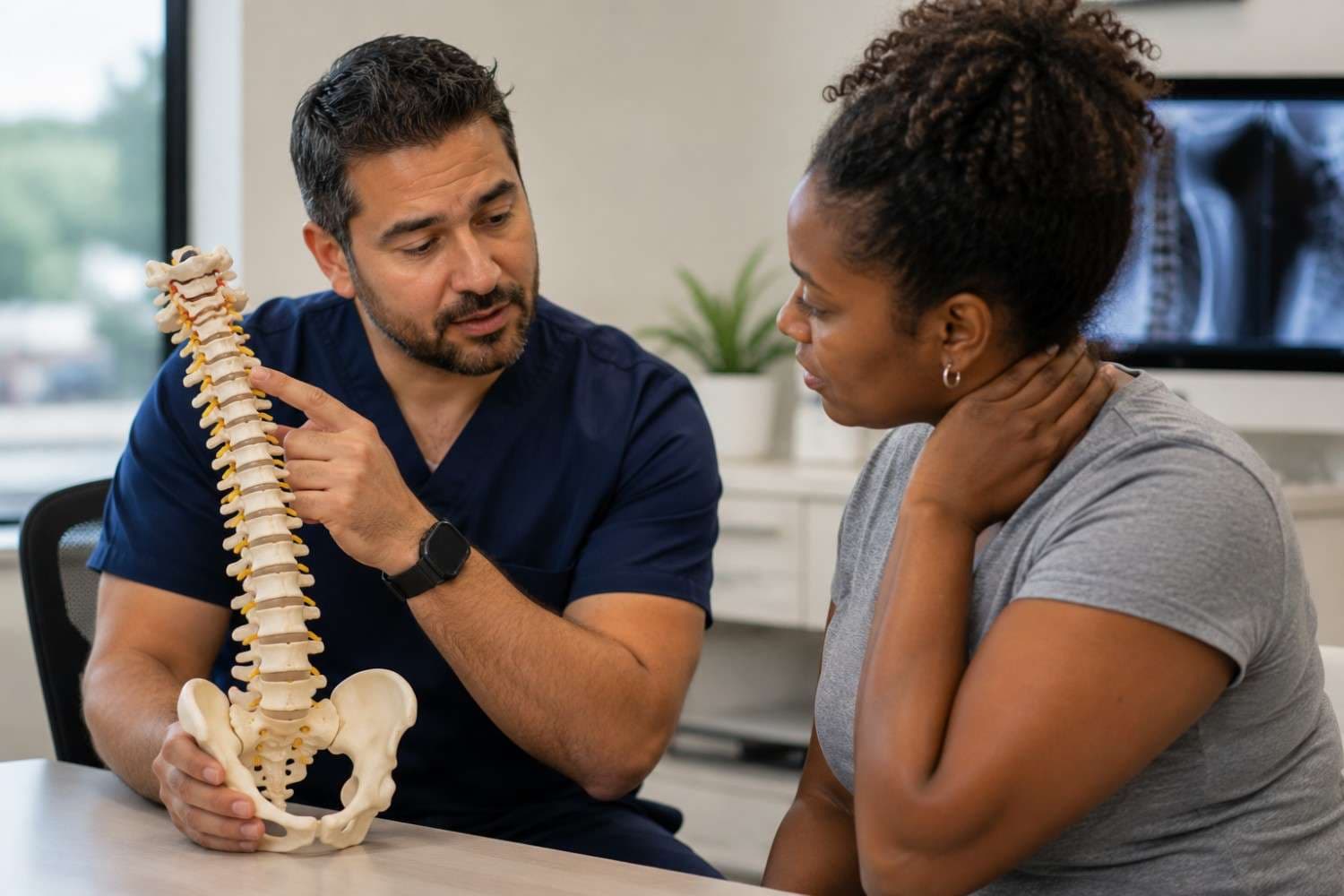
Effective Treatment Options for Neck Pain After a Car Accident: Relief for Whiplash and Common Neck Injuries
DS
By Deepak Sharma, DC
Medically reviewed
Owner & Doctor of Chiropractic · 9 min read · Published · Updated · Last reviewed
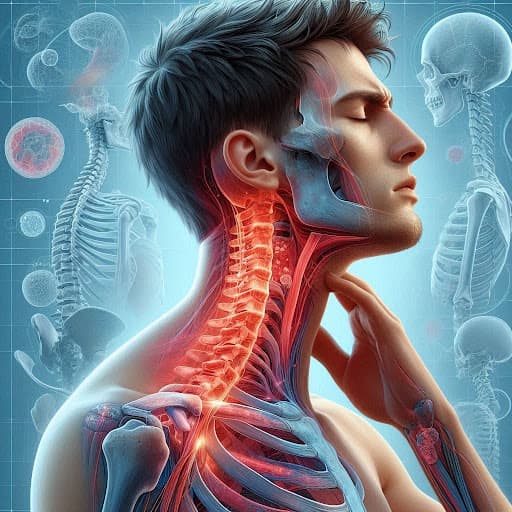
Key Takeaways
Introduction
01
Understanding Neck Pain After a Car Accident
Neck pain after a car accident is a common and often debilitating issue. This pain can stem from various injuries, including whiplash, neck strain, and more severe conditions. Addressing neck pain promptly is crucial to prevent chronic discomfort and long-term damage.
02
Importance of Addressing Neck Pain Post-Accident
Ignoring neck pain after an auto accident can lead to persistent issues that affect daily life. Early diagnosis and treatment can significantly enhance recovery and improve quality of life. Therefore, understanding the causes and available treatments for neck pain is essential for anyone involved in a car accident.
Causes of Neck Pain After a Car Accident
Common Causes of Neck Pain After a Car Accident
Several factors can cause neck pain after a car accident. The sudden impact can result in:
- Whiplash: A rapid back-and-forth movement of the neck, often causing soft tissue injuries.
- Neck Strain: Overstretching or tearing of muscles and tendons in the neck.
- Direct Trauma: Injuries from hitting the steering wheel, dashboard, or other objects.
Whiplash and Its Impact on the Neck
Whiplash is one of the most common injuries resulting from car accidents. It occurs when the head is suddenly jerked backward and then forward, causing the neck’s muscles and ligaments to stretch beyond their normal range of motion. Symptoms of whiplash can include neck pain, stiffness, headaches, and dizziness.
Symptoms of Neck Pain Post-Accident
Symptoms of neck pain after a car accident can vary widely but often include:
- Persistent pain and stiffness
- Headaches, particularly at the base of the skull
- Dizziness and blurred vision
- Fatigue and irritability
- Reduced range of motion in the neck
Other Common Neck Injuries from Auto Accidents
Apart from whiplash, other common neck injuries resulting from car accidents include:
- Cervical Fractures: Broken bones in the neck, which can be severe and require immediate medical attention.
- Herniated Discs: Displacement of the cushioning discs between the vertebrae, causing nerve compression.
- Ligament Sprains: Stretching or tearing of ligaments in the neck.
Symptoms and Diagnosis
Recognizing Symptoms of Neck Pain After a Car Accident
Identifying neck pain symptoms early can prevent further complications. Common signs include:
- Sharp or dull pain in the neck area
- Difficulty moving the head
- Numbness or tingling in the arms
- Muscle spasms in the neck and shoulders
Symptoms of Whiplash
Whiplash symptoms may not appear immediately after the accident. They can develop within 24 hours and include:
- Neck pain and stiffness
- Worsening pain with neck movement
- Loss of range of motion in the neck
- Tenderness or pain in the shoulders, upper back, or arms
Diagnosing Neck Injuries After a Car Accident
Accurate diagnosis is essential for effective treatment. Healthcare professionals may use:
- Physical Examinations: Assessing pain, range of motion, and reflexes.
- Imaging Tests: X-rays, CT scans, or MRIs to identify fractures, dislocations, or soft tissue injuries.
When to Seek Medical Attention for Neck Pain
It’s crucial to seek medical attention if you experience:
- Severe neck pain that doesn’t improve with rest
- Numbness, tingling, or weakness in the arms or hands
- Difficulty breathing or swallowing
- Loss of bladder or bowel control
Treatment Options for Neck Pain
Overview of Treatment Options
Various treatments are available to address neck pain after a car accident. These include:
- Physical Therapy
- Chiropractic Care
- Pain Management
- Pain Relief Methods
Physical Therapy: Benefits and Techniques
Physical therapy is a cornerstone in treating neck pain. It involves exercises and techniques to:
- Improve mobility and strength
- Reduce pain and stiffness
- Enhance overall neck function
Common Physical Therapy Techniques
- Stretching Exercises: To increase flexibility and range of motion.
- Strengthening Exercises: To build neck and upper back muscles.
- Manual Therapy: Hands-on techniques to reduce pain and improve mobility.
Chiropractic Care: Aligning the Spine
Chiropractic care focuses on spinal alignment to alleviate neck pain. Techniques used by chiropractors include:
- Spinal Manipulation: Adjustments to improve spinal alignment and reduce pain.
- Mobilization: Gentle movements to increase the range of motion in the neck.
Pain Management Strategies
Effective pain management strategies are essential for recovery. These include:
- Medications: Pain relievers, anti-inflammatory drugs, and muscle relaxants.
- Injections: Corticosteroid injections to reduce inflammation and pain.
- Alternative Therapies: Acupuncture, massage therapy, and other holistic approaches.
Pain Relief Methods
Immediate pain relief methods can help manage discomfort after a car accident:
- Ice and Heat Therapy: Applying ice packs or heat pads to reduce pain and swelling.
- Rest: Allowing time for the neck to heal.
- Over-the-Counter Pain Relievers: Medications like ibuprofen or acetaminophen for temporary relief.
Tables and Lists
Common Symptoms of Neck Pain
Treatment Techniques for Neck Pain
- Stretching ExercisesIncreases flexibilityEnhances range of motion
- Strengthening ExercisesBuilds neck and upper back musclesImproves posture
- Manual TherapyReduces painImproves mobility
Specialized Treatments
Treating Whiplash: Effective Approaches
Treating whiplash involves a combination of therapies to reduce pain and restore function. Effective approaches include:
Physical Therapy: Focused exercises to improve neck strength and flexibility.Chiropractic Care: Spinal adjustments to realign the neck.Medications: Pain relievers and anti-inflammatory drugs to manage pain.Injections: Corticosteroids to reduce inflammation and pain.Pain Treatment for Severe Cases
For severe cases of neck pain, more intensive treatments may be required:
Surgical Intervention: In rare cases, surgery may be necessary to repair damaged structures.Specialized Pain Clinics: Facilities that offer comprehensive pain management programs.Interventional Procedures: Nerve blocks or radiofrequency ablation to manage chronic pain.Chiropractic Treatment for Persistent Pain
Chiropractic treatment can be particularly effective for persistent neck pain:
Spinal Manipulation: Adjustments to correct misalignments.Mobilization: Gentle stretching and movement to improve range of motion.Soft Tissue Therapy: Techniques to relieve muscle tension and pain.Physical Therapy Exercises for Neck Pain Relief
Specific exercises can significantly alleviate neck pain:
Neck Stretches: Gentle stretches to enhance flexibility.Isometric Exercises: Strengthening the neck muscles without movement.Posture Training: Exercises to improve posture and reduce strain on the neck.Managing Pain After a Car Accident
Comprehensive Pain Management Approaches
Managing pain after a car accident requires a multifaceted approach:
Medical Treatments: Medications and therapies prescribed by healthcare providers.Physical Therapy: Regular sessions to maintain neck function.Chiropractic Care: Ongoing adjustments to keep the spine aligned.Pain Relief Techniques at Home
There are several techniques to manage pain at home:
Ice and Heat Therapy: Alternating between ice and heat to reduce inflammation and pain.Rest and Recovery: Giving the neck time to heal.Over-the-Counter Medications: Using pain relievers as needed.Long-term Management of Neck Pain
Long-term management strategies focus on preventing recurrence:
Regular Exercise: Maintaining a routine to keep the neck strong and flexible.Ergonomic Adjustments: Ensuring proper posture and workstation setup.Stress Management: Techniques to reduce overall stress and muscle tension.Relieve Neck Pain through Lifestyle Changes
Incorporating lifestyle changes can significantly relieve neck pain:
Healthy Diet: Nutritional support for muscle and bone health.Hydration: Keeping the body well-hydrated to support tissue health.Adequate Sleep: Ensuring sufficient rest for recovery.Preventative Measures
Preventing Neck Strain Post-Accident
Preventing neck strain involves careful attention to daily activities:
Proper Lifting Techniques: Avoiding strain by lifting correctly.Safe Driving Practices: Using seat belts and adjusting headrests to prevent injury.Regular Breaks: Taking breaks from repetitive tasks to avoid strain.Techniques to Avoid Further Injury
Avoiding further injury is crucial for recovery:
Gradual Return to Activity: Slowly resuming normal activities to avoid overexertion.Ergonomic Adjustments: Modifying workspaces and daily routines to reduce strain.Supportive Devices: Using neck braces or pillows to provide support.Strengthening Exercises for Neck Support
Strengthening exercises can provide vital support for the neck:
Neck Tilts and Rotations: Gentle movements to improve flexibility.Shoulder Shrugs: Strengthening the upper back and shoulders.Resistance Exercises: Using bands or weights to build muscle strength.Real-life Examples and Case Studies
Case Study: Successful Physical Therapy for Whiplash
A comprehensive physical therapy program can yield remarkable results. For example:
Patient Background: A 35-year-old involved in a motor vehicle accident.Treatment Plan: Included stretching, strengthening exercises, and manual therapy.Outcome: Significant reduction in pain and improved neck function after 12 weeks.Personal Stories: Overcoming Neck Pain After a Vehicle Accident
Personal stories can provide insight and hope for those suffering from neck pain:
John’s Story: After experiencing severe neck pain post-accident, John underwent physical therapy and chiropractic care, leading to full recovery.Emily’s Journey: Emily’s persistent neck pain was managed through a combination of medication, physical therapy, and lifestyle changes.Medical Insights: Common Treatments and Their Outcomes
Medical insights offer valuable information on the effectiveness of various treatments:
Physical Therapy: Often results in improved mobility and pain reduction.Chiropractic Care: Effective for many patients, particularly those with spinal misalignments.Medications and Injections: Provide significant relief for acute pain episodes.Resources and Support
Finding the Right Healthcare Professional
Selecting the right healthcare professional is crucial for effective treatment:
Physiotherapists: Experts in physical therapy techniques.Chiropractors: Specialize in spinal adjustments and musculoskeletal health.Pain Management Consultants: Offer comprehensive pain management plans.Support Groups and Communities
Connecting with others can provide support and encouragement:
Online Forums: Communities where individuals share experiences and advice.Local Support Groups: Meetings where people can discuss their journeys and offer support.Educational Resources for Patients
Staying informed is vital for managing neck pain:
Brochures and Guides: Available from healthcare providers.Online Resources: Websites and articles offering detailed information on neck pain and treatment options.Conclusion
Summarizing Effective Treatments for Neck Pain
Effective treatment of neck pain after a car accident involves a combination of physical therapy, chiropractic care, and pain management strategies. Early diagnosis and prompt treatment are crucial for optimal recovery.
Encouraging Prompt and Proper Treatment
Addressing neck pain immediately after an accident can prevent long-term issues and improve quality of life. For those experiencing neck pain, consulting healthcare professionals and exploring various treatment options is essential.
For more information and personalized assistance, please contact us at Car Accident Cares.
FAQs
What are the most common neck injuries after a car accident? Common neck injuries include whiplash, cervical fractures, herniated discs, and ligament sprains.
How long does it take to recover from whiplash? Recovery from whiplash can vary, but most people improve within a few weeks to three months with proper treatment.
Can chiropractic care effectively treat neck pain after a car accident? Yes, chiropractic care can be very effective in treating neck pain caused by car accidents, particularly through spinal adjustments and soft tissue therapy.
What are the symptoms of neck pain that require immediate medical attention? Seek immediate medical attention if you experience severe neck pain, numbness or tingling in the arms, difficulty breathing or swallowing, or loss of bladder or bowel control.
How can physical therapy help in treating neck pain post-accident? Physical therapy can improve mobility, reduce pain and stiffness, and strengthen neck muscles, aiding in overall recovery.
For additional support and to explore more treatment options, visit Car Accident Cares.
Medically reviewed by
Verified
DS
Deepak Sharma
DC
Owner & Doctor of Chiropractic
Deepak Sharma, DC is a licensed Doctor of Chiropractic and the owner of Car Accident Cares in Beaumont, TX. He reviews the clinical content published across the site and works with a multidisciplinary network of MDs, chiropractors, imaging centers, and pain-management specialists focused on accurate diagnosis, evidence-based treatment, and complete recovery for motor-vehicle-accident victims across Beaumont and Houston.