Effective Pain Management Strategies for Arthritis in Beaumont, TX
DS
By Deepak Sharma, DC
Medically reviewed
Owner & Doctor of Chiropractic · 6 min read · Published · Updated · Last reviewed

Nearly 20% of Texas adults—and even higher rates in Jefferson County—live with arthritis, demanding a multifaceted, evidence-based approach. Integrating medication protocols, interventional procedures, physical therapy, and tailored lifestyle modifications yields deeper, longer-lasting relief than any single strategy.
Introduction
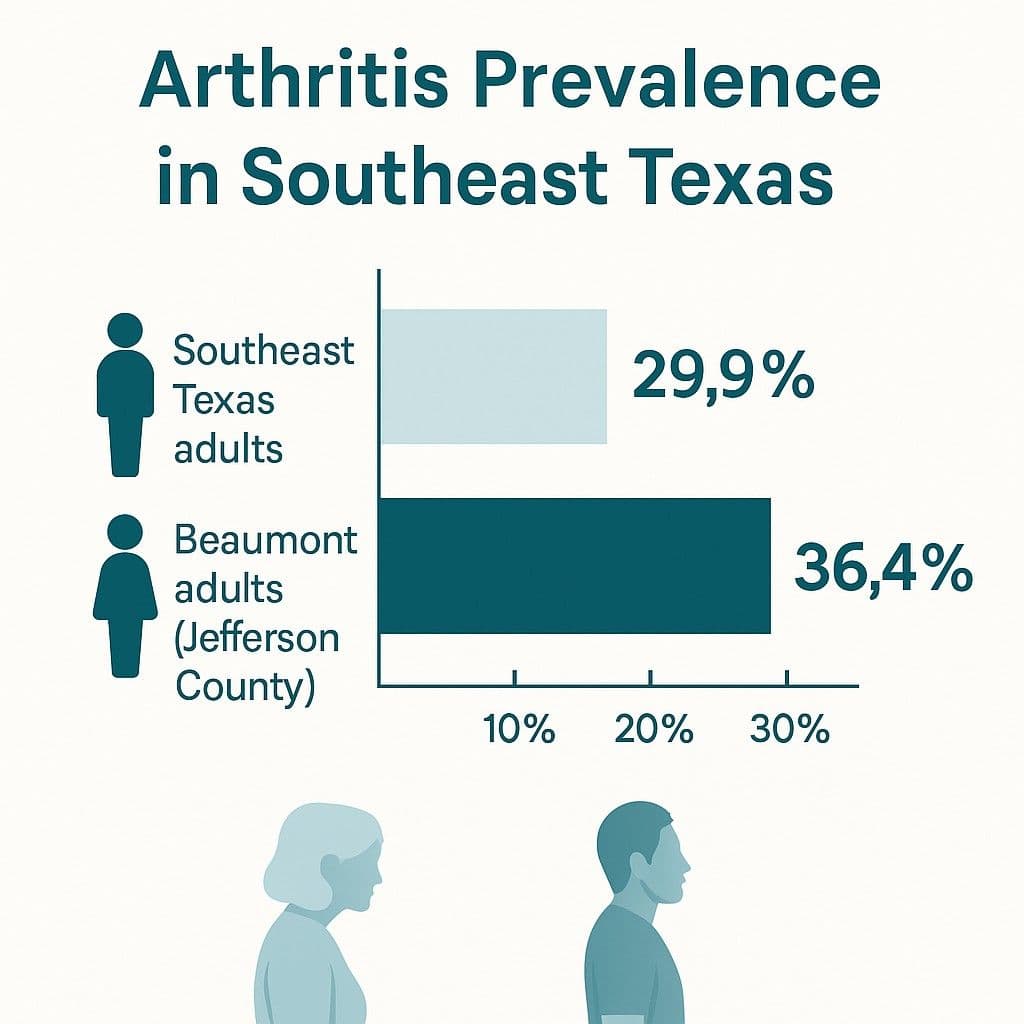
Arthritis is far more than an occasional ache for many Beaumont residents. According to the Centers for Disease Control and Prevention, 19.8% of Texas adults report doctor-diagnosed arthritis—yet in Jefferson County, that figure climbs closer to 22%. Carrying groceries, playing with grandchildren, or even walking around your neighborhood can become painful challenges. At our Beaumont clinic, we understand that effective arthritis pain management Beaumont TX, we view arthritis pain management not as isolated treatments but as a comprehensive partnership: understanding each patient’s unique health profile, tailoring interventions, and guiding them toward sustainable relief. This guide explores the most effective, research-backed strategies for managing arthritis pain and improving overall quality of life.
We aim to be your trusted partner in joint pain management Beaumont residents can rely on for comprehensive arthritis care solutions.
Types of Arthritis and Their Pain Mechanisms
Osteoarthritis (OA): The Wear-and-Tear Culprit
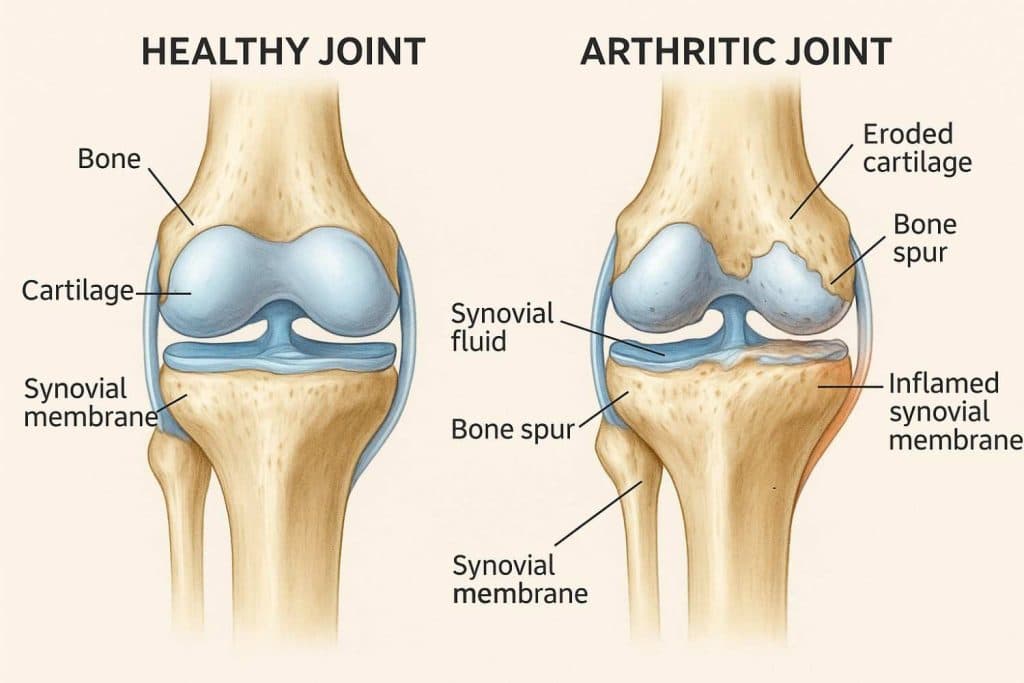
OA affects an estimated 528 million people worldwide. Cartilage degeneration allows bone-on-bone contact, leading to friction, inflammation, and joint pain. Weight-bearing joints—knees and hips—are most commonly impacted, but OA can also afflict the hands, spine, and shoulders. Repeated stress from everyday activities exacerbates pain and stiffness, making simple tasks—from climbing stairs to typing at a desk—arduous. making effective pain relief for arthritis Beaumont crucial.
If you’re experiencing OA symptoms in your lower body, learning about our specific treatments for Knee Pain or Shoulder Pain may be beneficial.
Rheumatoid Arthritis (RA): Autoimmune Attack
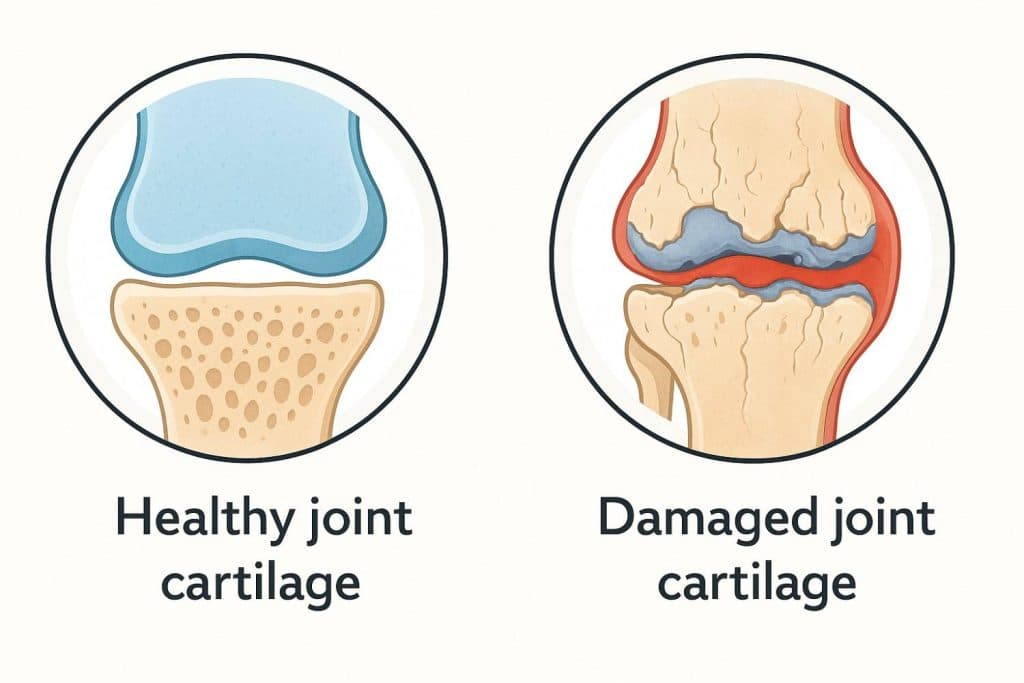
RA is an autoimmune disease targeting the synovial membrane lining joints. The body’s misguided immune response causes swelling, pain, and eventual bone erosion. RA typically presents symmetrically: if your left wrist is inflamed, the right often is too. Systemic symptoms—fatigue, low-grade fever, and prolonged morning stiffness lasting upwards of 60 minutes—distinguish RA from other forms of arthritis.
Other Common Types
- Psoriatic Arthritis: Linked with the skin condition psoriasis, affecting joints and nails.
- Gout: Characterized by sudden, intense attacks of joint pain, usually in the big toe, from uric acid crystal buildup.
- Ankylosing Spondylitis: Primarily targets the spine, causing rigidity and fusion over time.
Each form requires a nuanced pain-management plan tailored to its distinct pathology and symptom profile.
Comprehensive Pain Management Approaches
Medication Management Strategies
Medications remain a cornerstone of arthritis care. Our protocol emphasizes starting with the safest, most tolerable options and advancing based on pain severity and inflammatory markers.
- Acetaminophen (Tylenol): First-line for mild to moderate pain. Dosages up to 3,000 mg/day can be effective, but liver function must be monitored.
- Nonsteroidal Anti-Inflammatory Drugs (NSAIDs): Ibuprofen and naproxen target inflammation and pain. Long-term use carries risks—gastrointestinal bleeding, cardiovascular events—so we regularly review patient tolerance and consider co-prescription of proton pump inhibitors when indicated.
- Topical Analgesics: Creams and patches containing diclofenac or capsaicin can deliver localized relief with minimal systemic absorption.
- Combination Therapies: Tramadol/acetaminophen fixed-dose formulations offer relief for moderate to severe pain when NSAIDs prove insufficient.
- Disease-Modifying Antirheumatic Drugs (DMARDs): In RA, medications like methotrexate or biologics (e.g., TNF inhibitors) slow disease progression and reduce joint damage.
Medical Disclaimer: All prescriptions require careful evaluation of comorbidities, potential interactions, and patient lifestyle. Regular follow-up ensures safe, effective dosing.
Interventional Pain Procedures
When oral medications fail to control pain adequately, targeted procedures can provide significant relief:
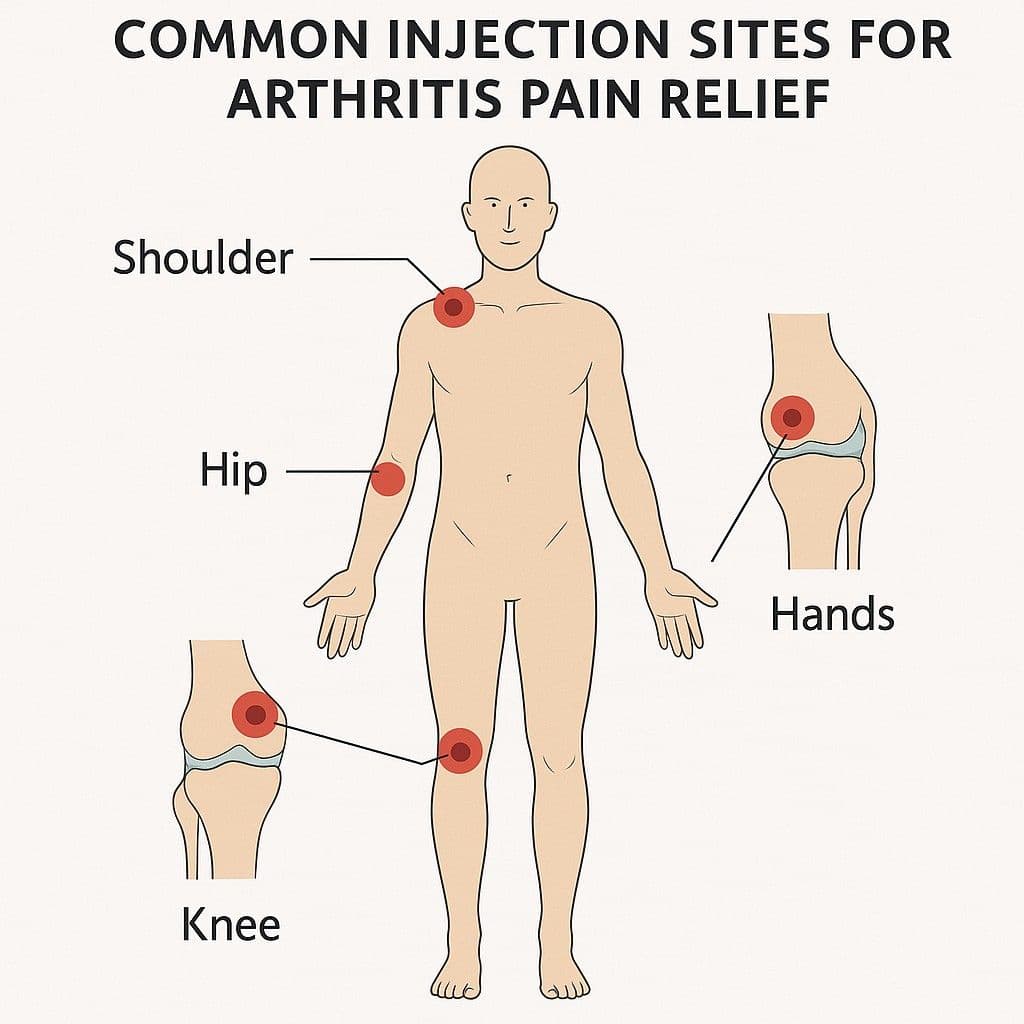
- Corticosteroid Injections: Deliver potent anti-inflammatory medication directly into the joint space. Many patients experience relief within 48 hours, lasting from 6 weeks up to 3 months.
- Hyaluronic Acid (Viscosupplementation): Especially in knee OA, these injections supplement the joint’s natural lubricant, decreasing friction and improving shock absorption. Benefits often begin by week 4 and can last 4–6 months.
- Platelet-Rich Plasma (PRP): Emerging evidence suggests PRP injections—concentrated growth factors from the patient’s own blood—promote tissue healing and reduce inflammation.
- Radiofrequency Ablation: In spinal facet arthritis, this minimally invasive technique uses heat to disrupt pain-transmitting nerves, offering relief for 6–12 months per treatment.
These procedures are performed under ultrasound or fluoroscopic guidance to ensure precision and safety.
Physical Therapy and Exercise Interventions
Therapeutic Exercise Programs
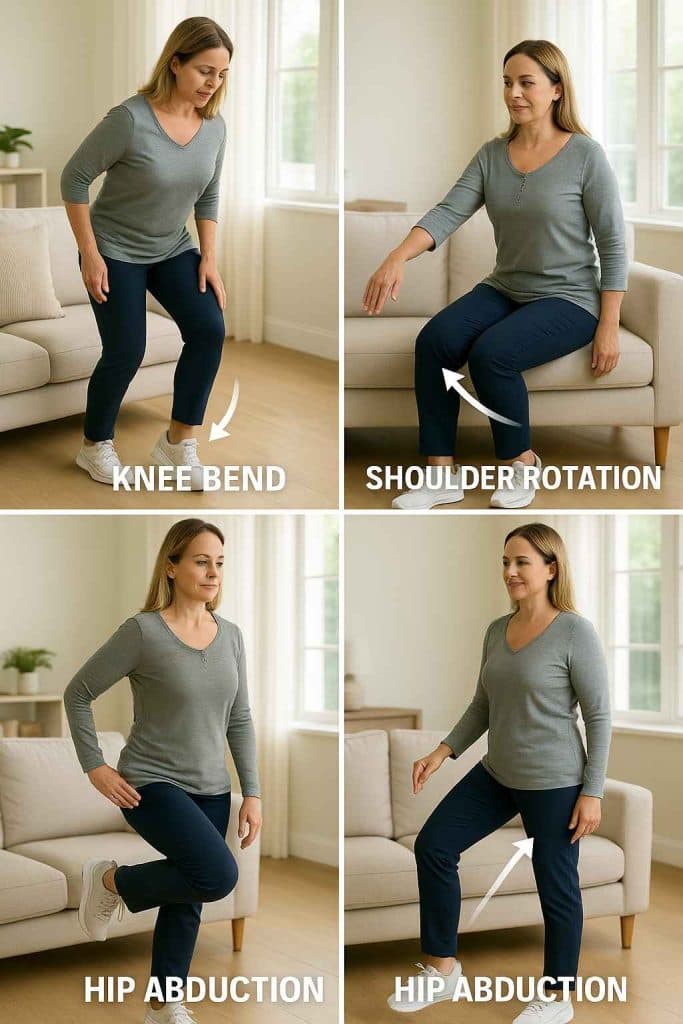
Evidence consistently shows that structured, supervised exercise outperforms unsupervised routines. Key components include:
- Range-of-Motion (ROM) Exercises: Gentle movements to maintain and improve joint flexibility—e.g., seated knee extensions and wrist circles.
- Strength Training: Focus on quadriceps strengthening for knee OA via sit-to-stand drills, hip stabilization through side-lying leg lifts, and shoulder stabilizers with resistance bands.
- Low-Impact Aerobics: Swimming, stationary cycling, and walking reduce joint loading while boosting cardiovascular health and aiding weight management.
Physical therapists in our network collaborate with our clinic to tailor programs that respect each patient’s pain thresholds and functional goals.
Activity Modification & Joint Protection
Learning to modify activities and protect your joints is essential for long-term arthritis pain management Beaumont TX. Adapting daily habits can spare joints undue stress:
- Assistive Devices: Braces, canes, and ergonomic kitchen tools minimize joint strain.
- Workplace Ergonomics: Adjustable chairs, drawer pulls, and voice-activated technology reduce repetitive motions.
- Pacing Strategies: Encourage scheduling rest intervals, alternating tasks, and employing large muscle groups e.g., carrying grocery bags across two arms.
Education on joint protection empowers patients to maintain independence and minimize flare-ups.
Integrated, Multimodal Treatment Approaches
Combining Therapies for Maximum Benefit
Combining therapies addresses arthritis treatment Beaumont TX pain on multiple fronts. Studies demonstrate that patients receiving medications + injections + physical therapy report:
- 50% greater pain reduction
- 40% improvement in functional scores
- Reduced reliance on high-dose NSAIDs by over 60%
Our clinic’s coordinated care plans sequence interventions strategically—beginning with conservative measures, escalating to interventional procedures as needed, and reinforcing gains with ongoing rehabilitative support.
Lifestyle Modifications for Long-Term Success
Sustainable arthritis management extends beyond the clinic:
- Weight Management: Every 5 pounds lost translates into 20 pounds less stress on knee joints.
- Nutrition: Anti-inflammatory diets rich in omega-3 fatty acids, antioxidants, and whole foods support joint health.
- Smoking Cessation: Smoking accelerates cartilage degradation and impairs circulation, slowing healing.
- Stress Reduction: Practices such as yoga, meditation, and biofeedback lower pain perception and inflammatory cytokines.
- Sleep Hygiene: Proper sleep posture and routine promote tissue repair and pain tolerance.
We provide referrals to dietitians, smoking-cessation programs, and local wellness resources to support these critical lifestyle shifts.
Addressing Regional Health Disparities
Jefferson County’s diverse population faces unique barriers—cultural, economic, and logistical—to healthcare access. Our clinic offers:
- Sliding-scale payment options and flexible scheduling.
- Bilingual education materials and interpreter services.
- Community outreach at local health fairs and senior centers.
By removing obstacles, we ensure all Beaumont residents can benefit from comprehensive arthritis care.
When to Seek Professional Help
Prompt evaluation is vital if you experience:
- Persistent joint swelling and pain unrelieved by rest
- Morning stiffness lasting over 30 minutes
- Redness, warmth, or fever alongside joint discomfort
- Difficulty with basic tasks—buttoning shirts, walking stairs, or opening jars
Early diagnosis and tailored intervention slow disease progression and preserve function.
Conclusion
Arthritis pain demands a personalized, multimodal response. By weaving together medication management, interventional procedures, physical therapy, and targeted lifestyle changes—while addressing the unique needs of our community—Beaumont residents can reclaim mobility, reduce pain, and enhance quality of life.
Ready to take control of your arthritis? Visit our Pain Management Service or Contact Us to schedule your comprehensive consultation today.

Medically reviewed by
Verified
DS
Deepak Sharma
DC
Owner & Doctor of Chiropractic
Deepak Sharma, DC is a licensed Doctor of Chiropractic and the owner of Car Accident Cares in Beaumont, TX. He reviews the clinical content published across the site and works with a multidisciplinary network of MDs, chiropractors, imaging centers, and pain-management specialists focused on accurate diagnosis, evidence-based treatment, and complete recovery for motor-vehicle-accident victims across Beaumont and Houston.