Debunking Myths About MRI Scans: Separating Fact From Fear in Beaumont, TX
DS
By Deepak Sharma, DC
Medically reviewed
Owner & Doctor of Chiropractic · 4 min read · Published · Updated · Last reviewed
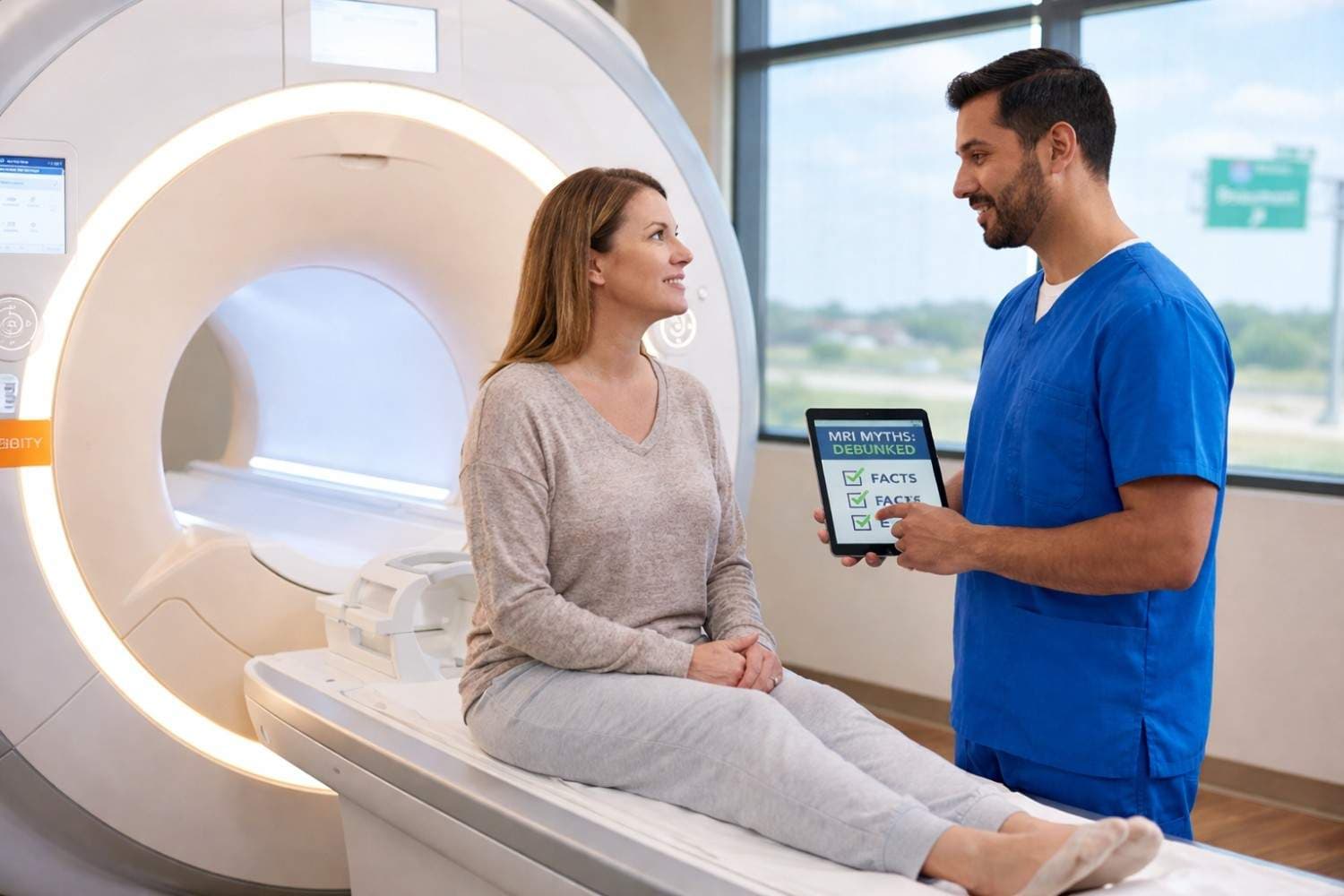
If you’ve recently been involved in a motor vehicle accident on the Eastex Freeway or are dealing with a lingering sports injury, your doctor has likely recommended an MRI. It is a standard procedure, yet for many Beaumont residents, the suggestion of an MRI triggers immediate anxiety. Misconceptions about radiation, “the tube,” and potential health risks cause many patients to delay this critical diagnostic step.
Statistics show that approximately 3 million Americans sustain whiplash injuries annually. In many of these cases, accurate imaging is the only way to identify soft tissue damage that remains invisible to the naked eye. Delaying a scan because of MRI scan myths in Beaumont TX can lead to chronic pain and complicated recoveries.
In this guide, we are separating fact from fiction to help you feel confident and informed. Get the facts about MRI scans so you can focus on what matters most: your recovery.

Myth #1: MRI Scans Expose You to Harmful Radiation
One of the most pervasive common MRI myths is that the machine uses “radiation” similar to an X-ray. This leads many patients to ask: “Can MRI cause cancer?” or “Is MRI bad for your brain?”
The Fact: Unlike CT scans or X-rays, an MRI (Magnetic Resonance Imaging) uses powerful magnetic fields and radiofrequency waves. It involves zero ionizing radiation.
Because there is no radiation exposure, MRI is considered exceptionally safe for children, pregnant women (after the first trimester), and patients who require repeated imaging for chronic conditions. According to the FDA guidelines on MRI benefits and risks, the procedure poses almost no risk to the average patient when appropriate safety screenings are followed. The global MRI market is projected to reach $12.51 billion by 2033, a growth driven largely by the medical community’s shift toward this safer, non-ionizing technology.
Myth #2: MRI Scans Are Painful and Cause Serious Side Effects
Many patients entering a clinic in Beaumont worry about the physical toll of the procedure, often searching for the “side effects of MRI scan” or wondering if an “MRI can cause health problems.”
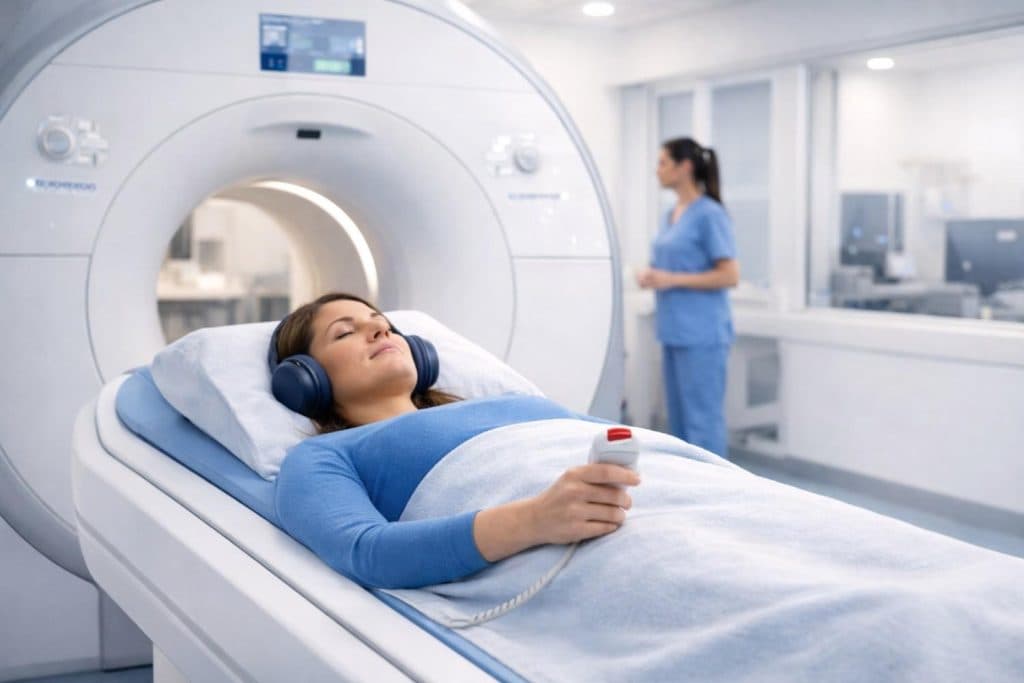
The Fact: MRI scans are entirely painless and non-invasive. You don’t feel the magnetic field or the radio waves. The primary “discomfort” is actually auditory; the machine produces loud thumping or humming noises (up to 100 dB). However, Beaumont imaging centers provide earplugs or music-playing headphones to mitigate this.
As for health problems, serious adverse reactions are exceptionally rare, occurring in only 0.001% to 0.01% of cases, usually related to a rare allergy to contrast dye (gadolinium). For the vast majority of patients, the only “side effect” is the challenge of remaining still for 20 to 60 minutes.
Myth #3: Claustrophobia Makes MRI Impossible
The fear of “the tube” is a significant hurdle. Claustrophobia affects approximately 6% of MRI patients, often leading to canceled appointments and undiagnosed injuries.
The Fact: Modern technology has evolved far beyond the narrow, dark tunnels of the past.
- Wider Bores: Modern closed scanners have larger openings and better ventilation.
- Anatomical Positioning: For many scans (like a knee, foot, or leg), your head remains completely outside the machine.
- Open MRI Options: For those with severe anxiety, open MRI systems are a game-changer. Studies show that 96% of patients who could not complete a conventional scan were successful in an open system.
Myth #4: MRI Cannot Detect Certain Cancers or Health Conditions
Some believe MRI is only for “broken backs” or “torn ligaments” and question: “How accurate is MRI in detecting cancer?” or “Can an MRI detect cancer anywhere in the body?”
The Fact: MRI is one of the most powerful diagnostic tools in existence, offering superior soft tissue visualization with 85% sensitivity and 95% specificity for injury detection. Its accuracy in oncology is even more impressive:
- Breast Cancer: MRI has nearly 100% sensitivity compared to 81.8% for traditional mammography.
- Liver Cancer: MRI shows a 78.82% sensitivity rate, outperforming CT scans (62.35%).
- Neurological Health: MRI is the gold standard for detecting brain tumors, Alzheimer’s, and even some mental health conditions.
While a common disadvantage of MRI scans is the higher cost and longer duration compared to X-rays, the depth of information provided is unmatched.
Myth #5: MRI vs. CT Scan – Choosing Between Imaging Methods
Why Accurate MRI Imaging Matters for Beaumont Accident Victims
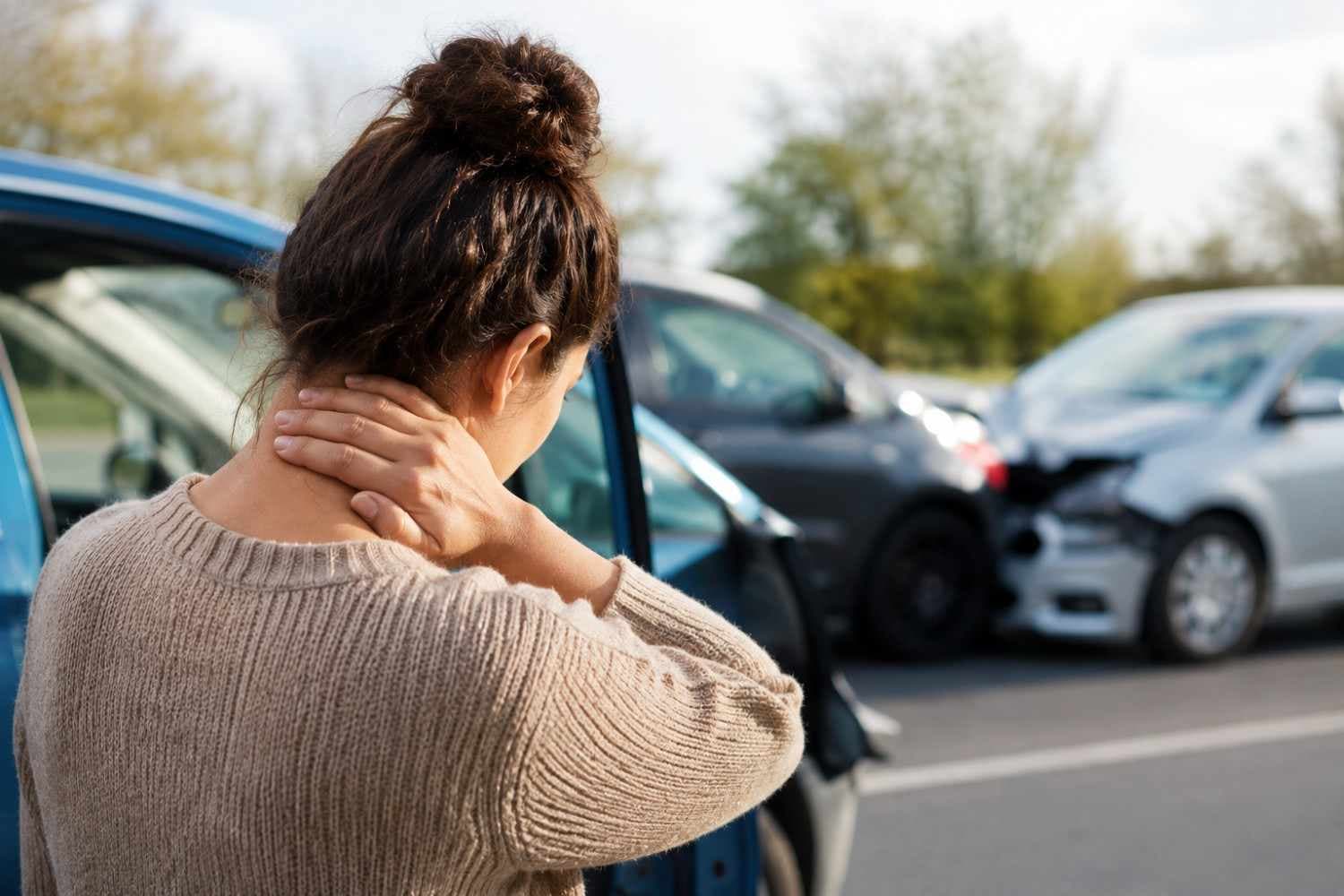
In Beaumont, Texas, the stakes for accurate imaging are high. In 2024 alone, Texas saw 14,905 serious injury crashes. For many of these victims, adrenaline masks the pain immediately after an accident, with symptoms often delayed by 24 to 72 hours.
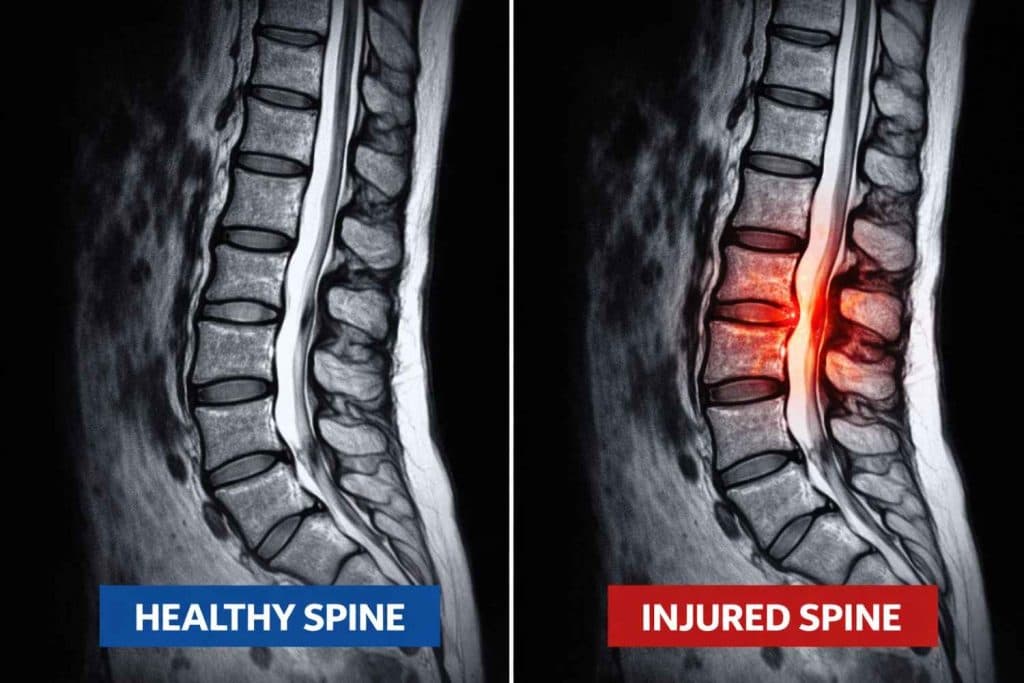
Failure to get a scan can be dangerous. 50% of traumatic brain injuries (TBI) remain undiagnosed in the first 48 hours without proper imaging. Furthermore, motor vehicle collisions account for over 37% of traumatic spinal cord injuries. MRI scan myths in Beaumont, TX shouldn’t stand in the way of a diagnosis that could prevent a lifetime of chronic pain.
Conclusion: Get the Facts About MRI Scans and Make Informed Health Decisions
We’ve debunked the most common fears: MRI doesn’t use radiation, it isn’t painful, claustrophobia can be managed, and its accuracy is world-class. If you are recovering from an accident, an accurate diagnosis is the first step toward reclaiming your life.
Don’t let myths prevent you from getting the care you deserve. Beaumont residents have access to high-quality, safe, and compassionate diagnostic services.
Medically reviewed by
Verified
DS
Deepak Sharma
DC
Owner & Doctor of Chiropractic
Deepak Sharma, DC is a licensed Doctor of Chiropractic and the owner of Car Accident Cares in Beaumont, TX. He reviews the clinical content published across the site and works with a multidisciplinary network of MDs, chiropractors, imaging centers, and pain-management specialists focused on accurate diagnosis, evidence-based treatment, and complete recovery for motor-vehicle-accident victims across Beaumont and Houston.