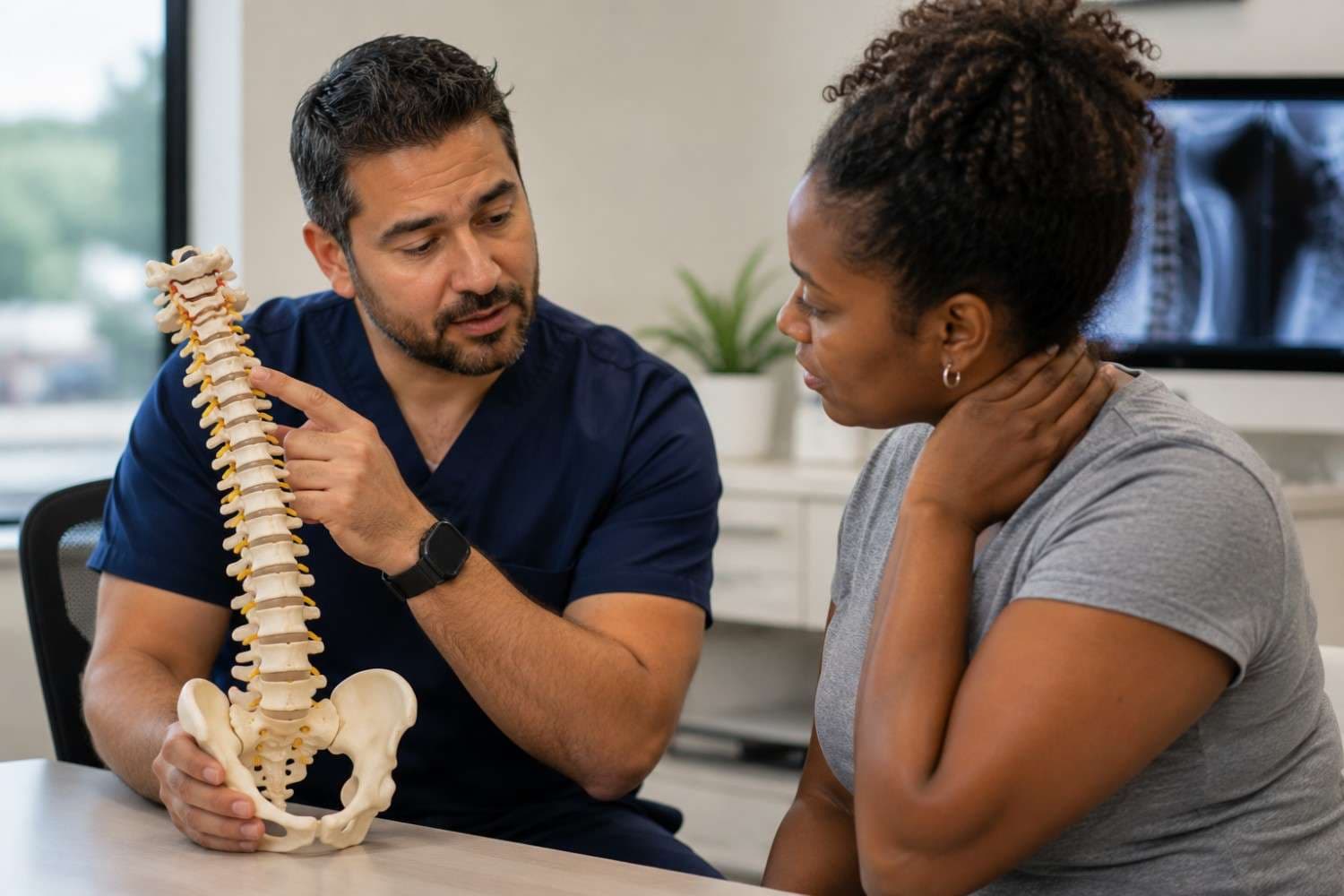
Can Chiropractic Help with Pinched Nerves?
DS
By Deepak Sharma, DC
Medically reviewed
Owner & Doctor of Chiropractic · 6 min read · Published · Updated · Last reviewed

If you’ve ever experienced a sudden jolt of pain, persistent numbness, or a tingling sensation that radiates down your limb, you may be dealing with a pinched nerve. This common yet debilitating condition can stop you in your tracks, making simple daily tasks feel impossible. When this happens, many people in Beaumont, TX, immediately search for effective, non-invasive relief.
The good news is that chiropractic care offers a highly successful approach to treating the root cause of nerve compression. If you are looking for chiropractic for pinched nerve Beaumont TX, you’re exploring one of the most natural and effective ways to find lasting relief.
What Is a Pinched Nerve?
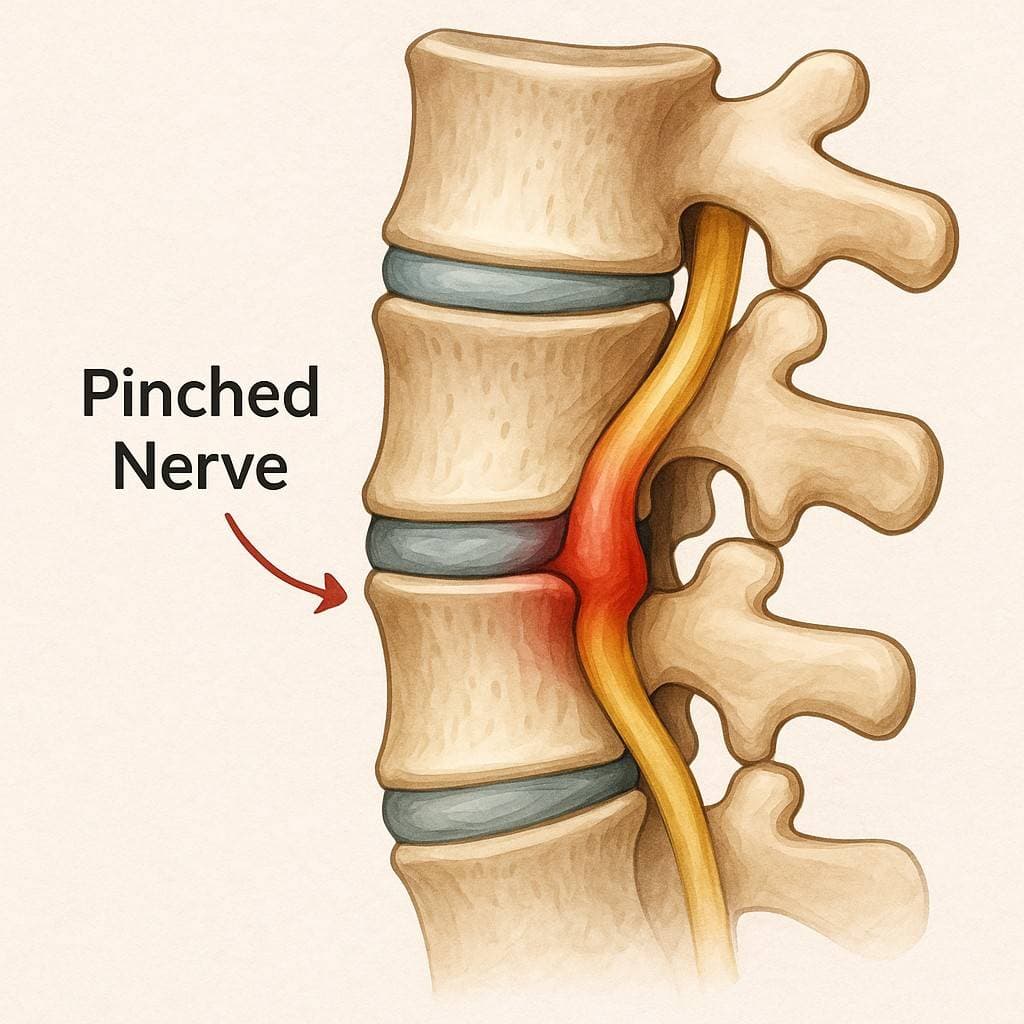
A pinched nerve, medically known as nerve compression, occurs when surrounding tissues—such as bone, cartilage, muscles, or tendons—exert too much pressure on a nerve. This pressure disrupts the nerve’s function, leading to a variety of uncomfortable and often painful symptoms.
Common signs that you may have a pinched nerve include:
- Pain: Sharp, aching, or burning pain that often radiates outward.
- Tingling (“Pins and Needles”): A prickly sensation in the affected area.
- Numbness: Loss of sensation in the area supplied by the nerve.
- Muscle Weakness: Difficulty performing certain movements or dropping objects.
While a pinched nerve can occur anywhere in the body, it is most common in the spine, where a nerve root can be compressed as it exits the spinal column.
To understand the core mechanisms behind nerve relief, it helps to start with a broad chiropractic care overview.
Causes of Pinched Nerves in the Spine
Understanding what causes the pressure is the first step toward effective relief. Pinched nerves in the spine are often traced back to two primary issues: structural problems and soft-tissue issues.
Spinal Misalignments and Subluxations
The most frequent cause of nerve compression is a structural issue within the spine. When the vertebrae—the small bones that make up the spine—become misaligned, this is known as a subluxation. Even a slight shift can narrow the space through which a spinal nerve passes, leading to direct compression of the delicate nerve root.
Conditions that often involve significant spinal misalignment and nerve pressure include:
- Bulging or herniated disc: When the soft cushion between the vertebrae shifts, it can press directly on the nerve.
- Sciatica: This is a specific type of pinched nerve affecting the largest nerve in the body. If you’re experiencing severe sciatic nerve pain Beaumont, it’s likely due to compression in your lower back.
- Osteoarthritis: Bone spurs forming on the spine can also narrow the space around the nerve.
Muscle Tension and Inflammation
Beyond the bones, the surrounding soft tissues can also contribute to nerve pain. Severe or chronic muscle tension can cause inflammation and swelling, which puts indirect pressure on nearby nerves. Furthermore, a muscle spasm can physically squeeze a nerve, aggravating the pain and contributing to further misalignment as your body tries to guard the injured area.
How Chiropractic Adjustments Relieve Pinched Nerves
Chiropractic care focuses on treating the source of the compression—the spinal misalignment—rather than just masking the symptoms. By restoring proper alignment, the pressure is naturally removed from the irritated nerve.
Spinal Manipulation Techniques
Chiropractors are experts in gently and precisely adjusting the spine to correct subluxations. Depending on your condition and comfort level, a chiropractor may use various techniques, including:
- Diversified Technique: Quick, low-amplitude thrusts to restore joint mobility.
- Drop-Table: A specialized table with segments that drop slightly to assist the adjustment.
- Activator Method: A small, hand-held instrument that delivers a gentle impulse to the spine.
Restoring Proper Spinal Alignment
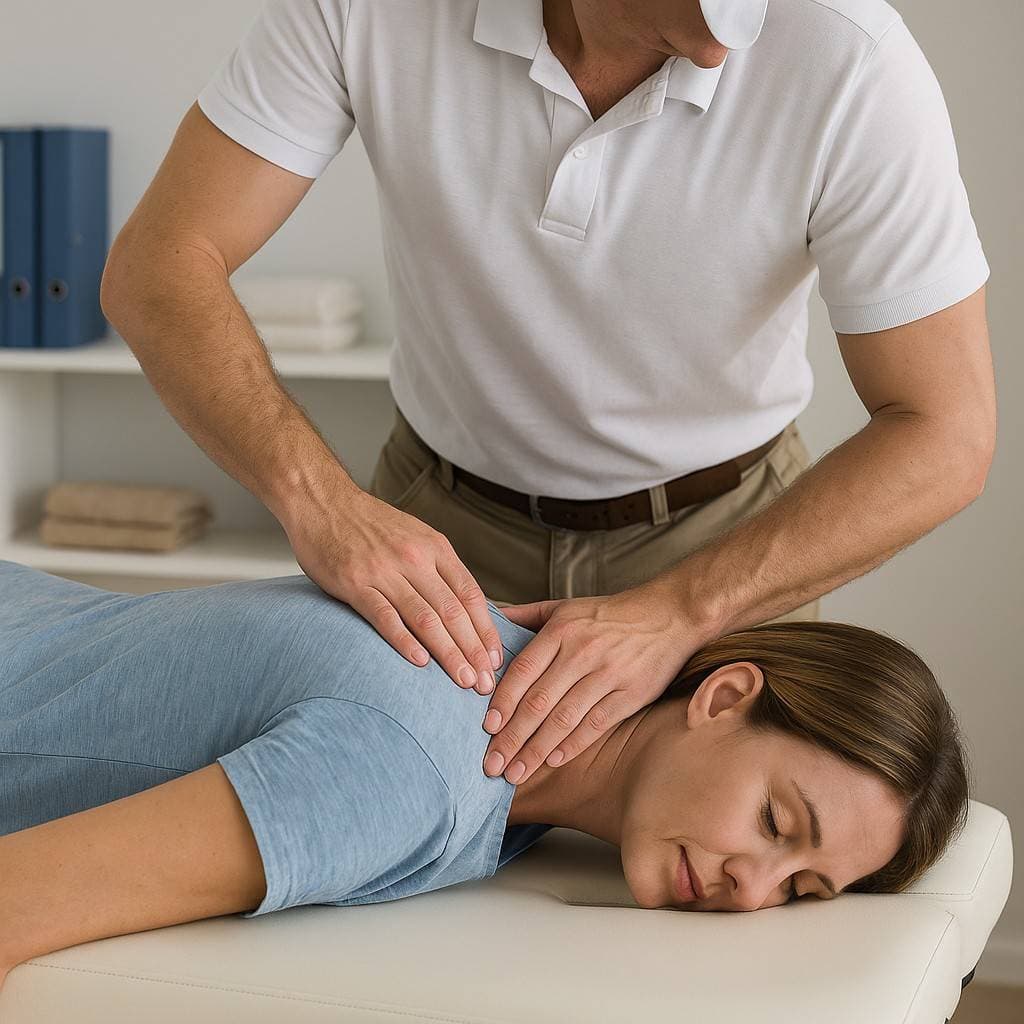
The core mechanism of relief is the direct correction of the vertebral misalignment. Gentle realignment creates more space for the nerve root to exit the spine. This reduction in pressure stops the constant irritation, allowing the nerve to heal and function normally. As the nerve heals, symptoms like tingling, numbness, and pain begin to subside.
Supporting Soft-Tissue Therapies
To ensure long-term relief and prevent recurrence, your chiropractor may integrate complementary treatments to address surrounding muscle tension and inflammation. These soft-tissue therapies can include:
- Trigger-point therapy to release muscle knots.
- Therapeutic stretching and exercises.
- Massage and manual release techniques.
Benefits of Chiropractic Care for Pinched Nerve Treatment in Beaumont
Choosing a chiropractor for pinched nerve treatment Beaumont offers distinct advantages over other pain management options:
- Non-Invasive and Drug-Free: Chiropractic care is a natural way to achieve relief without relying on medication, injections, or surgery.
- Addresses the Root Cause: Instead of simply treating the pain, your chiropractor works to resolve the structural issue causing the nerve compression.
- Personalized Treatment: Your treatment plan is customized based on your specific nerve injury, spinal condition, and lifestyle.
- Faster Recovery: Restoring proper alignment often leads to quicker nerve decompression and a faster return to normal activities.
What to Expect During Your Chiropractic Visit
Your journey toward nerve compression relief chiropractor services starts with a thorough examination.
During your initial consultation, your chiropractor will:
- Conduct a Comprehensive Assessment: This includes a detailed review of your medical history, symptoms, and accident/injury details.
- Perform Diagnostic Palpation: Your doctor will physically examine your spine and surrounding tissues to locate the precise site of the subluxation and nerve compression.
- Develop a Treatment Plan: Based on their findings, they will outline a personalized plan focusing on specific adjustments and complementary therapies.
To learn more about what we offer, visit our chiropractic services.
We’ve seen countless Beaumont, TX residents find relief from debilitating nerve pain. For example, a patient experiencing chronic sciatica due to a pinched nerve in their lower back found significant relief after just a few weeks of targeted adjustments. They reported being able to stand, walk, and sit without the constant, radiating pain that had previously limited their life. This is the power of restoring proper spinal function.
DIY Tips and Prevention Strategies
While professional chiropractic care is essential for relief, you can take steps at home to support your recovery and prevent future nerve compression:
- Focus on Posture: Maintain neutral spine alignment while sitting and standing. Use lumbar support when driving or sitting for long periods.
- Ergonomic Advice: Ensure your workspace is set up correctly, with your monitor at eye level and your feet flat on the floor, to minimize strain.
- Gentle Stretching: Targeted stretches can help keep muscles flexible and reduce the surrounding soft-tissue pressure—a key part of nerve compression relief chiropractor advice.
Conclusion
A pinched nerve can be a serious source of chronic pain and disability, but it doesn’t have to control your life. Chiropractic care is a proven, evidence-based method for providing safe and effective nerve compression relief by addressing the underlying spinal misalignments.
In Beaumont, TX, we are committed to providing expert, focused care to help you get back to a life free of nerve pain. Don’t let a pinched nerve limit your mobility or quality of life.
Get help for pinched nerve pain—schedule your consultation today.
Medically reviewed by
Verified
DS
Deepak Sharma
DC
Owner & Doctor of Chiropractic
Deepak Sharma, DC is a licensed Doctor of Chiropractic and the owner of Car Accident Cares in Beaumont, TX. He reviews the clinical content published across the site and works with a multidisciplinary network of MDs, chiropractors, imaging centers, and pain-management specialists focused on accurate diagnosis, evidence-based treatment, and complete recovery for motor-vehicle-accident victims across Beaumont and Houston.