Can a Car Accident Cause Chronic Pain?
DS
By Deepak Sharma, DC
Medically reviewed
Owner & Doctor of Chiropractic · 6 min read · Published · Updated · Last reviewed

After a car accident in Beaumont, TX, the immediate pain you feel is often acute—a sharp, immediate signal that something is wrong. But what happens when that pain doesn’t go away? You’ve seen a doctor, followed your initial treatment plan, but months later, a persistent ache or a deep, nagging discomfort remains. It’s a question many accident victims in our community face: Can car accident cause chronic pain? The answer is yes, and it’s a critical issue that underscores the importance of early and proper medical care. Ignoring or improperly treating an injury from a crash can set the stage for long-term pain that affects your quality of life long after the accident report is filed.
What Is Chronic Pain After a Car Accident?
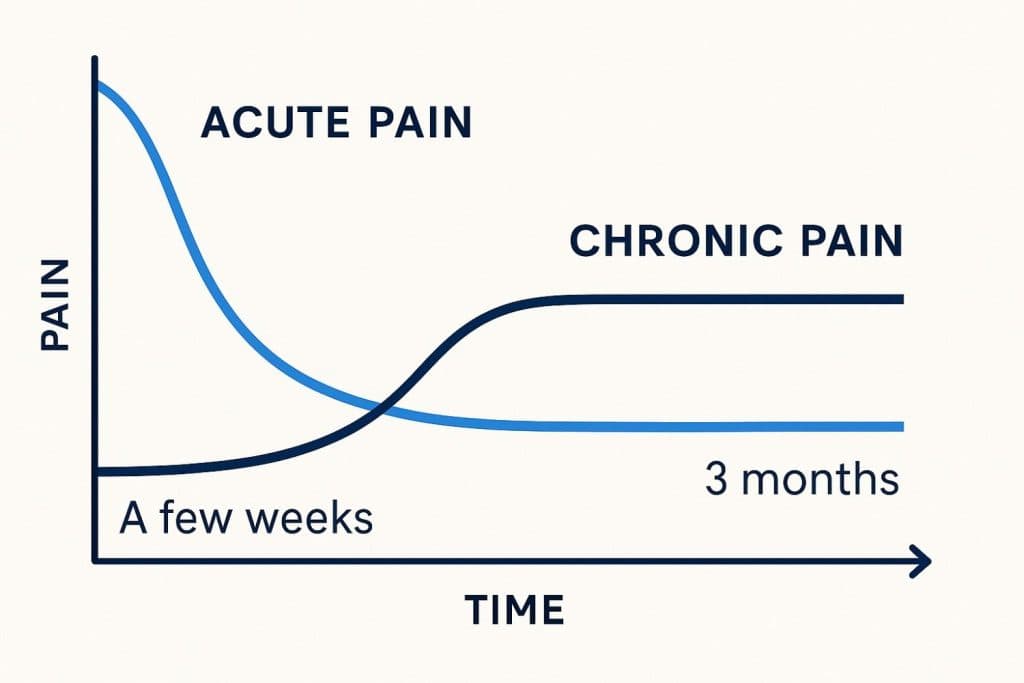
To understand how acute injuries turn into a long-term problem, it’s essential to differentiate between acute and chronic pain. Acute pain is the body’s natural alarm system. It’s a temporary response to injury and typically resolves as the body heals, usually within a few weeks to a few months. Think of a bruise that fades or a sprained ankle that mends.
Chronic pain, on the other hand, is a persistent and often debilitating condition. By definition, it’s pain that lasts for more than three to six months—well past the normal healing period. After a car accident, chronic pain isn’t just a prolonged version of the initial injury; it’s a complex condition often involving nerve changes, inflammation, and psychological factors. It can be a constant, low-grade ache or a sharp, recurring sensation that interferes with daily activities.
How Acute Injuries Can Evolve Into Chronic Pain
The most common cause of chronic pain after a car accident is the inadequate treatment of an acute injury. When an injury isn’t properly diagnosed or given the time and care it needs to heal, the body can develop compensatory mechanisms that lead to long-term issues.
Untreated or Improperly Treated Soft Tissue Injuries
Soft tissue injuries—damage to muscles, tendons, and ligaments—are some of the most common outcomes of a car crash. Conditions like whiplash, sprains, and strains are often underestimated. While they may not show up on an X-ray, they can be incredibly painful. If a soft tissue injury is not treated correctly with rest, physical therapy, and other interventions, the damaged tissue can heal with excessive scar tissue. This scar tissue can limit mobility, cause stiffness, and lead to persistent, nagging pain. For more see our Soft Tissue Injury Treatment.
Joint and Disc Injuries Leading to Long-Term Damage
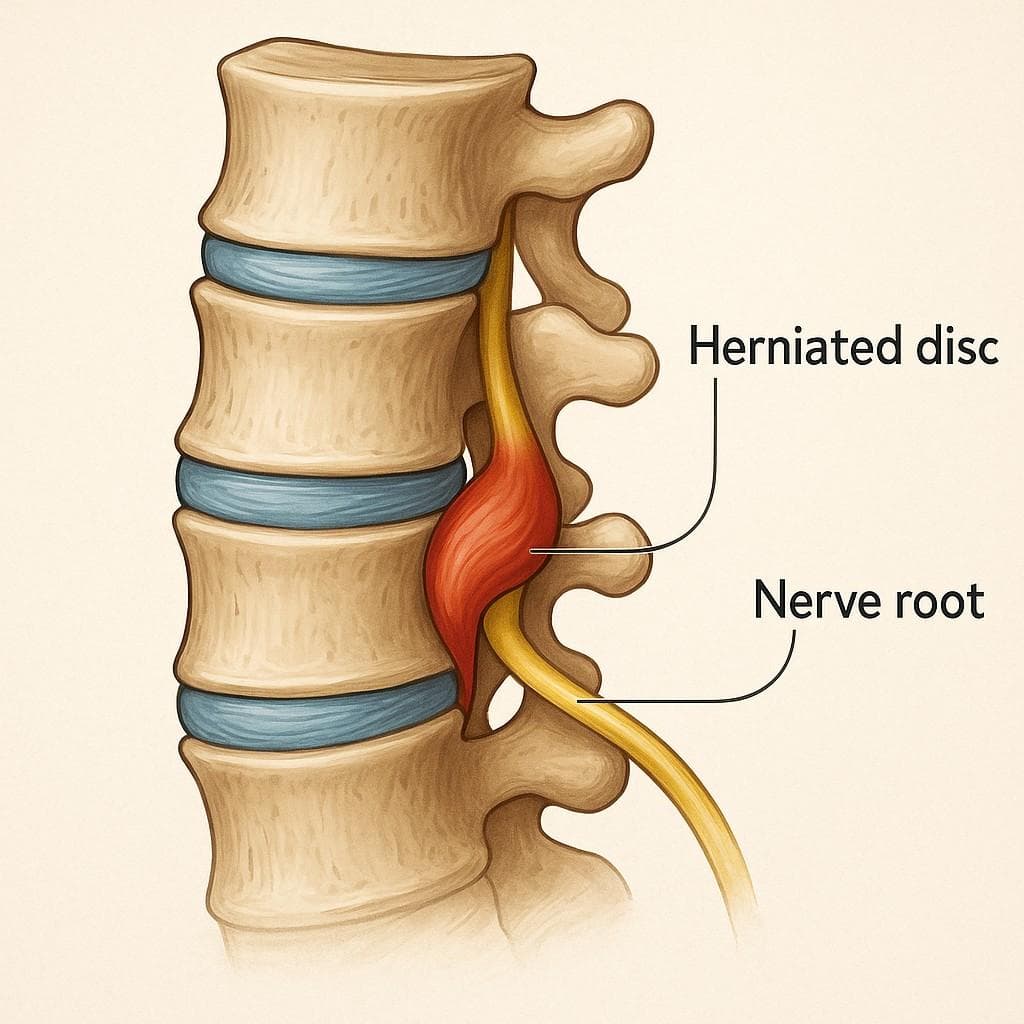
The forceful impact of a car accident can put immense strain on the spine and joints, leading to more serious issues like herniated discs and facet joint syndrome. A herniated or bulging disc occurs when the soft cushioning between the vertebrae is displaced, often pressing on nearby nerves. This can cause significant long term pain after accident that radiates to the arms or legs. Similarly, facet joint syndrome involves inflammation and pain in the small joints of the spine, which can be a source of chronic back pain. These injuries can be particularly insidious because the pain may not be severe at first but can worsen over time, especially with risk factors like age or a pre-existing condition. Visit Herniated Disc After Accident.
Nerve Damage and Neuropathic Pain Development
Perhaps one of the most debilitating forms of chronic pain is neuropathic pain, which results from damage to the nerves themselves. A car accident can cause nerve impingement or direct trauma to a nerve. This can lead to a condition where the nerve sends pain signals to the brain even when there is no ongoing physical injury. Symptoms are often described as burning, tingling, numbness, or a feeling of “pins and needles.” This type of pain is notoriously difficult to treat and is a clear example of how a crash can cause chronic pain after crash.
Importance of Early and Comprehensive Care
The single most effective way to prevent the development of chronic pain is to seek early and comprehensive care. Don’t wait until the pain becomes a problem. The first 72 hours after an accident are crucial for getting a proper medical evaluation.
Timely Medical Evaluation and Diagnosis
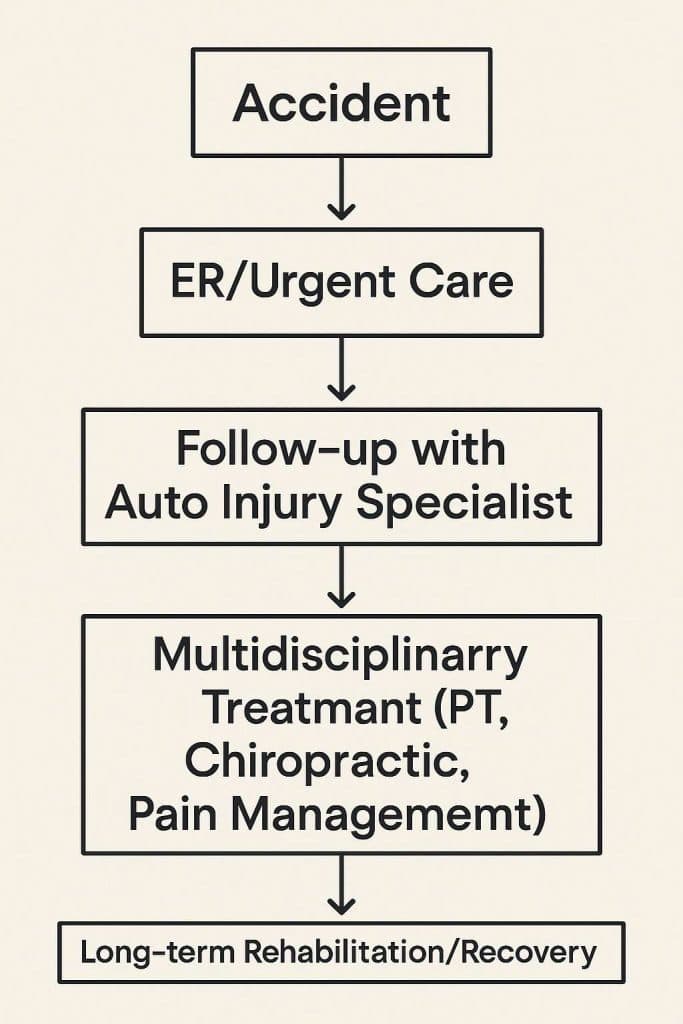
Even if you feel fine immediately after a collision, an underlying injury may not present symptoms for days. A thorough medical evaluation, including imaging like an MRI or X-ray if recommended, can reveal hidden injuries that need immediate attention. A specialist can then create a targeted treatment plan. Following this plan is non-negotiable for a full recovery.
Multidisciplinary Treatment Approaches
Treating the complex nature of post-accident injuries often requires more than a single approach. A multidisciplinary team, including physical therapists, chiropractors, and pain management specialists, can address the different aspects of your recovery. Physical therapy can restore strength and range of motion, chiropractic care can ensure proper spinal alignment, and pain management techniques can provide relief while you heal. This integrated approach addresses the root cause of the pain, not just the symptoms, reducing the risk of it becoming chronic.
Patient Role: Adherence and Self-Care
While professional care is essential, you also play a vital role in your own recovery. Adhering to your treatment plan—whether it’s doing home exercises, attending all your appointments, or making lifestyle changes—is critical. Things like maintaining a healthy diet, getting enough sleep, and practicing proper ergonomics can all support your body’s healing process and help prevent preventing chronic accident pain.
Preventing Chronic Pain After an Accident
The proactive steps you take in the days and weeks following a car accident are your best defense against long-term suffering. Seeking early medical intervention, following a comprehensive treatment plan, and actively participating in your recovery journey are the keys to a pain-free future. Visit Car Accident cares.
When to Seek Specialized Pain Management
If you have done everything right and are still experiencing persistent pain after three months, it might be time to seek specialized pain management. A pain specialist can perform advanced diagnostics and offer a wider range of treatment options, from nerve blocks and injections to regenerative medicine. They can help you manage your symptoms and improve your quality of life.
Conclusion
If you’ve been in a car accident, don’t let a minor ache become a lifelong problem. The acute pain you feel today can evolve into a complex, debilitating condition if not addressed correctly from the start. Taking immediate action is the best way to prevent this outcome.
Prevent chronic pain after an accident by scheduling a consultation with a qualified auto injury specialist in Beaumont, TX, and learning more about how to protect your health and well-being.
Medically reviewed by
Verified
DS
Deepak Sharma
DC
Owner & Doctor of Chiropractic
Deepak Sharma, DC is a licensed Doctor of Chiropractic and the owner of Car Accident Cares in Beaumont, TX. He reviews the clinical content published across the site and works with a multidisciplinary network of MDs, chiropractors, imaging centers, and pain-management specialists focused on accurate diagnosis, evidence-based treatment, and complete recovery for motor-vehicle-accident victims across Beaumont and Houston.