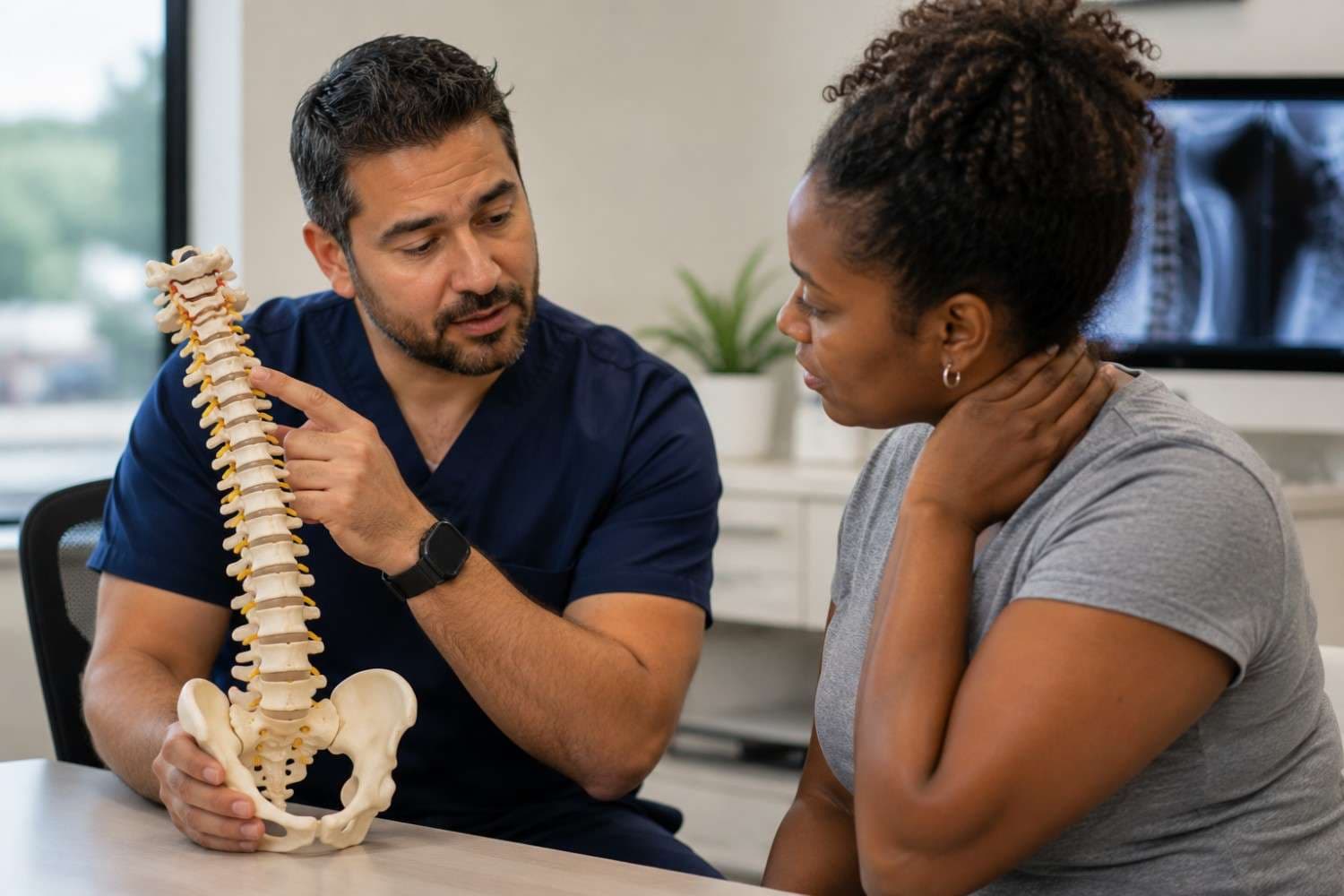
Expert Advice for Handling a Minor Car Accident | Insurance Claim Tips
DS
By Deepak Sharma, DC
Medically reviewed
Owner & Doctor of Chiropractic · 16 min read · Published · Updated · Last reviewed

Being involved in a car accident, even a minor one, can be a stressful and confusing experience. This article, packed with expert advice for handling a minor car accident and navigating the insurance claim process, will equip you with the knowledge and steps to ensure a smooth resolution.
We’ll break it down into clear sections, guiding you through everything from understanding car insurance basics to dealing with insurance companies after the accident. Let’s get started and ensure you’re prepared, just in case.
Understanding Car Insurance and Claims
Before we delve into the specifics of a minor car accident, let’s establish a foundation in car insurance and how claims are handled.
What is Auto Insurance?
Auto insurance is a financial safety net that protects you from the costs associated with car accidents. It covers property damage and bodily injury inflicted on others, as well as damage to your own vehicle, depending on your policy. There are different types of coverage available, and understanding them is crucial for navigating the claim process effectively.
Types of Car Insurance Coverage
- Liability Coverage: This mandatory coverage pays for property damage and bodily injuries caused to others in an accident where you are deemed at fault. It typically comes in two parts: Bodily Injury Liability (BI) and Property Damage Liability (PD).
- Collision Coverage: This coverage reimburses you for repairs to your vehicle if it’s damaged in a collision with another car or object.
- Comprehensive Coverage: This coverage protects your car against damages caused by non-collision events like theft, vandalism, fire, or weather.
Importance of Insurance Information in a Car Accident
In the aftermath of a minor car accident, exchanging insurance information with the other driver is paramount. This information includes the driver’s name, contact details, insurance company name and policy number. Having this readily available can expedite the claim process for everyone involved.
How Insurance Companies Handle Claims
When you file a claim, your insurance company assigns an adjuster to investigate the accident and assess the damages. The adjuster will gather information, review police reports (if applicable), and estimate repair costs. Based on their findings and your policy coverage, they will determine a settlement amount.
Understanding this basic claims process will help you manage your expectations and communicate effectively with your insurance company.
Before the Car Accident: Preparation Tips
Being prepared for a minor car accident, even if you hope it never happens, can significantly ease the stress and ensure a smoother claim process. Here are some key tips:
Keeping Your Car Insurance Documents Handy
Store your car insurance documents, including your proof of insurance card and policy declaration page, in a readily accessible location within your vehicle’s glove compartment. Having them on hand allows for a swift exchange of information at the accident scene.
Contact Information for Emergencies
Compile a list of emergency contact information, including local law enforcement, your insurance company’s roadside assistance number, and a trusted friend or family member who can be reached in case of an accident. Keep this list easily accessible, perhaps on the visor of your car.
Know Your Insurance Rates and Coverage
Take time to familiarize yourself with your car insurance policy. Understand your coverage limits, deductibles (the amount you pay out of pocket before insurance kicks in), and any exclusions that might apply. Expert advice for handling a minor car accident always recommends reviewing your policy periodically to ensure it meets your current needs.
At the Scene of the Accident: First Steps
The immediate aftermath of a minor car accident can be overwhelming. However, staying calm and taking the following steps will help ensure everyone’s safety and protect your rights when filing an insurance claim.
Stay Calm and Don’t Leave the Scene
Even if the accident seems minor, it’s crucial to stay calm and assess the situation. Leaving the scene of an accident, even a minor one, can be considered a hit-and-run offense and could have legal repercussions.
Assessing the Severity of a Minor Car Accident
Before jumping into action, take a moment to evaluate the situation. Is anyone injured? Are the vehicles drivable? If there are injuries, call emergency services immediately. If the accident involves significant damage or injuries, calling the police is essential to file an official report. For minor fender-benders with no injuries and drivable vehicles, exchanging information might suffice.
When to Call the Police
As a general rule, call the police in the following situations:
- If there are any injuries, regardless of severity.
- If one or both vehicles are not drivable.
- If there is significant damage to the vehicles.
- If the other driver seems intoxicated or belligerent.
- If you suspect the other driver may be uninsured.
Having a police report on file can be crucial evidence when filing an insurance claim, especially if there are discrepancies in accounts of the accident.
Collecting Contact Information from Others Involved
Once you’ve ensured everyone’s safety and determined whether to call the police, exchange contact information with the other driver(s) involved. Here’s what you’ll need to collect:
- Full name and contact information of all drivers involved.
- Driver’s license numbers and issuing states.
- Insurance company name and policy number for each driver.
- Make, model, and license plate number of all vehicles involved.
If possible, take photos of the other driver’s license, insurance card, and license plate. This will serve as documented proof in case the information is lost or disputed later.
By following these steps at the scene of the accident, you’ll be well on your way to a smooth claim process. Remember, expert advice for handling a minor car accident emphasizes staying calm, prioritizing safety, and gathering accurate information.
Exchanging Information and Documenting the Scene
Exchanging information and thoroughly documenting the accident scene are critical steps for a successful insurance claim.
What Insurance Information to Exchange
As mentioned earlier, exchange insurance information with all drivers involved in the accident. This includes their names, contact details, insurance company names, and policy numbers.
Pro Tip: If possible, take a picture of the other driver’s insurance card with your smartphone camera. This ensures you have a clear copy of their information, even if you lose the physical note you jotted it down on.
Taking Photos of the Accident Scene
Documenting the accident scene with photographs is vital. Take pictures of the damage to all vehicles involved, including close-up shots of dents, scratches, and any other visible damage. Additionally, capture photos of the overall accident scene, including skid marks, debris, and traffic signals.
Creating an Accident Report
If the police are not called, or as a supplementary record, consider creating a brief written report of the accident. This report should include the date, time, and location of the accident. Describe the events leading up to the accident, the direction of travel of all vehicles involved, and the nature of the damage.
While not a substitute for a police report, a written accident report can be helpful in refreshing your memory and ensuring all details are documented accurately.
The Importance of Accurate Information in the Claim Process
Throughout this process, accuracy is paramount. Double-check all the information you collect, from contact details to details about the accident itself. Having accurate and complete information will streamline the claim process and minimize the risk of delays or denials.
Filing an Insurance Claim After a Car Accident
After the initial shock of a minor car accident subsides, it’s time to file an insurance claim. Here’s a breakdown of the process and some valuable tips to ensure a smooth resolution.
When and How to File a Claim
Contact your insurance company as soon as possible after the accident, ideally within 24 to 48 hours. Most insurance companies allow you to file a claim online, by phone, or directly through their mobile app. Be prepared to provide details about the accident, including the date, time, location, and the parties involved.
Understanding the Claim Process
Once you file your claim, your insurance company will assign an adjuster to investigate the accident. The adjuster will typically contact you to gather information, review any police reports or witness statements, and potentially schedule an inspection of the damaged vehicle.
Based on their investigation and your policy coverage, the adjuster will determine a settlement amount to cover the repairs. This amount may include the actual cash value (ACV) of your car if it’s totaled, or the cost of repairs if the damage falls below the total loss threshold.
Understanding the basic claim process will help you manage your expectations and effectively communicate with your adjuster. Don’t hesitate to ask questions and seek clarification if anything is unclear.
Tips for a Successful Auto Insurance Claim
- Be Prepared: Gather all the documentation you collected at the accident scene, including police reports, photos, and witness statements (if applicable).
- Be Cooperative: Provide the adjuster with all requested information promptly and honestly.
- Review the Settlement Offer Carefully: Before accepting a settlement offer, ensure it covers the full extent of the damage. If you have questions or believe the offer is too low, negotiate with your adjuster or seek guidance from an insurance professional.
Dealing with Insurance Companies Post-Claim
After you accept the settlement offer and your claim is finalized, there might be additional steps depending on the situation. If your car requires repairs, your insurance company might have a network of preferred repair shops. While using a preferred shop can expedite the process, you are not obligated to use them and can choose your own qualified repair facility.
It’s also important to note that filing a claim may affect your insurance rates at renewal time. However, depending on your policy and accident history, the increase might not be significant for minor accidents.
By following these tips and maintaining open communication with your insurance company, you can ensure a smoother and more successful claim resolution process.
Seeking Legal Advice and Addressing Personal Injuries
While minor car accidents often involve property damage and no serious injuries, it’s crucial to address any potential health concerns.
When to Contact a Car Accident Lawyer
In some cases, even seemingly minor injuries can manifest later. If you experience any pain or discomfort after a car accident, seek medical attention immediately. This will not only ensure your well-being but also create a documented record of your injuries for potential future claims.
If you sustained significant injuries, have doubts about your insurance coverage, or believe the other driver was negligent, consider consulting with a car accident lawyer. An experienced attorney can advise you of your legal rights, represent you in negotiations with the insurance company, and ensure you receive fair compensation for your injuries.
Here’s an important point to remember: Consulting with a lawyer doesn’t automatically mean filing a lawsuit. An attorney can provide valuable legal guidance and ensure your interests are protected throughout the claim process.
Signs of Personal Injury After a Minor Car Accident
Even if you feel okay immediately after a car accident, be mindful of potential delayed injuries. Common signs to watch out for include:
- Neck pain, headaches, and dizziness (potential signs of whiplash)
- Back pain and muscle stiffness
- Cuts, scrapes, and bruises
- Anxiety, stress, and emotional distress
If you experience any of these symptoms, don’t hesitate to seek medical attention. Early diagnosis and treatment can significantly improve recovery outcomes and minimize long-term complications.
How Accident Attorneys Can Help You
A car accident lawyer can be a valuable asset in several ways:
- Investigating the Accident: Attorneys can gather evidence, interview witnesses, and reconstruct the accident scene to determine fault and build a strong case.
- Negotiating with Insurance Companies: Insurance companies are focused on minimizing payouts. An attorney can advocate for your best interests and negotiate a fair settlement for your medical expenses, lost wages, and pain and suffering
Common Concerns and Questions After a Minor Car Accident
The aftermath of a minor car accident can raise several questions and concerns. Let’s address some of the most common ones to ensure you’re well-informed and prepared.
How a Minor Car Accident Affects Insurance Rates
While filing a claim for a minor accident might not cause a drastic increase in your insurance rates, it’s a possibility. The impact depends on several factors, including:
Your accident history: A clean driving record with no prior accidents will likely result in a smaller increase compared to a history of accidents.The severity of the accident: Minor fender-benders typically have less impact on rates compared to accidents with significant damage.Your insurance company’s policies: Different insurance companies have varying rate structures. - The best way to understand how a minor accident might affect your rates is to contact your insurance company directly.
Pro Tip: Maintaining a clean driving record, taking defensive driving courses, and opting for higher deductibles can potentially help you lower your insurance premiums.
Repairing Property Damage from a Car Accident
Once you receive the settlement offer from your insurance company, you have several options for repairing your vehicle:
Using a Preferred Repair Shop: Many insurance companies have networks of preferred repair shops that offer competitive rates and streamlined service.Choosing Your Own Repair Shop: You are not obligated to use a preferred shop and can select a qualified repair facility of your choice.Total Loss: If the cost of repairs exceeds the car’s actual cash value (ACV), your insurance company will likely declare it a total loss. In this case, you will receive the ACV of your car, minus your deductible. - Expert advice for handling a minor car accident recommends obtaining estimates from several repair shops before making a decision. Ensure the chosen shop is reputable and uses high-quality parts.
Filing Claims for Fender Benders
Fender benders, a common type of minor car accident involving minimal damage, can often be resolved without involving the police. However, it’s still crucial to document the accident scene thoroughly, exchange information with the other driver, and notify your insurance company.
Here’s a key point to remember: Even for minor fender-benders, filing an accident report with your insurance company creates a record of the incident. This can be helpful in case there are any disputes or unforeseen issues arise later.
What to Expect from Car Insurance Companies
Throughout the claim process, it’s essential to maintain realistic expectations when dealing with your insurance company. Insurance companies are in the business of managing risk and minimizing payouts.
Expert advice for handling a minor car accident emphasizes clear communication and documentation. Be prepared to provide accurate information, ask questions for clarification, and negotiate the settlement offer if necessary.
Remember, you have the right to understand your policy coverage and ensure you receive fair compensation for covered damages. If you encounter any difficulties or feel the insurance company is not acting in good faith, don’t hesitate to seek legal advice.
By understanding these common concerns and managing expectations, you can navigate the post-accident process with greater confidence and ensure a fair resolution.
Summarizing the Steps to Take After a Minor Car Accident
Being involved in a car accident, even a minor one, can be a stressful experience. However, by following these steps, you can ensure your safety, protect your rights, and navigate the claim process effectively.
Recap: From the Scene to the Claim Process
Stay calm and assess the situation.Call emergency services if there are injuries or significant damage.Exchange contact information with the other driver(s) involved.Document the accident scene with photos and, if necessary, create a written report.Contact your insurance company to file a claim as soon as possible.Cooperate with the adjuster and provide all requested information.Review the settlement offer carefully and negotiate if necessary.Seek medical attention if you experience any pain or discomfort.Consider consulting with a car accident lawyer for significant injuries or complex situations. - By following these steps and maintaining clear communication with your insurance company, you can ensure a smoother and more successful resolution after a minor car accident.
How to Avoid Common Mistakes
Leaving the scene of the accident, even a minor one.Failing to exchange information with the other driver(s) involved.Not documenting the accident scene thoroughly.Delaying in filing a claim with your insurance company.Providing inaccurate or incomplete information to your insurance company.Accepting the first settlement offer without carefully reviewing it. - Frequently Asked Questions (FAQs)
Here are some frequently asked questions (FAQs) regarding minor car accidents and insurance claims:
Q: What should I do if I’m involved in a minor car accident?
A: Stay calm and ensure everyone’s safety. Check for injuries and call emergency services if necessary.Exchange contact information with the other driver(s) involved.Document the accident scene with photos of the damage, license plates, and the surrounding area.If the police are not called, create a brief written report of the accident.Contact your insurance company as soon as possible to file a claim. - Q: Should I always call the police after a minor car accident?
A: It’s generally recommended to call the police in the following situations:There are any injuries, regardless of severity.One or both vehicles are not drivable.There is significant damage to the vehicles.The other driver seems intoxicated or belligerent.You suspect the other driver may be uninsured.Having a police report on file can be crucial evidence for your insurance claim, especially if there are discrepancies in accounts of the accident.If the accident is very minor with no injuries or significant damage, exchanging information and filing a report with your insurance company might suffice. When in doubt, err on the side of caution and call the police. - Q: How does an auto insurance claim work?
A: The claim process typically involves the following steps:You file a claim with your insurance company.An adjuster is assigned to investigate the accident.The adjuster gathers information, reviews police reports (if applicable), and estimates repair costs.Based on their investigation and your policy coverage, the adjuster determines a settlement amount.You review the settlement offer and can negotiate if necessary.Once you accept the offer, the claim is finalized, and repairs or compensation are provided. - Q: What is the role of an accident lawyer?
A: A car accident lawyer can be valuable in several ways:Investigating the accident: They can gather evidence, interview witnesses, and reconstruct the scene to determine fault and build a strong case.Negotiating with insurance companies: Lawyers can advocate for your best interests and ensure you receive fair compensation for medical expenses, lost wages, and pain and suffering.Representing you in court: If a lawsuit becomes necessary, an attorney can represent you in court proceedings. - Q: Can I get compensation for car accident injuries?
A: Whether you can receive compensation for car accident injuries depends on several factors, including:The severity of your injuries.The cause of the accident and fault determination.Your medical expenses and lost wages.The terms of your car insurance policy. - If you sustained injuries in a car accident, consult with a doctor and an attorney to understand your options for seeking compensation.
Remember: Expert advice for handling a minor car accident emphasizes staying informed, taking proactive steps, and seeking professional guidance when necessary. By following these tips and understanding the processes involved, you can navigate a minor car accident experience with greater confidence and ensure a fair resolution.
Visit for latest updates on Car Accident Care.
Contact us for car accident care inquiries.
Medically reviewed by
Verified
DS
Deepak Sharma
DC
Owner & Doctor of Chiropractic
Deepak Sharma, DC is a licensed Doctor of Chiropractic and the owner of Car Accident Cares in Beaumont, TX. He reviews the clinical content published across the site and works with a multidisciplinary network of MDs, chiropractors, imaging centers, and pain-management specialists focused on accurate diagnosis, evidence-based treatment, and complete recovery for motor-vehicle-accident victims across Beaumont and Houston.